
The advice to just publish consistently is where most content plans quietly die. Consistency is not a personality trait you either have or lack. It is the output of a system, and the absence of a system is why the person posting on inspiration burns out by month three while the person with a plan is still shipping a year later. An editorial calendar is that system, and it is far more boring and far more effective than any burst of motivation.
An editorial calendar is a schedule that lays out what you will publish, when, on which channel, and who owns it. That is it. It takes the fog of I should really write more and turns it into a concrete list of dated commitments. The value is not the document itself, it is what the document forces: decisions made in advance, when you are calm and thinking clearly, instead of decisions made at the last minute, when you are tired and reaching for whatever is easiest.
Why unplanned publishing collapses
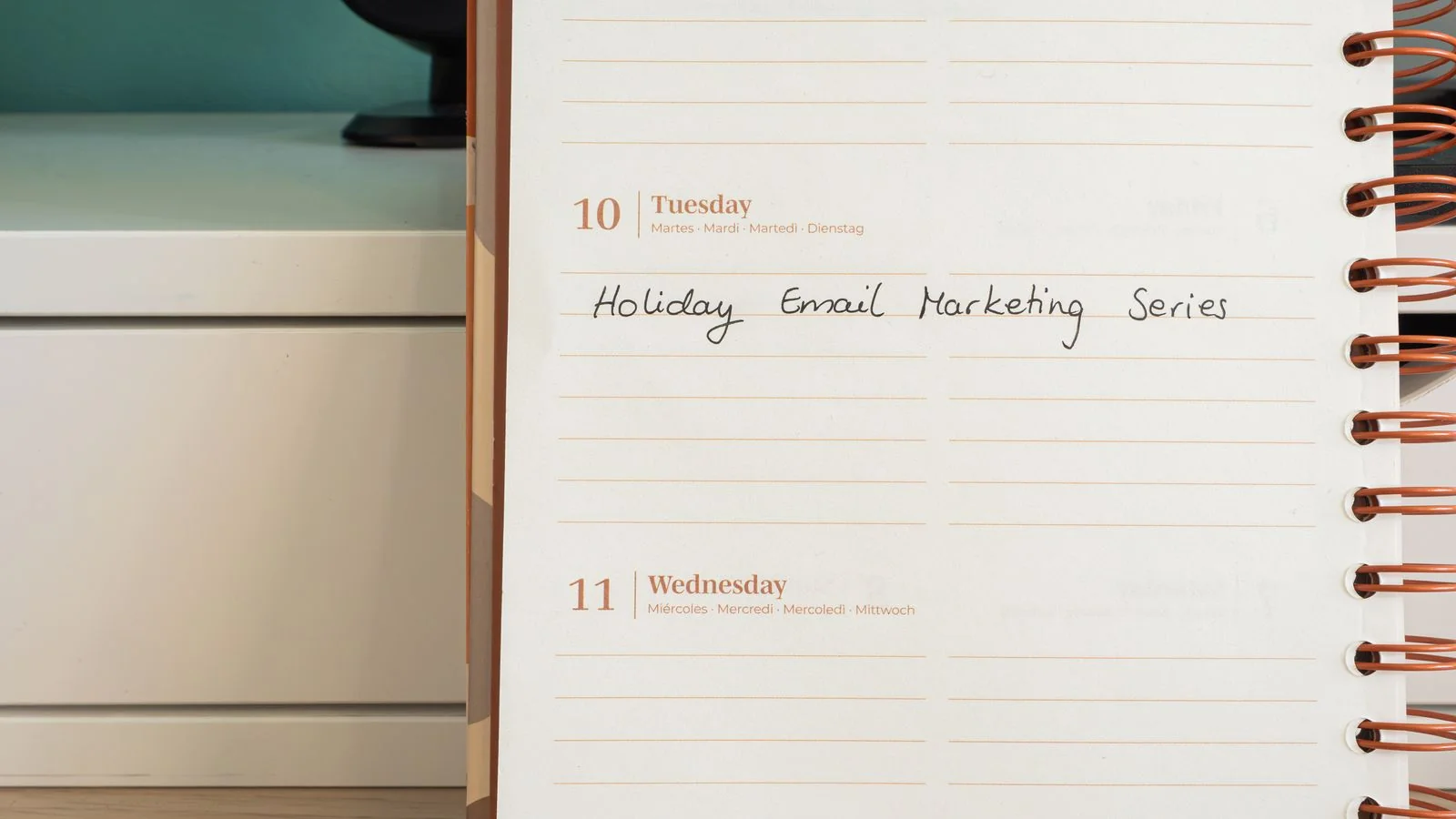
Publishing without a plan fails in two predictable ways. The first is burnout. When every publishing day starts with the question of what to write, you pay a decision cost before you have written a word, and that cost compounds until the whole thing feels like a chore you resent. The blank calendar is heavier than the full one. A plan removes the daily what, so all your energy goes into the actual writing instead of the deciding.
The second failure is incoherence. Post on whatever occurs to you and your content wanders, one week deep in a niche subtopic, the next on something unrelated, with no thread a reader could follow. An audience cannot form an impression of what you are about when what you are about changes every post. A calendar lets you sequence topics on purpose, building toward a coherent body of work rather than a scrapbook of unconnected pieces. Consistency of rhythm and consistency of theme both come from the same place, and it is not willpower.
The five-column setup
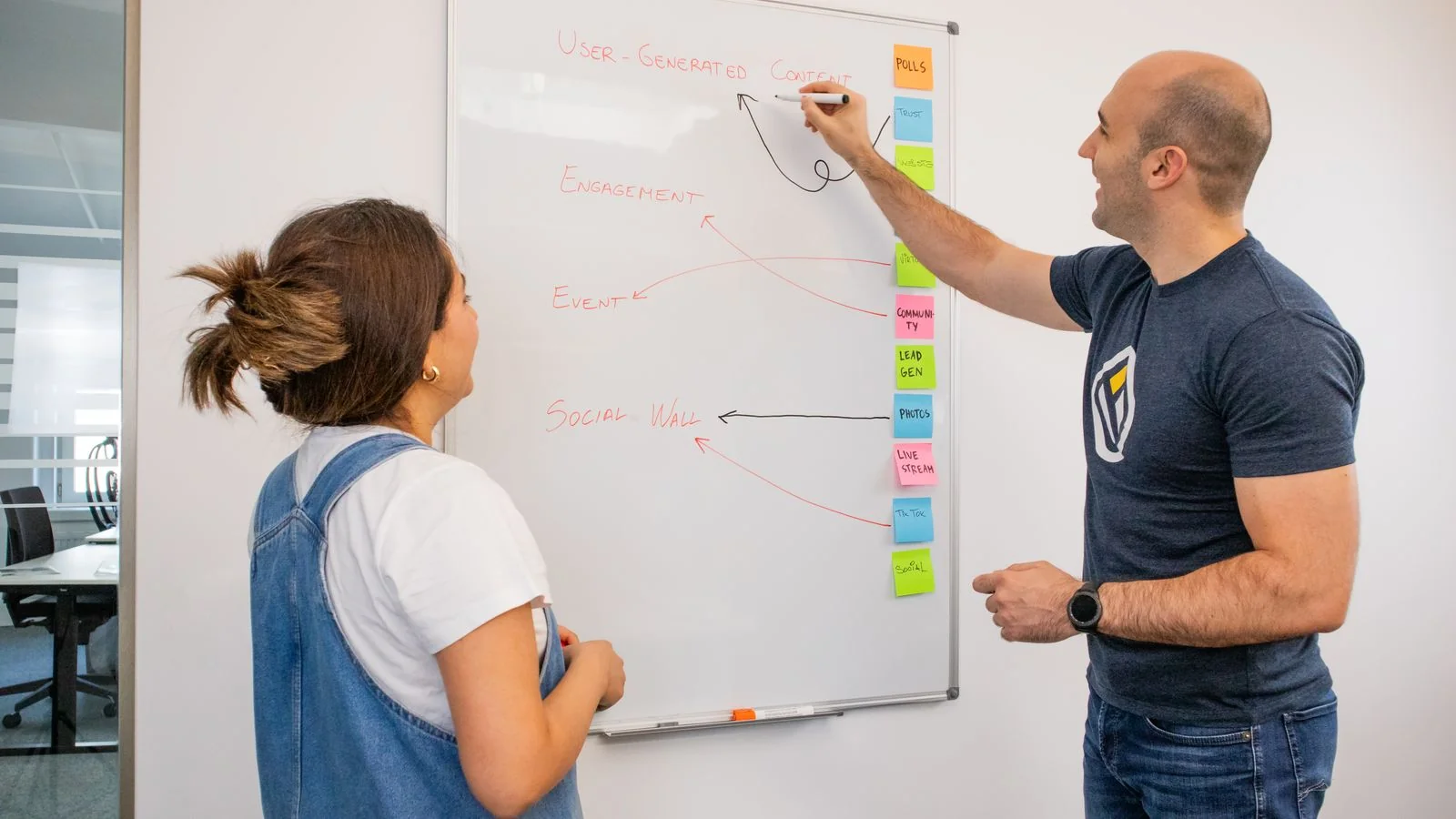
Here is the version that actually gets used, stripped to what matters. Call it the five-column calendar. Most calendar templates fail because they have twenty fields and nobody fills in more than three. Cut to five columns that each earn their place, and the calendar becomes something you maintain instead of abandon.
The five columns are date, topic, channel, owner, and status. Date is when it publishes, and committing to a date is the single most important act, because a topic without a date is a wish. Topic is the title or subject, enough to know what the piece is. Channel is the format and platform, so you can see at a glance whether your mix is balanced or lopsided toward one place. Owner is who is responsible, which matters even for a team of one, because it forces you to name the accountable person instead of assuming it happens. Status tracks where the piece is, from idea to drafted to scheduled to live, so you can see your pipeline and spot a dry patch before it becomes a missed week. Five columns, filled in honestly, run the whole operation. Everything beyond them is optional and most of it goes unused.
Making the calendar survive reality
The trap is building a beautiful calendar and then treating it as sacred. Plans meet reality and reality wins, so the calendar has to bend without breaking. Plan the next two to four weeks in real detail, with dates and topics locked, and sketch the following couple of months loosely, as themes rather than committed pieces. This near-firm, far-loose structure gives you enough runway to work ahead while leaving room to react to what actually happens.
Then treat the calendar as a living document you revisit weekly, not a monument you build once. Each week, look at what shipped, slide what slipped, and fill the next open slots. A calendar that gets a ten-minute review every week stays accurate and useful. One that gets built in a burst of enthusiasm and never touched again is fiction within a fortnight. The discipline is small and repeated, which is exactly why it works: consistency in maintaining the calendar produces consistency in the content, and both are just a small habit done on schedule rather than a heroic effort summoned on demand.
What a full calendar quietly does
The obvious benefit of an editorial calendar is that things get published on time. The quieter benefit, the one that shows up months later, is that a planned pipeline lets you think about your content as a body of work instead of a series of one-offs. When you can see the next month laid out, you start noticing gaps, a topic you keep circling but never covering directly, a format you overuse, a subject your audience keeps asking about that never made the schedule. You cannot see any of that one post at a time. You can see all of it on a calendar.
A calendar also changes your relationship to ideas. Without one, every idea feels urgent, because there is no place to put it except now, so good ideas get either rushed out half-formed or lost entirely. With a calendar, an idea has somewhere to go. You slot it three weeks out, let it develop, and give it the room a rushed post never gets. The calendar becomes a holding pen for thinking, which is a strange thing to say about a spreadsheet, and exactly why the people who keep one rarely go back to working without it.
The last thing a full calendar does is remove the excuse. When the next slot is filled and the topic is chosen, the only thing left is to write, and the hardest part of writing, deciding what to write, is already done. That is the whole trick. The calendar front-loads every decision into a calm moment so that the working moment holds nothing but the work. Consistency stops being a matter of discipline and becomes a matter of following a plan you already made.