
In June 2022, section 135 of the Building Safety Act 2022 came into force in England and extended the limitation period for claims under the Defective Premises Act from six years to thirty, retrospectively. A homeowner can now sue over a dwelling finished in 1993. Parliament set that number after Grenfell, where a fire in June 2017 killed 72 people in a tower that had been refurbished only the year before, and the public inquiry then spent seven years working out who had promised what to whom.
Reputation got to thirty years long before the law did. The buyer deciding whether your name on a hoarding is good news does not check a limitation period. She searches your company, finds a 2009 forum thread about balconies on a scheme two directors ago, a 2016 news story about a delayed handover, and a Google listing with a 2.9 average, and then she asks ChatGPT to sum you up in a paragraph. That paragraph is the version of your firm that walks into the sales suite with her.
Reputation management for property developers is the work of keeping thirty years of public record in credit, project by project, so that the paragraph reads the way your brochure does. That is a different job from buying good reviews or burying a bad news story, and most of the firms I have watched try either method made the record worse. What follows is the model I use instead.
Your last project is still on trial

A property developer has no finished products. A car maker’s 2004 model can rust in a scrapyard without a headline. Your 2004 scheme is still standing, still occupied, still being sold and resold, and every resale brings a new surveyor, a new buyer, and a new search for the name of the firm that built it. The collapse of a forty-year-old condominium tower in Surfside, Florida, in June 2021 killed 98 people and put its 1981 construction under investigation by federal engineers. That is the extreme case, but the mechanism is the same for a leaking window in a block you handed over in 2015. The building keeps producing verdicts, and the verdicts keep finding your name.
The jury is also larger than it used to be. Before 2010 or so, lenders, planners, agents, and the trade press held a developer’s reputation, a small circle with long memories and little public output. Now the jury includes every neighbor who objected on the planning portal, where objections are public and permanent, every resident who reviews the building on Google Maps or HomeViews or ApartmentRatings, every subcontractor who posts about late payment, and every journalist who can pull all of that together in an afternoon. Each of them writes into the same record, and none of them is waiting for your press release.
Warranties make the time horizon concrete. A ten-year structural warranty tells the buyer how long you are on the hook in law. The reviews, the news archive, and the forum threads tell her how long you are on the hook in fact, and the second number is always larger.
The Thirty-Year Ledger
Treat your reputation as a ledger with a thirty-year lookback, one row per project, four columns per row. I call it the Thirty-Year Ledger, and it does most of the work of reputation management for property developers, because it forces you to look at the record the way a buyer, a lender, or a language model does: across time, across projects, and without your marketing team in the room.
The first column is Promises. Everything you said before the building existed goes here: the renderings, the brochure claims about ceiling heights and completion dates, the testimony at the planning committee about affordable units and traffic, the letter to neighbors about working hours. Promises are the only column you write yourself, and they are the column that gets quoted back at you longest.
The second column is Deliveries. What you built, when you handed it over, what changed from the promise and why. You write this column alongside the record of the building itself: the completion certificates, the specification, the dated photographs, the handover packs. Where you leave it blank, other people fill it in from memory, and their memory favors the gap between the rendering and the result.
The third column is Defects. Every fault, every delay, every dispute, and, in the same cell, what you did about it. A defect with a documented fix is a neutral entry. A defect with a denial next to it is a negative entry that compounds, because each new resident who finds the fault also finds the denial.
The fourth column is Deposits. This is the third-party record in your favor: press coverage that names you, verified reviews you did not write, awards, planning officers’ reports that praised the scheme, resident testimonials with names and dates, a Wikipedia article that cites you. Deposits are the only column that offsets the third, and most developers have almost nothing in it because they assumed the sales brochure would do the job.
Read across a row and you have the reputation of a project. Read down a column and you have the reputation of a firm. The buyer, the lender, and the AI assistant all read both.
Who is writing your ledger?
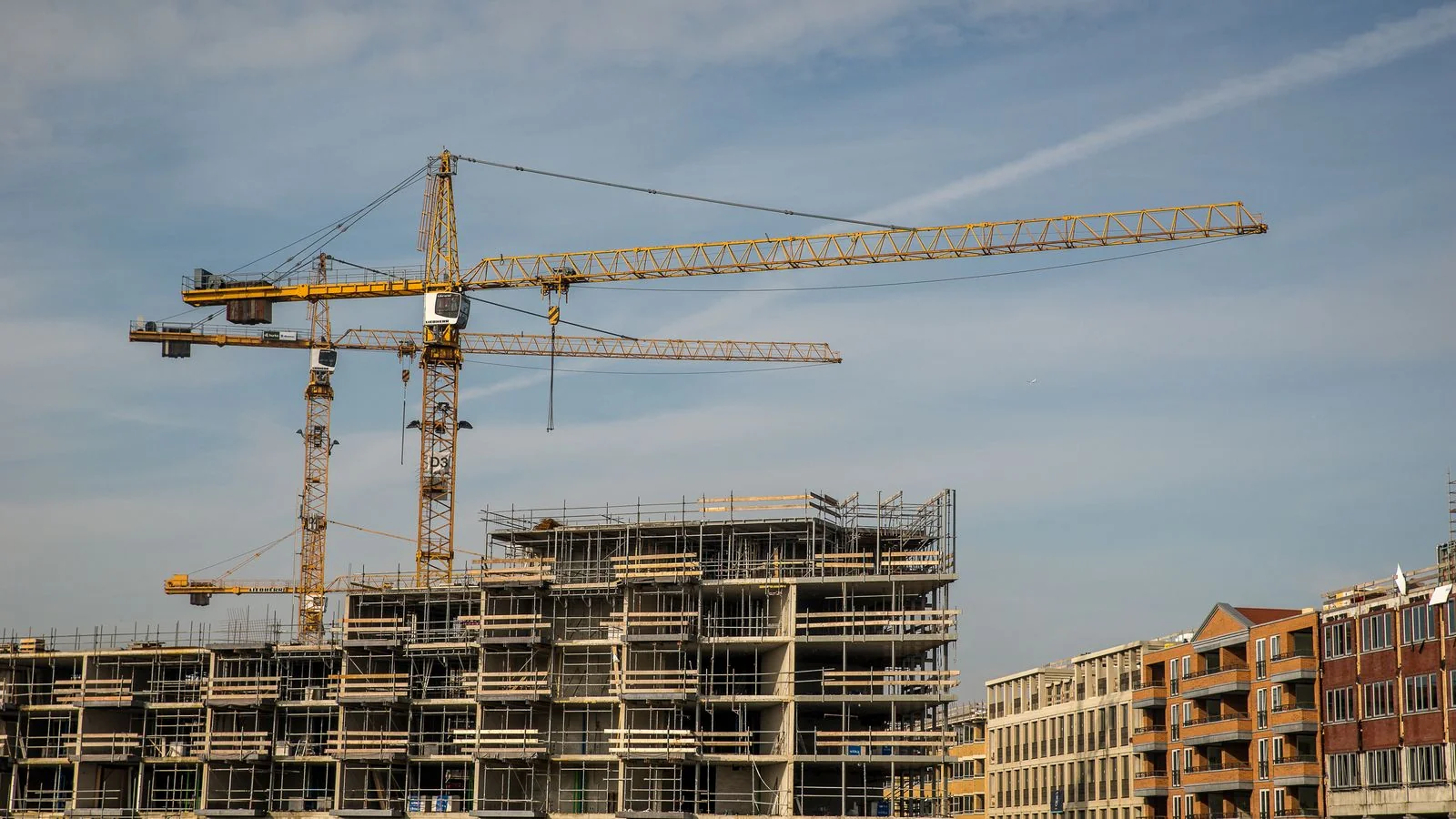
Five groups write into the ledger and only one of them takes your calls. Neighbors write first, from the day the site notice goes up, and their entries are objections, council-meeting minutes, and Nextdoor posts, all of them dated and all of them searchable. A planning objection filed in 2011 about overlooking is still on the council’s portal today, and it names your scheme.
Buyers write second, in reviews and forums during the year after completion, and their entries turn on the distance between the brochure and the flat. A buyer who paid for a south-facing balcony and got a north-facing one writes a longer review than one who got what she paid for, and she writes it on the platform with the highest domain authority she can find.
Residents write third and longest, through resale after resale, and their entries are the building’s Google Maps reviews and whatever the managing agent or homeowners’ association fights with you about in public. Contractors and consultants write fourth, on LinkedIn and in the trade press, and their entries are about payment and process; a subcontractor who waited 140 days for a final account remembers the developer’s name longer than the developer remembers his. Journalists write fifth, and they write by reading the first four.
There is now a sixth reader, and it is starting to write too. When a prospect asks Perplexity or Google’s AI Overview whether your firm is reputable, the model reads every column of the ledger and produces a paragraph. That paragraph becomes a source for the next search. If the Deposits column is thin, the paragraph gets built from Defects, and the model will not add the context you would.
Stop making promises the ledger will hold against you
Most reputation damage for a developer starts in the Promises column, and it starts with people who meant well. The rendering shows a summer evening with mature trees that will take fifteen years to grow. The brochure says spring 2027 because the sales director wanted a date. The planning statement promises a community room that gets designed out in value engineering. None of these are lies at the time. All of them become defects the moment a resident compares them with the building, and residents compare.
The fix is to write promises you can deliver and to write them in the ledger’s own language: specific, dated, and attributable. Give a completion quarter and show what depends on it. Publish the affordable-housing commitment as a number, not an aspiration, and when the number changes, say so on your own site before the local paper does. Keep an archive of every marketing claim you make on a scheme, because the residents will keep one for you. The developers with the cleanest ledgers I know are not the ones who promise the least. They are the ones who can produce, on demand, exactly what they promised and when.
Document the build like someone will read it in 2050
The Deliveries column is the cheapest one to fill and the most neglected. During construction you produce thousands of dated photographs, inspection records, and specifications, and almost all of it disappears into a project folder nobody outside the firm will ever open. Meanwhile the public record of the build consists of a neighbor’s phone video of a crane over her garden.
Publish the build. A monthly project page with dated progress photographs, the milestones hit, and a plain-language note on what changed and why gives every later reader a source written at the time. Name the contractor, the architect, and the engineer, because that attribution protects you when a fault turns out to be theirs, and it is the corroboration the models look for when they decide whose name to attach to a building. At handover, publish a completion note with the final specification.
Twenty years later, when a surveyor searches the building’s address before a resale, that page should be what she finds first. Surveyors and conveyancers search addresses, not developer names, so the project page has to carry the address, the completion date, and your firm’s name in plain text on the same page. That is a ten-minute job per scheme that most developers have never done for a single one.
What happens when a defect story breaks?
A resident posts photographs of water running down the inside of a curtain wall. A local reporter picks it up. The managing agent tells residents the developer is not responding. You have until the end of the day before the Defects column gets an entry you did not write.
Do three things in order. Establish the fact with your own engineer and the contractor, in hours rather than weeks, because every day of silence is itself an entry. Then say something public, where the story is, in the name of a director: what you know, what you do not know yet, and when you will say more. Then do what you said. The public statement is not a legal admission; it is a dated record that you responded, and it will be the line the models quote next to the complaint for the next thirty years. The alternative, silence followed by a solicitor’s letter to the resident, is the entry that turns one bad row into a firm-wide pattern, because the letter itself becomes a story.
When the fix is done, write it up. A short, dated account of the fault, the cause, the remedy, and the cost you absorbed converts a Defects entry into something closer to a Deposit. Buyers do not expect buildings to be flawless. They expect the developer to answer the phone.
Fill the deposits column before you need it
Deposits are the only column that offsets a bad row, and you cannot make them in a hurry. A press feature written the week after a defect story reads as damage control and the models weight it that way. A press feature written two years earlier, about the scheme’s energy performance or the deal structure that made the affordable units possible, reads as record.
So make deposits on a schedule. Ask for reviews at handover and again at the one-year mark, from residents, with names, on the platforms buyers use in your market. Submit the scheme for the awards that matter to lenders and planners in your sector. Get a director quoted in the business press on something other than your own project: build costs, planning reform, what the rate cycle does to viability. Third-party coverage that names the firm, in publications the models already trust, is the single highest-value entry in the ledger, and it is the part of this work developers most often hand to an outside team, Instant Press among them, because the placements take more time than the writing. Whatever you do in-house or out, the target is dated, corroborating mentions on every project, made before you need them.
Two rules protect the column. Never buy reviews, never write them under other names, and never ask staff or contractors to pose as buyers; the Federal Trade Commission’s rule against fake reviews took effect in October 2024 and carries civil penalties, and a platform that catches you deletes the honest reviews with the fake ones. And never let a Deposit outrun a Delivery. A glowing feature about a scheme that then hands over eight months late is a Promise, not a Deposit, and it moves to the wrong column the day the delay becomes public.
AI assistants now read the ledger for buyers
Prospects used to read your ledger one entry at a time, and most of them stopped after the first page of Google. Now they ask a model to read the whole thing. The questions are blunt: is this developer reputable, what problems have their buildings had, which developer should I buy from in this city. The answer is a synthesis, and synthesis punishes gaps. A firm with a full Deposits column gets described in terms of its coverage and awards, with the defect mentioned as something it resolved. A firm with an empty Deposits column gets described in terms of the forum thread, because the forum thread is the only thing the model found.
This is the part of reputation management for property developers that did not exist five years ago, and it changes the economics. Under search, a bad story sat at position four and a buyer might not click it. Under synthesis, the same story becomes a clause in the paragraph every buyer reads, unless the model finds enough corroborated, favorable, dated material to outweigh it.
You cannot edit the model’s answer, but you can change what it reads. Consistent firm and project names across every source, a company profile that states what you build and where, project pages that carry dates and collaborators, and press coverage in outlets the models already cite are the inputs. Check the output every quarter by asking the assistants the buyer’s questions and reading what comes back as if you were the buyer. If the answer surprises you, one of the columns is out of balance, and the audit tells you which.
Run the ledger review every quarter
None of this needs a department. It needs a spreadsheet with one row per project going back as far as your buildings do, a quarterly hour with the sales, construction, and customer-care leads in the room, and a rule that every Defects entry gets a response entry within a week. Fill the Promises column from the archive of what you published. Fill Deliveries from the completion records. Fill Defects from customer care and from a search of each project’s address. Fill Deposits from every third-party mention you can find, and notice how short that list is.
Then pick the worst row and work it. The oldest scheme with a live defect thread and no Deposits is the one a buyer or a model will find when they go looking for a pattern, and it is the one where a documented fix and a single dated piece of coverage change the reading of the whole column.
Your reputation is a thirty-year public ledger written mostly by people you never met, and the law in England now reads it the way buyers everywhere always did. Reputation management for property developers means writing your own entries in every column, on time and in public. Do that and the record a buyer or a machine reads in 2050 is one you built, rather than one other people assembled from what they remembered.