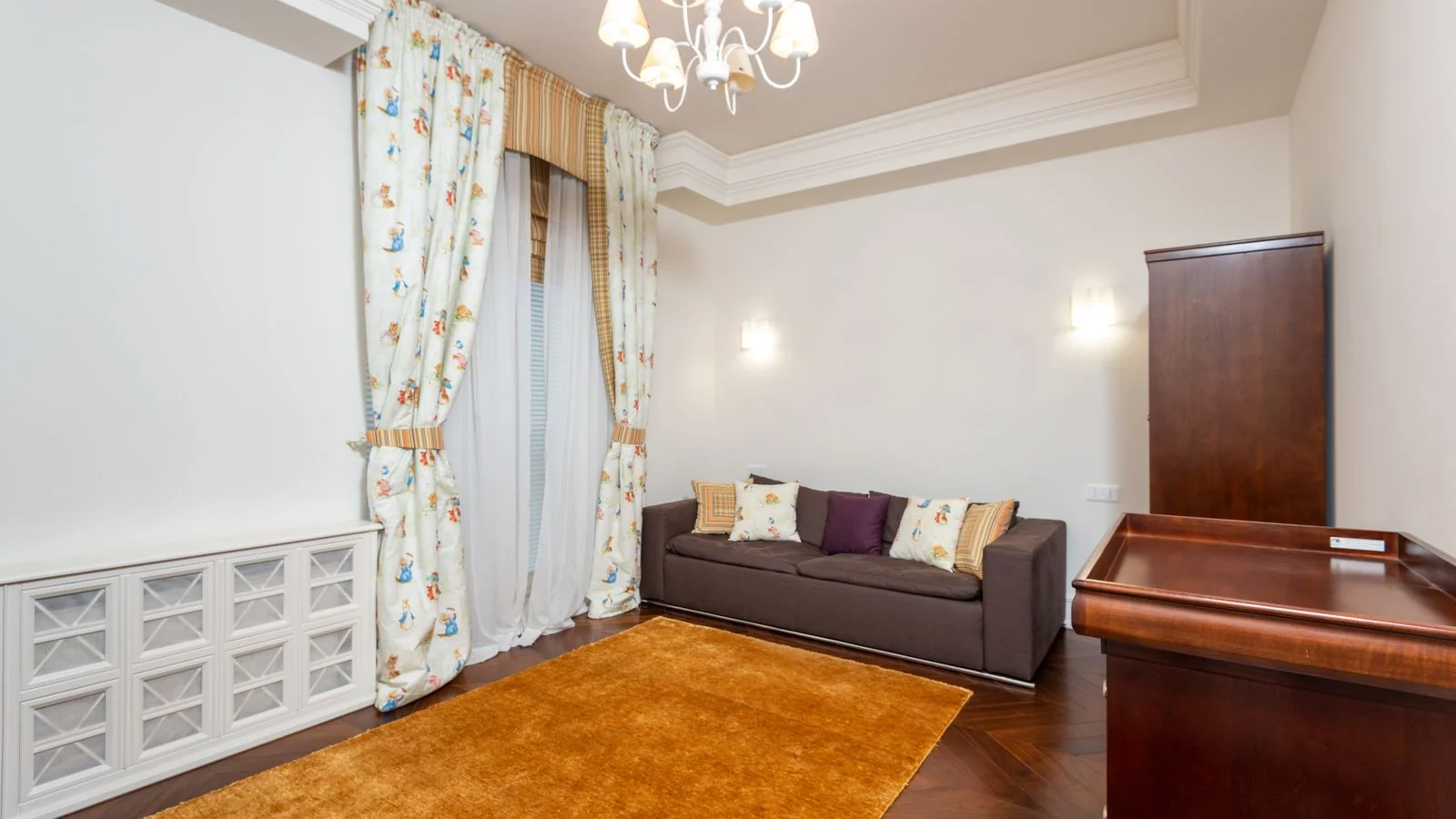
Dezeen, ArchDaily, and Dwell all accept project submissions through public forms on their websites, and each receives far more than it could ever publish. The editors screening those queues make a decision in the time it takes to scroll a first image. If the photography is weak, the project is gone. If the photography is strong but the description says “a warm, inviting space that reflects the client’s personality,” the project is gone too, because that sentence describes every submission in the queue. Learning how to get press for interior designers is mostly learning what survives that scroll.
Two things survive it. The first is photography that looks like it already belongs in the publication. The second is an angle, meaning a reason the project is a story rather than a room. Designers spend most of their effort on the room and almost none on the angle, which is why designers with exceptional work go unpublished while designers with a sharper story get features.
The Shoot-First Rule
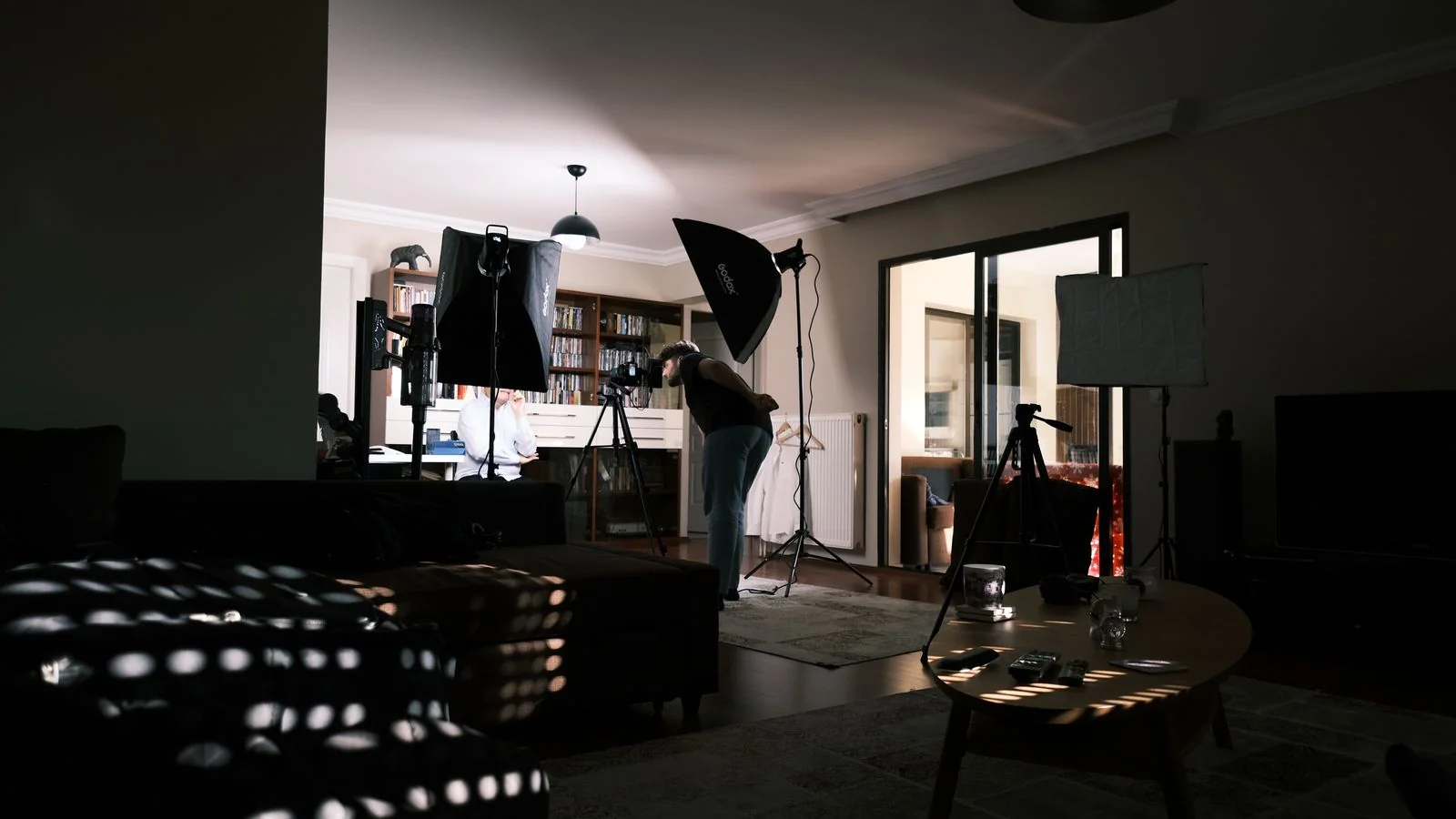
Here is the rule that governs everything else in this piece: no project gets pitched until it has been professionally photographed and styled, and the shoot is planned as if the feature has already been accepted. Call it the Shoot-First Rule. It sounds obvious and almost no designer follows it, because a shoot costs real money and the outcome is uncertain. Designers try to pitch with installation photos from their phone and a promise to shoot if an editor is interested. Editors do not work that way. They are choosing between finished submissions with full image sets, and a promise loses to a finished set every time.
A proper shoot means an interiors photographer, not a real estate photographer, with a stylist or the designer styling every frame. It means a full set of thirty to sixty images covering wide establishing shots, tight details, and the moments in between, in horizontal and vertical orientations because print layouts need both. It means high-resolution files, a credit line for the photographer, and written permission from the client to publish. A designer who arrives at an editor’s inbox with all of that has cleared the bar that eliminates most of the queue.
The unpublished-project rule follows from this. Almost every shelter publication wants first rights to a project. If the photos are already on your Instagram in full, most print editors will pass. Shoot the project, hold the images, pitch one outlet, and post the full set only after the feature runs or the outlet declines.
Six angles that turn a room into a story
An angle is the answer to the question “why would a reader who will never hire you care about this project?” Editors are looking for that answer in the first two sentences of a submission. These six are the ones that get run most often.
The transformation angle is the most reliable. A before-and-after with a dramatic delta: a dark 1970s ranch opened into light, a bank vault converted to a wine room, a hoarder’s house made livable. Editors run transformation stories because readers cannot stop looking at them. If you have before photos, even bad ones, you have the beginning of this angle.
The constraint angle is the second. A project done under an unusual limit: a 380-square-foot apartment, a budget of eleven thousand dollars, a landmark building that forbade touching the walls, a client in a wheelchair, a house that floods. Constraints make a project a puzzle, and puzzles are stories.
The client angle is the third. Not every client will agree to be featured, but the ones who do bring the story with them: a chef, a novelist, a family with six children, a couple who moved from Tokyo to Nashville. The room becomes a portrait of a life, which is what shelter magazines are secretly about.
The material or technique angle is the fourth. Something in the project that readers have not seen: a plaster finish revived from a 1920s technique, cabinetry made from a tree that fell on the property, a tile installation that took a specific artisan nine weeks. Editors running trend stories on materials need projects that demonstrate the material, and they find them through submissions like this.
The local angle is the fifth and the easiest for most designers. Regional shelter magazines, city lifestyle publications, and local business journals cover their own market and need designer projects from it every issue. A historic renovation in a neighborhood the city is watching, a house designed for the local climate, a project by a designer who grew up three blocks away. National outlets are a lottery. Local ones are a pipeline.
The opinion angle is the sixth and the most underused. Editors run service and trend pieces weekly and need designers with a quotable position: on formal dining rooms, on open-plan living, on whether a specific color is over. A designer who has published opinions gets called for these, and the call often turns into a project feature later. This angle does not even require a finished project, only a point of view and a willingness to state it.
What to send and where to send it
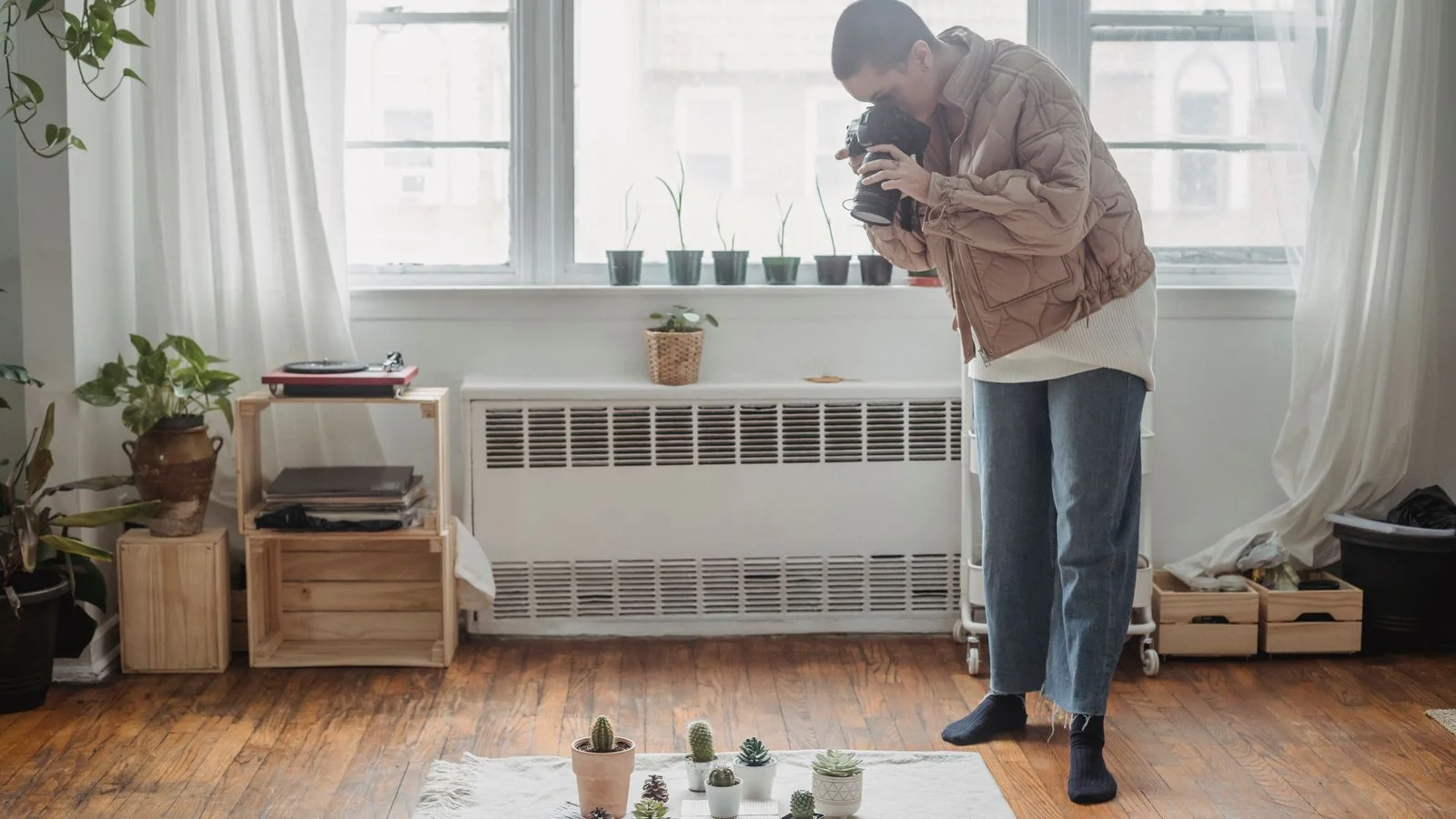
Once the shoot is done and the angle is chosen, the submission itself is short. A subject line naming the angle and the location. Two or three sentences stating the angle. A paragraph on the project with the concrete details: square footage, the constraint, the material, the client’s story if it is part of the pitch. A link to a private gallery of the full image set, never attachments. Photographer credit, client permission confirmed, and a note that the project is unpublished. That is the whole pitch. Editors want less than designers think.
Where to send it depends on the outlet. Dezeen, ArchDaily, and Dwell take submissions through their site forms and screen them there. Architectural Digest, Elle Decor, House Beautiful, and Domino have editors and contributors who source projects, and the right one can usually be identified by reading who wrote the last five features similar to yours and finding their email through the masthead or LinkedIn. Regional magazines tend to list a submissions email on their contact page and respond faster than anyone. Start local, get two features, and use them as proof when you move up.
Why submissions get rejected, in the editor’s words
Talk to editors at shelter publications about their submission queues and the same reasons for rejection come up in the same order. The photography is not up to standard, which accounts for most of the queue. The project has already been published, often on the designer’s own Instagram, which disqualifies it for most print outlets. The submission has no angle and reads as a description of finishes. The project looks like every other project in the queue that month, meaning the designer followed the trend rather than making a decision. And the designer has pitched the wrong outlet, sending a coastal beach house to a magazine that runs urban apartments.
Each of those is avoidable, and together they explain why designers who learn how to get press for interior designers treat it as a checklist rather than a hope. Shoot to the standard. Hold the images. Write the angle first. Make sure the project has a decision in it, not just a look. Read three issues of the target outlet before pitching it. A submission that clears all five is in the top fraction of the queue before an editor has read a word, and that is where features come from.
One more rejection reason is quieter and more common than designers expect: the editor searched the designer’s name and found nothing. A designer with no website bio, no press, no stated point of view, and a LinkedIn that says “interior designer” and nothing else is a risk for an editor who has to justify the feature to a managing editor. Build the footprint before the pitch. It takes an afternoon and it changes the odds.
Timing, exclusivity, and the wait
Print moves slowly. A project accepted by a monthly magazine may not run for six to nine months, and the editor will expect you to hold the images off social media until it does. Digital outlets run in days or weeks. Pitch one outlet at a time, give them a stated window to respond (two to three weeks is standard), and move to the next if you hear nothing. Do not submit the same project to two outlets at once. The design press is small, editors talk, and a designer who burns an exclusive gets remembered.
Fill the wait with the opinion angle. While a project sits in a queue, publish your positions, answer reporter requests on trend stories, and appear on design podcasts. Each of those builds the search and AI footprint that makes an editor’s quick background check on you come back strong. When someone asks ChatGPT which designers in your city have been featured in the press, the model is looking for the trail this creates.
Why press compounds for designers
One feature produces three things. It produces a credential (“as featured in”) that closes clients who were on the fence. It produces a link and a mention that search engines and AI assistants treat as third-party validation, which is worth more than anything you say about yourself. And it produces the next feature, because editors read each other, and a designer who appeared in a regional magazine is a lower-risk pick for a national one.
Designers who understand how to get press for interior designers treat it as a system rather than a lottery: shoot every completed project properly, choose the angle before writing a word, pitch one outlet at a time starting local, and publish opinions in the gaps. Run that system for eighteen months and the features start arriving on their own.
There is a budget question underneath all of this, and it deserves a plain answer. A proper interiors shoot for a full residential project runs into the thousands of dollars, and a designer completing four projects a year is looking at a real line item. Treat it as the marketing budget, because it is. The same money spent on paid social produces impressions that vanish in a week. Spent on photography and one well-aimed submission, it produces a feature that closes clients for years and a credential no competitor can copy.
Pick the strongest project you completed this year, book the photographer this week, and write the angle in two sentences before the shoot so the images are made to prove it.