
Here is something that shows up again and again once you look for it. Shows with larger audiences often produce less business than shows with smaller ones, and the difference is almost never the audio.
It is that one host treated the episode as the product and the other treated it as raw material. The first show has four hundred episodes and a website with four hundred embedded players and forty words each. The second has ninety episodes and a website with ninety long, readable, searchable pages that answer questions people are typing right now. Guess which one gets found by someone who has never heard of either.
Content marketing for podcasters is mostly the work of converting a closed format into open ones. The conversation you already had contains everything you need. It is just currently stored in the least useful shape available.
Audio is the worst container for your best thinking
An episode is a wonderful experience and a terrible asset.
It cannot be searched. It cannot be skimmed. It cannot be quoted without effort. It cannot be linked to at a specific claim. It expires from a feed. It is invisible to every system that answers questions, which now includes a growing share of how people find anyone at all.
None of that is a criticism of podcasting. It is a description of the medium’s economics. Audio is exceptional at building relationship depth with people who already found you and close to useless at helping new people find you. Shows that grow do it through recommendation, guest audiences, and cross-promotion, which is to say through other people’s distribution rather than through discovery.
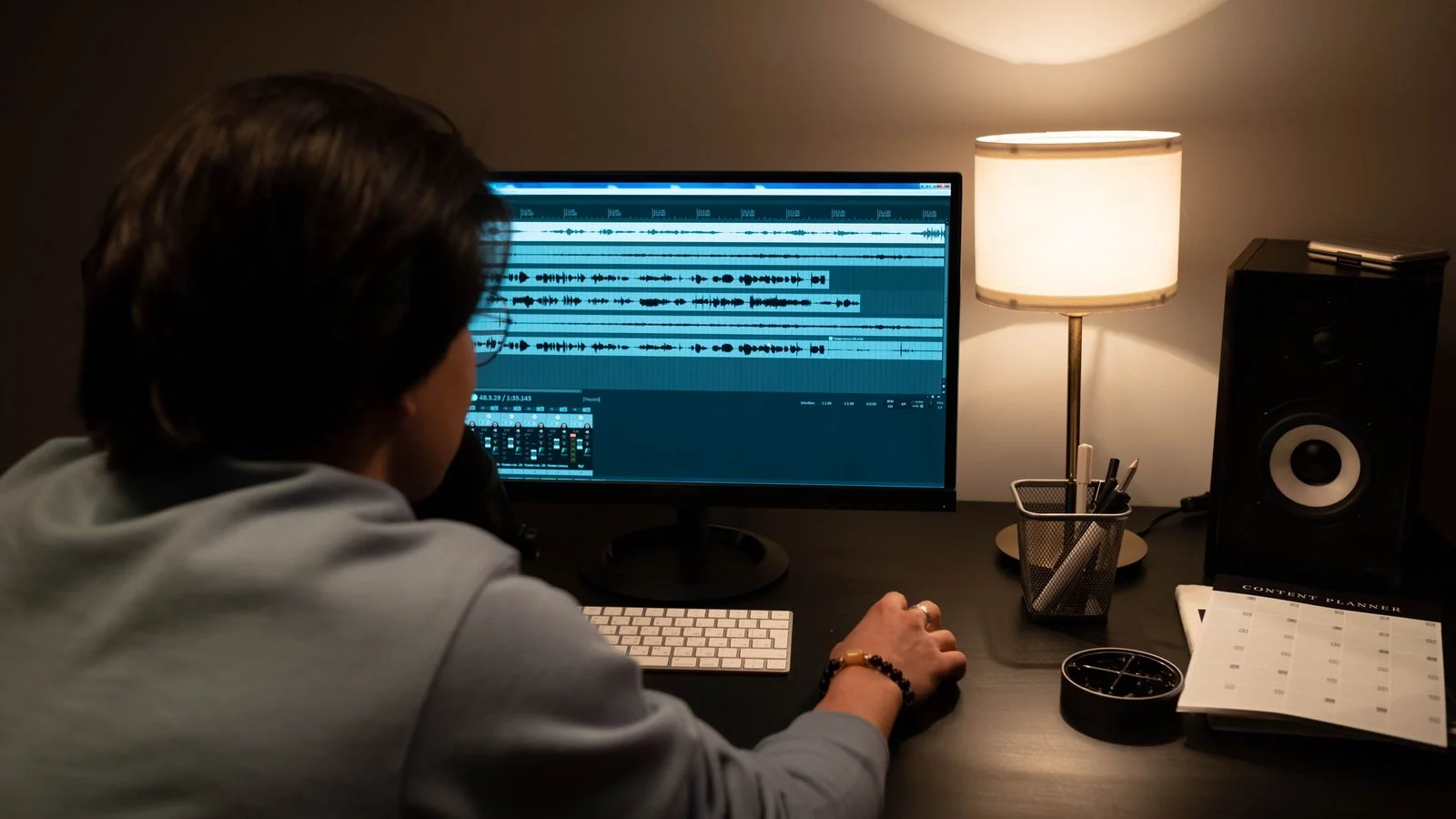
So the strategy is not to make the audio more discoverable. It is to make text versions of the audio, and to treat those as the discovery layer. The episode builds loyalty. The text finds strangers.
Hosts sometimes read this as a demotion of the show, and it is the opposite. The conversation is where the value originates. A guest saying something they have never said in print, a host pushing back until an idea becomes precise, ninety minutes of thinking out loud that no article would ever contain, all of that happens in the recording. The problem is purely one of storage. You have produced something genuinely rare and filed it in the one format that cannot be indexed, excerpted, or quoted without manual labor.
Consider what happens to a good written article over three years. It accumulates links, gets cited, ranks for phrases nobody predicted, and turns up in answers to questions that did not exist when it was published. Now consider what happens to a good episode over three years. It drops out of the feed’s recent list and is heard by almost nobody again. Same quality of thinking, completely different asset curve, and the only variable is the container.
The Episode Residue Model
Every conversation leaves residue: the claims, the stories, the numbers, the disagreements, the specific bits of advice. The model is simple to state and it reorganizes how you work.
An episode’s value is not its download count. It is the total surface area of residue you extract and publish in readable form.
A show with a hundred episodes and no residue has a surface area of roughly zero, which is why it does not appear in search results or AI answers about its own subject. A show with thirty episodes that each produced a transcript page, an article, a quote set, and a handful of answer snippets has a surface area in the hundreds and behaves like a publication.
Score yourself. Pick your last five episodes and count the published, readable, indexable artifacts each produced. If the answer is a title and a player embed, you have a radio show. If it is six to eight artifacts, you have a media property. The gap between those two positions is not budget or talent. It is about ninety minutes of work per episode.
The model has a second implication that hosts find harder to accept. Publishing fewer episodes with full residue extraction beats publishing more episodes with none. A weekly show producing one artifact per episode generates fifty-two artifacts a year. A fortnightly show producing eight generates two hundred and eight, from half the recording time. If you are choosing between another episode and making last week’s episode readable, the readable version wins on every measure except your publishing streak.
This is also the answer to the back catalogue question. A show with two hundred episodes and no residue is not behind, it is sitting on an unusually large inventory of raw material that has already been tested on a real audience. You know which conversations landed, because you have the numbers. Start there rather than with the next recording.
Edit the transcript, do not dump it
Almost every show that bothers with transcripts does the thing that does not work.
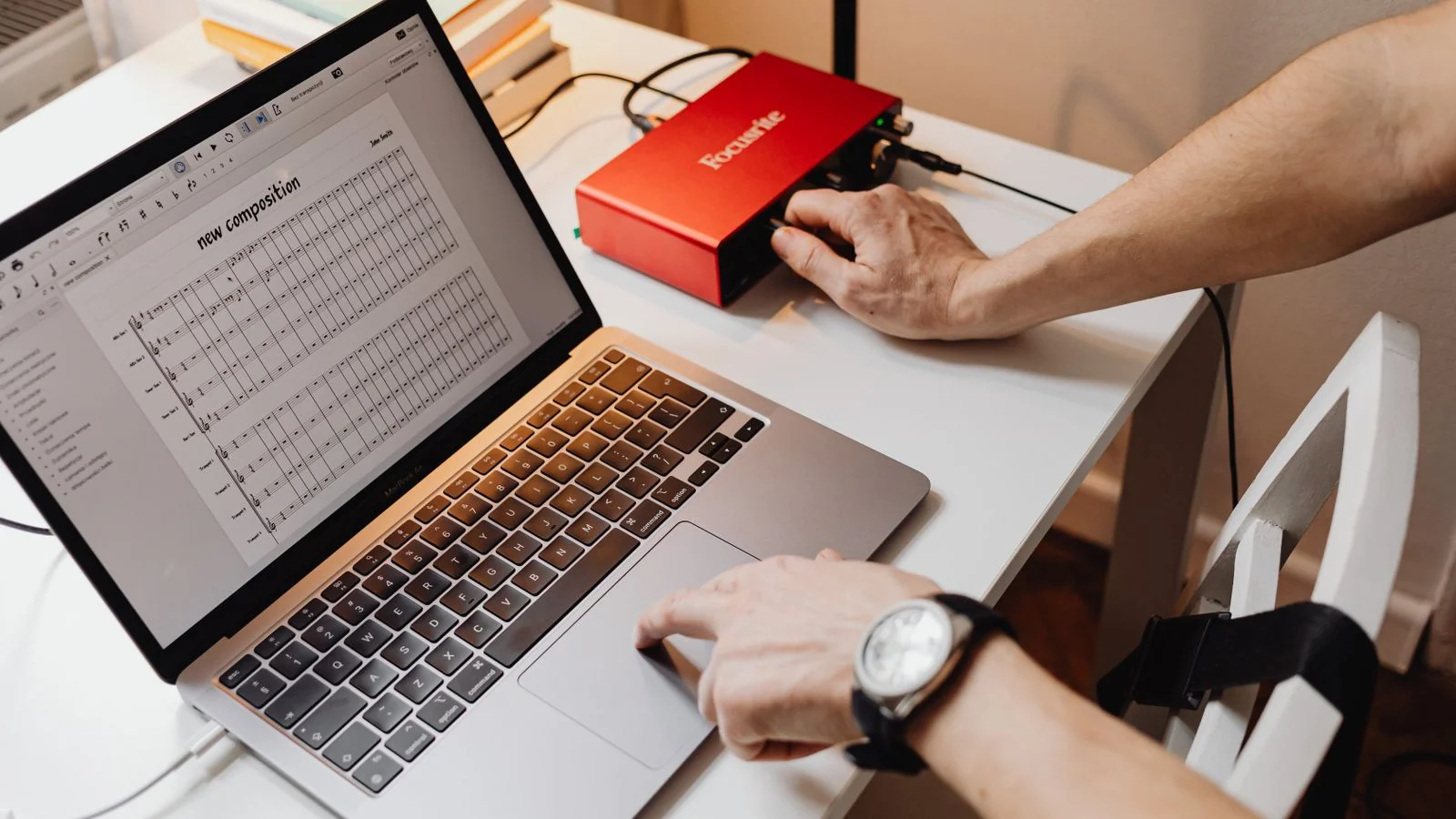
A raw automated transcript is eleven thousand words of unbroken speech with filler, false starts, and no structure. It is technically text and functionally useless. It ranks for nothing, reads as machine output, and gives a system nothing to extract because nothing in it is signposted.
The edited version is a different object. Strip the filler. Break the conversation into six to ten sections. Give each section a heading that is the question it answers, phrased the way someone would ask it. Keep the speaker attributions. Tighten the sentences without changing the meaning or putting words in a guest’s mouth.
That takes twenty to thirty minutes with a decent first-pass tool and it produces the single most valuable page your show will publish. It is long, specific, attributed, and organized around real questions, which is the exact profile of a page that gets cited.
One rule worth holding to. Never present an edited transcript as verbatim. Label it as edited for clarity. A guest who finds their words tidied without a note has a legitimate complaint, and a show that handles this well gets easier bookings.
The heading choice inside the transcript is where most of the value gets created or lost. A heading that reads “On pricing” is a category label and does nothing. A heading that reads “Why raising your prices lost you the wrong clients” is a question a real person has, phrased the way they would phrase it, and it gives both a reader and a system a reason to enter the page at that point. Write ten headings per transcript as if each one had to survive alone as a search result, because functionally each one does.
There is one more structural habit worth building. Put the three or four strongest claims from the conversation near the top of the page, in your own summary, before the transcript begins. A reader who arrives from a search wants to know within five seconds whether this page addresses their question. So does a system deciding whether to cite it. Burying the substance under fifteen minutes of introductions is the single most common way a good transcript page fails.
Write the article the episode was secretly about
The transcript is the record. The article is the argument.
Every good episode has a thesis buried in it, usually surfacing around the thirty-minute mark when the guest says something that surprised even them. The article is that thesis, written up properly, with the episode as evidence.
This is a different piece of writing from the transcript and it does a different job. Fifteen hundred words in your own voice, making a claim, using two or three quotes from the conversation as support, linking to the full transcript. It reads as journalism rather than as a byproduct, and it is the piece another site will link to.
It is also the piece that establishes you as a person with a position rather than a person who asks questions. Hosts underrate this badly. A show where the host never argues anything is pleasant and forgettable. The article is where you get to be the expert instead of the interviewer, without changing anything about how you record.
Practically, the article writes itself if you take one note during recording. When a guest says something that changes your mind or sharpens a view you already held, write down the sentence and the timestamp. That note is the thesis. Everything else is arrangement: state the claim, explain what the common view gets wrong, bring in two quotes as evidence, say what follows from it, and link the transcript for anyone who wants the full conversation.
Be willing to disagree with your own guest in the article. Not rudely, and not in a way that ambushes someone who came on your show in good faith, but honestly. An article that says a guest’s argument holds in three cases and breaks in a fourth is more useful than one that summarizes them approvingly, and it is far more likely to be discussed.
Build the quote set and let other people distribute it
Pull eight to twelve quotable lines from the episode into a plain list on the page. Attributed, verbatim, dated.
This is a small thing that produces disproportionate results. Writers looking for a quote on your subject will find a page that has already done the extraction work. Guests will share lines from their own appearance more readily when the lines are sitting there ready to copy. Other shows will reference them. Systems answering questions will quote them, because a short attributed statement is the easiest thing in the world to cite.
It costs ten minutes. Most shows never do it, which means the quotable material from thousands of hours of good conversation is sitting inside audio files where nobody can reach it.
Turn answers into snippets that stand alone
Somewhere in every episode a guest answers a factual question in three sentences. That answer is a standalone asset.
Collect them. A short block on the page, question as the heading, answer in two or three sentences underneath, attributed. Over a year a show accumulates hundreds of these, and they can be organized into topic pages that answer questions no competitor has bothered to address in text.
This is the part of the workflow that produces visibility in AI answers, because the shape matches exactly what those systems are assembling: a specific question, a direct answer, a named source, a date. A podcast that publishes four hundred attributed answer snippets across its subject area becomes one of the better sources on that subject, regardless of download numbers.
Make the guest asset, because it is the growth engine
Each episode should produce something the guest actively wants to share, and most do not.
A player link is not that. A page with the guest’s name, a proper bio, their headshot, the edited transcript, the quote set, and links to their work is that. Send it to them the day it publishes with two suggested lines and the direct URL.
The mechanics here are worth being deliberate about. Guests share when sharing makes them look good and costs them nothing. A well-built guest page does both. It also means your show accumulates a set of pages that rank for the guests’ own names, which brings in their audiences on an ongoing basis rather than in a single-day spike.
Over fifty episodes this compounds into the most reliable growth channel available to a small show, and it requires no advertising spend and no algorithm.
Get written about, then point everything at it
The last asset is not one you make. It is coverage.
An article about your show, or about you as a practitioner in your field, does something none of your own content can do. It is a third-party text description of what you know, sitting on a domain that is not yours, which is the form of evidence a skeptical stranger and a cautious system both weight most heavily.
The economics are more accessible than hosts assume. The catalog we maintain at Instant Press runs just over a thousand publications, and the median placement price sits at fifteen hundred dollars, with five hundred and twenty-three of them falling in the one to twenty-five hundred band. Mean domain authority is 62.3, a hundred and seventy-four outlets score above eighty, and ninety-six percent are indexed by Google. For a show trying to be found by people who have never heard of it, a handful of indexed articles describing the subject you cover is a different kind of asset from another episode.
Sequence it right, though. A placement that points at a site full of player embeds wastes the placement. Build the text layer first, so that a curious reader who follows a citation lands on four hundred readable answers instead of a wall of audio they will not play.
That is the whole shift, and it is not really about marketing. Record the same show. Then spend ninety minutes making the conversation readable, quotable, and findable, and do it every week for a year. The show you have in twelve months will be the same show. The business around it will not.