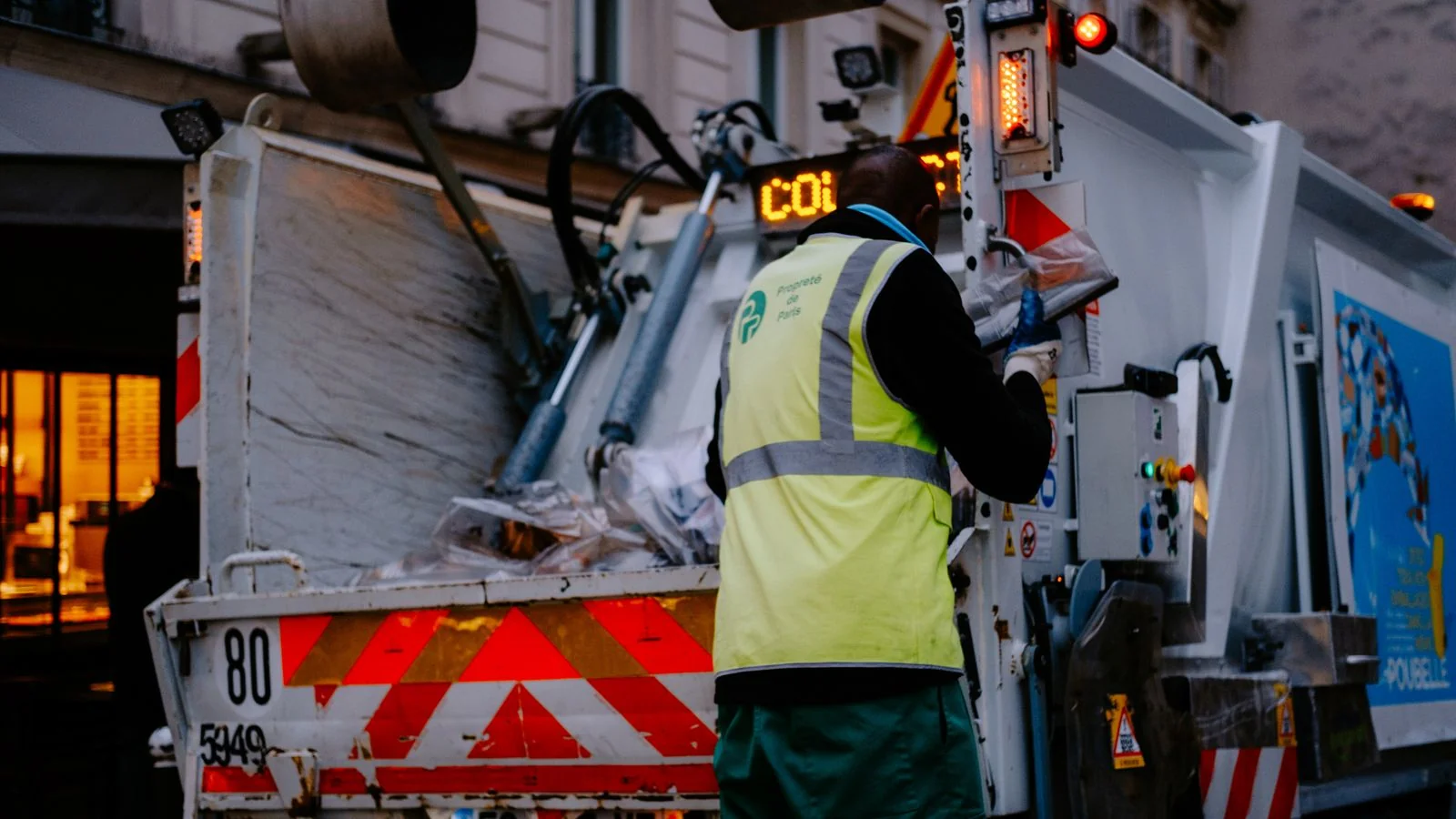
In 2022, Waste Management, the largest hauler in North America, shortened its name to WM and spent a great deal of money telling the world. The rebrand was about growth beyond garbage, about recycling and renewable natural gas and a company that did not want the word “waste” on the side of every truck. It was also a reminder of something every independent hauler already knows: the giants have brands, and the brands are logos. There is no person attached to WM, or to Republic Services, or to any of the national players a local company competes against for municipal contracts and commercial accounts. That absence is the opening.
A regional hauler with 30 trucks cannot outspend WM on signage. The owner of that hauler can become the person in the county who explains how waste actually works, and no national company has anyone who can do that in a specific market. Personal branding for waste management companies is that play: one owner or executive, known by name, trusted by city staff and property managers and reporters, in a business where everyone else is anonymous.
Nobody knows the name of a waste company owner
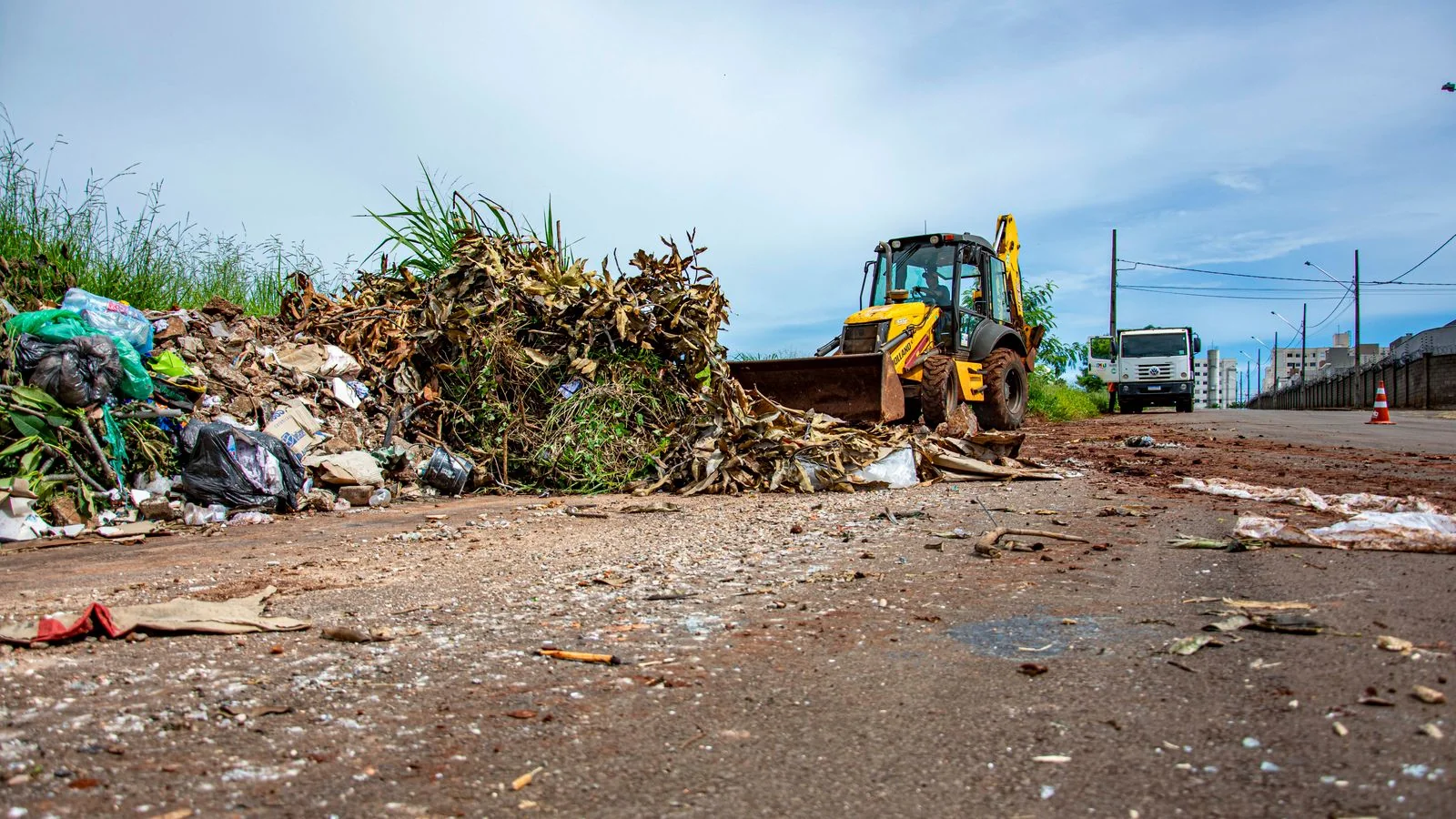
Ask a city council member who runs the company that picks up the trash in their district and watch them reach for the contract file. Ask a property manager who runs the hauler servicing their twelve buildings and they will name the account rep, not the owner. Ask a resident and they will name the color of the bin. The waste business is the most visible service in any town, with trucks on every street every week, and the people who run it are less known than the local dentist.
This is a problem at three moments. When a municipal contract comes up for bid, the evaluation committee is reading proposals from companies they cannot tell apart, and the one whose owner they have heard speak at a council meeting or read in the paper gets a benefit of the doubt the others do not. When a commercial account is choosing between haulers, the facility director is picking a company they will have to call when a compactor fails at 6 a.m., and they pick the one where they know who answers. And when a private equity firm or a national consolidator is buying haulers in the region, which is happening in every market, the owner with a public reputation gets a better multiple, because reputation is what the buyer is paying for and a public one is easier to verify.
There is a fourth moment that owners forget. When waste is in the news, which happens more often than people think, reporters need a source. A rate increase, a recycling program change, a landfill capacity story, a storm cleanup, a strike at a competitor. The owner who has been explaining these things in public gets the call. The owner who has not gets described by the city’s press release.
What WM’s rebrand taught the industry

WM’s rebrand was a bet that the future of the business is in what happens after collection: recycling, organics, landfill gas, and the data that goes with all of it. The company was telling customers and investors that it was more than trucks. Whether the bet pays off nationally is not the point for a regional hauler. The point is what the rebrand revealed about how the giants communicate: through the corporate brand, through investor materials, and through press releases. There is no WM executive whom a property manager in Dayton would recognize.
Independent haulers have been reading this wrong. They see the national brand campaign and conclude that branding is about the truck wrap and the logo. It is not, at their scale. The truck wrap is already on every street. What the independent has, and the national cannot buy, is an owner who lives in the market, drives the routes, knows the transfer station manager by name, and can explain to a council member why the tipping fee increase changes the rate. That is the brand. The task is to make it public.
Route Authority: the position to own
Here is the framework, named for the asset the independent already has. Route Authority is the position of being the person in a market who knows, and can explain, what actually happens between the curb and the landfill. Where the trucks go. What a route costs to run. Why the transfer station’s hours matter. What contamination in the recycling stream does to the price of a bale. Why a new truck costs what it costs and what that means for rates. What the county’s landfill has left in years.
Nobody else in the market can occupy this position. The national players’ executives are in Houston or Phoenix. The city’s public works director knows the contract but not the operations. The reporters know nothing and want to. The owner who becomes the Route Authority is the only person in the room who can answer the question, and that is the definition of a personal brand.
To hold the position, the owner needs three things: a small set of topics, a place to publish, and a cadence that survives a 5 a.m. schedule. The topics come from the routes. Every week something happens that residents, property managers, or city staff would understand better if someone explained it: a route change because of a bridge closure, a spike in contaminated recycling after a holiday, a compactor fire at a commercial account, a driver shortage and what it does to pickup times. Each of those is a post, a comment, or a paragraph to a reporter.
Content that fits a 5 a.m. schedule
Owners of waste companies do not have time to write, and they should not try to write the way a marketer does. The content that works in this industry is a photo from the yard or the route with three sentences of explanation. A picture of a truck’s hopper full of plastic bags in the recycling load, with a note about what that does to the sorting line. A photo of the transfer station scale ticket with the tipping fee circled and a sentence about how it moved this year. A short video from the cab, on a rainy morning, explaining why the route runs late in weather.
Post it on LinkedIn for the commercial and municipal audience, and on the company’s Facebook page and the local community groups for residents. Same content, both places, twice a week. The LinkedIn posts reach property managers, facility directors, city staff, and the consolidators’ acquisition teams, all of whom are looking for haulers who seem to know what they are doing. The Facebook and Nextdoor posts reach residents, who become the people who say “I know that company, the owner explains stuff” when a neighbor asks.
Avoid the posts that read as marketing. “Proud to serve the community for 25 years” is invisible. “Here is why your recycling was not picked up Tuesday and what we are doing about it” gets read, shared, and remembered. The Route Authority explains. The explanation is the marketing.
Dictate the posts. Two minutes into a phone’s voice memo at the end of a route, cleaned up by whoever runs the office, is a post. Over a month that is eight posts and about two hours of the owner’s time.
Two formats deserve extra attention because they compound. The first is the annual rate letter, rewritten as a public explanation. Every hauler sends a rate notice, and every rate notice generates complaints, because it arrives as a number with no story. An owner who posts, the same week, a plain account of what moved (the tipping fee, the cost of a new truck, the driver wage increase needed to keep routes staffed) turns the complaint into a conversation and gets forwarded by the residents who were about to call the city. The second is the acquisition or expansion note. When the company buys a competitor’s routes or adds a town, the owner’s post about why, and what customers should expect, is read by every property manager and council member in the new territory before the trucks arrive.
Personal branding for waste management companies does not require the owner to be on camera every day or to have opinions about the industry’s future. It requires the owner to explain, in public, the things the company already knows, at a cadence that fits around the routes. The explanation is what builds the name.
Getting quoted by the local press
Every metro has a reporter who covered the last waste story, and that reporter’s email is at the bottom of the article. Write to them once, not with a pitch about the company, but with a fact they did not have. “I read your piece on the county rate increase. One thing that did not make it in: the tipping fee at the landfill went up 14 percent in January, and that is most of what is driving the haulers’ rates. Happy to walk you through the math any time.” That email gets a reply, because reporters collect sources who know things and answer fast.
Then be available. When the reporter calls about the next story, pick up, speak in plain language, and give them a number. One quote in the metro daily is worth more than a year of posts, because it is a third-party source with the owner’s name and the company’s name in it, and that is what Google and AI assistants use to decide who the authority in a market is. Ask ChatGPT who the experts on waste hauling are in your county and it will name whoever has been quoted, if anyone. Run the owner’s name through the AI Authority Score tool on this site to see what the assistants find today.
Council meetings are the other venue. An owner who shows up to speak for three minutes on a waste-related agenda item, with numbers, becomes known to every council member and to the reporter covering the meeting. That is the room where the next contract is decided, and most haulers have never stood in it except to bid.
The next step is small. This week, find one thing that happened on the routes that a resident or a property manager would understand better with an explanation, take a photo of it, dictate three sentences, and post it. Then find the reporter who wrote the last waste story in your market and send them one fact they did not have. That is the whole first move of personal branding for waste management companies, and it takes less time than a single stop on the route.