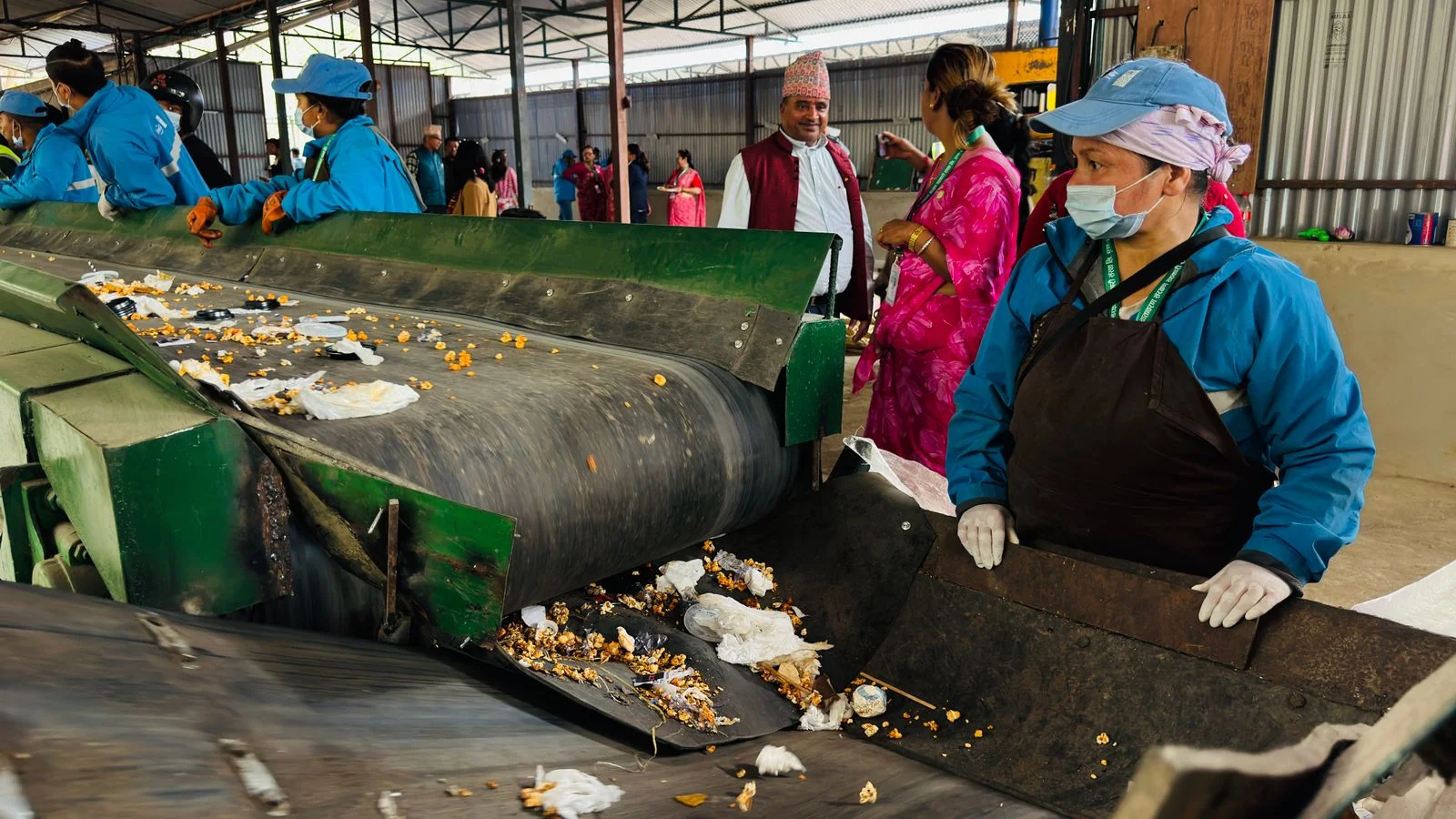
Why does a recycling facility with a sorting line worth millions of dollars leave the single cheapest fix for contamination on the table? The fix is teaching. Every plastic bag tangled in a screen, every greasy pizza box in a paper bale, every propane cylinder that shuts the line down for an hour, is a customer who did not know. Nobody told them, or somebody told them once in a mailer three years ago, and the facility eats the cost. Content marketing for recycling companies is the practice of telling them, in the place they look, at the moment they are deciding whether the container goes in the blue bin.
That framing changes what the content is for. Most recycling companies think of marketing as winning municipal contracts and commercial accounts, and it does that. But the content that wins those contracts is the same content that cleans the inbound stream, because the municipality wants a partner who reduces its contamination rate and the commercial buyer wants a processor who explains the market. Teaching is the product, and content marketing for recycling companies is how it ships. Here is how to build it.
Contamination is a content problem
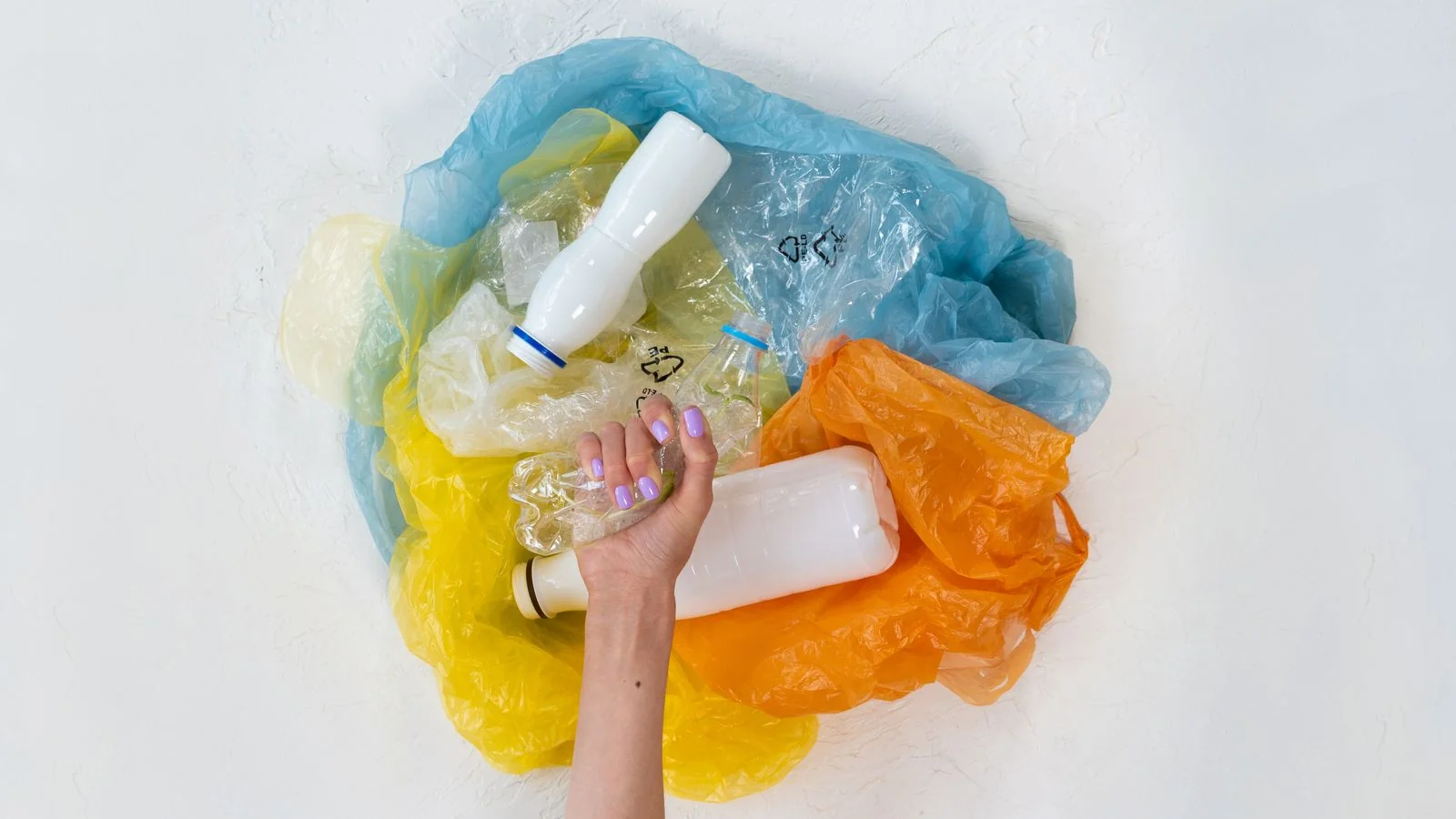
Industry estimates of contamination in single-stream residential recycling have run in the range of a fifth to a quarter of inbound material for years, and every point of it costs the facility in labor, in downtime, in rejected loads, and in the price the bale fetches. The material rejected at the curb or pulled off the line is only part of it. The bigger cost is the bale that grades lower because of what stayed in it.
Walk the source of contamination back and it is almost never malice. It is a resident who thinks plastic bags recycle because the bag has a chasing-arrows symbol. It is a business that puts food-soiled cardboard in the recycling because nobody explained the difference. It is a household that “wishcycles” a plastic toy because throwing it away feels wrong. Each of those is a question that was never answered, and a question that was never answered is a content gap.
The facilities that have made progress on contamination did it with communication, not with better optical sorters, though the sorters help. Clear, repeated, local, specific information about what goes in the bin, delivered on the channels residents already use, and reinforced by the municipality that owns the customer relationship. That is content marketing, whether the facility calls it that or not.
What National Sword changed
In early 2018, China’s National Sword policy took effect and the country that had been buying a large share of the world’s recovered paper and plastic stopped accepting mixed and contaminated loads, setting a contamination limit of half a percent that almost no facility in the United States could meet. Bale prices for mixed paper and mixed plastics collapsed. Some municipalities suspended recycling programs. Facilities that had been shipping contaminated bales overseas for years suddenly had to produce clean ones or landfill the material.
The lesson the industry took from National Sword was operational: invest in sorting, find domestic end markets, renegotiate municipal contracts to share commodity risk. The lesson that got less attention was about communication. The facilities that came through the shock best were the ones whose municipal partners had residents who knew what to put in the bin, because a cleaner inbound stream was the only thing that made the new contamination limits reachable. Teaching the customer went from a nice-to-have to the difference between a bale that sold and a bale that went to the landfill.
Seven years on, the market has partly recovered and the lesson still stands. Quality is the product, quality starts at the bin, and the bin is controlled by someone who has never seen the inside of a facility.
The Contamination Curriculum

Here is the framework. The Contamination Curriculum is a structured set of content, organized by the material that causes the most cost on the line, delivered in the order of damage rather than the order of alphabet. Every recycling facility has a list of the items that hurt it most. Plastic film that wraps the screens. Tanglers such as hoses and cords. Propane and lithium batteries that start fires. Food-soiled paper that ruins the bale. Glass in facilities not equipped for it. Bulky rigid plastics that jam equipment.
Take that list, in the facility’s own order of cost, and build one piece of content per item. Each piece answers three questions in plain language: what the item is, why it cannot go in the bin here, and what to do with it instead. Each includes a photo from the facility’s own line of the damage that item does, because a photo of a screen wrapped in plastic bags explains the problem better than any paragraph.
Then publish the curriculum in the places the customer looks: the facility’s site as a searchable guide, the municipal partner’s site by permission, the local Facebook groups and Nextdoor, and a printable one-page version the municipality can put in a mailer or a bin tag. Repeat the top three items every quarter, because the audience turns over as people move.
The curriculum is ownable. A facility that publishes it becomes the source for the region’s recycling questions, and the municipalities it serves start pointing residents to it instead of writing their own. That is a partnership asset the next contract renewal will value.
Answer the “can I recycle this” question first
The single most-searched recycling question in any market is some version of “can I recycle [item] in [city],” and the answer today comes from the city’s page, a national nonprofit’s generic guide, or an AI assistant summarizing both. The facility that actually processes the material, and knows what its line can and cannot handle, is not in the answer.
Build a searchable guide with an entry per item, specific to the facility’s capabilities, with the local rules. Not “check with your local program,” which is what every national guide says. The local answer, from the local processor. Pizza boxes, yes if clean, no if greasy, and here is the photo. Plastic clamshells, yes in this facility, no in the neighboring county’s. Aerosol cans, empty only. The specificity is what ranks and what gets cited.
AI assistants have made this more important. Ask ChatGPT whether a plastic clamshell recycles in a specific city and it will answer from whatever sources it can find for that city. If the facility’s guide is the most specific local source, the facility gets cited, and the resident gets the right answer. If the only source is a generic national guide, the answer is generic and often wrong for the facility, and the contamination arrives on the line anyway. Run a handful of local recycling questions through the AI Citation Checker on this site to see who is being cited for your market today.
Commodity price content for commercial buyers
Commercial recycling customers, from distribution centers to grocery chains to manufacturers, care about one thing residents do not: what the material is worth. Old corrugated cardboard, sorted office paper, PET, HDPE, aluminum. Prices move monthly, and most commercial customers have no idea where their rebate or their fee comes from.
A monthly commodity update, published by the facility, with the regional price for the top five grades and two sentences on why each moved, is content no competitor in the region publishes. It gets read by every commercial customer’s sustainability manager and facilities director, it gets forwarded, and it makes the facility the market authority when a contract comes up. Add a short explainer on how contamination changes the grade and the price, with a photo, and the commercial customer starts caring about their own bin quality.
This content also draws the trade press. Reporters covering recycling markets want regional price commentary from operators, and the facility that publishes it monthly becomes the one they quote.
Facility tours as content
Nothing changes a resident’s recycling behavior like seeing the sorting line. Facilities that host school groups and community tours know this. The content version is a filmed tour, cut into short segments, each one tied to a curriculum item. The plastic bag segment shows the screen being cleared. The battery segment shows the fire suppression system, or the scorch marks. The paper segment shows a bale being graded.
Post the segments on the facility’s site and social channels and offer them to municipal partners for their own outreach. A city’s solid waste department will use a good video from its processor gladly, because producing one is beyond its budget. Every time a municipality shares the facility’s content, the facility’s authority in the market grows, and the inbound stream gets a little cleaner.
Municipal partners need shareable material
The municipality owns the residential relationship and usually has one communications person covering every department. They are not going to produce a recycling education campaign. They will share one that exists, and they will remember at renewal time which processor made their job easier.
Package the Contamination Curriculum for them: a one-page bin guide with the city’s logo space, social posts they can copy, the video segments, and a quarterly update on the city’s contamination rate with a plain-language explanation. Offer to present at a council meeting once a year on how the program is performing. That presentation is content too, and it is heard by the people who decide the next contract.
AI assistants and the recycling question
Residents have started asking AI assistants their recycling questions because the assistant gives one answer instead of a page of results. The answer is synthesized from what the assistant can find and verify, which means the recycling company that has published specific, local, dated content gets cited, and the one that has not gets left out while the assistant quotes a national guide.
This is why content marketing for recycling companies now includes structure as well as substance. The searchable guide should have one clear question and one direct answer per item. The curriculum pages should name the facility, the region, and the date. The commodity update should be a page, not a PDF. Consistent naming across the facility’s site, the municipal partners’ sites, and any directory listings tells the assistant it is one organization. Those are small technical choices and they decide whether the facility is the source or the footnote.
A 12-week content plan
Weeks one and two: pull the facility’s contamination cost list and write the top three curriculum items, with photos from the line. Weeks three and four: build the searchable guide with fifty of the most-asked items, specific to the facility. Weeks five and six: publish the first monthly commodity update and send it to every commercial account. Weeks seven and eight: film the tour, cut it into the curriculum segments, and post them. Weeks nine and ten: package the municipal kit and send it to every partner city with an offer to present. Weeks eleven and twelve: run the AI and search checks, note which questions the facility now answers, and schedule the next three curriculum items.
National Sword forced the industry to learn that a bale is only as clean as the bin it came from. The facilities that took the second half of that lesson, that the bin is controlled by a person who needs to be taught, are the ones whose municipal partners renew, whose commercial customers read the monthly update, and whose name comes back when a resident asks an assistant whether the clamshell goes in the blue bin.