
Charities chase press coverage harder than almost any kind of organization, and most of them go about it in the one way guaranteed to fail. They pitch their mission. They send reporters a heartfelt summary of the good work they do, the lives they touch, the importance of their cause, and they cannot understand why the coverage never comes. Here is the counterintuitive truth that explains the silence: a mission is not a story, and reporters do not run missions. They run stories, and the difference between the two is the entire reason your charity press coverage has been so hard to come by.
A mission is a permanent state of being. “We help homeless veterans” is true every day of the year, which is exactly why it is not news. News is something that happened, to someone, recently, with a beginning and a tension and an outcome. The charities that earn real press coverage have learned to stop pitching what they are and start pitching what is happening. There are five reliable angles that turn the same charity into a story a newsroom will actually run, and once you see them, you stop sending missions and start sending news.
Angle one: the person, not the program
The fastest path to charity press coverage runs through a single human being, not your organization. Reporters think in people, because readers feel for people and feel nothing for programs. A pitch that says “our literacy program served four hundred adults last year” gives a reporter nothing to work with. A pitch that says “a fifty-two-year-old who could not read a bedtime story to his granddaughter now reads to her every night, and here is how it happened” gives them a story with a face.

The work is to find the one person whose specific story embodies what your charity does, and to make sure they are willing to be featured. The charity becomes the context, the quiet force behind the transformation, rather than the subject of the piece. This feels backwards to organizations that want the spotlight on themselves, but it is precisely the indirection that works. A reader who is moved by the veteran learning to read walks away thinking warmly about the charity that made it possible, far more than they would have from any pitch about the charity directly. Lead with the person and the organization gets carried along for free.
Angle two: the surprising number
Reporters love a number that makes a reader stop, and charities are sitting on numbers they never think to pitch. Not the self-congratulatory ones, the donations raised or meals served, which read as marketing. The revealing ones, the statistics that expose something about the problem the charity exists to solve, the ones that reframe how a reader understands an issue.
If your work has put you in contact with a reality the public underestimates, you may be holding a number that is genuinely newsworthy. The percentage of a local population facing a problem no one realized was that widespread. A trend you have watched worsen from the front lines. A gap between what people assume and what is actually true. A charity that can say “we have measured this, and the reality is worse than anyone thinks, here is the figure” hands a reporter a story with built-in weight. The number is the news, your charity is the credible source behind it, and being the source of a striking statistic is one of the most durable forms of charity press coverage there is.
Angle three: the local hook
National causes are crowded and hard to break into, but local newsrooms are perpetually hungry for stories tied to their own community, and this is where small charities have a structural advantage. A reporter covering a specific area needs local stories the way a furnace needs fuel, and a charity rooted in that community can supply them. The angle is not your cause in the abstract, it is your cause as it lives in this town, with these people, right now.
The move is to connect your work to something the local newsroom already cares about: a local event, a local problem in the news, a local milestone, a local person. The more specific the geographic and human tie, the more a community reporter can justify the story to their editor. National charities sometimes miss this entirely, pitching the same generic story everywhere, while the small local charity that says “here is what is happening in your readers’ own neighborhood” gets the call back. Local relevance is a hook that big organizations struggle to match and small ones can own. Use the advantage.
Angle four: the timely tie-in
A charity story with no reason to run now will run never, because “someday” is where pitches without urgency go to die. The fix is to attach your story to a moment already on the reporter’s calendar. A seasonal occasion when your cause is on people’s minds, an awareness period that gives the topic a natural news window, a current event your work connects to, a development in your field that makes your perspective suddenly relevant.
The timely tie-in answers the reporter’s silent question, why this story today, which a permanent mission can never answer. When something in the news touches your cause, that is the moment to pitch, because the reporter is already thinking about the topic and needs voices and stories to fill out their coverage. A charity that watches the news for these openings and moves fast when one appears will earn coverage that a charity pitching its timeless mission never sees. Relevance to the present is what converts an editor’s mild interest into an assignment, and the present is always moving, so the charities that win are the ones paying attention to when their moment arrives.
Angle five: the conflict or the turnaround
The last angle is the one charities resist most, because it requires admitting that something was hard. Reporters are drawn to tension, to stories with a real obstacle and a struggle, not to frictionless tales of pure good. A charity that only ever pitches sunny success leaves out the very thing that makes a story compelling, which is the difficulty that had to be overcome.
The angle is the turnaround: the situation that looked hopeless and changed, the obstacle that nearly stopped the work and was beaten, the problem that got worse before your charity helped it get better. These stories have the narrative shape reporters need, a low point and a climb, and they ring true in a way that polished success stories do not. Sharing the hard part takes a kind of courage, because organizations are trained to project competence and good news. But the willingness to show the struggle is exactly what makes the eventual win believable and worth covering. A charity that can tell an honest story with real tension and a genuine turnaround gives a reporter something with a pulse, and stories with a pulse are the ones that earn charity press coverage while the sunny mission statements pile up unread.
How to reach the reporter who will actually run it
A perfect story angle still dies if it lands in the wrong inbox, and charities waste enormous effort sending strong pitches to general newsroom addresses that no specific reporter owns. The fix is to find the individual journalist whose beat your story fits and pitch that person directly. Read recent coverage in the outlets you are targeting, notice who writes the stories closest to yours, and send to them by name, with a sentence showing you know what they cover. A targeted pitch to the right reporter outperforms a mass email to a faceless address by a wide margin, because the right reporter has a reason to care and the bandwidth to act.
The pitch itself should respect how reporters actually work. They are on deadlines, they get far more pitches than they can use, and they decide fast. So lead with the story, not with your charity’s history. Open with the human, the number, or the timely hook that makes the piece worth covering, then give them the essential facts and an easy way to reach you. Offer the access they would need to write it, the person willing to be interviewed, the data you can share, the photos that exist, so the reporter can see the finished story is reachable without a struggle. A pitch that hands a reporter a nearly assembled story is far more likely to become a published one.
Then play the long game. The first pitch may not land, and that is normal, but a charity that becomes a reliable source of good local stories earns something more valuable than a single placement: a relationship with a reporter who starts coming to them. Respond fast when a journalist reaches out, deliver what you promise, and make their job easier every time, and you move from a charity that begs for coverage to one a newsroom thinks of first when a relevant story breaks. That standing is worth more than any one article, because it turns press from a thing you chase into a thing that comes to you.
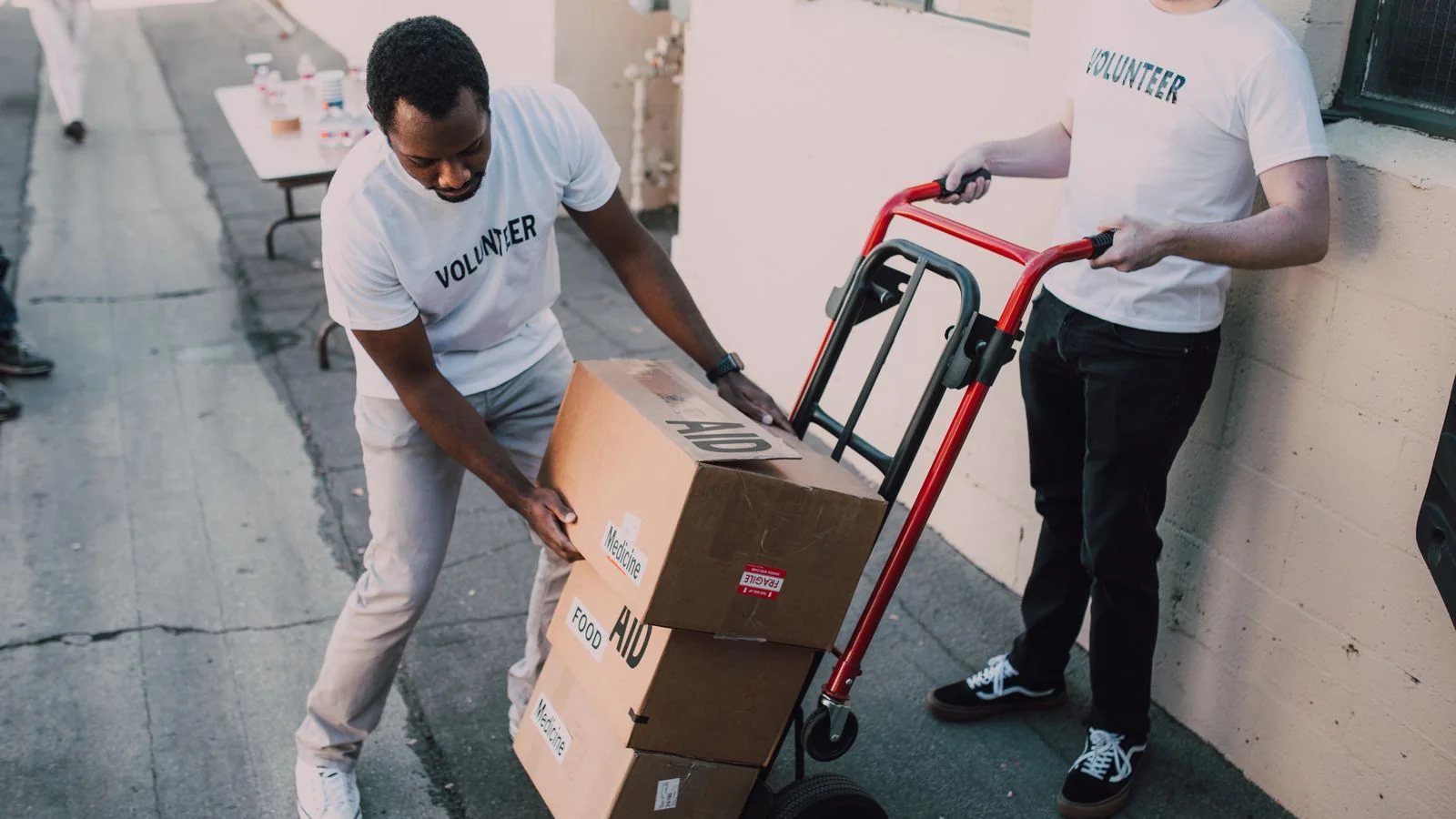
One advantage charities overlook is that their stories are often deeply visual, and reporters need images as much as words. A charity that can offer a journalist real, usable photographs, the volunteer in action, the person whose life changed, the place where the work happens, hands them something a thin pitch cannot. Editors increasingly decide whether to run a story partly on whether they have a compelling image to run with it, and a charity sitting on strong visual material has an edge it rarely thinks to mention. The same is true for video, audio, and access. The more raw material of a vivid story you can hand a reporter, the easier their job becomes, and the easier the job, the likelier the coverage. So when you find your angle, gather the assets that bring it to life before you pitch, and offer them up front. A reporter weighing two equally good stories will run the one that arrives with the photograph already in hand.
Stop pitching what your charity is and start pitching what is happening inside it, through one of these five shapes, and the silence breaks. The good work was never the problem. The framing was. Find the person, the number, the local hook, the timely moment, or the turnaround, and hand the reporter a story instead of a mission. They have been waiting for one this whole time.