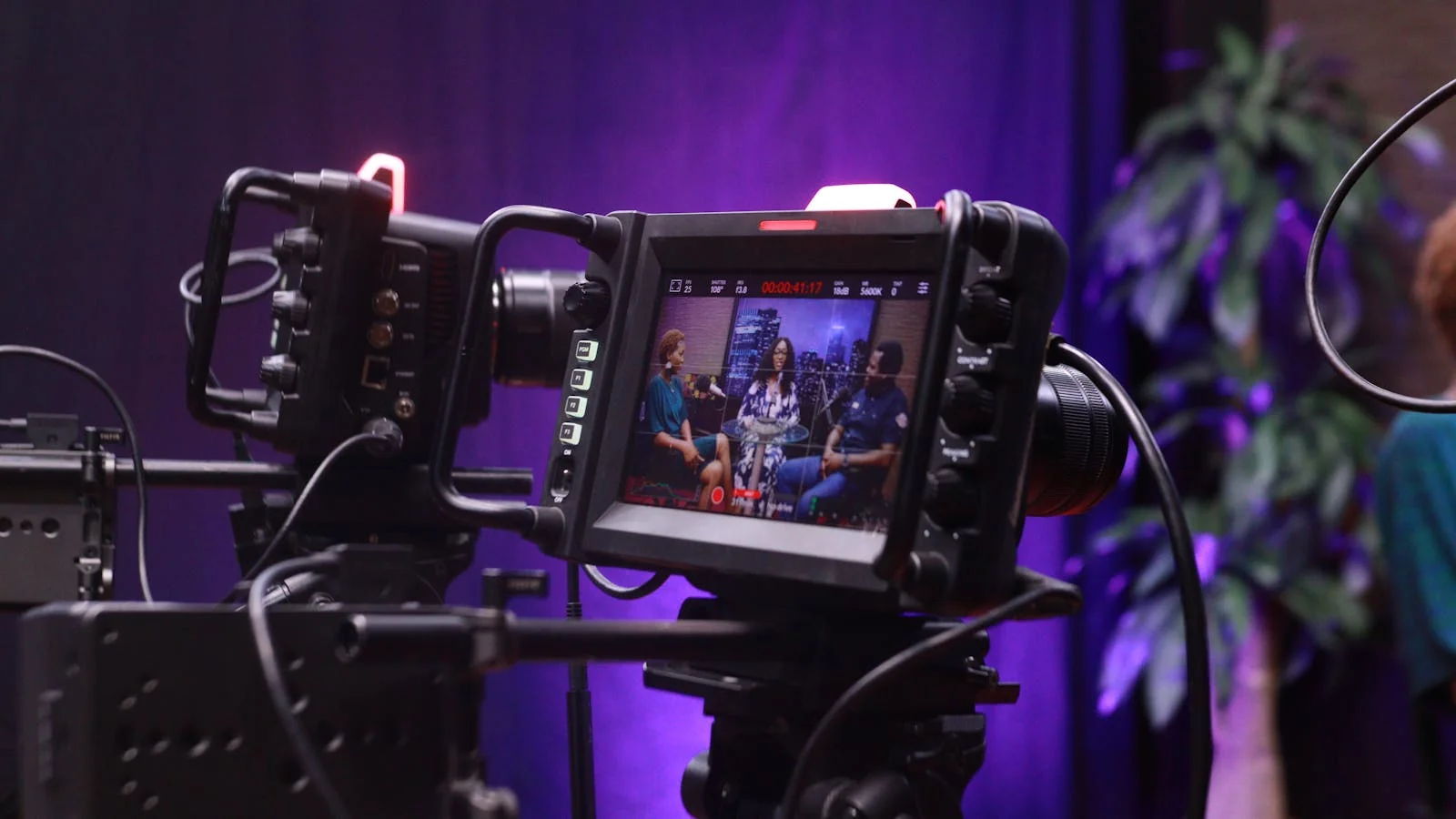
“It takes 20 years to build a reputation and five minutes to ruin it.” The line is Warren Buffett’s, and founders should tape it to the wall before any interview, because an on-camera interview is one of the few five-minute windows where the second half of that sentence can come true. A founder who has spent years building a company can hand a reporter, a podcast host, or a panel moderator a single clip that defines the company for everyone who sees it, and the internet does not delete clips.
That is the case for media training for founders, and it is not about polish or charisma. It is about risk. A founder is usually the company’s most knowledgeable spokesperson and, untrained, its most dangerous one, because founders are emotionally invested, used to talking at length, and unaccustomed to questions designed to find a weakness. This piece gives you a working model and nine concrete on-camera rules. It will not make you a television personality. It will keep you from being the clip.
Why founders are the riskiest people on camera
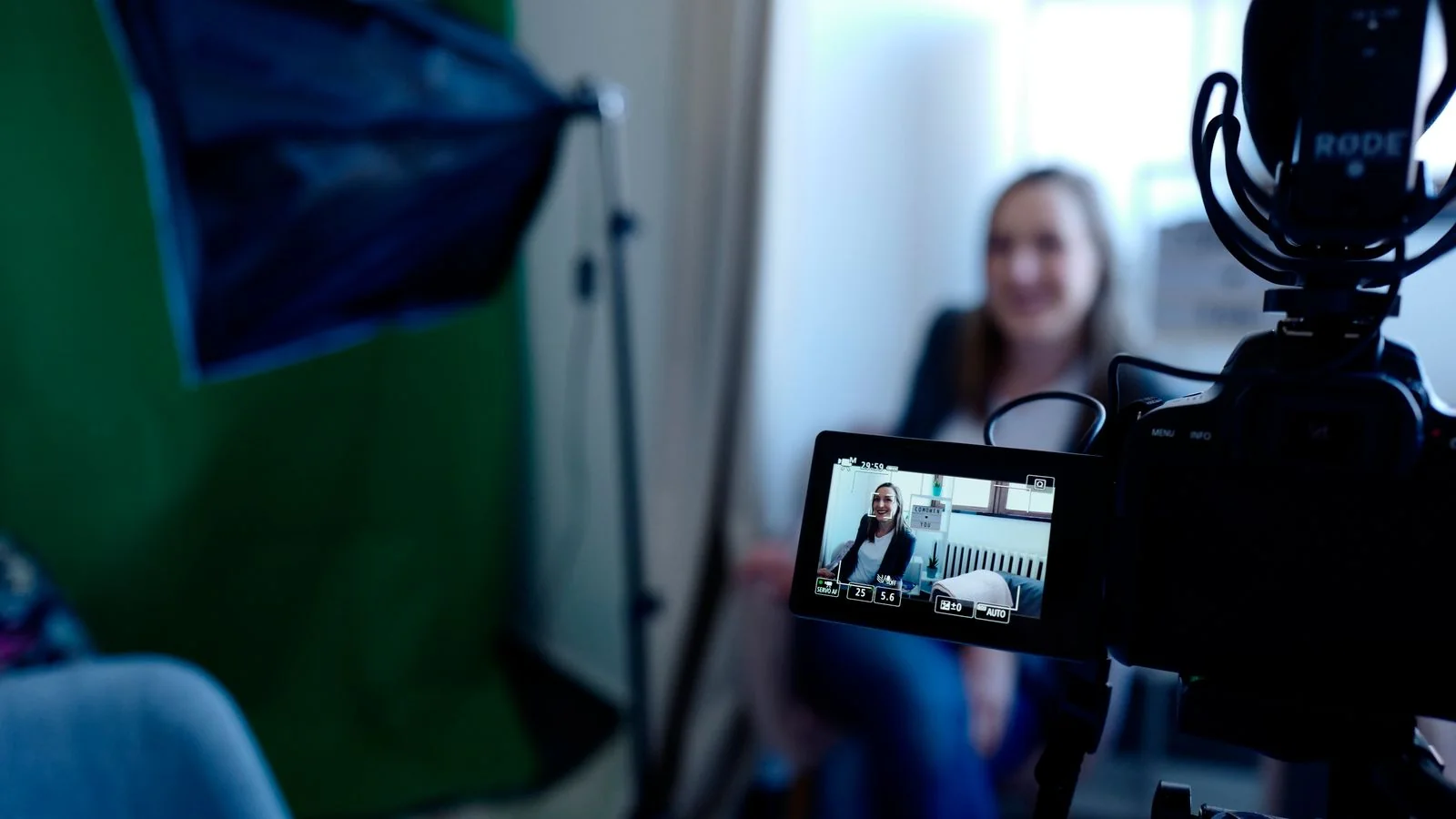
It is worth being specific about why founders, of all people, create on-camera problems, because the reasons point straight at the fixes.
The first reason is emotional investment. A founder built the thing. When a question implies the company is flawed, slow, or wrong, the founder feels it personally and reacts personally, with defensiveness or irritation. A trained spokesperson treats a hard question as routine. An untrained founder treats it as an attack, and the reaction is what gets clipped.
The second reason is the length habit. Founders are used to explaining their vision at length to investors, recruits, and customers who chose to listen. An interview is not that audience. A two-minute answer to a one-sentence question buries the point, hands an editor a dozen ways to cut you, and signals you are not in control of the conversation.
The third reason is novelty. Many founders do their first real interviews with no preparation at all, treating a podcast or a local news segment as a casual chat. It is not casual. It is recorded, public, and permanent. The combination of high investment, the length habit, and zero rehearsal is why the unprepared founder is the riskiest person the company can put on camera, and why media training for founders earns its place.
There is a fourth reason worth naming, because founders rarely see it in themselves: overconfidence in their own fluency. A founder is, by definition, someone who can talk persuasively about their company. They have pitched investors, recruits, and customers, and won. That track record convinces many founders they do not need media training, because they are already good at talking about the business. But an investor pitch and a press interview are different events with different rules. The investor wants to be sold. The journalist wants a story, and sometimes a flaw. Fluency built in friendly rooms does not transfer cleanly to adversarial ones, and the founders most at risk are often the ones most certain they are not.
The message triangle: decide before you sit down
The single most useful tool in media training for founders is a planning model I call the message triangle. Before any interview, you decide on exactly three core messages you intend to deliver, no matter what you are asked. Three points. Not ten. Not one. Three.
Three is the right number for a reason. One message is fragile: if the conversation never gives it an opening, you leave with nothing. Ten is unusable: you cannot hold ten points in your head under pressure, and an audience cannot retain them. Three is enough to be resilient and few enough to be memorable. Your three messages are the things you want a viewer to remember if they remember nothing else: what your company does and for whom, the one proof point that makes you credible, and the single idea you most want associated with your brand.
The message triangle changes the entire posture of the interview. Without it, you are reactive, answering whatever comes and hoping it adds up to something. With it, you are running an agenda. Every question becomes an opportunity to answer honestly and then steer toward one of your three points. The reporter controls the questions. The message triangle is how you control what you contribute. Build it before every interview, and the nine rules below become the technique for executing it.
A useful discipline when building the message triangle is to write each of the three messages as a sentence you would be content to see printed as a direct quote. If a message only works as a vague intention in your head, it is not ready. The message triangle is not a list of topics you hope to touch. It is three specific, quotable sentences you have decided to say, in some form, before you walk in. When the messages are that concrete, staying on them under pressure becomes far easier, because you are not composing in the moment, you are returning to lines you already wrote. Founders who skip this and walk in with only loose themes find themselves, under a sharp question, improvising the very sentences that should have been settled in advance.
Rules 1 to 3: control what you can control

Rule one: answer short, then stop. Treat two or three tight sentences as your default answer length. Make your point, support it, stop talking. Silence after a crisp answer is the interviewer’s problem to fill, not yours. The instinct to keep talking until the interviewer visibly approves is the instinct that produces unusable, over-long, self-incriminating footage. Make the point and stop.
Rule two: lead with the headline. State your conclusion first, then explain it, the reverse of how founders naturally talk. Founders build context and arrive at the point. On camera, an editor may only use your first sentence, so the point has to be the first sentence. “We grew because we solved one specific problem better than anyone,” then the detail. Not three sentences of background that get cut, stranding your point on the floor.
Rule three: know your three hardest questions cold. Before the interview, write down the three questions you least want to be asked, the ones about a weakness, a failure, a controversy, a gap. Then prepare honest, composed answers to all three and say them out loud. The hard question is not the danger. The hard question you have never said an answer to before, live, is the danger. Preparation converts an ambush into a routine exchange, and routine exchanges do not become bad clips.
Rules 4 to 6: handle the hard questions
Rule four: never repeat a hostile framing. Interviewers sometimes load a question with a damaging word or premise: “Why is your product failing,” “Given how overpriced this is.” If you answer “Our product is not failing because,” you have just said your product and failing in one sentence, and that sentence can be clipped. Answer the substance without echoing the loaded language. Reframe in your own words, then make your point. Never let the hostile framing come out of your mouth.
Rule five: redirect honestly, never evade visibly. When a question heads somewhere you cannot or should not go, acknowledge it, give what you genuinely can, and move to one of your three messages. “I can’t get into specific numbers, but what I can tell you is,” then a real point. This is honest redirection, and audiences accept it. What audiences punish is the visible dodge: the non-answer, the “no comment” used as a wall, the obvious squirm. Evasion that looks like evasion reads as guilt and becomes its own story.
Rule six: never lie, and never guess. If you do not know, say you do not know and offer to follow up. If you cannot discuss something, say so plainly. A founder caught in a false or invented statement on camera has created a permanent, sharable record of dishonesty, and that clip is far more damaging than any honest “I don’t have that number.” Your credibility is the asset. Protect it over the comfort of any single answer.
It helps to remember why these three rules cluster together. The hard questions are where interviews go wrong, and they go wrong in a specific way: the founder feels cornered and reaches for the fastest escape, repeating the hostile word, dodging in plain sight, or fudging a fact. Every one of those is a panic move, and panic moves become the clip. Rules four, five, and six are simply three pre-decided alternatives to panic. Decide in advance that you will reframe rather than echo, redirect rather than dodge, and admit rather than invent, and the cornered moment stops producing a damaging reflex, because you already chose the response.
Rules 7 to 9: delivery, and the clip that outlives the interview
Rule seven: manage your body and your face, because the camera shows both. Sit still, keep your hands calm, hold steady eye contact with the interviewer, and keep a neutral-to-warm expression while listening. A founder who fidgets, smirks at a hard question, or looks irritated has undercut their words before saying them, and the visual is what a muted, scrolling viewer takes away.
Rule eight: control your pace and your filler. Pressure speeds founders up and floods their speech with “um,” “like,” and “you know.” Slow down on purpose. A short, deliberate pause before answering reads as thoughtful, gives you a beat to find your message, and edits cleanly. Rushed, filler-heavy speech reads as nervous and uncertain regardless of what you are actually saying.
Rule nine: assume every sentence is the clip. This is the rule that contains the other eight. Do not picture a friendly twenty-minute conversation. Picture the fifteen-second excerpt that will travel without any of the context around it, the version a stranger sees with no idea what question prompted it. Every sentence you say should be one you would be content to see standing completely alone. A founder who internalizes rule nine self-corrects in real time, because they have stopped performing for the interviewer in the room and started speaking to the audience who will only ever see the fragment. That shift, from the conversation to the clip, is what media training for founders is ultimately teaching.
None of this means a founder should be guarded or robotic. The goal is not to drain the interview of personality. Audiences respond to founders who are warm, direct, and genuinely engaged, and a stiff, over-coached spokesperson is its own kind of bad clip. The nine rules are guardrails, not a script. Inside them there is room to be human, to tell a real story, to show actual conviction about the work. The trained founder is not the one who says less. It is the one who stays warm and natural while never handing the edit a sentence they would regret. That combination, relaxed and disciplined at once, is what practice produces.
Walk in with your message triangle, run the nine rules, and the five-minute window stays an opportunity instead of becoming the thing that follows your company around.