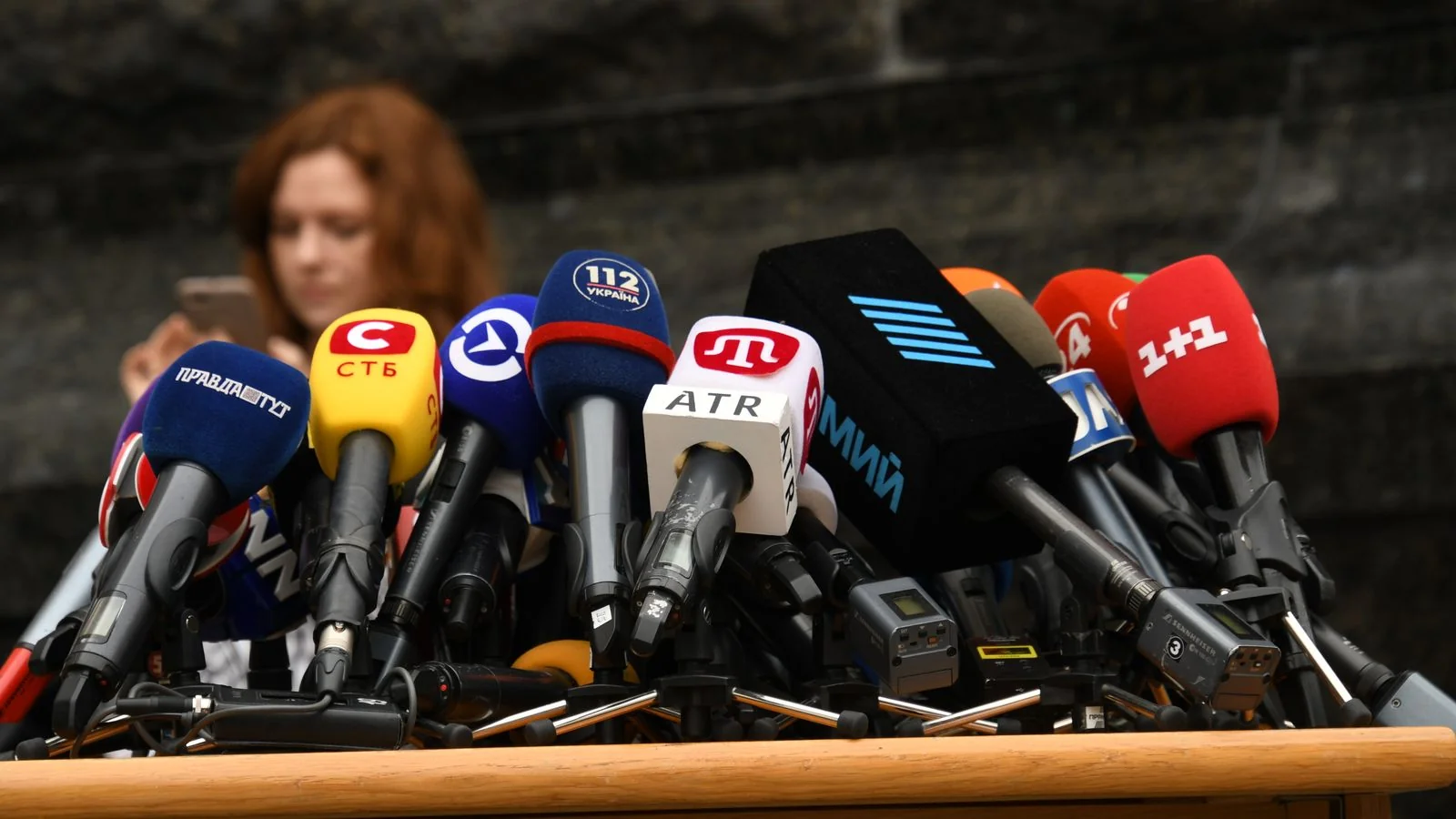
“Tell me where to point the camera and when, or I’m not sending a crew.” An assignment editor at a local ABC affiliate said that to me once, and it is the cleanest definition of a media alert I have ever heard. Not a story. Not a pitch. A logistics document that tells a newsroom exactly what will happen, where, and when, so a producer can decide whether to spend a crew on it. Learning how to write a media alert starts with accepting that the reader is a dispatcher, not a storyteller.
This is where most people go wrong. They confuse a media alert with a press release and produce a hybrid that fails at both jobs. A press release tells a complete story for a reporter to draw from. A media alert announces a live, coverable event and gives the logistics to attend it. Send a narrative-heavy release when a producer wanted a time and an address, and your event goes uncovered because you buried the one thing they needed under the one thing they did not.
What a media alert is actually for

A media alert exists to get a journalist, photographer, or camera crew to show up to something happening at a specific time and place. A ribbon cutting, a press conference, a protest, a product demo, a charity event, a public appearance. The value it offers is visual and live: something a reporter can witness, film, and quote in real time. If your news is not a live, attendable event, you do not need a media alert, you need a press release, and mixing them signals to editors that you do not know the difference.
That is the frame to hold while writing. Every choice serves one goal, helping a busy assignment desk decide, in under thirty seconds, whether to allocate coverage. The alert is scannable, factual, and stripped of persuasion, because a producer deciding whether to send a crew is doing math about resources, not being sold a story. Respect that decision and you write an alert that works.
The media alert 6-box
I teach a format I call the 6-box, because a strong media alert answers six questions in six clean blocks a producer can scan without reading prose. Miss one box and you create a phone call you do not want, or worse, a pass. Nail all six and you have made the editor’s decision easy, which is the entire job.
The first box is WHAT. One line naming the event and why it is coverable. “Ribbon cutting for the city’s first solar-powered community center.” No adjectives, just the event and its hook.
The second box is WHO. The people a journalist can film and quote. Named speakers, notable attendees, officials, the founder. Titles matter here because a producer weighs whether the faces are worth the trip. “Mayor Chen, Senator Ruiz, and 200 residents” is a stronger draw than “community leaders.”
The third box is WHEN. Date and exact start time, plus the window during which coverable moments happen. If the ribbon gets cut at 10:15 and the mayor speaks at 10:30, say so, because a crew needs to time its arrival to the shot, not the doors.
The fourth box is WHERE. Full address plus the specifics that matter to a crew: parking, entrance, where media should set up, whether there is a designated press area. A producer who cannot tell where to park is a producer who does not come.
The fifth box is WHY IT MATTERS, in one or two lines. This is the only place persuasion belongs, and it stays tight. The local, timely, or visual reason this event earns coverage today. “The center is the first of its kind in the state and opens during the city’s climate week.”
The sixth box is CONTACT. A name, a cell phone, and an email of someone who will actually answer on the day. Not a general inbox. A human a producer can reach at 9 a.m. to confirm details or arrange access. A media alert without a reachable same-day contact is a document that generates no coverage.
Format so a producer can scan it
Put the words MEDIA ALERT at the top so it is not mistaken for a release. Use labeled lines, WHAT, WHO, WHEN, WHERE, WHY, CONTACT, so the eye can jump to any box. Keep the whole thing to a single page, ideally half a page. Lead the subject line with the event and the date, because that is what a producer sorts by. The goal is a document a dispatcher can process in the time it takes to read a text message, because that is all the attention it will get.
Resist every instinct to add narrative. No company background paragraph, no mission statement, no quotes to be delivered later. Those belong in a press release you can attach or offer, not in the alert itself. Learning how to write a media alert is largely learning what to leave out, and the discipline of the 6-box is that it forces omission.
The visual promise that gets a crew dispatched

Television assignment desks make one calculation above all others: is there a shot here. A media alert that promises a real visual gets a crew, and one that promises talking heads in a beige room does not, no matter how important the news. So when you learn how to write a media alert, learn to name the shot. Do not write “a discussion of community priorities.” Write “the mayor cutting the ribbon on a rooftop covered in solar panels at 10:15, with 200 residents and a marching band.” One of those sentences puts a camera in a van. The other puts your alert in the trash.
Build the visual into the event itself if it is not already there. The strongest alerts describe moments that were designed to be filmed: a demonstration, a reveal, a physical action, a crowd, a backdrop that reads on camera. If your event is genuinely just people talking, create a coverable moment inside it, a check handed over, a device switched on, a before-and-after unveiled, and put that moment at a stated time so a crew can arrive for exactly that. Producers schedule around the shot, so the more precisely you name it, the easier you make their yes.
Photographers and print reporters weigh the same thing in their own way. A newspaper photo editor wants an image that will run, and a reporter wants a scene they can describe. So the visual promise in your alert serves every kind of outlet at once, which is why it belongs high in the WHY IT MATTERS box, not buried. When you name a real, timed, filmable moment, you are not decorating the alert, you are answering the exact question every assignment desk asks before committing a person and a vehicle to your event.
There is a discipline to this that protects your credibility. Promise only shots you can deliver, and deliver the ones you promise, because a crew that shows up for a ribbon cutting you described and finds a folding table and a press release will not come back for your next event. The visual promise is a contract with the newsroom. Honor it, and the desks learn that your alerts mean a real shot, which is the reputation that gets your future events covered before the competition’s.
When to send it, and to whom
Timing is its own skill. Send the alert three to five days before the event to daybooks and assignment desks so it lands in planning meetings, then send a short reminder the afternoon before and again the morning of. Assignment desks build their day the night before and the morning of, so the reminder is not nagging, it is how you make the day’s budget. Target the specific desks that cover your event type, city desk, business desk, the daybook services, rather than blasting every contact you own.
One anonymized example: a nonprofit client of ours kept getting no crews for genuinely visual events because their alerts read like press releases, three paragraphs of mission before the logistics. We rewrote to the 6-box, moved the address and the exact ribbon-cutting time to the top, added a cell number for the executive director, and sent a morning-of reminder. The next event drew two TV crews and a newspaper photographer. Same event quality, same outlets, different document. The logistics were always there. They had just been buried where no producer would dig for them.
Before your next event, write the alert as six labeled boxes and hand it to someone who has never heard of your organization. If they can tell you where to be and when in ten seconds, you have written it right. If they cannot, cut until they can.