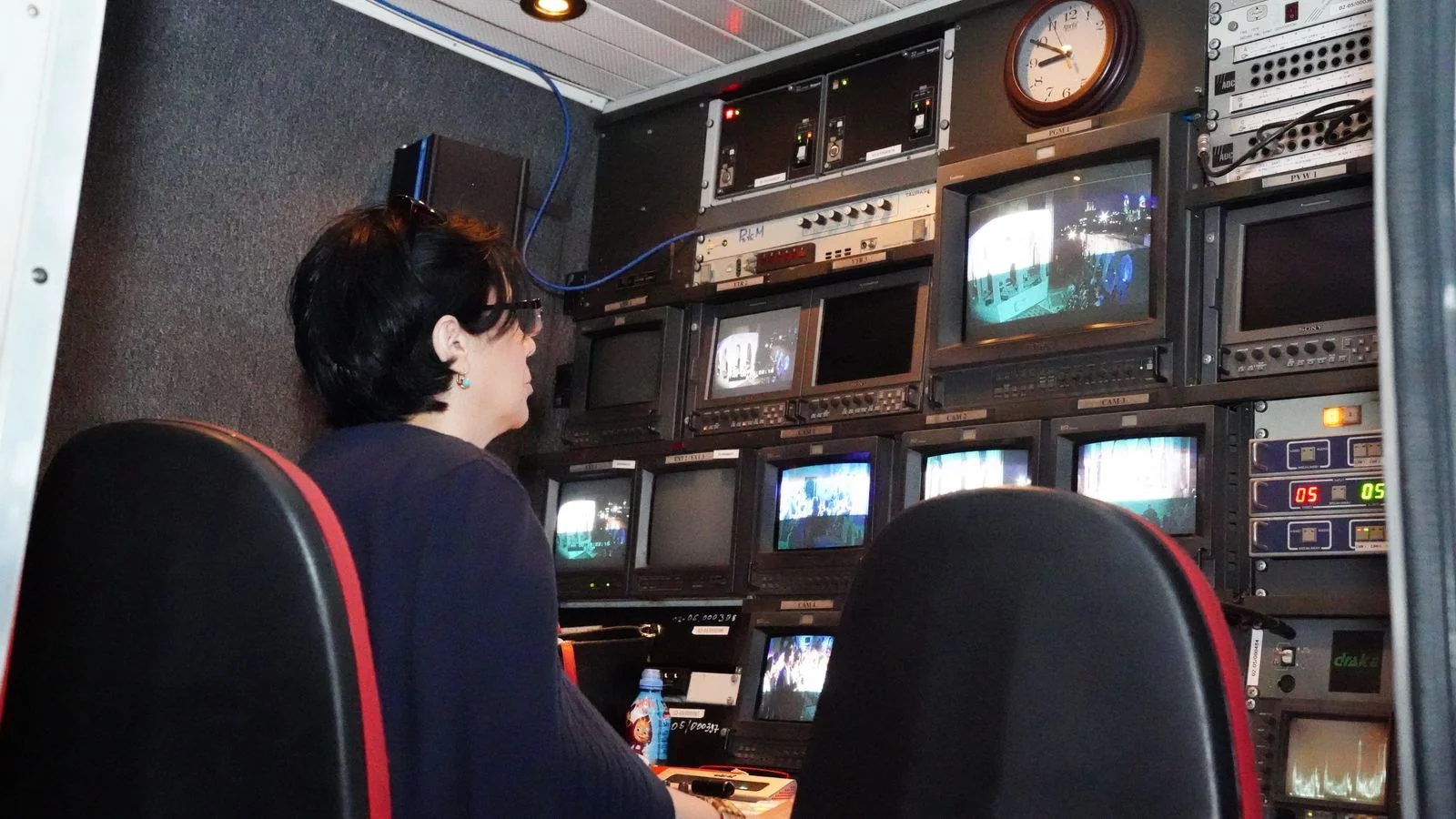
The fastest way onto NBC News is to already be the person a producer calls when a story breaks. Everything else in this guide works backward from that single fact.
Producers do not sit around reading unsolicited pitches hoping to discover a founder with a passion for their industry. They work under deadlines that can be measured in hours. When a story lands, they need a credentialed voice who can be on camera or on the phone before the segment airs. If you want to get featured on NBC News, your entire job is to become that reachable, quotable, credible voice before the story breaks, not after. This piece walks through the five paths that actually put people on NBC air, why cold pitching almost never works on its own, and what to build so producers find you first.
Why cold pitching NBC almost never works alone
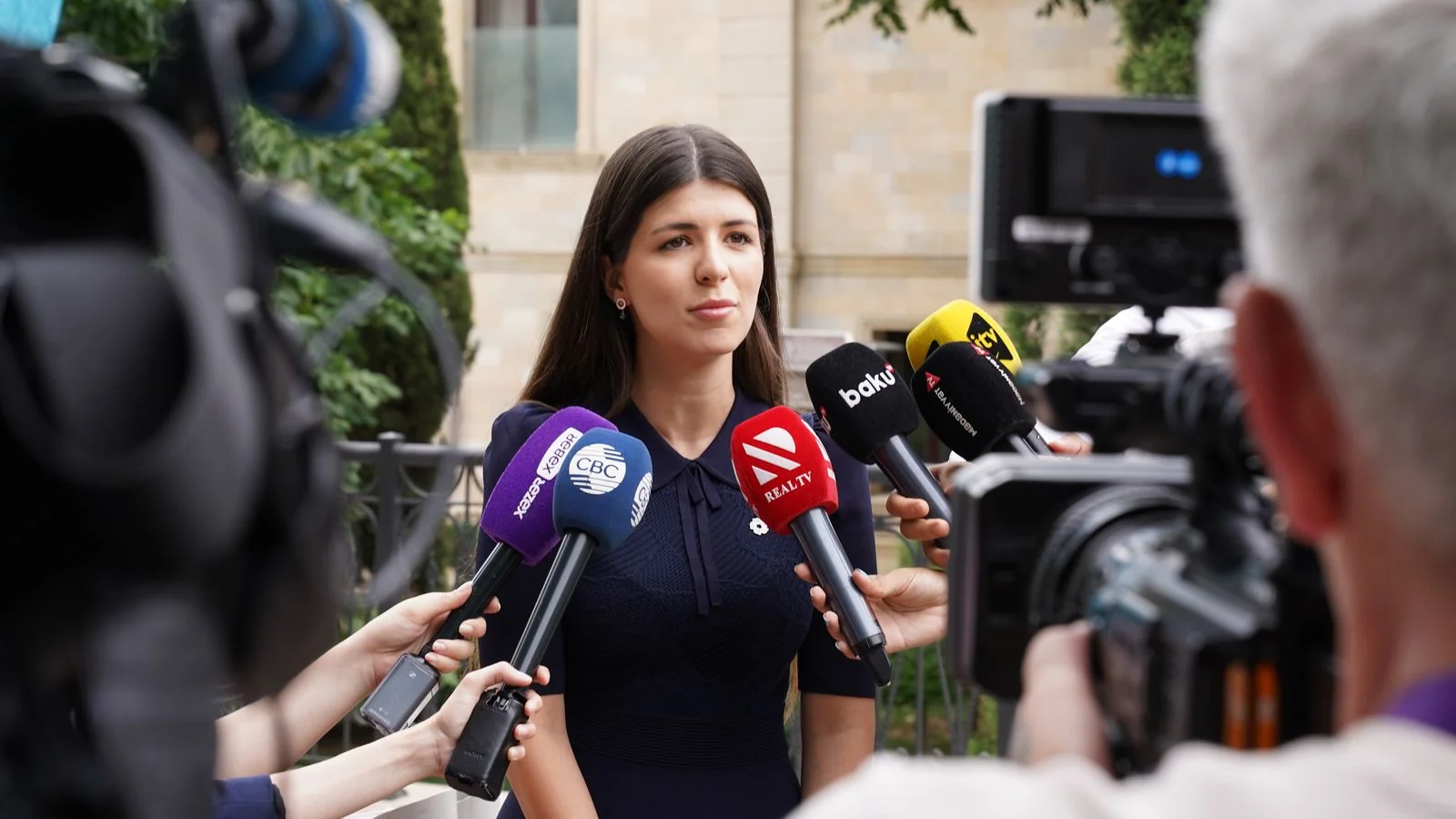
Send a cold email to a national NBC producer and it enters an inbox that already holds several hundred pitches. Most get deleted in the time it takes to read a subject line. This is not because producers are rude. It is because the math is brutal. A single TODAY segment might have one guest slot, and forty publicists want it.
The pitches that survive share a trait: they arrive attached to a moving news story. A producer chasing a segment on a new FTC ruling does not want a generic small business expert. They want the accountant who already published a plain-English breakdown of that exact ruling three hours ago. Relevance plus speed beats prestige almost every time at the booking stage.
So the cold pitch is not useless. It is just insufficient by itself. It works when it lands in the ninety-minute window where a producer is actively hunting for your exact expertise. The rest of the time it needs support from the other four paths below. Think of cold outreach as the last mile, not the whole road.
The HARO and query-service path
Producers at NBC and its affiliates use query services to source expert voices fast. These are platforms where a journalist posts “I need a cybersecurity expert to comment on the airline outage by 4pm” and vetted sources respond. The modern versions have changed names and owners over the years, but the mechanic is identical to the original Help A Reporter Out model.
This path rewards two things: speed and specificity. A response that arrives in twenty minutes with a tight, on-record quote and a one-line credential beats a beautifully written reply that shows up the next morning. The producer has already booked someone by then.
I coined a rule for clients working these services that I call the two-hour trust window. When a reporter posts a query, you have roughly two hours before the story is functionally cast. Everything you send inside that window has a real shot. Everything after it is a long shot. Build your day so that a relevant query can be answered inside two hours, and your hit rate on these services climbs dramatically compared to sources who check once a day.
The catch: you have to actually be an expert with a track record the producer can verify in one click. A LinkedIn profile that confirms your title, a website that shows your work, and a couple of prior media mentions turn a cold responder into a bookable source.
The local NBC affiliate path
Most people aiming for NBC picture 30 Rockefeller Plaza and national broadcasts. The smarter entry point is your local NBC affiliate. There are more than 200 NBC-affiliated stations across the country, each producing hours of local news every single day, and each starving for good local guests.
A morning show in a mid-sized market needs experts constantly. A dietitian to talk about a food recall, a financial planner for tax season, a contractor when a storm damages roofs across the county. These segments are far easier to book than national ones, they build your on-camera reel, and producers at affiliates talk to producers at the network. A strong recurring relationship with your local station is the single most underrated asset in broadcast PR.
The path is direct. Watch your local NBC affiliate’s morning and midday shows. Note which producer books the expert segments (the name often appears in the credits or you can call the assignment desk and ask). Pitch a specific, local, timely angle. Deliver a clean segment. Then make yourself available again the next time news breaks in your lane. Affiliates reward reliability more than polish.
The relationship-and-data path
The most durable way onto NBC News is to become a source producers already trust, and the fastest way to earn that trust is to hand them something no one else has. Original data does this better than anything.
When you publish a survey, an index, a set of numbers from your own operations, or a clear analysis of a trend, you give a producer a reason to call. Reporters build segments around fresh data because data is defensible on air. A brand that releases a quarterly report on, say, remote-work spending patterns becomes the natural person to interview every time that topic surfaces in the news cycle.
This is where PR and content quietly merge. The report you publish on your own site is also the pitch. When Instant Press builds media campaigns, the data asset does double duty: it earns links and citations on its own, and it functions as a standing invitation for journalists who need a number to anchor a story. A named framework I use here is the citation flywheel. Publish proprietary data, earn a first citation, get found by the next reporter through that citation, earn another, and the loop compounds until producers are finding you without any outreach at all.
What a bookable NBC pitch actually contains

Assume you have earned the right to pitch, through a query service, an affiliate relationship, or a data drop that a national producer noticed. The pitch itself still has to do specific work in a few seconds.
The subject line reads like a headline the producer could say out loud. Not “Expert available for interview” but “CPA who flagged the new IRS penalty can explain it in plain English today.” The first sentence states the news hook and why it matters this week. The second sentence establishes your credential in one clean line. The third gives availability, ideally same-day, and a phone number, because a producer will not chase you across three platforms. That is the whole pitch. Anything longer gets skimmed and dropped.
The mistake almost everyone makes is leading with themselves. Producers do not care about your company’s mission. They care about whether you can make their segment better and whether you will pick up the phone. Write every pitch from inside their deadline, not from inside your marketing plan, and you separate yourself from the ninety percent who never learned that lesson.
The AI-search layer nobody is optimizing yet
Here is the shift that will define the next few years of getting featured on NBC News. Producers increasingly start their research the same way everyone else does now, by asking an AI assistant. “Who are the leading experts on ransomware attacks against hospitals?” The answer that model returns shapes who gets the call.
If ChatGPT, Perplexity, and Google’s AI answers consistently name you as an authority in your category, you have pre-positioned yourself in the exact tool the producer uses to build their shortlist. This is the entire premise of answer engine optimization, and it is where broadcast PR is heading whether the industry admits it or not. The brands that show up in AI answers today are the ones producers will find first tomorrow.
The work is concrete: publish clear, structured expertise on your own domain, earn citations from sources the models trust, and make your credentials machine-readable. Do that and you are not just easier for a human producer to find. You are the name the AI hands them before they even start pitching. Build the authority now, and the NBC segment becomes a downstream effect rather than a lottery ticket.