
Only about 1 in 9 rebrand pitches that crossed our desk at Instant Press last year had a reason a journalist could print. The other eight described a new color palette. That ratio is the whole problem with rebrand press coverage, and it is also the opportunity, because the bar to clear is a reason, not a budget.
A rebrand is not news. Let me say that plainly before you spend a week building a media list. The redesign that consumed six months of your team’s life is invisible to a business editor, because readers do not care that your blue got darker. What they care about is why a company decided to change its face, and whether that decision signals something about the market they should know. Your job is to find that signal and hand it to a writer in a form they can run without doing extra work.
Why most rebrand pitches die in the inbox
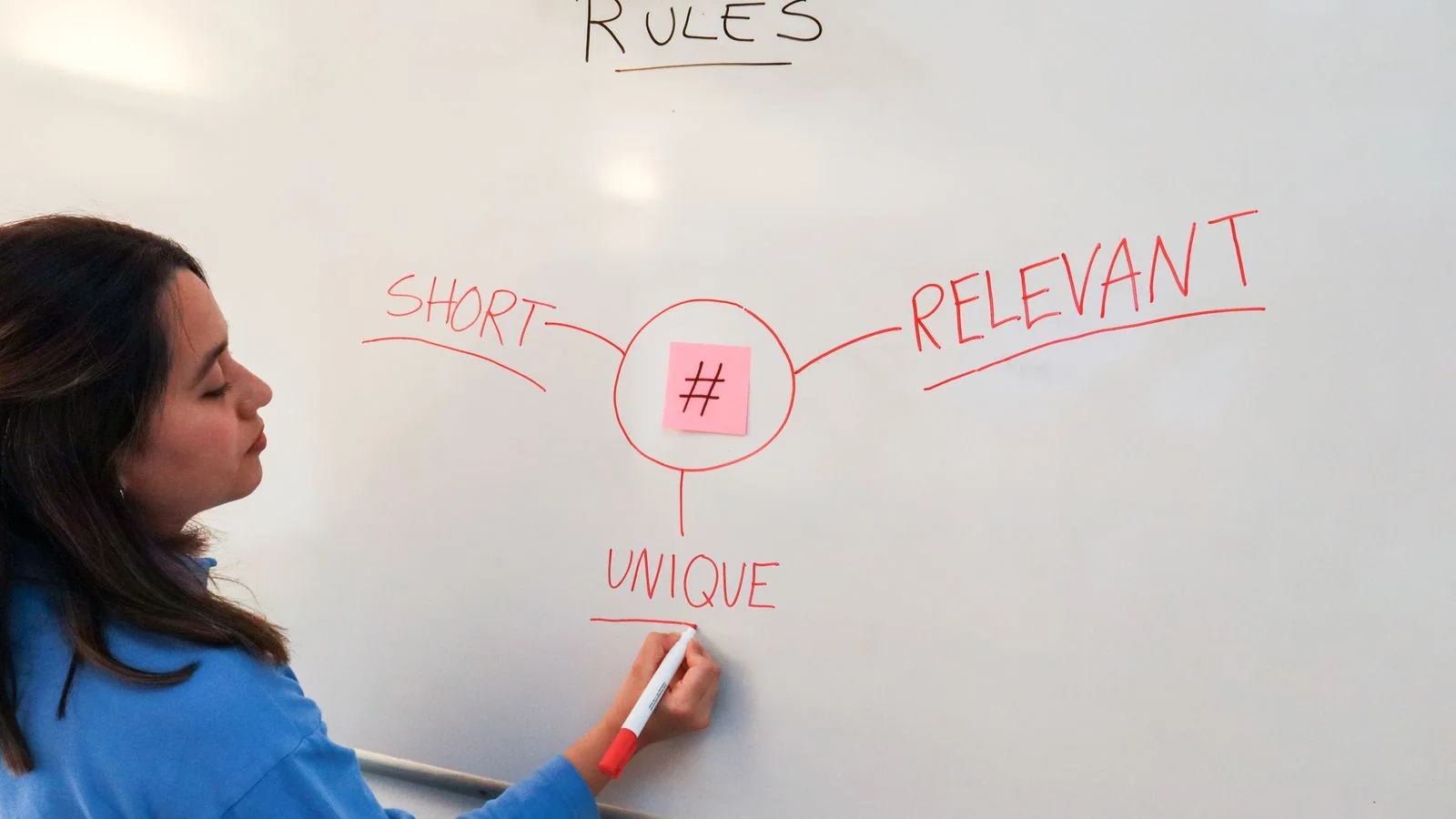
The dead pitch reads like an internal memo. It announces that Acme Corp is proud to unveil a fresh new look that reflects its evolution and forward-thinking vision. Every noun in that sentence is abstract. A journalist scanning 200 emails before lunch reads the first line, finds no fact, and archives it. Nothing personal, just triage.
Here is the test I give every client before we build a rebrand campaign. It is called the news peg test, and it has one question: if you strip out the visuals entirely, is there still a story? If the answer is no, you do not have rebrand press coverage waiting to happen. You have an internal celebration that belongs on your own blog. The redesign can accompany a story. It cannot be the story.
The companies that get covered understand this in their bones. When Dunkin’ dropped “Donuts” from its name in 2018, the coverage was not about the wordmark. It was about a chain betting its future on beverages over pastries, which is a business decision reporters could analyze. The visual refresh was the hook. The strategy shift was the story.
The 7 angles that earn rebrand press coverage
Every rebrand worth pitching sits on at least one of these seven pegs. Find yours before you write a single word of outreach.
The first is repositioning. You are not just changing the look, you are changing who you serve or what you sell. A B2B tool going consumer, a regional player going national, a product company adding services. That shift is a business story with the rebrand as evidence.
The second is a milestone. The rebrand marks a merger, an acquisition, a major funding round, or a founder transition. Here the news is the corporate event, and the new identity is how you make it visible. Reporters covering your industry already track these events, so you are feeding an existing beat.
The third is a category bet. Your rebrand stakes out a position on where your industry is heading. A sustainability angle, an AI-first angle, a return-to-craft angle. If your new identity argues a thesis about the market, trade writers who cover that thesis have a reason to quote you.
The fourth is a turnaround. The company hit trouble, and the rebrand is part of climbing out. Reputation reset stories are catnip for business desks because they contain conflict and stakes, the two ingredients most corporate news lacks.
The fifth is data. You commissioned research, ran a survey, or measured something about your customers that justified the change. Now the rebrand comes wrapped in a statistic a writer can lead with. “78% of our users could not describe what we did” is a headline. A new logo is not.
The sixth is a design-led story. Some outlets, Brand New and It’s Nice That among them, cover the craft of identity work itself. If a recognized studio did your rebrand, or the process involved an unusual constraint, the design press will run the making-of even when business desks pass.
The seventh is founder narrative. The rebrand connects to a personal story the founder can tell on the record, a change in conviction, a hard lesson, a bet against conventional wisdom. This works best for younger companies where the founder is the brand and the human angle carries the piece.
How to structure the pitch itself
Lead with the peg, not the reveal. Your first sentence names the business reason. “Next month, [Company] stops selling to enterprises and goes all-in on solo operators, and the rebrand tells that story” beats any sentence containing the word “unveil.”
Keep the email under 150 words. Journalists told us in our own outreach tracking that pitches over 200 words get half the reply rate of pitches under 120. Respect the inbox and you earn the read.
Offer three things and no more: the reason, one executive available for comment, and a press kit link with before-and-after visuals. Do not attach files. Do not paste your entire brand rationale. Give them enough to say yes and a clear path to more.
Pitch under embargo, two to three weeks ahead. This is the single move that separates amateur rebrand press coverage from professional. An embargo lets a writer schedule the piece for your launch day, which means coverage lands when it matters instead of trickling out after everyone has moved on.
Who to pitch, in what order
Start with the trades. Your industry’s dedicated publications have the narrowest audience and the highest intent, and their writers cover company moves as a core beat. A rebrand that a national business editor finds trivial is Tuesday’s lead story for a vertical trade.
Layer in design outlets if a named studio did the work or the visual system has a genuine hook. These publications will run a rebrand story on craft alone, which is a lane most companies forget exists.
Save the business desks for when your rebrand carries a milestone or turnaround peg. A national reporter needs the corporate event to justify the column inches. Without it, you are asking them to cover a color change, and they will not.
One anonymized example from our files: a fintech client rebranded alongside a pivot from consumer budgeting to small-business lending. We pitched the pivot, not the palette. The story ran in two trade outlets and one regional business journal, and every piece led with the lending strategy. The new logo appeared in the images. Nobody wrote a word about the typography, and that was the point.
Time the reveal to a moment journalists already track

Timing does more for rebrand press coverage than most people credit. A rebrand pitched into a quiet news week competes against nothing and gets read. The same rebrand pitched the morning of a major industry announcement gets buried under coverage of something bigger. Before you lock a reveal date, look at what else is happening in your world that week. Trade conferences, earnings seasons, competitor launches, and regulatory deadlines all soak up the attention you are trying to capture, and moving your date by a week can be the difference between a lead story and a line item.
There is a second timing move that separates the pros. Attach your rebrand to a calendar moment reporters are already planning to cover. If your industry has an annual event, a season, or a recurring news cycle, and your repositioning connects to it, you hand the writer a reason to run your story now instead of someday. A sustainability rebrand lands harder during the week of a climate summit. A hiring-platform rebrand lands harder when the jobs report drops. You are not manufacturing relevance, you are docking your news to relevance that already exists on the editor’s calendar.
Build the press kit before you send a single pitch, because the writers who say yes will move fast and the ones who wait on your assets will move on. A usable kit is small: before-and-after visuals in high resolution, a one-paragraph plain-language explanation of the change and the reason, one executive headshot and bio, and a single quote cleared for use. Host it at a link, not as attachments, so a reporter can grab what they need at midnight without emailing you. The company that answers “can you send assets” with a link in ten seconds gets the piece. The company that takes two days to assemble a folder loses the slot to someone faster.
One more discipline: decide who speaks before the calls come in. Name the single executive who will handle every interview, brief them on the two or three points the coverage should carry, and keep everyone else off the record. Rebrand stories go sideways when three leaders give a reporter three different reasons for the change, because the contradiction becomes the story. One voice, one reason, one calendar moment worth covering, and the rebrand press coverage lands the way you planned it.
The one mistake that kills coverage after you land it
You get the yes, the writer schedules the piece, and then your team floods them with brand guidelines, mission statements, and a request to review the article before publication. That last request ends relationships. No credible journalist grants copy approval, and asking marks you as someone who does not understand how press works.
Give writers what they need and then get out of the way. Answer questions fast, provide clean visuals, make the executive available on time, and trust the reporter to tell the story. The rebrand press coverage you earn is worth more precisely because you did not control it.
Before you brief a designer or approve a palette, write the one sentence a journalist would use to open the story. If you cannot write that sentence, you are not ready to pitch. Fix the reason first, then the coverage follows.