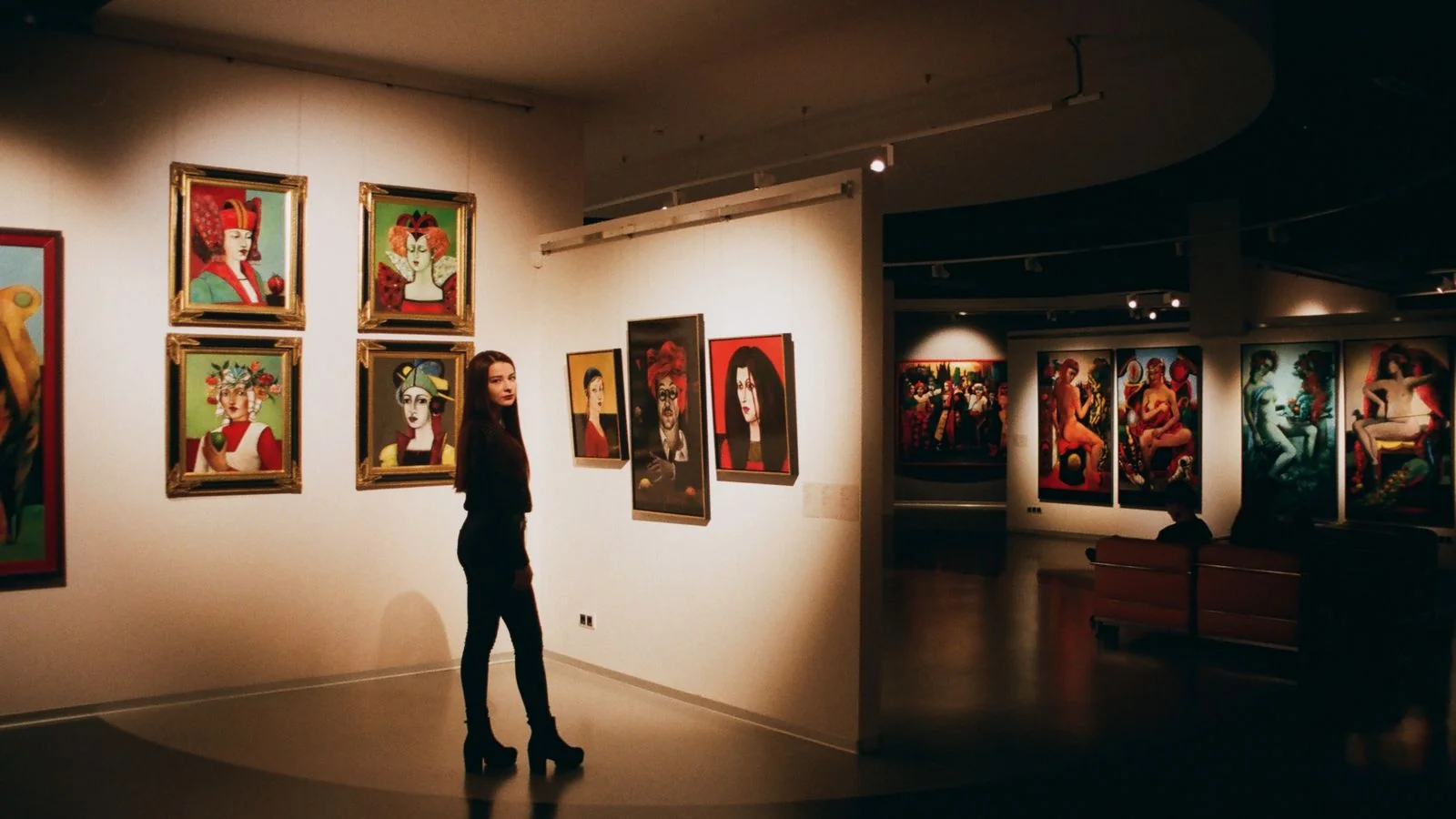
In 2018, the photography blog Booooooom ran a submission-driven feature that its founder Jeff Hamada had assembled entirely from its open call, the same open call the site still runs. The artists in it were not represented, not famous, and not pitched by publicists. They simply sent work through the front door most artists assume is decorative. That door is real, and it is one of five distinct routes into art media. Most artists fail to get featured not because the work is weak but because they shove every kind of work at the same single route, usually the most competitive one.
So before drafting a pitch, match your situation to the route built for it. Here are the five, ordered from most accessible to most gated.
Route 1: open submissions, the front door that actually opens
A surprising number of respected outlets run genuine open calls. Colossal accepts project submissions through a public form. Booooooom has run open submissions for over a decade and built its whole editorial identity on them. Smaller niche blogs, the ceramics blogs, the printmaking blogs, the new media outlets, live almost entirely on inbound work. The competition is volume, so the differentiators are documentation and coherence: ten images that clearly belong to one project beat forty images spanning your whole career.
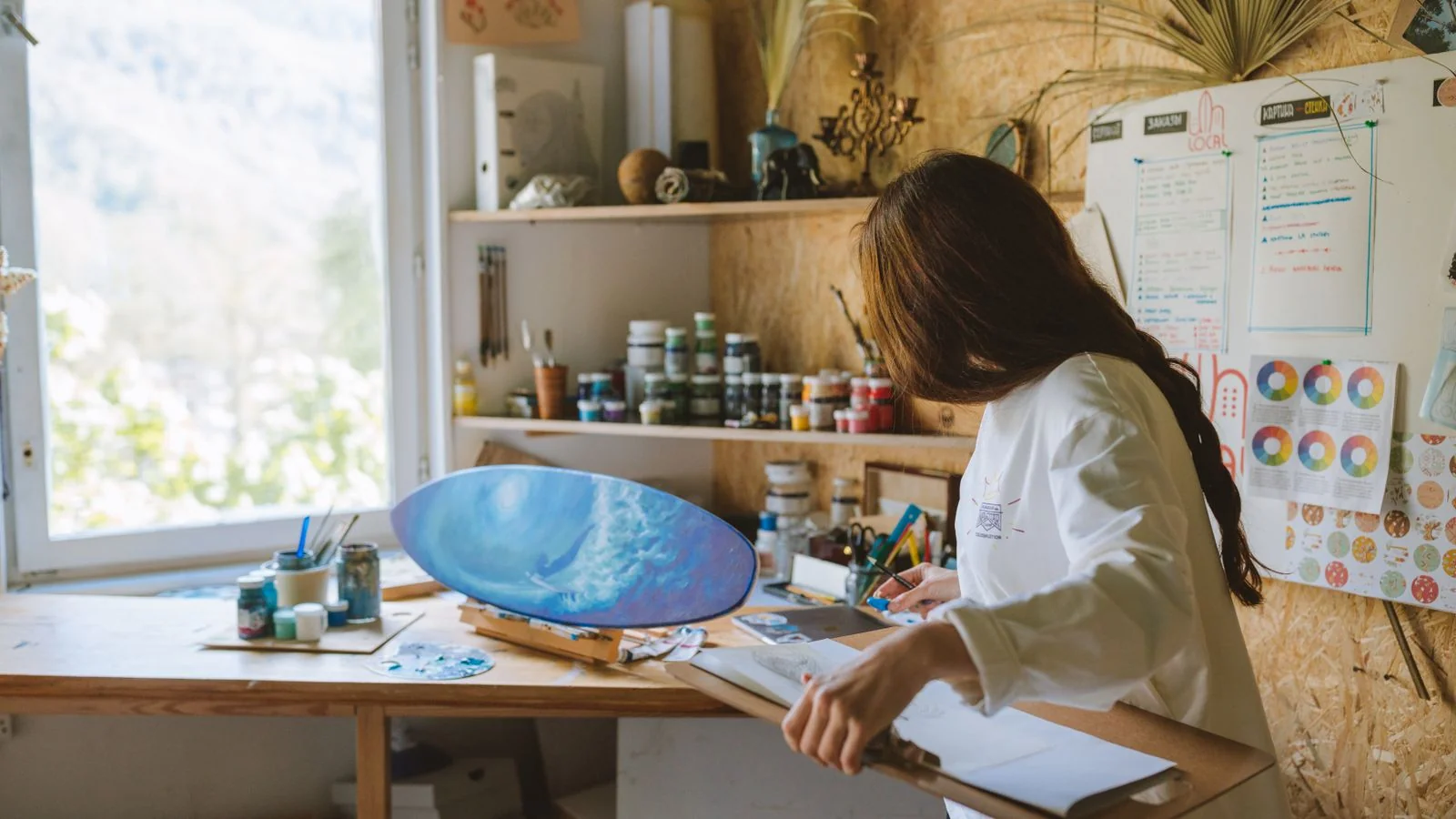
Submit a body of work, not a portfolio. Editors at these outlets think in posts, and a post needs a thesis: a series with a unifying idea, a technique pushed somewhere strange, a subject documented over years. Write the two-sentence version of that thesis at the top of your submission, because that is the sentence the editor will paraphrase if your work runs.
Documentation quality is the silent filter at this tier. The same sculpture photographed against a cluttered studio wall and photographed clean, evenly lit, at publication resolution, are two different submissions with two different outcomes. Editors assembling a post need six to ten images that hold together visually, and they will pass on strong work they cannot publish as shot. Before submitting anywhere, spend the day, or the few hundred dollars, on proper documentation, since the same files will serve every route in this piece for years. Then follow each outlet’s stated format exactly: the file naming, the image sizes, the word counts. Submission guidelines are the first test of whether you are easy to work with, and editors grade it.
Route 2: the news hook, where art meets a story
Hyperallergic, the most-read independent art outlet going, publishes criticism and art-world news more than artist showcases, which means the way in is a story, not a slideshow. A mural fight with a city council. A residency program collapsing. A material you use being regulated out of existence. Work that intersects with labor, technology, or politics gives an arts journalist something to report, and your art becomes the evidence inside the story.
Watch what each outlet’s news desk covers for two weeks and you will see the pattern of what they consider a story. Pitch the story, offer yourself as a source, attach three images. This route is also how artists end up quoted in mainstream outlets, because general-assignment reporters covering culture need artists who can speak plainly about a news event touching their corner of the world.
The pitch itself should run under 150 words and lead with the news, not with you. “The city is about to paint over the largest collection of sanctioned murals in the state, including three of mine” is a first sentence an arts editor forwards to a writer. Your CV is a link at the bottom, not the opening paragraph. And one mechanical detail that decides more pitches than artists believe: put the story in the subject line. Arts desks triage by subject line alone, and “Story idea” or “Introducing my work” loses to “City set to erase 40 murals next month” every single time.
Route 3: critics and writers, the relationship route
Features in ARTnews, Artforum, Frieze, and the legacy tier rarely begin with a cold email to an editor. They begin with a writer who already knows your work deciding to pitch it. Freelance critics are the actual gatekeepers for a huge share of coverage, and they are far more reachable than mastheads. They post their commissions, they go to openings, they answer thoughtful messages about pieces they wrote.
Cultivating three or four writers who cover your discipline is slow and it is the route, full stop, for the prestige tier. Invite them to studio visits. Comment usefully on their criticism. When one of them eventually needs an artist who does exactly what you do for a theme piece, the feature happens without anything resembling a pitch. Getting featured in art publications at this level is mostly being already-known to the person who writes the pitch the editor says yes to.
The studio visit is the unit of progress here, so make yours worth a writer’s afternoon. Have the current body of work visible and sequenced, know what you want to say about it in three sentences and then let the conversation wander, and send a follow-up the next day with images of the specific pieces that held their attention. Writers remember artists who can talk about their own work without a script and without a sales pitch. One genuine visit outweighs a year of liking their posts, because criticism is a memory business and you just became a firsthand memory.
Route 4: the exhibition press cycle
Shows generate coverage windows. A solo or group exhibition gives every outlet a time-bound reason to write, which is why gallery press releases exist. If you have a show coming, even at a small or artist-run space, you have a six-week press runway: announcement coverage four to six weeks out, preview or listing coverage two weeks out, reviews after opening.
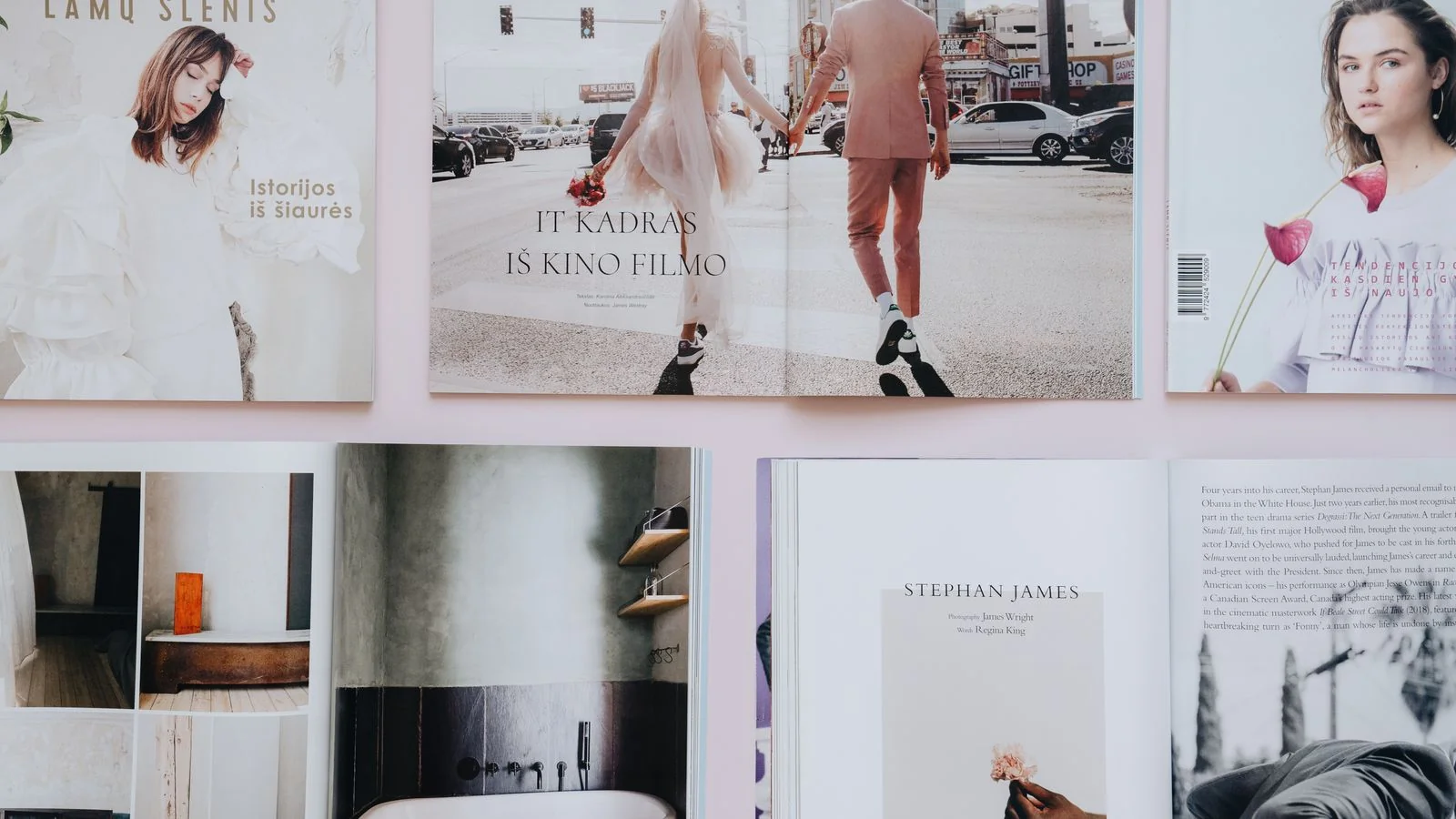
Run the cycle yourself if no gallery is doing it. A one-page release with show dates, a clear description of the work, two strong installation-style images, and your contact information, sent to regional arts editors and the listings desks of city publications. Local and regional coverage compounds: the city weekly review becomes the clip that convinces the national outlet you are coverable. Almost every artist who gets featured in art publications nationally has a paper trail of local coverage underneath it.
The listings desk is the overlooked half of this route. Reviews require an editor’s judgment and a writer’s time, but listings are near-automatic for any legitimate show submitted in the right format before deadline, and a listing puts your name and the show’s framing in front of the same critics you are courting on route three. Submit to every calendar your city maintains, then spend opening week inviting the two or three writers whose beats fit, with a personal note about which pieces connect to what they cover. A review that happens usually happens because someone made attending effortless.
Route 5: the platform feature, where editors come to you
Editors at every tier troll Instagram, and increasingly they find work through AI-assisted search and aggregators that index artist sites. This flips the pitch: instead of you finding editors, your documentation finds them. The artists this happens to share traits worth copying. Consistent posting of finished work and process. Captions that name materials, dimensions, and series titles in plain searchable language. A website with an actual artist statement, high-resolution images, and a press page, because the editor who discovers you on Instagram immediately checks whether you have a site worth linking.
Treat your site as the press kit it will be read as. The artists who win this route did the boring infrastructure work years before the email arrived, and when it arrived they could say yes within the hour with print-ready files.
The infrastructure now feeds machines as well as editors. When someone asks an AI assistant about artists working in your medium or your region, the answer gets assembled from exactly these assets: the artist statement that names your medium in plain language, the press page listing prior coverage, the exhibition history with dates. An artist whose site states “sculptor working in reclaimed steel, based in Detroit, exhibited at…” is legible to those systems. An artist whose site is a single splash image with a contact form is invisible to them, however strong the work. The same hour of plain-language writing serves both audiences, which makes it the rare press task with no tradeoff.
A note on timing across all five routes: art media runs on lead times. Print quarterlies assign features months out, online outlets plan thematic coverage weeks out, and December’s gift guides close in September. Whatever route you run, work six to eight weeks ahead of the moment you want coverage to land, and keep a one-line calendar of your next year’s shows, completions, and announcements so you can spot the press window before it opens.
Five routes, five different kinds of effort, and they reinforce each other more than they compete. The open call wants coherent projects, the news desk wants a story, the critics want a relationship, the show cycle wants logistics, the platform route wants infrastructure, and every placement from any of them strengthens your case on the other four. Pick the one that matches your current situation and run it for six months before judging results, because art media moves at the speed of issues and seasons, not weeks. Which route matches the work sitting in your studio right now?