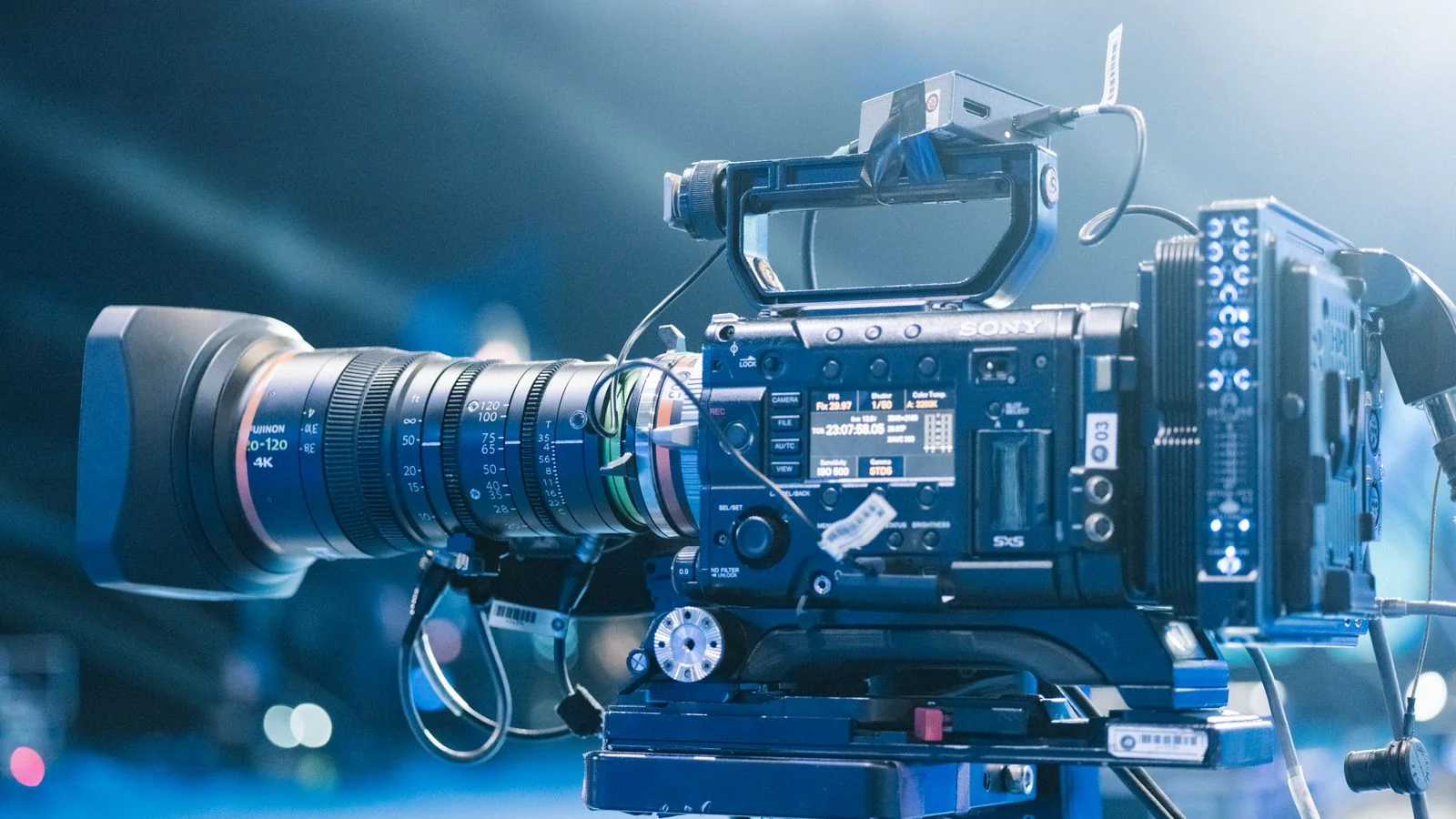
Most people think a television story rises or falls on what the reporter says. It does not. It rises or falls on whether there is anything to put on screen while the reporter is saying it. A producer can have the most important quote of the week and still spike the segment because there is nothing to show, no pictures to fill the twenty seconds between the anchor’s intro and the soundbite. That gap is where b-roll lives, and understanding it is the difference between a brand that gets on the news and a brand that keeps getting told the story is not “visual enough.”
B-roll is the supplemental footage that a video editor lays over the main audio or interview to illustrate what is being discussed. When a reporter narrates a story about a factory reopening and you see shots of the assembly line, the workers, the machinery turning, that footage is b-roll. It is not the interview and it is not the anchor. It is the visual layer that makes a broadcast story watchable, and in television it is not optional. No pictures, no story. For a brand that wants coverage, b-roll is the raw material you can hand a newsroom to make covering you easy, and offering it well is one of the most underused moves in press outreach.
Where the term comes from and what it means now

The name is a relic of the film era, and knowing the origin clarifies the job. In early film editing, the primary footage ran on one reel labeled A, and a second reel labeled B held the cutaway shots and inserts. An editor cut between the A roll and the B roll to cover edits and to show what a narrator described. The B reel was the supporting material, and the label stuck long after physical reels disappeared. Today b-roll is digital, but the function is identical: it is the footage that supports and illustrates the main content.
In practice, b-roll is everything that is not a talking head. On a news package, the a-roll is the reporter’s narration and the interview soundbites. The b-roll is the shots of the place, the product, the process, the crowd, the hands doing the work. Editors weave the two together, dropping visuals over the narration so viewers are watching something concrete while they listen. A ninety-second segment might contain fifteen seconds of people talking to camera and seventy-five seconds of b-roll carrying everything else.
That ratio is the point most brands miss. A newsroom does not need more of your executive talking. It needs pictures of the thing your executive is talking about. When you understand that a producer is desperate for footage to fill the visual track, you understand why handing them clean, relevant b-roll can turn a maybe into a broadcast segment, and why failing to offer any can quietly kill a story you thought was strong.
Why television will not run a story it cannot show
Broadcast is a visual medium first and an informational one second, which sounds obvious until you watch how ruthlessly it enforces the rule. A newspaper can run a story with no images and readers will still read it. Television cannot. If there is nothing to put on the screen, the story either does not air or gets reduced to a ten-second anchor read with no reporter and no depth. Producers know this in their bones, so before they commit a crew or a slot, they ask whether the story is visual, meaning whether there is footage worth showing.
This is where a lot of legitimately newsworthy announcements die. A company reports a genuine breakthrough, but it happens inside a lab or a server or a spreadsheet, nothing a camera can capture, and the television desks pass even though the substance is real. The problem is not the news. The problem is the pictures, or the absence of them. The brands that get broadcast coverage are the ones that either stage a visual moment or supply footage that solves the producer’s problem for them.
That is the opening. If you hand a newsroom broadcast-quality b-roll that shows what your announcement looks like, the assembly line, the surgery, the demonstration, the before and after, you remove the single biggest reason television would have declined. You are not asking them to send a crew and hope for pictures. You are giving them the pictures. In a business where the visual is the gatekeeper, being the source of the visual is real power.
The Visual Trade: what you give and what you get
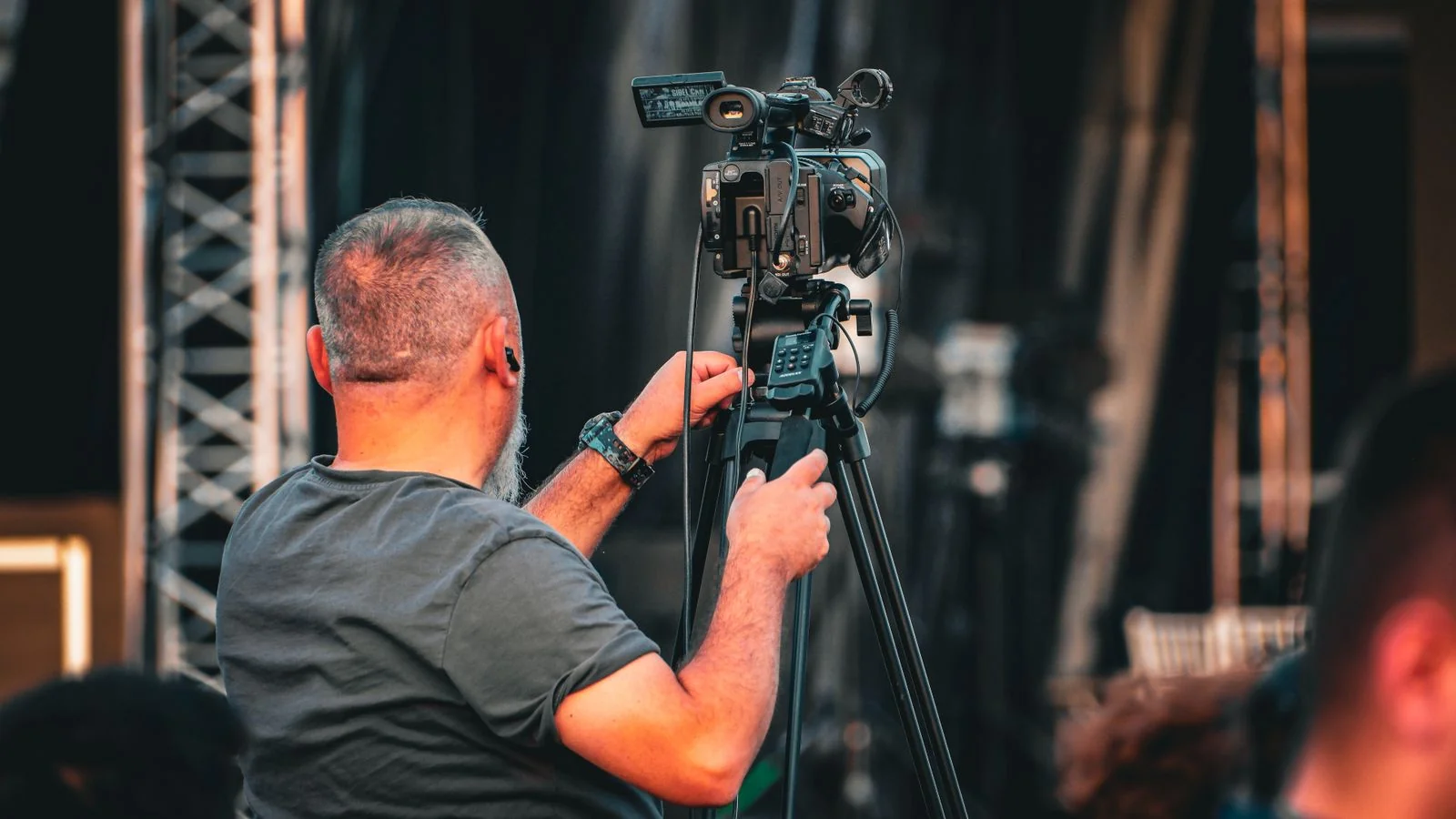
The mental model I use with clients is the Visual Trade. It goes like this: a newsroom has limited crews and limited time, and every story that requires them to shoot original footage costs them both. When you supply usable b-roll, you absorb that cost yourself, and in exchange you gain enormous influence over how the story looks. That is the trade. Footage for airtime, and more than airtime, footage for control of the frame.
The control part is what makes the Visual Trade worth the production expense. When a newsroom shoots its own footage, it chooses what to show, and that choice may not flatter you. When you provide the b-roll, you decide which shots exist, so the story is built from images you framed. You cannot dictate the narration, and you should not try, but you heavily influence the visual track, which viewers remember longer than the words. A brand that supplies the pictures shapes the impression even when it does not shape the script.
There is a discipline to holding up your end of the trade. The footage has to be genuinely broadcast quality, clean, well lit, steady, without your logo bugged into the corner or music baked into the track, because a producer needs raw material they can cut, not a finished commercial they will reject on sight. Deliver a range of shots, wide establishing views, medium shots, close details, and cutaways, so an editor has options. Include a shot list with timecodes. The more you make the footage feel like something a producer would have shot themselves, the more of it ends up on air. Give them a polished ad and they trash it. Give them clean, honest b-roll and they build a segment around it.
Where b-roll gets used beyond the evening news
Broadcast television is the obvious home for b-roll, but it is far from the only one, and understanding the full range tells you why producing it is worth the cost. Digital news operations, which now drive much of the audience even for legacy outlets, run video on their sites and social channels constantly, and they face the same visual hunger as broadcast with even less time to shoot their own footage. A digital producer assembling a quick video story from a press release will use supplied b-roll gratefully, because it is the difference between a publishable video package and a static text post. The footage you provide can end up on an outlet’s website, its app, and its social feeds, often reaching more people there than a single television airing would.
Social platforms have expanded the appetite further. Short vertical video dominates how a lot of people now consume news and brand information, and that format is voracious for clips. Clean b-roll can be cut into the short vertical pieces that outlets and creators publish, extending the life of footage you shot once across formats you did not have in mind when you shot it. This is an argument for capturing a range of framings, including some that work in vertical, so your footage is usable wherever it lands rather than locked to the horizontal broadcast frame.
There is also an internal payoff that brands often overlook: the b-roll you produce for the press becomes an asset you own and can reuse. The same clean footage that a newsroom might cut into a segment can anchor your own videos, your website, your investor materials, and your recruiting content. Producing broadcast-quality b-roll is not a single-use expense for one story; it is a library you build that keeps returning value long after the news moment passes. When you weigh the cost of shooting it well, weigh it against every place it can be used, not just the one segment you hoped would air.
What good b-roll looks like in practice
Usable b-roll follows a few rules that separate footage a newsroom will run from footage it will delete. Shoot it steady, on a tripod or a gimbal, because shaky handheld reads as amateur and producers will not use it. Light it well enough that faces and details are clear, since dark or muddy footage looks bad on a broadcast and reflects on the outlet, which is why they avoid it. Capture natural sound where it exists, the machinery, the crowd, the ambient audio of the place, because that texture makes b-roll feel real and gives an editor another layer to work with.
Variety matters as much as quality. A single locked-off shot of your building is nearly useless, but a sequence, the exterior, the entrance, people walking in, hands at work, a close detail of the product, a wide of the floor, gives an editor everything they need to build twenty or thirty seconds of screen time. Think in sequences that tell a small visual story, not in single hero shots. Length is your friend here up to a point: provide several seconds of each shot held steady, so an editor has room to trim, and avoid fast pans or zooms that are hard to cut cleanly.
Then package it so a busy producer can use it in five minutes. A clean file, a short shot list describing each clip and its timecode, and a line of context explaining what the footage shows. The easier you make it to drop your b-roll into an edit, the more likely it airs. Newsrooms run on deadline, and the story that comes with ready-to-use pictures beats the story that would require them to go shoot. That is the practical heart of it, and it is why b-roll, unglamorous as it sounds, is one of the highest-return assets a brand can bring to a media relationship.