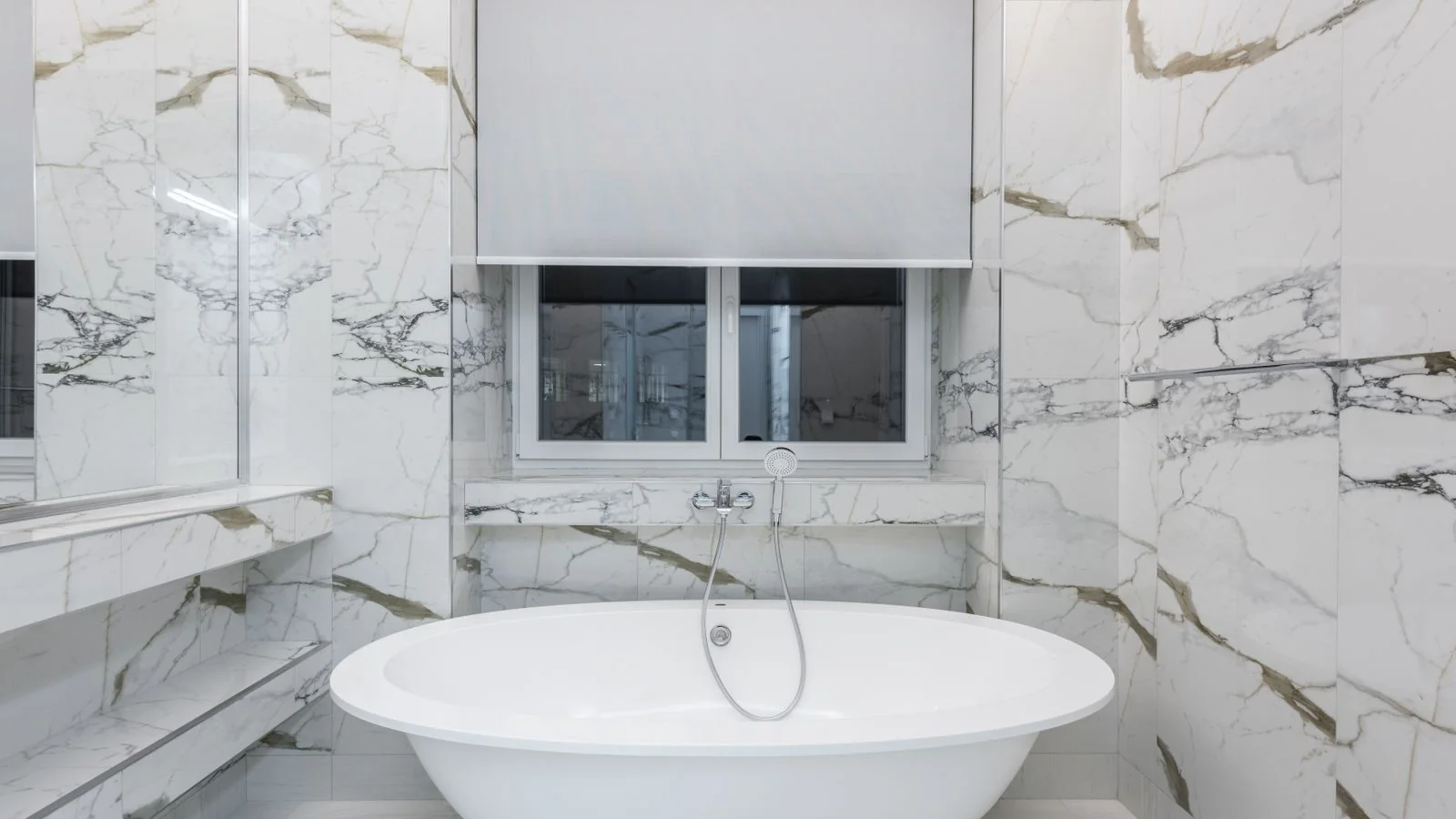
The bathroom is a better press story than the kitchen, and almost nobody pitches it. Kitchens get the magazine covers. Bathrooms get the budget, the stress, the eleven days without a shower, and the one room in the house every guest sees and judges. Houzz’s annual renovation study has for years put bathrooms right behind kitchens as the most common interior project, and a bathroom remodel is the one a reader can picture doing in the house they already own without moving a wall. Editors know this. They run bathroom stories when someone hands them one that works. The problem is that remodelers hand them bathroom stories that do not.
A press release for bathroom remodelers fails for a reason that has nothing to do with writing. It fails on photographs. A bathroom is a small room with hard light and mirrors, and the snapshots a crew takes with a phone at the end of the job show a toilet and a glare. Editors look at the photos before they read a word, and a release with weak photos is over before the headline. So this guide starts where the editor starts.
Bathrooms are the most-remodeled room and the least-covered
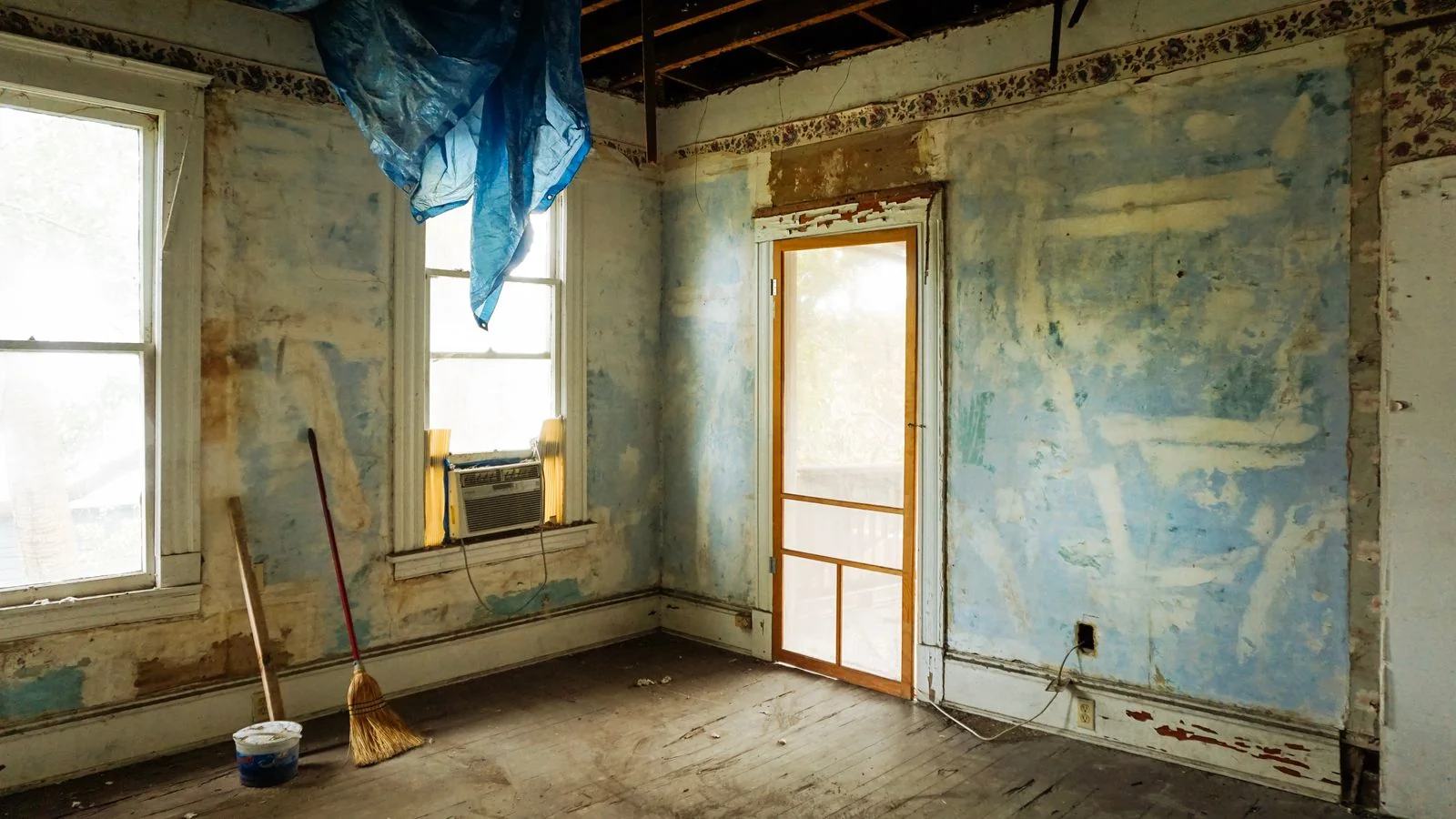
Look at your local daily’s home section for a month and count the bathroom stories. In most markets the number is zero. Now count the number of bathroom remodels that finished in the county that month. Hundreds. The gap is not because editors do not want the story. It is because the story arrives in a form they cannot use, or does not arrive at all.
Three things make a bathroom story harder than a kitchen story, and knowing them is most of the fix. First, the room is small, so a wide “after” shot is hard to take and the before shot is often too ugly to run without context. Second, the emotional hook is private in a way a kitchen is not. People host in kitchens. Nobody hosts in a bathroom, so the “family gathers around the island” narrative has no equivalent. Third, the budget conversation is confusing to readers, because a bathroom can cost $12,000 or $80,000 and the difference is invisible in a photo.
Each of those is a problem you solve in the release. The photo problem is solved by the Three-Photo Test below. The hook problem is solved by choosing an angle where the private nature of the room is the point: accessibility, aging in place, the primary suite after the kids leave. The budget problem is solved by stating the number and explaining what moved it.
Pass the Three-Photo Test first

Before writing a word of the release, put three photographs side by side and ask whether an editor would run them on a page without calling you. This is the Three-Photo Test, and a bathroom release that fails it should not be sent.
Photo one is the wide after, shot from the doorway at chest height with the door frame cropped out, all lights on, mirror angled so the camera is not in it. The room should read as a room, not as a fixture. If the tub is the feature, the tub is centered. If the shower is the feature, the glass is clean and the tile is lit from the side so the texture shows.
Photo two is the wide before from the same position. Same doorway, same height. This is the pair editors run, and the same-angle rule is what makes the pair work. A before shot taken from a different corner reads as a different room and loses the effect. If your crew did not take a before, the project is not a press project. Add “before photo from the doorway” to the job start checklist and never miss it again.
Photo three is the detail that carries the story. The grab bar disguised as a towel rail in an accessibility remodel. The curbless shower threshold. The salvaged 1930s tile the homeowners insisted on saving. The heated floor thermostat. This is the photo that makes the story specific, and it is the one the writer will ask about on the phone.
If you have those three, shot on a real camera or at least a phone on a tripod in good light, you have a press release for bathroom remodelers. If you have two of them, wait for a project where you have three. Hire a photographer for your next four finished bathrooms and treat the cost as marketing, because that is what it is. One published story is worth more than the next quarter of social posts, and the photos are the entire cost of getting it.
Structure of a bathroom remodel press release
Keep it under 350 words. The headline is the house, the change, and the number: “A 1955 split-level in Oak Park replaces a tub the family could not step into with a curbless shower, for $34,000.” Long headlines are fine. Vague headlines are not.
The first paragraph is the project as a reader would see it. Where the house is, what the bathroom was, what it is now, in three sentences. The second paragraph is the cost, with the range and what drove it. In a bathroom, the driver is almost always plumbing relocation, waterproofing, or tile labor, and naming the driver is what makes the number useful. “Moving the drain eighteen inches added roughly $6,000” is the sentence readers screenshot.
The third paragraph is the homeowner’s quote, and it should be about living through it, not about loving the result. “We showered at the gym for two weeks and I would do it again” is a quote. “We love our new bathroom” is not. The fourth paragraph is your quote, about a decision made during the job. The fifth is the practical timeline: days of demolition, days of waiting on tile, days without a working bathroom, whether the house had a second one. The sixth is three sentences of boilerplate and a link.
Paste the release in the email body. Attach the three photos as files, named clearly. Do not send a PDF, and do not send a link to a Dropbox folder with forty images. Editors want three good photos, not forty adequate ones.
The subject line is the headline, word for word. Editors triage on the subject line and the first photo thumbnail, and a subject line that reads “Press Release: [Company Name]” is deleted before the body loads. A subject line that reads “1955 split-level in Oak Park: curbless shower replaces the tub nobody could step into, $34,000” gets opened, because it is a story and the editor can see the page.
One more structural rule that remodelers skip: the release should name the homeowner, with permission, or explain why it does not. “The homeowners, who asked not to be named, said…” is fine. A release with no homeowner at all reads as a portfolio entry, and portfolio entries do not get covered. If the client will not talk, wait for one who will. A press release for bathroom remodelers is a story about a family and a room, and the family has to be in it.
Five angles editors run
The accessibility remodel is the strongest bathroom angle in the market and the least pitched. A bathroom rebuilt for a parent moving in, a homeowner recovering from surgery, or a family planning to stay in the house past seventy is a story with stakes, a detail photo that means something, and a reader who is quietly worried about the same thing. Pitch it with the specific changes: curbless entry, blocking in the walls for future grab bars, a comfort-height toilet, a handheld shower on a slide bar. Editors run this one in January and again in the fall.
The primary suite after the kids leave is the second angle. The house is the same, the family is smaller, and the couple finally spends on the room they use most. The number is often high, which makes for a story about what a five-figure bathroom buys.
The small bathroom, done well, is the third. A powder room or a hall bath under $15,000 where the constraint is the story. Readers who cannot afford the suite remodel want this one, and editors know it.
The historic restoration is the fourth. Original tile saved, a clawfoot tub refinished, a 1920s pedestal sink reinstalled with new plumbing. The before photo is charming instead of grim, which changes the tone of the page.
The water-damage rebuild is the fifth. The bathroom after the leak nobody caught for a year, with the insurance process handled plainly and the moisture-control changes named. Local editors run this one after any storm season, and a remodeler who can talk about it clearly becomes the person they call next time.
Distribution: local first, trade second
Send to the home editor at the local daily by name, on a Tuesday or Wednesday morning, with the headline as the subject line. Send the same release, with a note offering a homeowner interview, to the regional lifestyle magazine, understanding that the lead time is three to four months. Send it to the producer of the local morning show’s home segment, because a homeowner standing in a finished, well-lit bathroom talking about the curbless shower is a segment, and producers need segments every weekday.
Then send the press release for bathroom remodelers to the trade. Kitchen and Bath Design News, Remodeling, and Qualified Remodeler all run bathroom project features, and a trade placement is what tells Google and the AI assistants that you are a bathroom specialist rather than a general contractor who did a bathroom once. When someone asks Perplexity or ChatGPT for a bathroom remodeler in your city, the model is looking for third-party sources that name your company and the word “bathroom” together. A trade feature does that. So does a local story. A press release nobody ran does not.
Time the send to the calendar. January is when readers plan and editors run “should you remodel this year” pieces, and the small-bathroom angle fits. Late spring is when the aging-in-place story lands, because adult children visiting for graduations and Mother’s Day notice the tub their parents cannot step into. September and October are when editors build fall home sections and want the primary suite story. Send on a Tuesday or Wednesday morning, never on a Monday, when the inbox is at its worst, and never on a Friday, when the release sits over the weekend under everything that arrives after it.
Follow up once, a week later, with one sentence and one photo you did not send the first time. Then let it go and send a different project in six weeks. Editors remember the remodeler whose releases always pass the Three-Photo Test, and after the second or third one they start opening your emails first.
So here is the question. Of the last ten bathrooms your company finished, how many have a wide before shot from the doorway, a wide after from the same spot, and one detail that means something? If the answer is zero, that is your marketing problem, and it is fixable by Friday.