
Consider what happens in a newsroom the morning after a hailstorm tears through a metro area. The assignment desk needs a story on what homeowners should do, the business reporter needs someone to explain why premiums are about to climb, and a producer at the local television station needs a talking head who can make coverage limits understandable in ninety seconds. All three are hunting for the same thing at once: an insurance expert who can explain risk clearly, on deadline, without jargon. Outlets like Insurance Journal and PropertyCasualty360 will cover the industry angle, and the local ABC affiliate will cover the human one, and every one of those reporters would be grateful for a broker who called them first with a clear, useful read on what just happened. Almost no broker ever does.
That gap is the whole opportunity, and it reveals what insurance actually is beneath the paperwork. Insurance is a story business. Every policy is a bet against a specific fear, and every claim is a story about something going wrong and someone being protected, or not. Brokers sit on top of an endless supply of exactly the material reporters chase, risk, and they squander it by sending press releases that announce agency milestones no one outside the office cares about. Learning how to write a press release for insurance brokers is mostly a matter of realizing you are sitting on stories, not announcements, and then packaging those stories the way a reporter needs them. This guide gives you the formula and the five angles that turn a broker into a source the press keeps calling.
Insurance is a story business disguised as paperwork
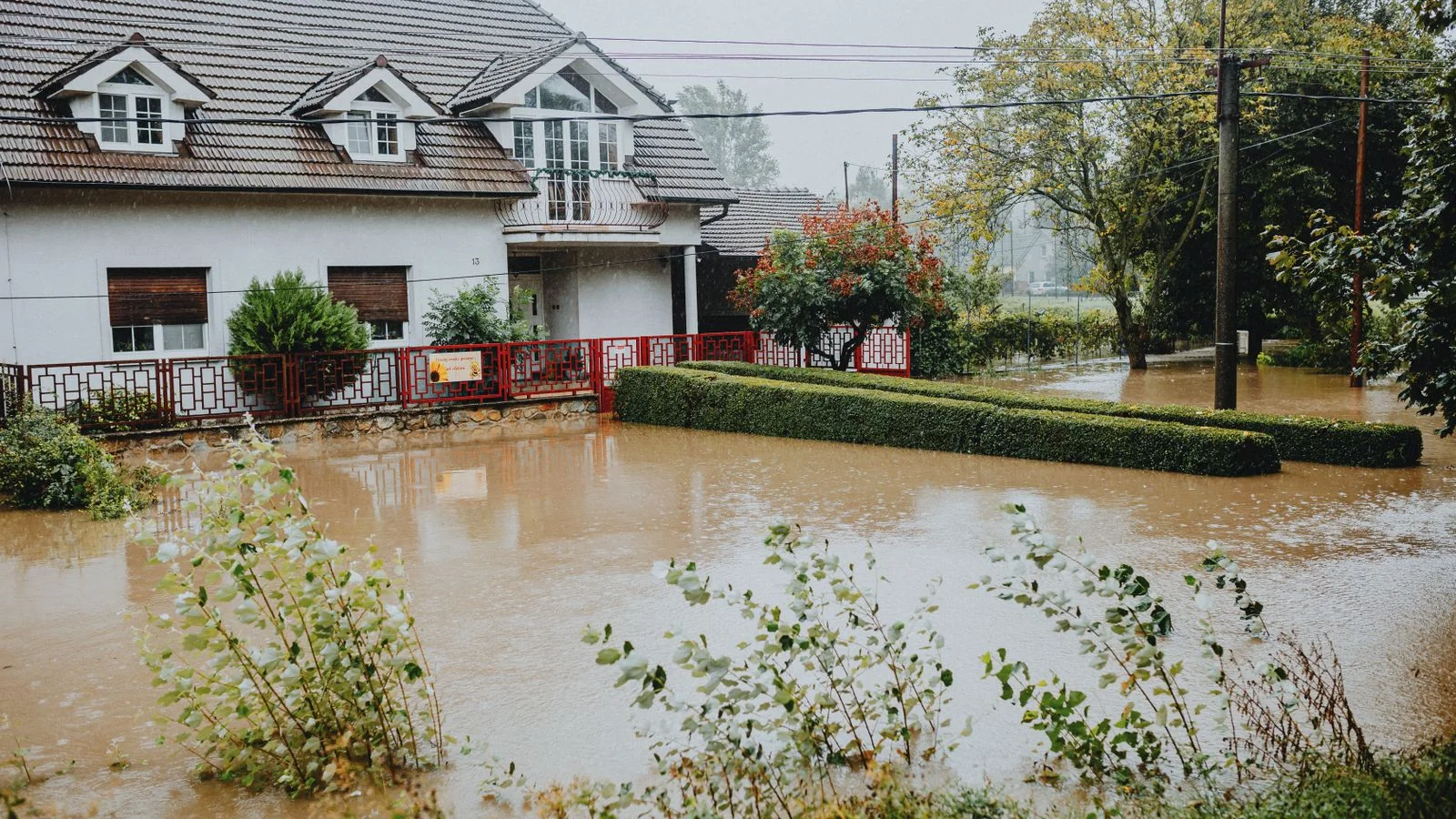
The reason brokers make ideal press sources is that they translate fear into understanding, which is precisely what a reader in a moment of risk is desperate for. When a disaster strikes or a new risk emerges, people are frightened and confused, and they want someone who understands the danger to tell them plainly what it means and what to do. A broker does this every day for clients, explaining what a policy covers, where the gaps are, and how to protect against a specific threat. That skill, the ability to make risk comprehensible, is exactly the skill a reporter needs when they are writing about risk for a scared audience, and it is far rarer among available sources than you would think.
Most brokers never see themselves this way, which is why they write the wrong releases. They think of their business as policies and paperwork, so they announce paperwork things, a new office, a new hire, a new carrier partnership, and reporters ignore them because paperwork is not a story. The brokers who get covered think of their business as risk and protection, so they report on risk, a danger their community faces, a claim trend that should worry people, a coverage gap most homeowners do not know they have, and reporters run those stories because risk is a story their readers need. The entire difference between a press release for insurance brokers that gets deleted and one that gets covered is whether you are announcing your agency or reporting on risk. Report on risk.
Why do most insurance press releases get ignored?
Most insurance press releases fail for the same reason most professional press releases fail: they are about the sender, not the reader. A broker writes a release announcing that the agency has grown, added a service, or reached an anniversary, and to the broker these feel like real news because they matter to the business. To a reporter, they are noise, because the reporter’s only question is whether their readers will care, and no reader cares that an insurance agency hired a new producer. The release is technically accurate and completely irrelevant, and irrelevance is fatal in an inbox where a reporter is deleting most of what arrives within seconds. The failure is not bad writing, it is a fundamental misread of what a press release is for.
The second reason they fail is a lack of timeliness, the quality that turns information into news. A generic release about the importance of good insurance coverage has no reason to exist today rather than any other day, so a reporter has no reason to run it now. News requires a now, a hook to the present moment that makes the story urgent, and insurance offers an unusually rich supply of these if the broker looks for them. A storm season beginning, a new law changing requirements, a wildfire raising awareness of coverage gaps, a wave of claims revealing a hidden risk, each of these is a now that a smart release attaches itself to. Brokers who fail at press are usually sending timeless, self-focused announcements. Brokers who succeed are sending timely, reader-focused risk stories, and the gap between the two is the gap you are about to close.
The Risk-Story Formula turns risk data into news

Here is a repeatable formula for building a press release that reporters run, which I call the Risk-Story Formula. It has four parts, and a release that contains all four is hard for a relevant reporter to ignore. The first part is a risk, a specific danger that affects your community or a segment of it, stated clearly. The second is data, some number or pattern that makes the risk concrete and credible, whether from claims you have seen, industry figures, or a small survey of your own. The third is protection, the practical guidance on what people should do about the risk, which is where your expertise shows. And the fourth is timeliness, the hook to the present moment that makes the story urgent right now. Risk, plus data, plus protection, plus timeliness, is the shape of a story a reporter can run.
The formula works because it assembles exactly the elements a reporter needs and hands them over in one package. The risk gives the story its subject, the data gives it credibility and a concrete anchor, the protection gives it usefulness for the reader, and the timeliness gives it a reason to publish now. Assemble those four around a real danger your community faces, and you have not written an advertisement, you have written a public service that happens to feature you as the expert. A release built on the Risk-Story Formula might warn that a rising share of local homeowners are underinsured against flood as a wet season approaches, cite the coverage gap you see in your book, explain the specific steps to close it, and tie it to the forecast. That is a story, and a press release for insurance brokers built this way stops reading like marketing and starts reading like news the reporter is glad to have received.
Report the risk, then the protection
Within the formula, the order matters, and it is the reverse of what most brokers instinctively do. Lead with the risk and the danger, not with the reassurance, because the risk is what creates the reader’s attention and the reporter’s interest. A release that opens by warning about a specific, real threat pulls people in, while a release that opens with a calm message about being prepared puts them to sleep. This is not fearmongering, it is honesty about a genuine danger followed immediately by genuine help, which is the most valuable thing an insurance expert can offer. You are not inventing a risk to scare people. You are surfacing a real one they may not know about and then telling them what to do, and that sequence, alarm then relief, is what makes the story both compelling and useful.
The protection half is where your credibility and your restraint both show. After you have made the risk clear, deliver specific, actionable guidance on how to address it, the coverage to check, the questions to ask, the steps to take, and do it generously, without turning it into a pitch for your agency. The generosity is strategic. A broker who freely explains how to protect against a risk, even in ways that do not require hiring them, comes across as a trustworthy expert rather than a salesperson, and that trust is what makes the reporter want to quote them and the reader want to call them. Keep the reference to your own agency to a single restrained line, let the value be genuinely free, and the release earns the coverage precisely because it is not trying too hard to sell. The protection you give away is what sells you.
Which angles can a broker actually own?
Five angles reliably produce newsworthy releases for insurance brokers, and each maps onto the Risk-Story Formula. The first is the seasonal risk warning, tied to storm season, wildfire season, holiday theft, or winter damage, where you warn about a timely threat and explain the coverage that addresses it. The second is the claims-trend report, where you report, in aggregate and anonymized, a pattern you are seeing, a rise in a certain kind of claim, a common coverage gap, an emerging risk, which gives reporters original data they cannot get elsewhere. The third is the regulatory-change explainer, where a new law or requirement changes what people need, and you become the source who explains who is affected and what to do.
The fourth angle is the emerging-risk alert, where you flag a new or growing danger that outpaces public awareness, cyber risk for small businesses, coverage gaps in the gig economy, the insurance implications of a new technology, positioning yourself as the broker who sees around corners. The fifth is the community-response angle, where a local event, a fire, a flood, a major accident, creates an immediate need for clear insurance guidance, and you provide it fast as a public service. Across all five, the pattern holds: you are reporting on risk and offering protection, tied to a timely hook, backed by data where you have it. None of these are announcements about your agency, and that is exactly why they work. Any broker who watches the risk calendar and their own book will find several of these angles available at any given time, which means a steady supply of genuine news for anyone willing to package it.
Structure the release for a reporter on deadline
The craft of the release itself is about making the reporter’s job effortless. Open with a headline that states the risk and its relevance the way a reporter would write it, not the way a marketer would, because the headline decides whether anything else gets read. Follow with a lead paragraph that delivers the core of the story at once, the risk, why it matters, and why now, so a reporter skimming the first three sentences already has the story. Build the body in descending order of importance, the data, the protection guidance, the context, so the release could be trimmed from the bottom without losing its point, which is how reporters actually edit. Include one strong quote from you that adds real insight about the risk rather than a hollow line about your agency, the kind of sentence a reporter would lift straight into the piece.
Two disciplines separate a professional release from an amateur one. Keep it to about a page, because a reporter will not read more and length dilutes the news, and make it trivially easy to act on, with your contact information obvious and your offer to provide more data or a quick interview stated plainly. A reporter who reads your release and sees a clear risk story, real data, and a reachable expert has everything they need to run it, and running it is far easier than hunting for a source from scratch, which is the whole reason a well-built release works. Respect the reporter’s deadline and their reader, and a press release for insurance brokers becomes not a gamble but a reliable way to turn your risk knowledge into coverage.
Send it local first, and become the go-to source
Aim your releases at local outlets before national ones, because risk is intensely local and your community is your market. A warning about flood underinsurance means the most to the local paper and television station whose audience faces that exact flood risk, and those outlets are far more reachable than national press while reaching precisely the people who might become clients. Trade publications like Insurance Journal and PropertyCasualty360 are strong secondary targets that build your authority among peers and carriers, but the local general-interest press is where a broker’s risk stories land most naturally and where the resulting coverage does the most for the business. Send each release to the specific local reporters who cover weather, business, and consumer affairs, personalized to their beat, rather than blasting a wire and hoping.
Picture how this compounds for a broker we will call Dave, who decided to work the Risk-Story Formula for one storm season. When the forecasts turned, he sent a local reporter a data-backed warning about the roof-coverage gap he kept seeing in his book, with clear guidance on what homeowners should check. The reporter ran it, because it was a real story with real data and a reachable expert. When the storms actually hit weeks later, that same reporter called Dave first for the follow-up, because he was now the known local insurance voice. By the end of the season he had appeared in three stories and a television segment, none of which announced his agency and all of which made him the broker the community associated with understanding risk. Dave did not have a bigger agency or a media budget. He understood that insurance is a story business, he used the formula to package his risk knowledge as news, and he sent it to the right local reporters at the right moment. Any broker willing to do the same can become the Dave of their own market, and the risk calendar guarantees the opportunities will keep coming.