Rachel Hardage Barrett took over Country Living in October 2013, and within a year she moved the brand’s editorial operations from New York to Birmingham, Alabama. Hearst described the move at the time as putting the magazine closer to the culture it covers. That one decision tells you more about how to get featured in Country Living than any media kit will.
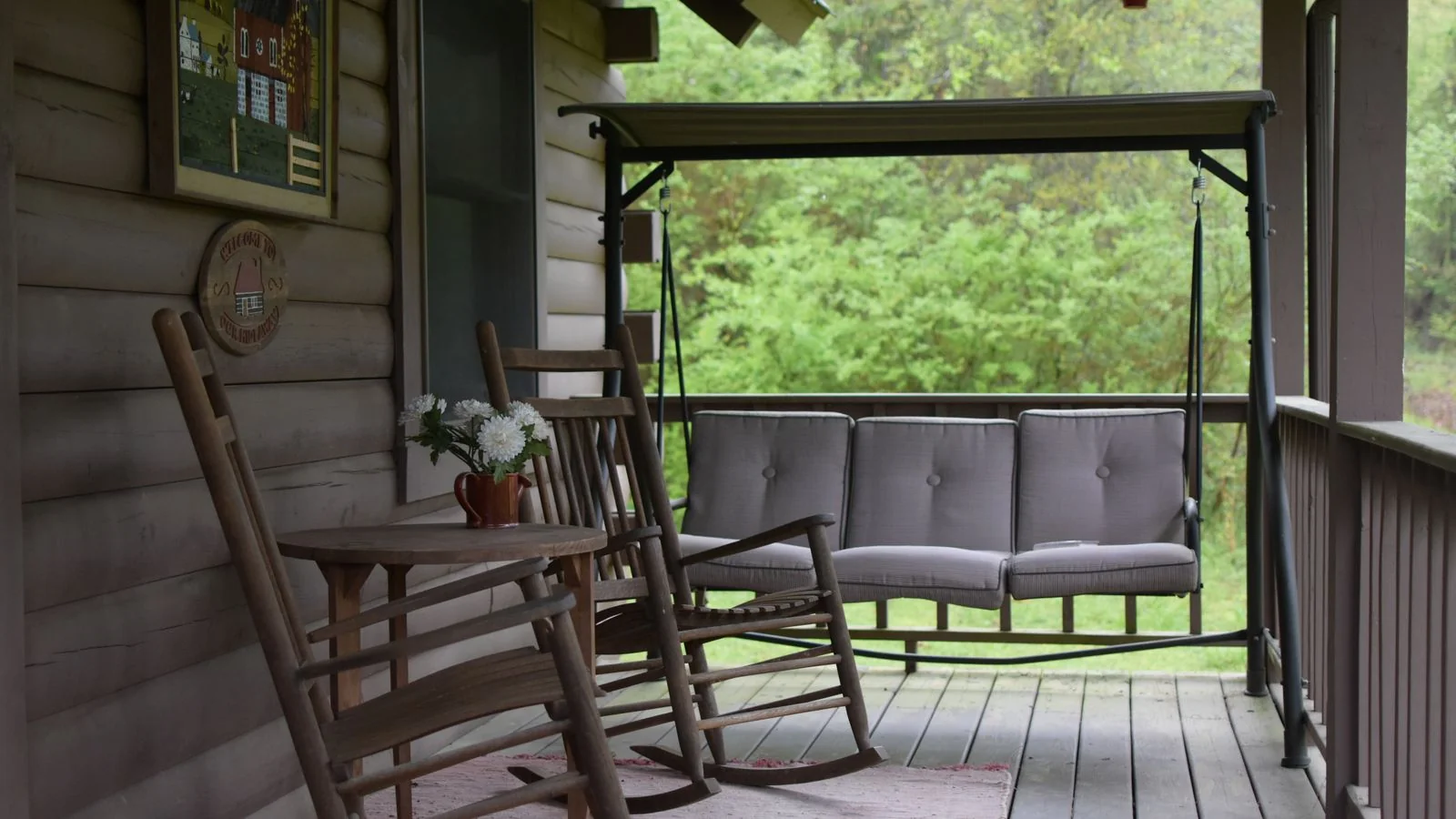
This is a magazine that wants to be near the porch, not the boardroom. Pitches that sound like a press release from a Manhattan agency fight the brand’s whole identity. Pitches that sound like a neighbor with a good story slip right through. The difference is not budget or brand size. It is voice, setting, and timing, and all three are in your control.
Below is how the editorial side works, a simple filter we call the Porch Test, the three kinds of stories that keep landing, and the exact shape of an email worth sending.
Who decides what runs in Country Living

Country Living is a Hearst Magazines title. The US edition is led by editor in chief Rachel Hardage Barrett, who came over from Southern Living, where she was executive editor covering travel, food, and style. Her Country Living author page lists her coverage as design, gardening, food, travel, antiques, and crafts, which doubles as a map of the beats you can pitch.
Under her sit section editors for home and design, food, gardening, and the commerce team that runs product roundups online. Print and digital share a brand but not a calendar. A print feature can take half a year from pitch to newsstand. A digital story on countryliving.com can go live in days, and digital editors need far more content to fill the site than print editors need to fill an issue.
There is also a UK edition, and it is a different publication. Hearst UK named Saska Graville editor in chief of Country Living UK in July 2025. If your story is British, pitch London. If it is American, pitch Birmingham. Sending a Vermont farmhouse to the UK desk wastes everyone’s time.
One more structural fact matters. Country Living runs live events, the biggest being the Country Living Fair, and Barrett promotes it on her own social channels every season. Events give editors a reason to meet makers in person, which is a door most brands ignore.
The Porch Test: does your story belong here?
Before you write a single line, run the idea through what we call the Porch Test. It has four questions, and a pitch needs at least three yeses.
Could a reader picture this on a porch, in a kitchen, or in a garden? Country Living is a place magazine. If your story has no setting, it has no home in these pages.
Is there a person with hands in it? The magazine favors makers, collectors, farmers, and restorers over companies. A brand story with no human face rarely survives the first read.
Is there something old, handmade, or grown? Antiques, heirloom recipes, heritage breeds, restored barns, hand-thrown pottery. Newness alone is not a hook here. Craft and history are.
Can a reader act on it this season? A recipe to make, a plant to start, a fair to visit, a product to buy. Country Living delivers useful advice alongside the soulful stuff, and Hearst’s own description of the brand says exactly that.
Be strict with yourself here. A SaaS founder’s story fails three of four, because there is no setting, no craft, and nothing to do this season beyond signing up. A woman restoring a 1920s Sears kit house in Ohio passes all four. Most pitches land in between, and the test tells you what to add before you send.
Pitch the home, the maker, or the expert

Three story types keep showing up in the magazine and on the site, and each one needs a different package.
The home is the most visual pitch and the hardest. Editors need professional photos, or at least strong scouting shots, of the full house. They want to know the story of the place: who built it, what you changed, what you kept. Square footage and a list of paint colors help. A home without a narrative is a real estate listing.
The maker is where small businesses win. If you build furniture, weave rugs, keep bees, or forge knives, your process is the story. Send three or four photos of your hands at work, one of the finished piece in a real room, and a single paragraph on how you learned the craft. Product roundups on the digital side also need makers, so include price and where readers can buy.
The expert pitch works for people who can answer reader questions. Think of a master gardener who can explain fall bulb planting, an antiques appraiser who can date ironstone, or a quilt historian. Digital editors publish a steady stream of service pieces, and a quotable expert with a clear credential makes their job easier. Keep your bio to two lines and lead with the credential, not the company.
If you are a brand, you can still play. Find the maker inside your company, or the customer whose home tells your story, and pitch them. The brand gets mentioned. The person gets featured.
Time it to the season, then add six months
Seasonality runs Country Living more than almost any other lifestyle title. Fall means harvest, antiques, and pumpkins. Winter means Christmas, from ornaments to farmhouse kitchens dressed for company. Spring is gardens, chicks, and porches coming back to life. Summer is lakes, county fairs, and outdoor dinners.
The trap is pitching in the season you are living in. A print editor working in October is closing a spring issue. If you send a Christmas story in December, you are a year late for print and a month late for digital. The safe rule for print is to pitch four to six months ahead. For digital, six to eight weeks is usually enough, because the site publishes seasonal service stories close to the moment readers search for them.
There is a second timing layer most people miss: anniversaries. The magazine loves stories with a long tail, like a family farm hitting its centennial, a general store reopening after decades, or a quilt pattern passed down four generations. If your story has a date attached, lead with it and pitch well before it lands.
A practical example helps. Say you run a small orchard in Michigan with an heirloom apple variety your grandfather planted in 1958. A digital pitch in mid-August for a fall apple roundup has a real chance. A print pitch in April for an autumn feature on heirloom orchards has a better one. A pitch on October 1 for either is mostly noise. Knowing how to get featured in Country Living is half story and half calendar.
Write the email that gets opened
Barrett’s own About page on the site lists a direct email address for her, but the editor in chief is rarely the right first contact. Go to the masthead and find the section editor whose beat matches your story. For digital service stories, look at bylines on recent pieces like yours and pitch that writer or editor.
Keep the email under 150 words. Your subject line should state the story, not the brand: “1840s Vermont barn turned pottery studio, photos ready” beats “Exciting partnership opportunity.” Open with the single most visual detail. Follow with one sentence on why it fits this season. Close with what you can deliver, such as photos, access, and a phone number.
Attach nothing large. Link to a shared folder of low-resolution images instead, and say high-resolution files are ready on request. Editors open emails on phones, and a 40MB attachment is a fast route to the trash.
Photos deserve their own word, because they decide more pitches than copy does. Country Living runs on natural light, lived-in rooms, and honest textures. Overlit studio shots and heavy filters read as advertising. Shoot near a window in the morning, leave a little clutter in frame, and include at least one wide shot that shows the room or the land around the subject. If you can only afford one professional expense before pitching, make it a half-day with a photographer who shoots interiors or farms.
There are also a few habits that get pitches deleted on sight. Mass emails with a dozen editors in the To line. Attachments that are press releases with no story inside. Claims of exclusivity you have not actually offered. And the most common one: a product pitch with no maker, no place, and no season.
Follow up once, about a week later, with one new detail. Then stop. If the answer is silence, the story did not fit this editor’s plan, and you can rework the angle for another section or another season.
Use the side doors
The front door is a pitch to an editor. The side doors are often easier.
Events are the first. The Country Living Fair brings vendors, makers, and editors into the same place. Vendors get seen by staff who scout for stories, and a good booth photo can become a digital feature later. Check the fair’s vendor application windows well ahead of the season.
Syndication is the second. Country Living stories regularly run on MSN and Yahoo Life, which multiplies reach. When you land a digital piece, it may travel further than you expect, so make sure the photos and quotes you supply are ones you are happy to see everywhere.
The sister titles are the third. Hearst also owns Good Housekeeping, House Beautiful, ELLE DECOR, and Veranda. A story that is too polished for Country Living can be perfect for Veranda, and one that is too practical can fit Good Housekeeping. Rework rather than resend.
Earned coverage elsewhere is the fourth. Editors read regional magazines, local papers, and design blogs to find stories. A feature in your state’s home magazine is often the step before a national pickup. If you want help building that ladder, Instant Press can place your story in regional and lifestyle outlets that national editors read every week.
What to send next week
Run your idea through the Porch Test tonight. If it scores three or four, pick the right story type, pull together five strong photos, and write a 150-word email to the section editor whose bylines match. Put a reminder on your calendar for seven days out, send one follow-up with a fresh detail, and start drafting the version you would pitch to a sister title if this one stays quiet. That is the whole system for how to get featured in Country Living, and it works best when you treat the magazine like a neighbor, not a media buy.