
The Good Housekeeping Seal is not press coverage. Most founders who ask us how to get featured in Good Housekeeping start by asking about the Seal, and that is usually the wrong place to start.
The Seal is a product evaluation and warranty program run by the Good Housekeeping Institute. Editorial coverage is a decision made by editors. Awards are a third program with their own rules. They share a logo and a building, but they are different doors, and walking up to the wrong one costs months.
This guide separates the three, explains what each one costs you in time and money, and shows which door fits which kind of brand.
The magazine is not the Institute

Good Housekeeping is a Hearst Magazines brand. In July 2025, Hearst named Elspeth Velten editor in chief, and its announcement said she would oversee content strategy and editorial operations across all platforms, including the Good Housekeeping Institute and the Seal. One leader, several operations.
The Institute is the part that makes Good Housekeeping different from every other lifestyle title. Its roots go back to an “Experiment Station” the magazine opened in 1900, and the Institute’s own timeline describes a set of specialized labs covering areas like beauty and personal care, textiles, kitchen appliances, and cleaning products. The Beauty Lab alone says its chemists and editors evaluate hundreds of skincare, haircare, and makeup products every year.
Those labs feed three outputs. They feed editorial reviews and roundups, the “best of” lists you see on goodhousekeeping.com. They feed the awards programs. And they feed the Seal.
The key line sits on the Institute’s own “How We Test” page. For the Good Housekeeping Seal and the Good Housekeeping Awards programs, it says brands may pay a submission fee to have a product evaluated. Editorial reviews are a separate track. That distinction is the whole game. A submission fee buys an evaluation. It does not buy a feature, and it does not guarantee a pass.
The UK runs its own version. Hearst UK operates a separate Good Housekeeping Institute, which marked its centenary in 2024, and offers “GHI Approved” and “GH Reader Recommended” endorsements. Jane Bruton became editor in chief of Good Housekeeping UK in September 2024. If your market is Britain, those are the programs and the people to study, not the US ones.
The practical consequence is staffing. The people who run Seal evaluations talk to brand partners about fees, test protocols, and claims. The people who write roundups talk to publicists and product teams about samples and deadlines. Neither group forwards your email to the other just because you asked nicely.
Once you see the structure, the strategy gets simpler. You are not pitching “Good Housekeeping.” You are choosing which of three systems to enter.
Door one: the Seal and the warranty behind it
The Seal is the oldest door and the most misunderstood. Good Housekeeping launched it in 1909, starting from a “Tested and Approved” list of 21 consumer products, according to the Institute’s timeline. Wikipedia’s entry on the magazine puts the number of products that have carried the Seal at about 5,000.
What makes the Seal unusual is the promise attached to it. Good Housekeeping’s published limited warranty says that if a Seal product proves defective within two years of its first sale by an authorized retailer, Good Housekeeping, not the manufacturer, will refund the purchase price or $2,000, whichever is less, or repair or replace the product at its discretion. The magazine is putting its own money behind your product. That is why the evaluation is strict, and why the Institute reviews supporting materials and marketing claims as well as the product itself.
Historically, the Seal has been tied to products that advertise with Good Housekeeping, and Wikipedia describes Seal products as products advertised in the magazine. Treat it as a commercial program with editorial standards, not as earned media. Ask the Hearst team directly about current requirements, fees, and timelines before you plan around it.
Who should walk through this door? Brands selling durable or repeat-purchase products in categories where trust decides the sale: appliances, cleaning products, mattresses, baby gear, cookware, personal care. If your customers stand in a store aisle comparing two similar boxes, a Seal on one of them changes the decision. Hearst UK cites its own consumer panel finding that 82% of respondents were more likely to buy a product carrying the GHI Approved logo.
Who should skip it? Startups without retail distribution, services, apps, and anyone who cannot survive a failed evaluation. A failed test costs you the fee and the time, and you will not get a feature out of it.
Door two: the awards programs
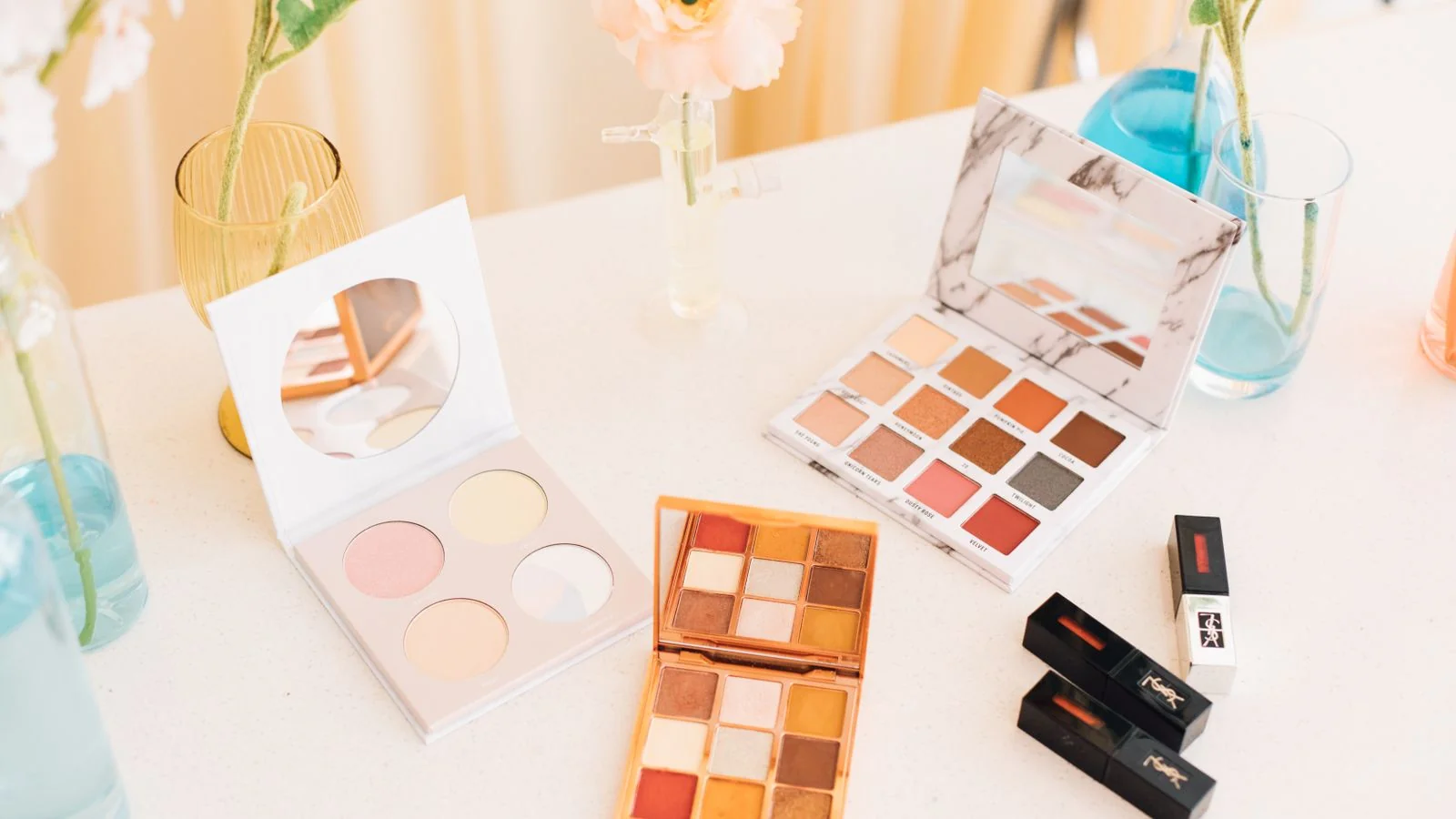
The second door is the awards track. Good Housekeeping runs category awards, with beauty being the best known, where labs and editors test entries side by side and publish winners. The same “How We Test” page notes brands may pay a submission fee to be evaluated for the awards.
Awards sit between the Seal and pure editorial. They produce published coverage, often a dedicated article and a badge you can use on packaging and ads, but the result depends on your product beating competitors in a head-to-head test. There is no warranty attached and no guarantee of a win.
The awards door fits brands with a product that is measurably better at something testable. Moisturizers that hydrate longer, vacuums that pick up more debris, knives that hold an edge. If your advantage is a feeling, a story, or a price, the lab cannot see it, and you will lose to whoever has the better spec.
Timing matters here more than anywhere else. Awards run on annual calendars, and submission windows close months before the winners are announced. Watch the program pages, get on the Institute’s brand contact list, and treat the deadline as fixed. Late entries do not get a second look.
One more practical tip. Send exactly what retail customers would buy, in the packaging they would see. Testers evaluate the full experience, including instructions and claims on the box. A prototype or a hand-labeled sample signals a brand that is not ready.
Door three: editorial coverage the old-fashioned way
The third door is the one most people actually mean when they ask how to get featured in Good Housekeeping. It is editorial: articles, roundups, expert quotes, home tours, and product mentions chosen by editors, with no fee involved.
There are three main ways through it.
The first is product roundups. Commerce editors build “best” lists on goodhousekeeping.com, and many of those lists draw on Institute testing. To be considered, your product needs to exist in the category being tested and reach the right editor before the test starts. Find the bylines on the roundups that match your category and pitch those editors with a short note, a product sample offer, and the one measurable claim you want tested.
The second is expert sourcing. Good Housekeeping publishes health, money, relationships, and home advice that needs credentialed voices. Registered dietitians, physicians, financial planners, and cleaning experts with real credentials get quoted. Keep a one-paragraph bio ready, answer fast, and make your quote usable without editing.
The third is home tours. Good Housekeeping publishes a “How to Pitch a Home” page that sends designers and homeowners to an online submission form, asking for photos and detail about the project. This is one of the few direct, public submission routes the brand offers. If you are an interior designer, architect, or a homeowner with a finished renovation and good photos, use it.
A roundup pitch that works is short and specific. Subject line: the product category and the claim, such as “Cordless stick vacuum, 70-minute runtime, sample ready.” First line: which existing roundup or test it belongs in, linked. Second line: the claim, with the test data behind it. Third line: an offer to ship a retail unit that week. That is it. Editors running a test with 20 products do not need your founding story. They need to know whether your product belongs in the lineup and whether it will arrive on time.
Expert pitches follow the same discipline. Lead with the credential, give one quotable sentence that answers the reader’s question, and offer to expand. A registered dietitian who replies in an hour with a clean two-sentence quote gets called again. One who sends a three-page bio does not.
What editorial will not respond to is a press release about your launch with no news value for readers. Good Housekeeping’s readers want to know what works, what is safe, and what is worth the money. Every pitch should answer one of those questions.
Which door fits your brand
Here is how we sort clients in practice. We call it the Three Doors check, and it takes about five minutes.
If you sell a physical product through retail, make claims you can back with test data, and can afford a fee plus a possible fail, the Seal is worth a conversation. It is the slowest door and the most commercial, but it is also the only one that puts a warranty on your box.
If your product is measurably better than competitors at something a lab can test, and you can meet an annual deadline, the awards track gives you a published win and a badge without the warranty commitment.
If you are a person with expertise, a designer with a finished project, or a brand with a product that fits an existing roundup category, editorial is your door. It costs nothing but time and craft, and it produces the coverage that feels most credible to readers.
Many brands should try more than one. A cookware company might pitch roundups this quarter, submit to awards next year, and talk to Hearst about the Seal after retail distribution grows. Each door has a different clock, so plan them as a sequence rather than a single bet.
Whichever door you choose, keep the paper trail clean. Seal and awards results come with usage rules for logos and claims, and breaking them can cost you the badge. Editorial mentions can be quoted and linked, but not dressed up as endorsements. Brands that respect those lines get invited back.
And if none of the three fits yet, build the proof first. Learning how to get featured in Good Housekeeping is partly about sequence. Coverage in trade outlets, regional lifestyle magazines, and product review sites gives Good Housekeeping editors something to find when they research your category. That earlier coverage is the part Instant Press can help with, so your brand is visible when the bigger door opens.
So which door are you standing in front of right now, and is it the one your product is ready for?