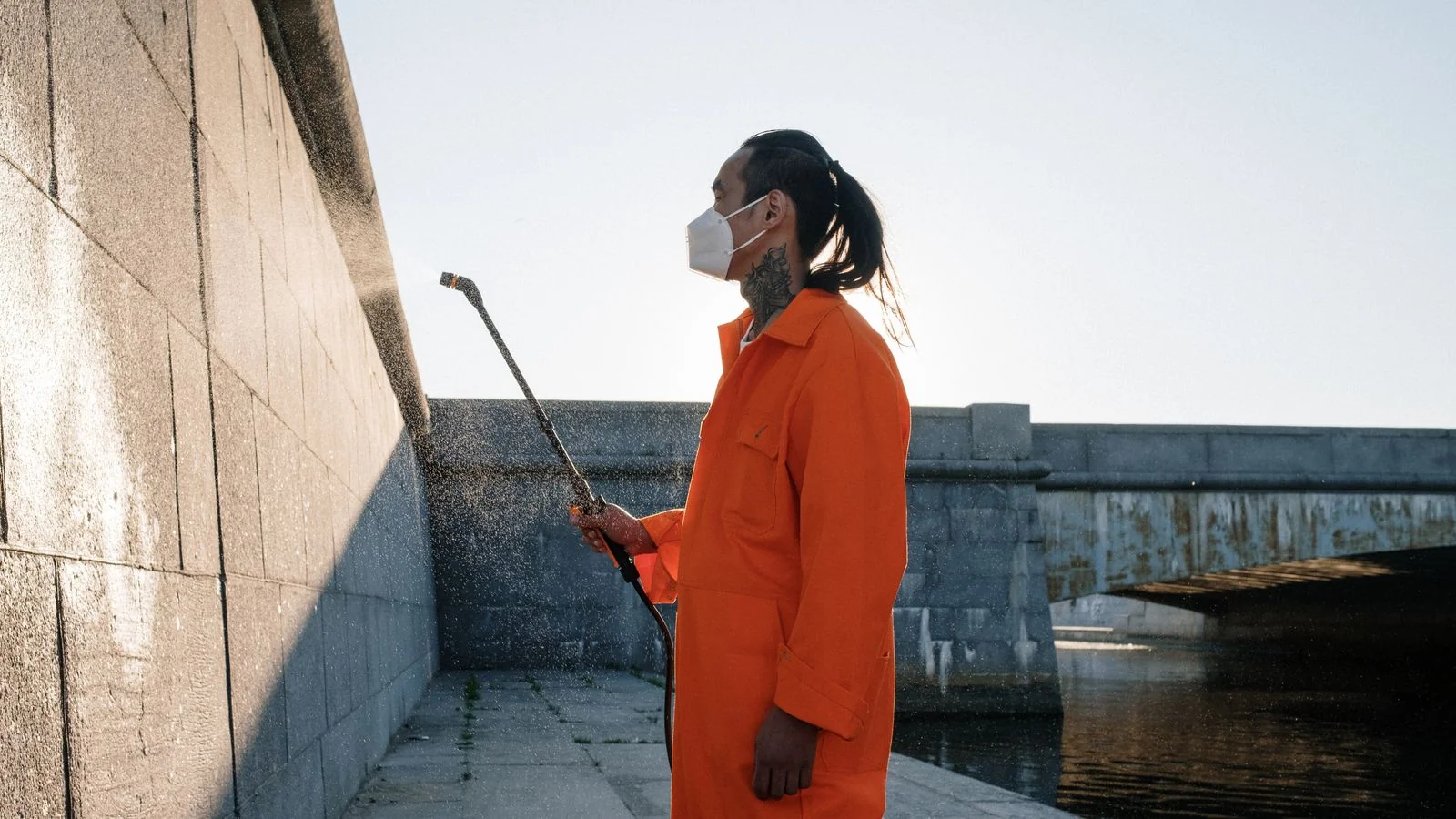
The oldest working test for news in a local newsroom is blunt: if it makes a reader look up and say “well, how about that,” it runs. Nothing else qualifies. Not your new truck, not your third anniversary, not your competitive rates. Editors are not in the business of promoting your company, and the fastest way to get your email deleted is to ask them to. But that same test is the opening most pressure washing owners never see, because the work you do every day produces exactly the kind of “well, how about that” moment newsrooms are starving for.
To get press for pressure washing businesses, you have to stop thinking like an advertiser and start thinking like a source. A reporter needs a story with a human hook, a visual, and a reason it matters to their audience right now. You can hand them all three. The trade that everyone assumes is unglamorous is, on closer look, one of the most camera-ready, emotionally satisfying, community-friendly stories in the local news cycle. You just have to package it as a story instead of a sale.
So what makes a pressure washer newsworthy?
Not you. The transformation, the community, or the warning. Those are the three doors into coverage, and each one puts the spotlight on something a reporter can justify running.
The transformation door is the most obvious. A neglected war memorial caked in decades of grime, restored to legible bronze in an afternoon. A historic storefront a whole town had stopped noticing, suddenly bright again. These are visual, emotional, and local, which is the exact trifecta assignment editors chase. The community door is about generosity: free cleanups for people who cannot afford them, for veterans, for a struggling church, for an elderly resident cited by the city. The warning door casts you as the expert who protects readers, explaining the seasonal dangers of a slippery algae-covered walk or the roof damage a careless DIY blast can cause.
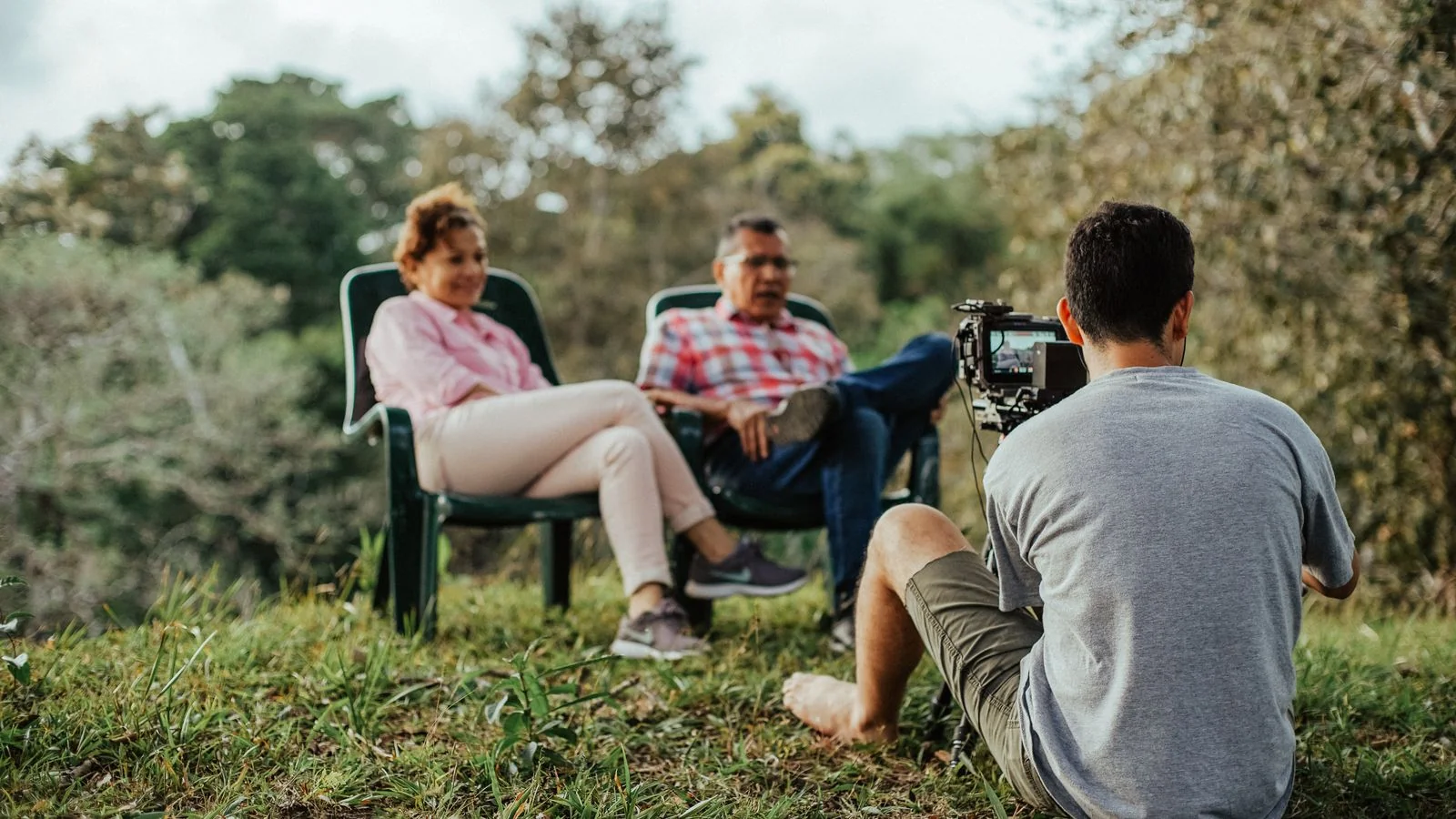
Every one of those doors leads to the same place: coverage with you positioned as the skilled, generous, knowledgeable local expert. That is a far more valuable place to stand than inside a paid ad, because the reader trusts the reporter’s framing in a way they will never trust yours. When you get press for pressure washing businesses this way, the credibility is borrowed from the outlet, and borrowed credibility is the whole point.
The transformation is your camera-ready hook
Local news, especially television, runs on visuals. A story that shows well gets picked over a story that only sounds good, every time. This is where your trade has an almost unfair advantage over the accountant or the consultant trying to get the same coverage. Your work is a visible, dramatic, real-time change that a camera loves.
Lean into it. When you plan a coverage-worthy project, plan the visual too. Shoot the grimy “before” in good light. Capture the process, the reveal, the reaction of whoever owns or loves the thing you restored. A restoration of something the community recognizes, filmed well, hands a TV producer a finished segment. You are not asking them to imagine why this matters. You are showing them, and the showing does the persuading.
The emotional payload matters as much as the visual. The reason cleaning transformations travel so far online, racking up millions of views on the strength of pure satisfaction, is that they tap something deep about restoration and care. A local outlet knows that pull too. Give a reporter a restored landmark and a grateful owner and you have handed them a segment their audience will actually stop and watch, which is the currency every newsroom trades in.
Give the community angle, not the sales angle
The single biggest reason pitches fail is that the owner cannot resist making it about the company. Reporters have a finely tuned radar for this, and the instant your story bends toward promotion, you lose them. The fix is to genuinely make it not about you.
The community project is the cleanest version of this. Choose something that matters to the town: a memorial before a holiday, a nonprofit’s neglected building, the sidewalks of a business district everyone complains about. Do the work as a gift, publicly, with the beneficiary as the story’s hero. Your role is the quiet, competent person who made it happen, which is exactly the role that earns lasting goodwill and, not incidentally, coverage. The reporter gets a feel-good local story. The beneficiary gets help. You get to be the company that showed up for the community, which no ad budget can buy.

This is counterintuitive for owners trained to make every dollar produce a direct lead. But the community angle is precisely how you get press for pressure washing businesses that money cannot buy, because you are trading a day of labor for a level of trust that paid advertising structurally cannot deliver. The story runs because it is genuinely a story, and you are genuinely in it.
Where to actually place the story
Knowing your angle is half the work. The other half is putting it in front of the right person. Start hyper-local and work outward, because a small outlet is far more likely to say yes and the coverage still counts.
Your regional newspaper and local television stations are the first targets, specifically the reporters who cover community news, small business, and home. Read their recent work before you pitch so your story matches what they actually run. Neighborhood platforms and local social groups are the second layer, where a great transformation can spread on its own and often gets noticed by reporters trolling for local stories. The third layer is expert sourcing platforms. HARO, the reporter-source service that shut down at the end of 2024 and was revived in April 2025, along with alternatives like Featured and Qwoted, lets you answer questions journalists post and earn quotes in national pieces on home maintenance, seasonal safety, and property care. You will not get every one, but a single national quote is a credibility asset you cite for years.
Match the angle to the outlet. The community cleanup belongs on local TV. The seasonal safety warning fits the newspaper’s home section or a reporter’s roundup. The expert quote comes through the sourcing platforms. Sending the same generic pitch everywhere is how you get ignored everywhere.
How do you pitch without sounding like an ad?
Write to the reporter like a human who read their work, not a company blasting a list. The subject line names the story, not your business. The first two sentences give them the hook and the visual. You offer the access, the images, and yourself as the expert, and you make it effortless for them to say yes.
Keep it short. A reporter decides in seconds whether a pitch is worth reading, so lead with the most newsworthy element and cut everything about your company history. Offer specifics: the date of the cleanup, the landmark’s story, the person whose building you are restoring and why. Attach or offer strong photos, because a visual story with visuals attached is far easier to greenlight. Close with a single clear line about how to reach you. Then stop. The restraint is what separates a pitch that reads like news from one that reads like spam.
If you are answering a sourcing query instead, respect the reporter’s deadline and word limit, give them a genuinely useful, quotable answer, and include a one-line credential. Do not pad it with marketing. The quotable expert who makes a reporter’s job easier gets used again and again.
Build a relationship, not a one-off blast
The owners who get covered again and again are not the ones with the best single pitch. They are the ones who built a real relationship with a few local reporters, so that when a story breaks or a seasonal segment comes due, the reporter thinks of them first. A one-off pitch is a transaction. A relationship is an asset that pays out for years.
The mechanics are simple and most people skip them out of impatience. Identify the two or three reporters who actually cover home, community, and small business in your area. Follow their work and understand what they write. When they publish something good, tell them, briefly and without asking for anything. When you have a genuine story, bring it to the reporter whose beat it fits, already shaped the way they like to work. Over a few months you stop being a stranger in the inbox and become a known, reliable local source, and known reliable sources get called when the assignment editor needs an expert on short notice.
This is also where you make yourself easy to use on their timeline, not yours. Reporters work on deadlines that appear suddenly. The source who responds within the hour, gives a clean quotable answer, and offers a usable image is the source who gets used, and used again. The one who takes three days and sends a marketing paragraph never hears back. To get press for pressure washing businesses consistently, you have to be the low-friction expert a reporter can rely on, because reliability under deadline is worth more to a newsroom than the cleverest pitch that arrives at the wrong moment.
The relationship compounds with the sourcing platforms too. Answer reporter queries on Featured or Qwoted promptly and usefully, and some of those reporters will remember you and come back directly. Every good interaction, whether through a platform or a direct pitch, deposits a little trust, and the accumulated trust is what turns occasional coverage into a steady presence. Press is not a lottery you win once. It is a reputation you build, one reliable interaction at a time.
The free-cleanup play that earns coverage
If you do only one thing from this piece, do this. Once a quarter, pick a visible community target that matters locally, a memorial, a struggling nonprofit’s building, a beloved but grimy public space, and clean it for free, in public, with the beneficiary front and center. Document it well. Pitch it as a community story to the local reporters whose work you have studied.
This one play generates a story with a hook, a visual, and a reason to run, which is everything a newsroom needs. It positions you as the generous local expert. It produces coverage you cite for years, images you reuse, and a reputation that makes every future pitch easier. It also feeds the machines that now shape reputation, because coverage from real outlets strengthens how search and AI answer tools judge your authority. Run it four times a year and you will build a press presence that no competitor buying ads can touch. The work you already do is the story. Get press for pressure washing businesses by giving reporters the version of it that makes a reader say, well, how about that.