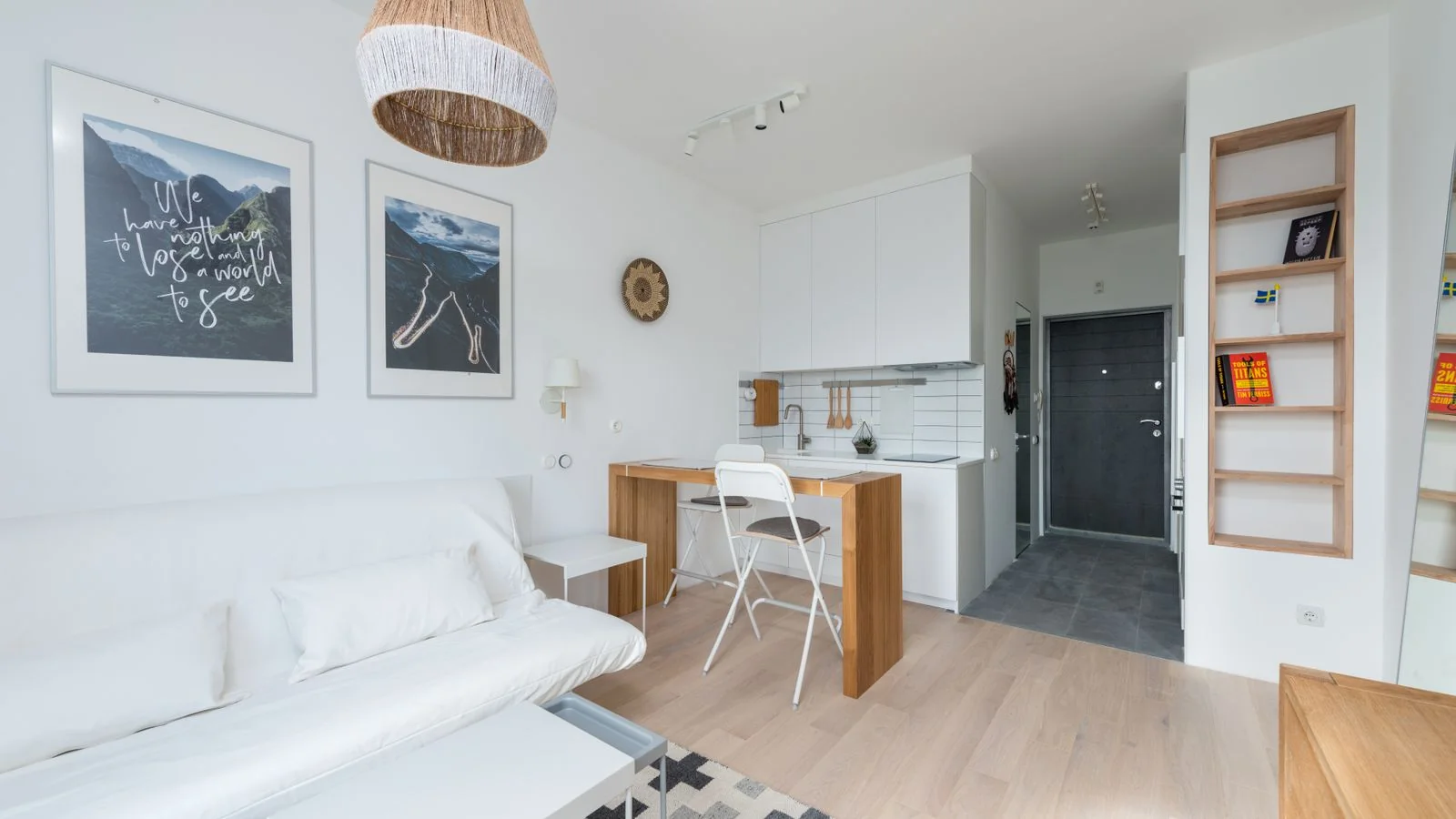
Who gets into an Apartment Therapy house tour, and why is it almost never the person with the slickest press release?
The honest answer is that Apartment Therapy is not a publication that covers brands. It is a publication that covers homes, and the homes belong to readers. Maxwell Ryan, an interior designer, started the site in 2004, and its About page still describes the company as independently owned, nationally distributed and Webby Award winning, with the legal entity listed as Apartment Therapy, LLC. Two decades on, the front door has not moved. It is a form. It asks what your rent is. It wants photographs of a room somebody actually lives in.
Understand that and the rest of how to get featured on Apartment Therapy is logistics. Miss it and you will spend six months emailing a publicist’s template to an editor who only wanted to see your kitchen.
Who actually reads Apartment Therapy, and why that changes your pitch
The About page claims a global audience of 20 million across the site and its social accounts. Third-party estimates are smaller and worth knowing: Exploding Topics’ analytics page for apartmenttherapy.com listed roughly 3 million visits for September 2026, with its own meta description quoting 2.4 million monthly visitors, so even the trackers disagree with each other. Treat 20 million as the brand-wide figure across platforms and treat a few million monthly site visits as the thing your link will sit inside.
The company runs more than one property. Apartment Therapy Media operates The Kitchn, Cubby and Dorm Therapy alongside the flagship, and Apartment Therapy Media calls itself the only media company dedicated to life at home. Leadership is listed publicly: Maxwell Ryan as CEO and founder, Riva Syrop as president, Laura Schocker as chief content officer, and Faith Durand as SVP of content operations, SEO and audience analytics. Charli Penn is named editor-in-chief on the About page.
That last title, SVP of SEO and audience analytics, tells you something about how the place thinks. A Media Operator reported on 5 March 2025 that Apartment Therapy restructured its commerce department in response to Google algorithm changes that hurt traffic, and relaunched Dorm Therapy partly because one-off search visitors do not build a lasting audience. A publisher in that position is not short of pitches. It is short of content that earns a return visit.
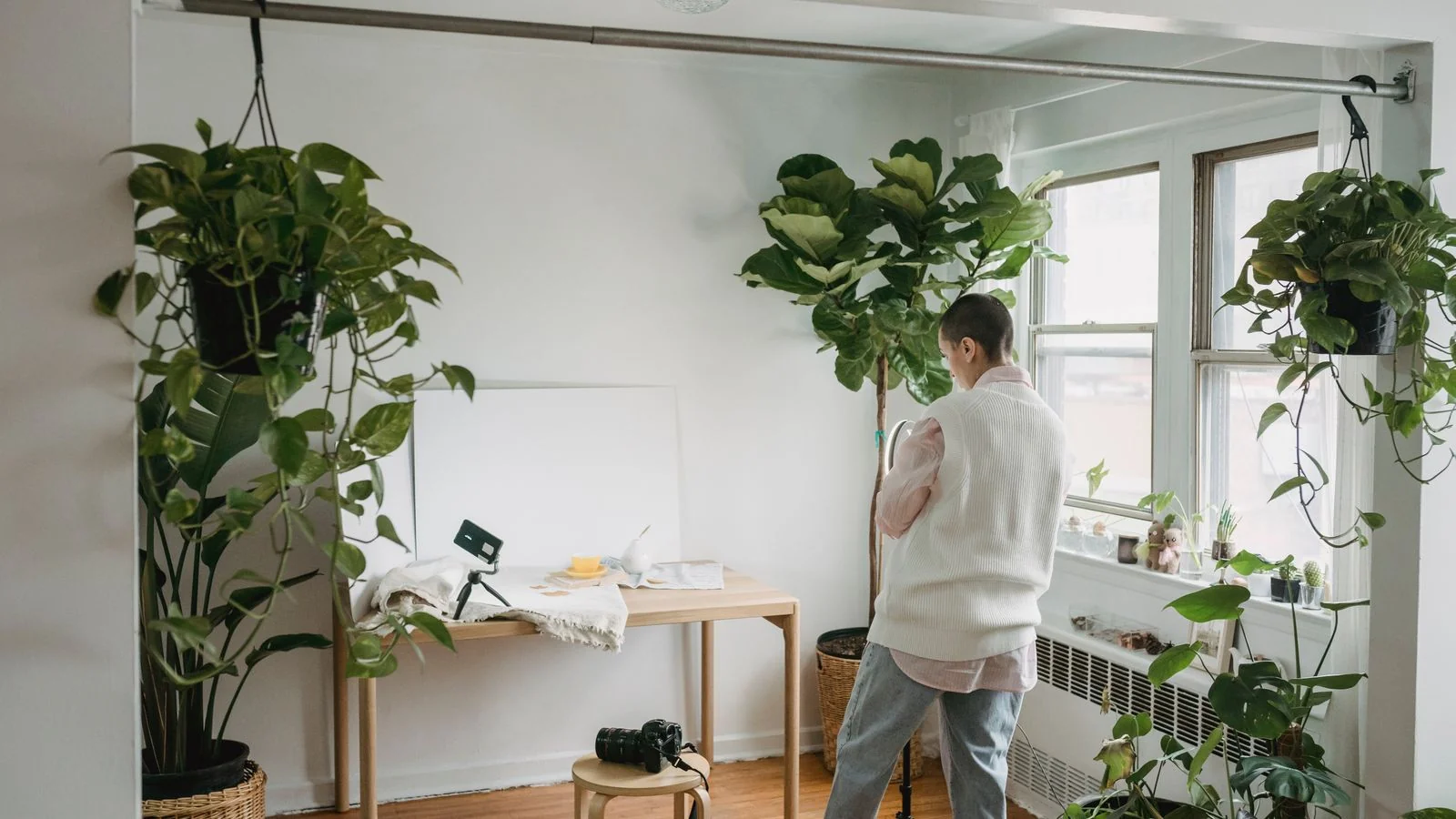
Which is why the house tour still carries so much weight. A real home with real pictures is the one format nobody can mass produce.
The house tour form is the front door, and it tells you exactly what they want
Apartment Therapy’s submissions page lists four routes: share your home, share your DIY or decorating project, share your professional work, and share a story pitch. Questions go to submissions@apartmenttherapy.com. The house tour route resolves to a Formstack form whose internal name is, pleasingly, House Story.
Read the fields and the editorial standard becomes obvious. The form asks for your name, email, pronouns, any blog or site you want credited, your location, and the type of home from a dropdown that runs from studio apartment and loft through tiny house, RV or mobile home, shipping container, houseboat and alternative home such as a treehouse or converted barn. Then square footage, the age of the home, whether you rent or own, bedroom count, an optional monthly rent figure, how long you have lived there, and who you share the place with.
Then it gets to the part most people skip. It asks you to describe the home’s look before you moved in and again now that you have put your stamp on it. It asks how you identify and whether that identity shows up in the art, palette and accessories. It asks for the best or smartest thing you have ever bought for the home, with a link. It asks how you maximised storage, how you made a rental your own with renter-friendly products, and what you have DIYed or renovated.
The photo spec is the hard gate. At least five photos in jpg or jpeg format, each at least 2,000 pixels wide, larger preferred, with a caption under each one listing the main items in the frame and where you bought or found them. Up to eight captioned slots, a bulk upload for more, photo credit and the photographer’s website or Instagram, an attached floor plan with its own credit, and the option to link a Dropbox, Google Drive or WeTransfer folder. The legal block asks you to waive privacy expectations and to agree that nothing obligates Apartment Therapy to use the work at all.
Nothing in that form rewards polish. It rewards a specific home, photographed well, with receipts.
Learn the desks before you write a single sentence
The site publishes its pitch guidance openly, which is rarer than it sounds, and it names the editors. Anyone asking how to get featured on Apartment Therapy should start there rather than guessing at a general inbox.
Tours sit with Adrienne Breaux, house tour director, at adrienne@apartmenttherapy.com. The guidance says she wants unique homes, naming tiny houses, converted vans and barns, or homes with one strong idea behind them: colour, DIY, budget, organisation, renter-friendly solutions. A tour lead needs the location, approximate square footage and a few scouting images, and social media links count as scouting images. She also handles the separate freelance photography pool, which matters if you shoot rather than write.
Style goes to Danielle Blundell, executive home director, covering decor inspiration, trends, storage, shopping guides, small-space and budget tips, before-and-afters and designer projects. Cleaning and organising goes to Quinn Fish, senior lifestyle editor, who wants a stated problem and the kinds of experts who could solve it. Real estate and living both go to Lizzy Francis, senior lifestyle editor: buying, selling, renting, moving, neighbourhoods, mortgages and architecture on one side, and mindful living, wellness, family, green living and money on the other.
The rules are blunt. Check the site search and Google first so you are not pitching something already published. Keep the pitch to a paragraph covering what, why now, why you and why it should be written. Bring a working headline that signals the format. Bring specific examples and links to clips. Do not attach a full draft. Do not pitch the kitchen as recipes or cooking, because that desk wants habits, tools and time. If an editor bites you hear back inside one to two weeks with rate, deadline and voice notes. Silence past two weeks, the page says, means you are free to pitch elsewhere.
The House Story Ladder, five rungs from form to feature
Most answers to how to get featured on Apartment Therapy stop at “submit a house tour.” Call the path what the form calls itself. The House Story Ladder has five rungs, and skipping one is the most common reason a good home never runs.
The first rung is the Constraint. Every tour that gets published has a sentence that explains why this home and not the ten thousand others: 450 square feet, a rental with no permission to paint, a converted barn, a budget of nothing. Pick your constraint before you pick your photos. If you cannot say it in one line, you are not ready to submit.
The second rung is the Shot List. Five horizontal jpgs at 2,000 pixels wide is the floor, not the target. Shoot in daylight, shoot the whole room rather than the styled corner, and caption every frame with where each object came from. Credit your photographer by name and handle, because the form has a field for it and an uncredited image is an editorial problem the desk will not solve for you.
The third rung is the Receipts. The form asks for rent, square footage, build year, tenure and purchase links because those details are what readers search for. Vague answers get a vague story. Give the actual number, give the actual retailer, give the actual DIY sequence.
The fourth rung is the Desk. Tours to Adrienne Breaux. A before-and-after to the project form or to Danielle Blundell. An organising system to Quinn Fish. A rental-market angle to Lizzy Francis. Sending all four to all four is the fastest way to be read as a publicist rather than a person with a home.
The fifth rung is the Second Ask. A published tour is proof you did not have before, and the follow-on routes are real: the professional work form, the awards programmes, the designer lists. Climb the ladder once and the second climb is shorter.
Why is a brand pitch harder than a home submission?
Because Apartment Therapy has written down, in two separate places, that you cannot buy your way in.
The commerce guidelines say editors independently choose what they feature, that affiliate commissions do not influence the picks, and that the site never accepts a product in exchange for coverage or a positive review. Brands and PR agencies can send products for consideration, but the page says those are tested like anything else, used at home for weeks or months to check whether they do what they claim, and compared head to head on price, ease of use and durability. An editor who is unhappy with a product will not recommend it. The FTC disclosure page adds that sponsored posts are clearly highlighted as sponsored advertising, kept out of the editorial stream, and produced apart from the editorial process, and that no cash or in-kind payments are solicited or accepted for editorial posts.
Read together, those two pages describe a publication with a wall through the middle of it. Editorial coverage is earned with a product that survives months of real use. Paid coverage is available and visibly labelled as paid. There is no third door, and pitching as though there is one is how brands get filtered out.
This is where Instant Press’s own catalog data is worth putting next to the ambition. Across 1,016 publications in the main catalog, the median selling price is $1,500 and mean Domain Authority is 62.3, with 174 outlets above DA 80. The genre spread is 713 news titles against just 73 lifestyle. Home and shelter editorial at this level is thin supply, which is exactly why it holds value and exactly why it does not price like a news placement.
Build the credit stack that opens the second door
Keep an honest map of which programmes are live, because a dead contest will eat your quarter. Small/Cool was the famous one: homes of 1,000 square feet or fewer, a $1,000 grand prize, four $250 category winners for Vibe, Cleverness, Creativity and Functionality, a May submission window and July voting. The most recent Small/Cool content on the site’s own collection page is 2023, so treat it as dormant until the site says otherwise.
What is live is newer. The inaugural Best in Home Awards published on 4 June 2026 with 68 winners across Bedroom and Sleep, Living Room, Dining and Entertaining, Decor and Accents, Outdoor and Pets, selected by editors on style, durability, function, quality and everyday livability rather than by brand submission. The Organization Awards ran in 2025. And on 28 July 2026 the site named its first New/Next class of five designers: Daniela Araya, Ariene Bethea, Julia Chasman, Kristin Keyes and Gabriel Yuri, chosen by a panel of editors on creativity, originality, quality of work and contribution to how people live at home.
That last detail is the one to hold onto. Those five designers were not nominated by a publicist and they were not covered because a brand paid for it. The announcement says each honoree applied. Ariene Bethea filled in a form, sent her work to a panel of editors, and got a named place in the first class of a programme that did not exist the year before. That is the whole mechanism of this publication in one line, and it is available to you for the cost of good photographs and an honest answer about your rent.