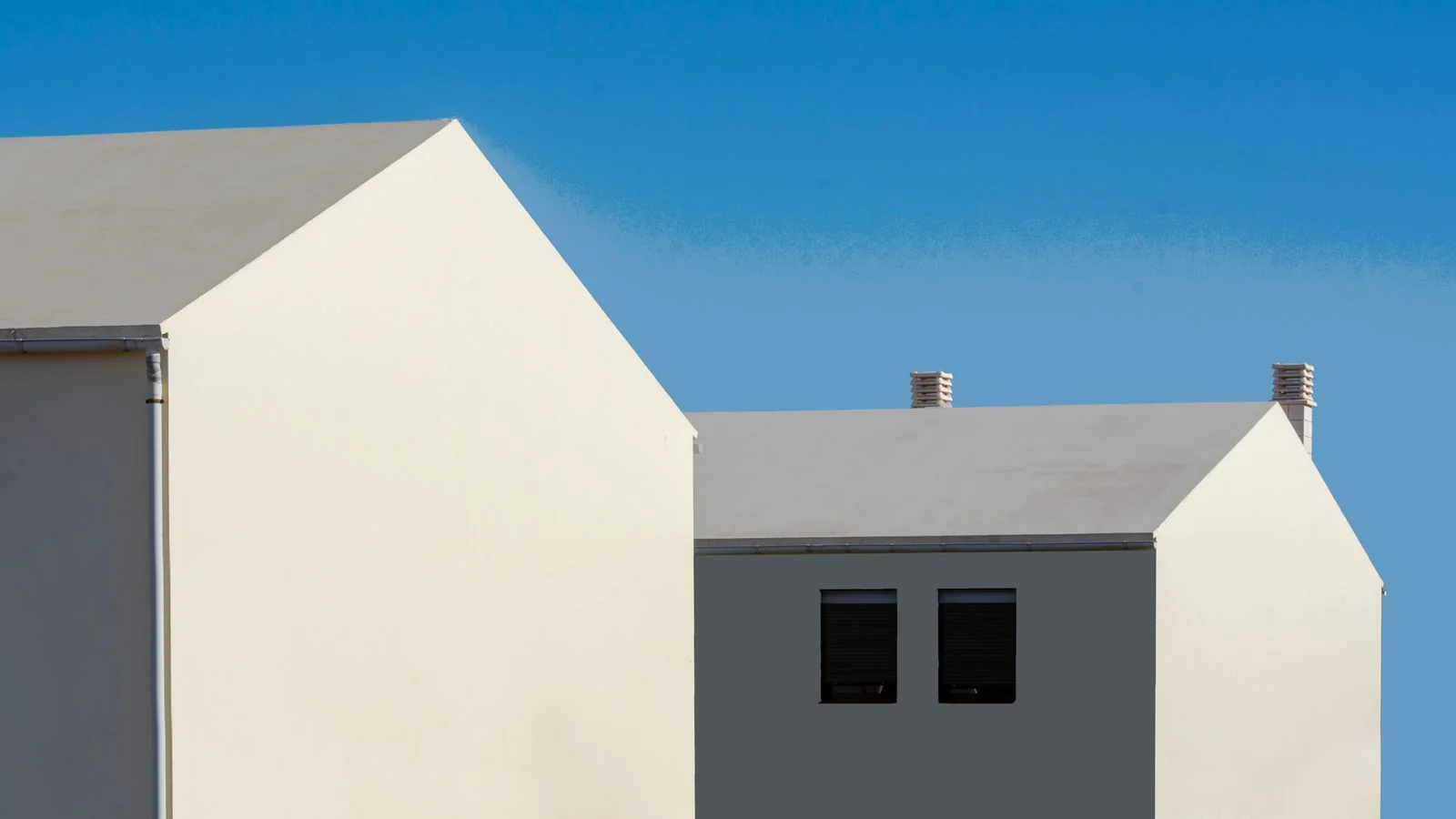
“This is an ingenious and low-cost way of creating rather remarkable residential space for so many people.” That is Barbara Bestor, founding principal of Bestor Architecture, speaking as a juror for the Dwell Design Awards in the winners announcement Dwell published on December 20, 2021.
Read the sentence again and notice what is absent. No agency. No campaign. No quotable founder. A working architect looked at a building and said it was clever, cheap and generous to the people inside it. That is the whole brief for anyone asking how to get featured in Dwell, and it is why most pitches to the title die before an editor finishes scrolling the first image.
Dwell does not run profiles. It runs houses. The home is the subject, the owner is a supporting character, and your email is a delivery mechanism for photographs. Get that order wrong and nothing else matters.
Dwell is project-led, and that changes the whole pitch
Lara Hedberg Deam launched Dwell in October 2000 with Karrie Jacobs as founding editor in chief. The title won the National Magazine Award for General Excellence in April 2005, in the 100,000 to 250,000 circulation category. The pivot that matters most to anyone pitching today came later: in the summer of 2016 Dwell relaunched as a community publishing platform, so the brand stopped being only a magazine and became a searchable database of homes that readers and professionals could add to themselves.
Ownership has moved twice since. Recurrent acquired Dwell in 2022. Then, on May 1, 2026, Business of Home reported that Ziff Davis was buying Dwell, Domino and Business of Home from Recurrent Ventures, along with Popular Science, and folding the three home titles into a new lifestyle group. Business of Home founder Julia Noran Johnston, who will lead that group, said in the same report: “I am incredibly proud to lead this next chapter for Dwell, Domino and Business of Home.”
In practice that means the editor reading your email in 2026 sits inside a larger publisher with a wider home portfolio, and a project that misses Dwell might still land at Domino. The bar at Dwell itself has not dropped.
Print is real but narrow. Dwell’s own support pages describe Dwell All Access as six magazine issues a year plus Dwell+ digital access. Six issues is very little room. Almost everything Dwell publishes lives on the web, and almost every home tour appears there first.
Here is the part that PR people resist. Instant Press’s own catalog carries 1,016 publications plus roughly 228 Fast Press outlets, with a median selling price of $1,500 and standard placements turning around in one to three days. That machinery works beautifully for news, business and crypto, where News alone accounts for 713 of the catalog. It does not work here. Real Estate is 13 publications in that catalog, and Dwell is not one of the doors money opens. No pitch fixes a boring building.
Which desk should get your pitch?
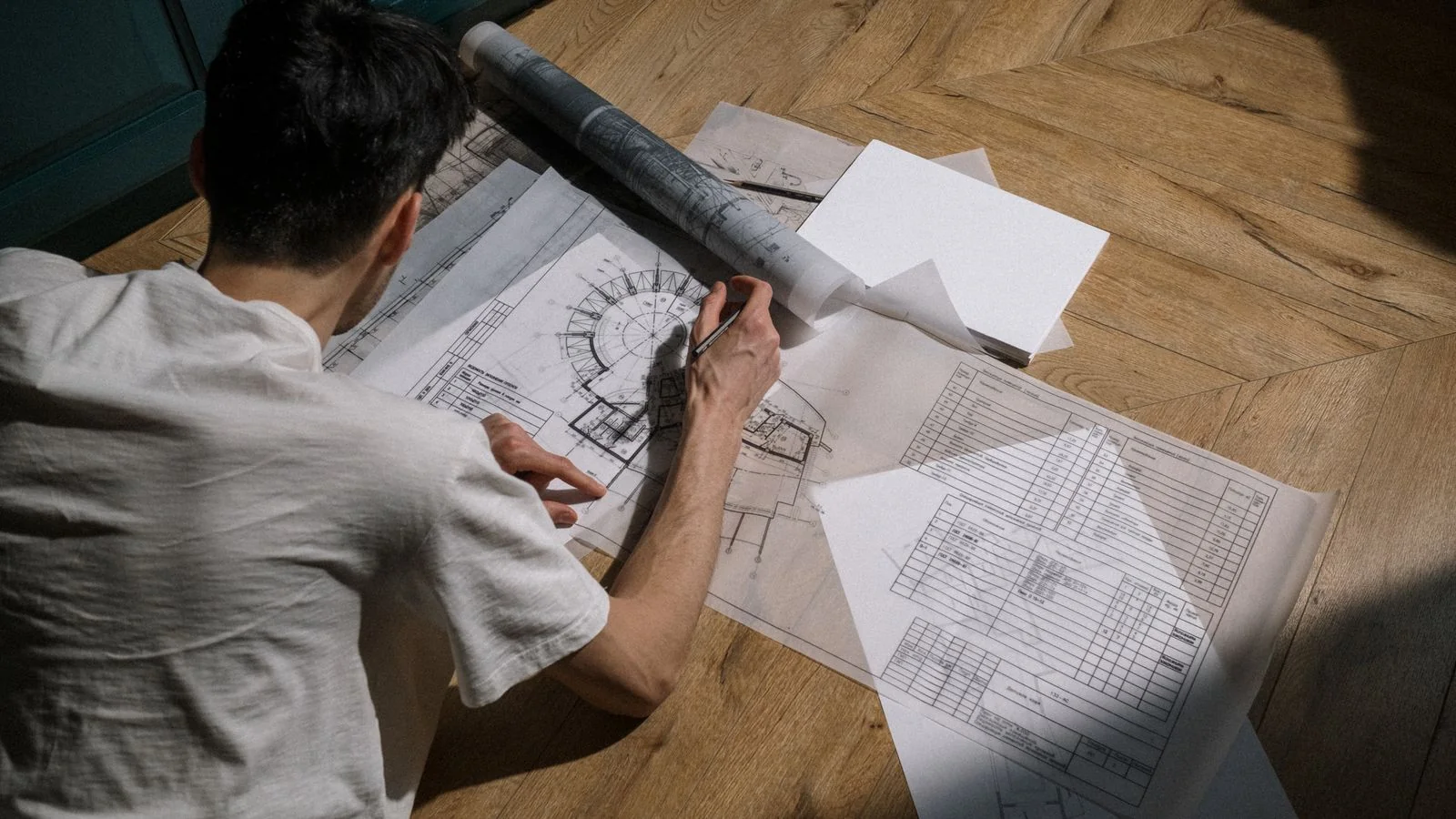
Dwell publishes its own pitch guide, and it is unusually specific about who handles what. General pitches go to edit@dwell.com. Homes, design news and prefab sit with Mike Chino, senior design editor, and Duncan Nielsen, design news editor. Culture, meaning art, books, film, tech and internet trends, belongs to Sarah Buder, senior culture editor. The Ideas desk, covering housing, planning, climate and policy, is Kate Dries, executive editor, working with Jack Balderrama Morley. Guides and Shop both run through River Davies, market editor. Photography, illustration and video go to Valeria Suasnavas, senior visuals director, and Alex Casto, visuals editor. Homes for sale have a separate address: realestate@dwell.com.
The print magazine is Jack Balderrama Morley’s brief as managing editor, and Dwell’s guidance on timing is blunt. Print schedules require a long lead, so reach out at least four months in advance. The same page lists 2026 themes, including the Generations Issue in January and February and the Money Issue in March and April. If your project is about inherited property, multigenerational living, or what a build genuinely cost, those are your doors, and you needed to knock on them last spring.
Then there are the franchises, and matching one is the fastest route to a yes. On the Design side Dwell runs Before & After, Budget Breakdown, My House, Rental Revamp, Real Estate, Design News, and Prefab and Tiny Home Profiles. Culture runs You Lived Where?, One Night In, Different Strokes and The Trend Times. Guides runs How They Pulled It Off. Shop runs Someone Buy This! Pitching “a beautiful modern home” is a pitch to nobody. Pitching a Budget Breakdown is a pitch to a slot that exists and needs filling every week.
Budget Breakdown carries a hard requirement: a detailed cost list with a grand total. Most homeowners will not hand that over. The ones who do get published.
If you write rather than build, Dwell states its rates in public. Web work starts at 50 cents per assigned word and print starts at a dollar, with set fees of $400 for 600 to 800 word Design franchise pieces and $350 for Design News. Photography starts at $100 for web, with most print assignments between $1,000 and $2,000. Invoices are paid within 30 days. That transparency is rare, and it tells you the title treats contributors as a pipeline rather than a favor.
Build the submission Dwell’s editors ask for
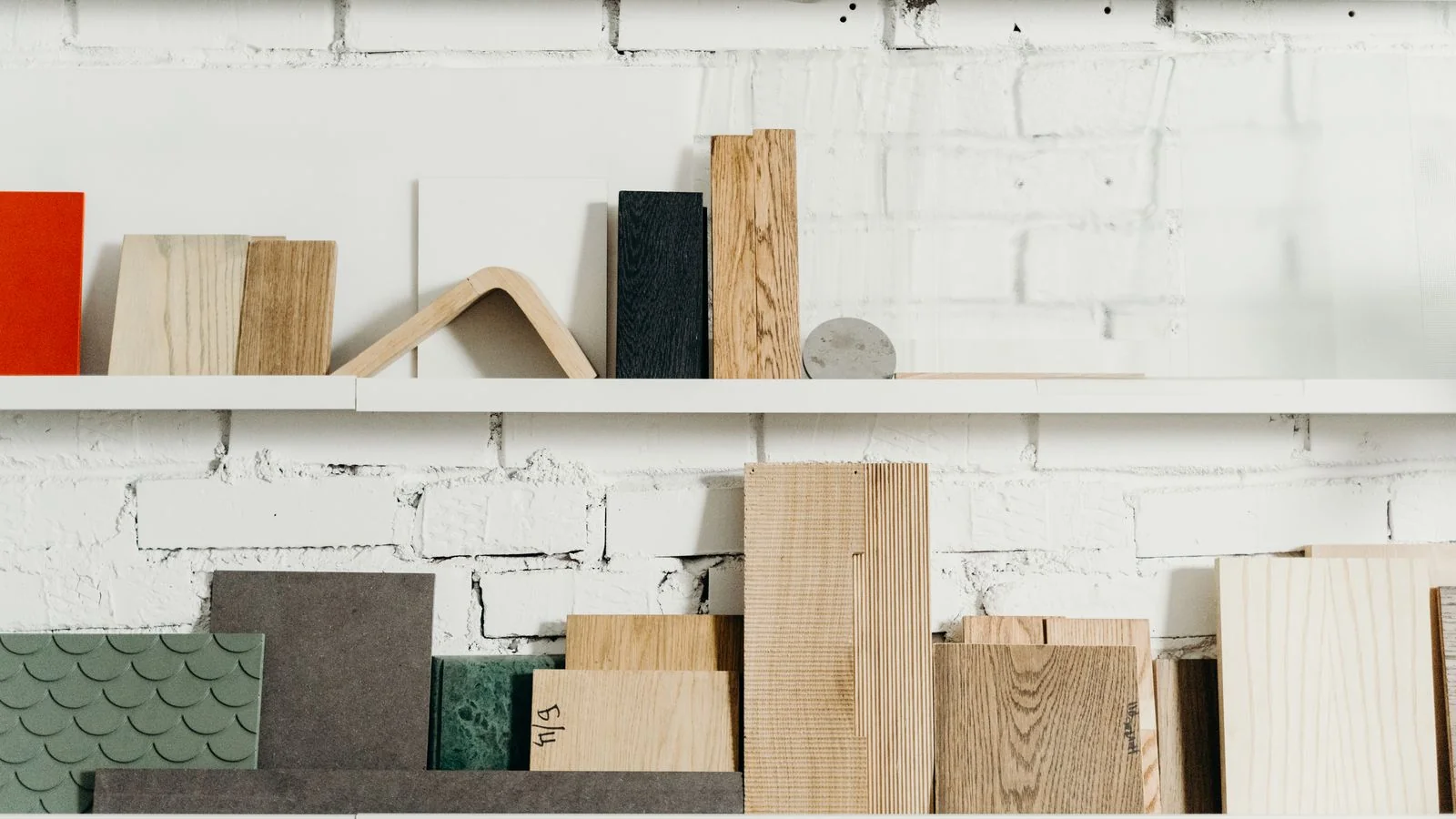
Dwell’s pitch guidance names the shots it wants: living room, dining room, kitchen, main bedroom, main bathroom, the street-facing facade and the rear-facing facade. Seven frames. Take overall shots that show the full room rather than vignettes. Do not apply filters. Do not use what Dwell calls wonky angles or other camera tricks. Above all, do not send styled images, because editors want to see the residents’ real furniture and how they actually live in the house.
That last instruction is where agency habits go to die. The reflex is to clear the counters, borrow a vase and shoot at golden hour. Dwell reads that as a brand asset, not a home. Casual and iPhone photos are fine, and the title commissions its own photography for projects it decides to run, so your job is evidence, not art direction.
Alongside the images, Dwell asks for the facts that decide whether a story exists. Square footage. Completion date. Who lives there. Notable materials and any sustainable techniques. Whether the project has won or been submitted for awards. Whether it has appeared anywhere else in print or online, including design blogs, because prior publication is close to disqualifying. And whether the owners or renters are willing to be named and photographed, which is a question many pitches never think to ask before sending.
There is a related question editors get asked constantly, and Dwell has answered it in writing: there is no fixed Dwell aesthetic. The title says it promotes good design for everyone, that it features outstanding homes and other spaces from around the world with noteworthy stories about their creation, and that it treats modern as a philosophy of living rather than a style. A Dwell home is a thoughtful one. That phrasing is doing real work. It rules out the white-box minimalism people assume the magazine wants, and it rules in a 1970s cabin, a converted garage, a council flat, or a house built from what was already on the site, provided the decisions behind it can be explained.
Two mechanical details matter more than they should. Put the images in the email body. Dwell’s guidance says not to send unsolicited Dropbox or other file-storage links, and an editor who has to request access has already moved on. And keep the note short: a brief description plus a sentence on why the project fits Dwell.
Worth noting what Dwell does not demand. Its published guidance says nothing about floor plans or a formal credits sheet, which many architecture titles treat as mandatory. Include them anyway if the project is print-worthy, because the magazine will need them eventually, but do not let their absence stop you from sending today. The honest version of how to get featured in Dwell is that a strange, modest, well-documented house with no floor plan beats a polished package around a house with nothing to say.
The awards, the series, and the long game
Look at what Dwell has rewarded when it ran a competition. The 2021 Dwell Design Awards winners, announced on December 20, 2021, were Casa Ter by Mesura in Dwellings, Loom House by The Miller Hull Partnership with interiors by Charlie Hellstern Interior Design in Renovations, Caterpillar by Undecorated and Studio Detroit in Prefabs, Jesse’s House by Jobe Corral Architects in Small Spaces, Mit Chit House by Looklen Architects in Gardens, Round House by Feldman Architecture in Kitchens, and House Recast by Studio Ben Allen in Bathrooms. The jury included Bestor, Tosin Oshinowo of cmDesign Atelier, Chris Cornelius of Studio:Indigenous and Jared Blake of Lichen. Not one of those winners is a mansion. The awards have not run on a reliable annual cycle since, so treat them as an opportunity to watch for rather than a plan.
The brand also builds. On September 20, 2022, Dwell announced the Dwell House, a 540 square foot prefab accessory dwelling unit designed with the Danish studio Norm Architects, with pricing from $389,000 and permitting, construction and delivery handled by Abodu. Field Mag traced the project back to a Dwell prefab competition in 2004 and described the design as functional rather than flashy. A publisher that spends eighteen years turning a competition brief into a shippable backyard unit is telling you exactly what it values.
There is also a self-serve route that most people miss. Dwell’s Post a Project page at dwell.com/addhome lets anyone add a home to the platform with a photo or two, a high-resolution cover image, a short description and optional tags for year built, structure type and awards. It is not a feature, and it will not get you a home tour. It does put your project inside the database editors search when they are building a roundup, which is how a surprising number of small firms first surface.
Set your expectations against Dwell’s own standards page. Stories are fact-checked, every piece gets at least one editor’s review, sponsored content is labeled, and Dwell does not show editorial pieces to sources before publication. You will not approve copy. For major stories, editors visit the architecture themselves. Across 1,200 journalist relationships and more than 2,000 placed articles, Instant Press has learned that this kind of title rewards patience: standard outlets move in days, top-tier placements take one to four weeks, and a project-led magazine like Dwell works on the building’s timeline, not yours.
Shoot the house honestly, name the desk, send the seven frames, and the answer to how to get featured in Dwell stops being a question about PR and becomes a question about architecture.
Build something worth photographing, document it before anyone else does, and the feature tends to find you.