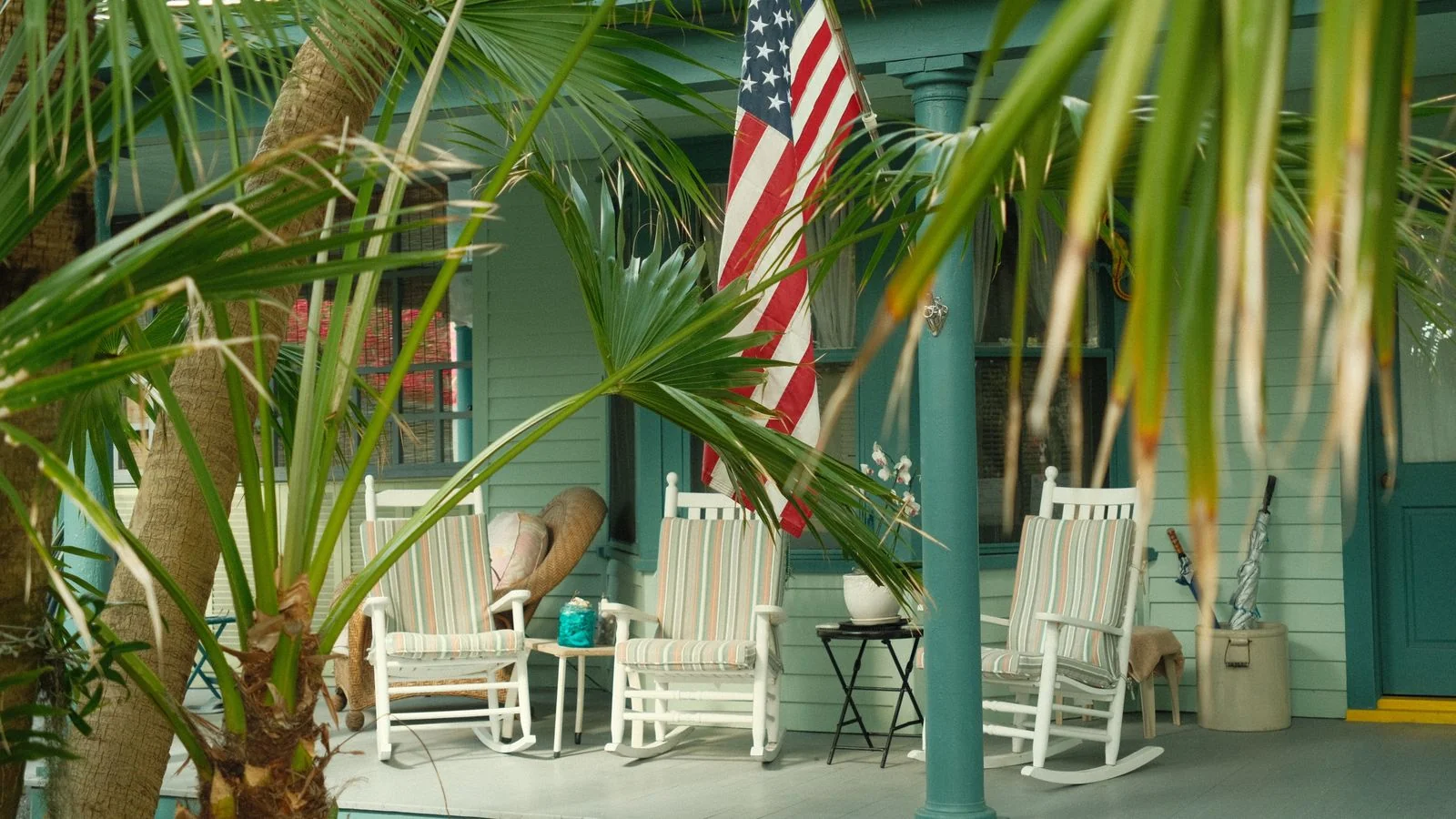
Southern Living averaged 2.8 million copies per issue across print and digital in the second half of 2024, according to Alliance for Audited Media figures reported by Press Gazette in March 2025. Its print edition alone ran 2.2 million copies, the largest of any title outside AAM membership in that report. For a regional lifestyle magazine based in Birmingham, Alabama, that is a national-scale audience, and it is why restaurant owners, interior designers, innkeepers and tourism boards keep asking the same question: how to get featured in Southern Living when you cannot buy the page?
The honest answer is that you do not buy your way in, and a cold email to the editor in chief rarely does it either. Southern Living finds most of its subjects through a handful of repeatable systems. Learn those systems and you stop guessing.
Why a Southern Living feature still carries weight
The magazine turns 60 in 2026, and editor in chief Sid Evans laid out its current reach in a July 2026 interview with Bham Now: 2.5 million paid subscribers, 9.5 million social followers, 17 million unique site visitors a month and more than 400 digital articles published every month. Evans also said about half of the audience lives outside the South. That last number matters more than the others. A Southern Living mention reaches people in Ohio and California who are planning a trip to Savannah or saving a recipe for Thanksgiving, which makes it a buying signal, not just a vanity clip.
The parent company changed too. Dotdash Meredith renamed itself People Inc. on July 31, 2025, and the company says more than 175 million people use its brands each month. Southern Living sits beside People, Food & Wine, Allrecipes and Better Homes & Gardens inside that group. Several of the magazine’s 2025 and 2026 South’s Best and Idea House stories also ran on AOL, so one feature can travel further than the print run suggests.
Print slots are scarce and planned months ahead. The website needs 400 articles a month, which is where a well-timed pitch has its best odds.
The Five Porches: a map of how Southern Living finds people
Looking across the magazine’s recent press releases, local coverage of its picks and the stories of people it featured, I sort its sourcing into five entry points. I call it the Five Porches framework, because each one is a front porch the editors already sit on and watch the street from. Your job is to walk past the right porch, at the right time, with something worth looking at.
Porch one is the reader ballot behind the South’s Best awards, where readers do the nominating. Porch two is the Idea House and the network of Southern Living Inspired Communities, which runs on builders, architects, garden designers and interior designers. Porch three is the food desk, which goes out and scouts cooks, bakers and pitmasters for features such as its Cooks of the Year package. Porch four is the town and travel story, where an entire Main Street gets covered at once. Porch five is the direct editorial pitch to a section editor, the only porch most people know about and the most crowded.
Each porch has a different gatekeeper and a different calendar. The mistake I see most often is a business pitching porch five (an email to an editor) when its real story belongs on porch one or porch four. A barbecue joint should be working the ballot. A boutique in a charming small town should be selling the town, not the shop.
Score yourself on each porch from zero to two. Zero means you have nothing to show that gatekeeper. One means you have the raw material but no proof. Two means you have the material, the proof (photos, numbers, third-party coverage) and the date the door opens. Anything scoring two gets your attention this quarter. Anything scoring zero gets dropped from the plan.
Porch one: get on the South’s Best ballot
South’s Best is the clearest open door the magazine has, and it is run by readers. People Inc. announced the 10th annual winners on March 12, 2026, with full coverage in the April 2026 issue on sale March 20. Sid Evans framed the program in one line: “we can trust our readers to know the South better than anyone.”
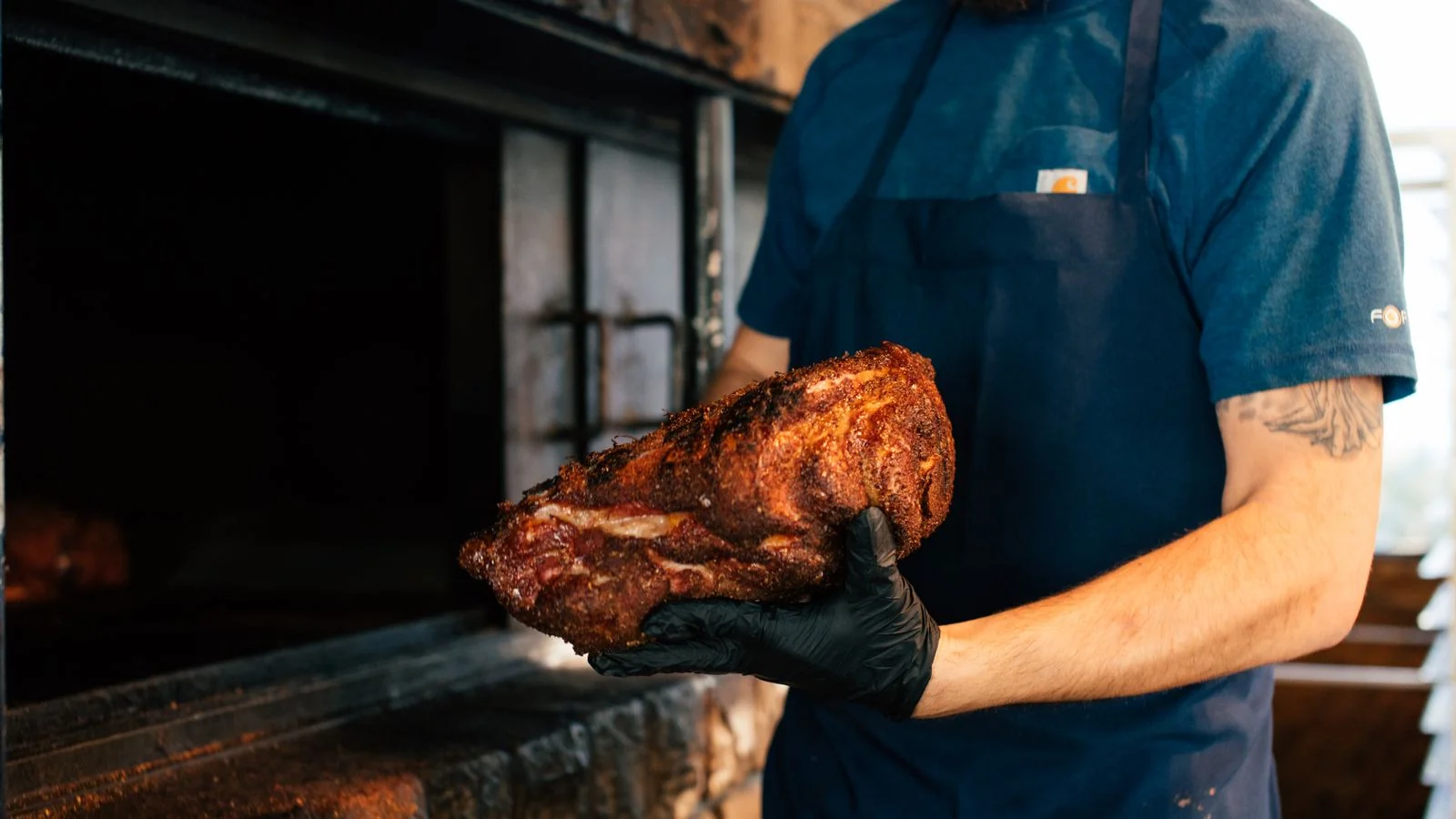
The lists are broad. The 2026 edition named Charleston, South Carolina, the No. 1 city in the South for the tenth year running, followed by Savannah, Asheville, Nashville and New Orleans. It added a new golf destinations ranking led by Pinehurst, North Carolina. It named top new hotels (The Flat Iron Hotel in Asheville took first) and a best barbecue joint in each of 16 states, from Dreamland Bar-B-Que in Tuscaloosa to Franklin Barbecue in Austin and Lewis Barbecue in Charleston. Classic restaurants, legendary restaurants and inns had their own categories.
The calendar is what most businesses miss. Visit Jackson, the Mississippi tourism bureau, told its community that voting for the 2027 awards was a write-in survey on southernliving.com that closed September 30, 2026, with a ranked Readers’ Choice round to follow in the fall and winners appearing in the April issue. Write-in matters here. Readers must type your name from memory, so the businesses that win are the ones whose regulars are reminded, by name, with the exact category to type.
Visit Jackson’s release is a model worth copying. It told locals which categories to enter (South’s Best City and South’s Best Food City), then suggested specific write-ins: Campbell’s Bakery for best bakery, The Pig & Pint for best local barbecue joint, the Library Lounge at Fairview Inn for best hotel bar. That is an organized ballot campaign, run in public, and it costs nothing but attention.
If the 2027 window has passed, start building your customer list now and plan the reminder for late summer 2027. A South’s Best mention also becomes proof for every pitch you send afterward.
Porch two: build or design your way into the Idea House orbit
The Idea House is close to four decades old and is the magazine’s flagship showcase for home professionals. The 2026 house sits in Fredericksburg, Texas, inside Frieden, a 130-acre Southern Living Inspired Community, according to the January 28, 2026 announcement. The team behind it is a roster of local talent: Kurk Homes as builder, Andrew Bray of Mustard Architects, Melissa Gerstle of Melissa Gerstle Design on the grounds, and interior designers Jean Liu, Marcus Mohon and Paloma Contreras. Tours run September 18 through December 20, and the house appears in the October 2026 issue. Evans told Bham Now he expected about 15,000 visitors.
Two lessons sit inside that release. First, the professionals are chosen from the host market. If you are a builder or designer in a region where Southern Living has an Inspired Community, your odds are far better than a firm with no local tie. Second, look at the lead time. The house was announced in January for an issue on newsstands in September. Home content is planned most of a year out, so a home pitch sent in August is pitching next year.
The Inspired Community program is the quieter half of this porch. A 2017 Shelby County Reporter story on Mt Laurel, Alabama, noted that the magazine’s editors had picked that development as one of 14 Inspired Communities nationwide, and that its showcase home was built by Town Builders Inc. with interiors by Kay Green Design. Developers who earn that designation bring their builders and designers into the magazine’s orbit with them.
Designers have a third path with more history than certainty. In October 2014, Southern Living and Coastal Living announced a Designer Network at High Point Market, with editors reviewing every applicant and Tobi Fairley of Little Rock as the first member. By June 2015, Richmond Magazine reported that Susan Jamieson of Bridget Beari Designs was one of 30 designers chosen. I could not confirm the network still accepts applications in 2026, so treat it as a signal of what editors value: work that already “resembles the looks we show in our pages,” in Evans’s 2014 words. Build a portfolio that looks like Southern Living before you ask Southern Living to look at it.
Porch three: be the cook editors go looking for
The food desk scouts. It does not wait for submissions. The best illustration I found is Amanda Mack, the Baltimore baker behind Crust by Mack at Clipper Mills Whitehall Market. In August 2021, CBS News Baltimore reported that Southern Living had named her one of its Cooks of the Year, one of five people in the country selected for that issue. Mack’s reaction tells you how the selection worked: “I didn’t even know. I did not even know. It was a surprise!” She said the magazine “scoured the country” for the chefs it wanted.
Nobody pitched Mack into that package. What put her on the radar was a body of public evidence: a small-batch bakery with a distinct point of view, local press that had already told her story, and community work (CBS noted she had donated more than $10,000 to local charities in her first year). Editors who scout lean on exactly that trail. They search, they read local coverage, they ask people they trust.
So the food porch is about being findable and specific. One signature item with a story behind it beats thirty fine dishes. A profile in your city magazine or a regional food site gives a Birmingham editor something to read before calling you. A family method, a regional ingredient or a technique you can explain in one sentence is raw material for a food editor building a package.
This is also where the earlier clips earn their keep. Our catalog at Instant Press covers 1,016 publications, and 73 of them are lifestyle titles. A founder or chef who lands two or three lifestyle features first gives a scouting editor a paper trail to find. That is not a back door into Southern Living, and nobody can sell one. It is the trail scouting editors follow.
Porch four and five: the town story and the editor-ready pitch
Some of the most generous coverage the magazine gives goes to whole towns. In August 2024, WVIR 29News covered how Southern Living had spotlighted the restaurants and shops of Gordonsville, Virginia. Jill Grant, owner of the Main Street home decor shop Gillian Valentine, summed up the reaction: “It was so special. It’s just unbelievable.” She did not get there with a solo pitch about pajamas. The town got covered, and her shop came along.
That is the play for small businesses in small places. Work with your tourism office, Main Street program or chamber. A pitch that says “here are eight independent businesses on four blocks, here is why this town is worth a weekend” fits the magazine’s travel coverage far better than a single storefront ever will. Charleston shows the ceiling. When it won South’s Best city in 2020, the Post and Courier reported an eight-page spread naming The Dewberry, The Grocery on Cannon Street, Blue Bicycle Books, Bertha’s Kitchen and others. A town win lifts every business named inside it.
Porch five, the direct pitch, still works when the other porches do not fit. The rules are the ones any senior publicist follows, and they apply with more force to a monthly glossy. Pitch the section, not the masthead; home, food, travel and garden stories go to different desks, and a note addressed to the editor in chief about a new candle line is a note nobody acts on. Match the calendar; the Idea House schedule shows how far ahead print plans, so a holiday pitch belongs in spring or early summer. Send visual proof with the first email, because this is a photography-led magazine and an editor needs to see the porch, the plate or the room before saying yes.
Verify every name before you send. Mastheads change, and contact lists that circulate online often date back years. The safest move is to check the current masthead in a recent issue and cross-reference bylines on southernliving.com for the section you want. You can browse more of our pitching guides on the Instant Press blog.
The short version
Learning how to get featured in Southern Living is mostly a matter of picking the right porch. Restaurants, bars, hotels and inns should treat the South’s Best ballot as their main channel and run an open, named write-in campaign every summer before the September deadline. Builders, architects and designers win through the Idea House and Inspired Communities, which means local ties and a portfolio that already fits the magazine’s look. Cooks and bakers get scouted, so the work is building a findable trail of local and lifestyle coverage. Small-town shops do best when the whole town pitches together.
The direct editorial pitch is the fifth porch, not the first. Use it when you have visual proof, a clear Southern angle and a send date months ahead of the issue you want.
Score yourself honestly on all five, pick the one or two that score highest, and put your next six months there. That is how to get featured in Southern Living without wasting a year on the wrong door, and it is the same discipline that gets you into any magazine with a national audience and a regional heart.