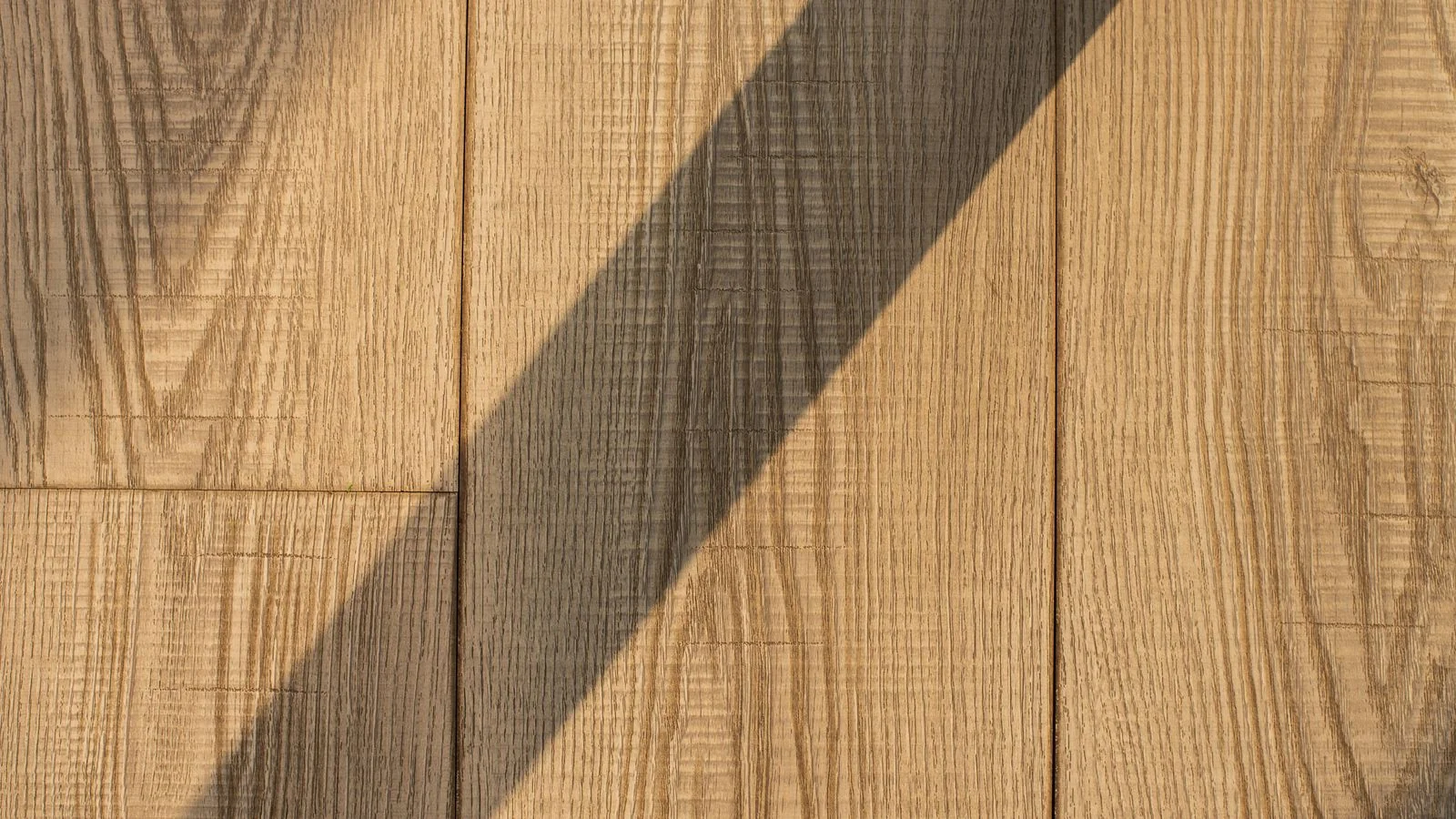
You just finished the best install of the quarter. Wide-plank white oak, a kitchen that photographs like a magazine spread, a homeowner nearly in tears. You post it to Instagram, get forty likes, and move on. A features editor two miles away spent that same afternoon hunting for a home story to fill next month’s issue and came up empty. You had the story. She had the audience. Nobody connected the two.
That disconnect is the whole problem with press for flooring companies, and it is fixable. Flooring is visual, local, tied to money and memory, and almost no competitor is pitching it. Reporters are drowning in press releases from software startups and restaurants, and starved for real, photographable, human stories about the places people live. Your job is to hand them one. Here is how.
Reporters want a floor with a story, not a product
The mistake nearly every flooring company makes is pitching the material. Nobody outside the trade wants to read about the wear layer on a luxury vinyl plank. What a reader wants is the reason a family finally tore out the carpet their kids grew up on, or the story of a floor salvaged from a demolished barn and reborn in a downtown loft.
The floor is the visual. The decision behind it is the story. Once you separate those two things, pitching gets easier, because you stop asking a reporter to care about a product and start handing them a person making a choice. A reclaimed gym floor turned into a brewery taproom is a story. A discontinued color matched perfectly for a historic home is a story. The same install, described as “premium engineered hardwood,” is a spec sheet, and spec sheets get deleted.
Train yourself to hear the story while you are still on the job. When a homeowner tells you why they finally replaced the carpet, or an installer mentions the odd history of the wood you are laying, that offhand detail is usually the pitch. Keep a note on your phone of jobs that carry one, because the difference between a flooring company that gets press and one that does not is rarely the quality of the work. It is whether anyone recognized the story standing in the room and wrote it down before it was forgotten. The material is the same on every job. The story is what you have to notice and capture.
Five angles that get a flooring company covered
The first angle is reclaimed and salvaged material. Wood with a past carries built-in narrative. A floor pulled from a torn-down schoolhouse, a courthouse, or an old factory gives a reporter history, sustainability, and a strong photo in one package.
The second is the historic match. When you track down the exact species and cut to restore a landmark home or a century-old storefront, you have a preservation story. Local heritage sells, and the research you did becomes the plot.
The third is the transformation with a human center. Not “we redid a floor,” but “a couple who almost sold their house after a flood decided to stay, and the new floor was the reason.” The water damage is the tension. The choice to stay is the heart.
The fourth is the trend and data angle. You know what your market is buying because you order it every week. Tell a reporter that homeowners in your county have swapped gray for warm honey tones, or that herringbone requests tripled this year, and you become the quoted expert in a story rather than the subject of one.
The fifth is the community or workforce angle. If you are training apprentices, hiring veterans, or donating installs to a Habitat build or a women’s shelter, that is a jobs or human-interest story. It reaches a wider audience than the home section and it builds the kind of goodwill that no advertisement earns.
Choose one angle per pitch rather than stuffing several into a single email. A reporter wants one clear story with one photo and one person to talk to, not a menu. Look at the jobs on your calendar and the ones you just finished, find the one with the strongest visual and the best human detail, and build the pitch around only that. Save the others for later in the year, so your coverage stays varied instead of blurring into the same story told twice. A flooring company that pitches one sharp, well-chosen angle a month will out-earn one that occasionally dumps every idea it has into a reporter’s inbox and hopes something sticks.
The Renovation Ride-Along that reporters cannot resist
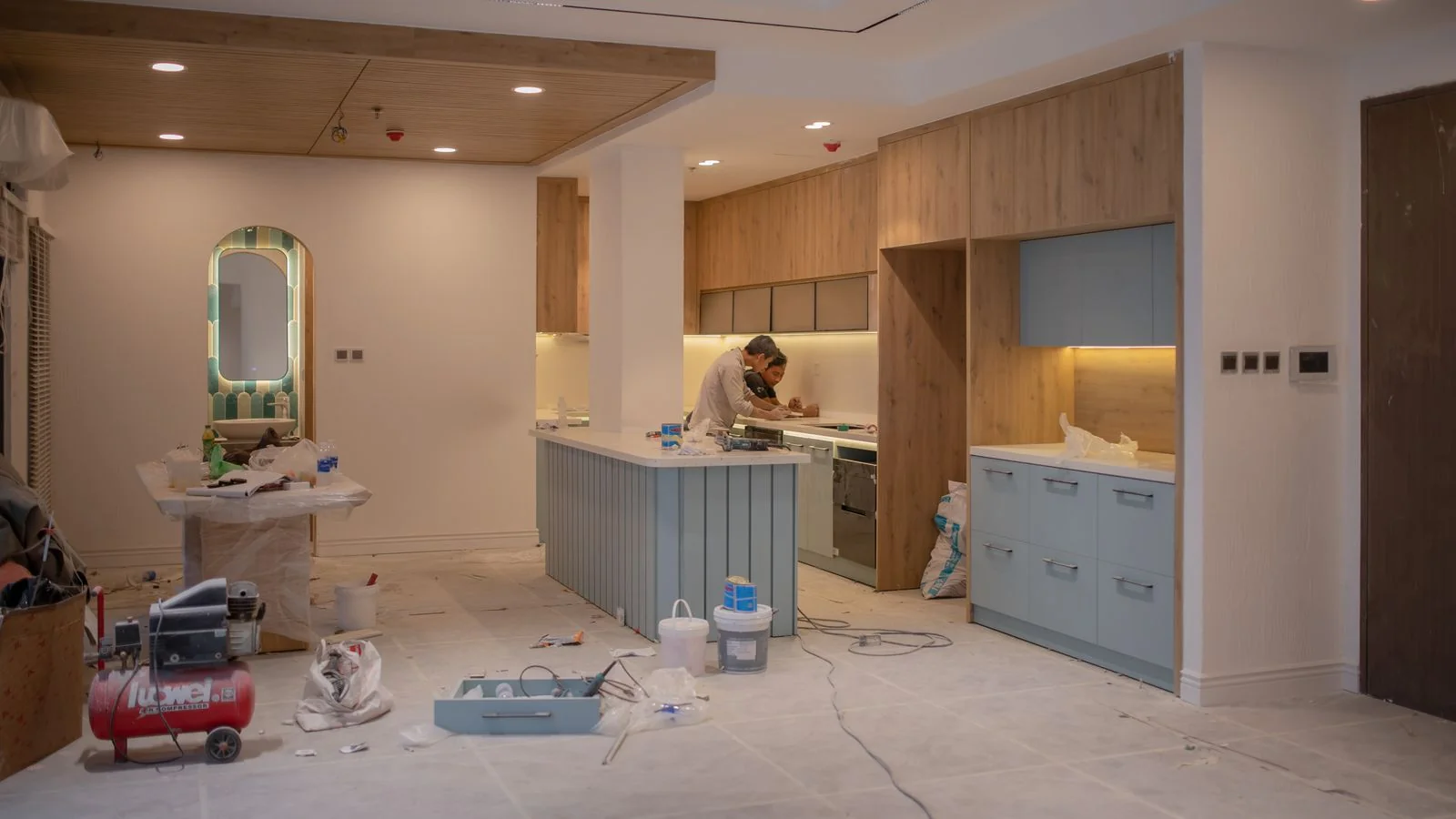
Here is a tactic almost no flooring company uses, and it works because it removes every excuse a reporter has to say no. Invite a local journalist to spend a morning on an install day. Call it a Renovation Ride-Along. You give them access to the crew, the homeowner, the dust and the reveal, and they leave with photos, quotes, and a first-person angle they could not get from a press release.
Reporters take experiences over emails because experiences produce better stories with less work. You are handing them a finished scene. The Renovation Ride-Along also solves the trust problem, because a journalist who has watched your crew work, met the homeowner, and seen the result will write with a confidence no pitched claim can buy. Set it up on a job with a strong before, a dramatic reveal, and a homeowner who is happy to talk. One good ride-along often produces a feature far larger than the favor you asked for.

Where to pitch, and who to pitch to
Start local and specific. Neighborhood blogs, the metro paper’s home section, regional lifestyle magazines, and city podcasts all need a steady supply of home content and rarely get it from trades. Skip the general newsroom inbox. Find the one reporter or editor who covers home, design, real estate, or small business, and read a few of their recent pieces before you write a word.
Beyond outlets you already know, reporter-request services connect you with journalists actively working on stories. Connectively, which replaced the old HARO service, sends out queries daily, and home, renovation, and small-business questions appear often. Answer a few each week with a real, specific reply and no sales pitch, and you will start landing quotes and mentions that carry your flooring company into stories you never would have found on your own. The volume matters. Ten thoughtful, targeted pitches a month will out-earn one perfect email sent to the wrong person.
Shoot every install as if a magazine asked for it
In flooring, the photo is the argument, and most companies lose the story before they pitch it because their images cannot carry one. Fix that at the source by documenting every job properly. Shoot the before from a fixed spot, then the after from the same spot in the same light, so the change is unmistakable. Capture the wide room, then move in for the grain, the seams, the transitions, the details a design editor lingers on. Add a human element when you can, a homeowner standing in the finished space or an installer mid-plank, because a room with a person in it tells a story a bare floor does not.
The technical basics matter more than any expensive camera. Clean and stage the space before the reveal, since clutter ruins an otherwise strong frame. Use soft, even daylight rather than harsh overhead glare that flattens wood grain. Shoot far more than you think you need and keep the full-resolution files, because a photo desk cannot run a compressed phone screenshot. Build a simple habit of capturing before-and-after sets on every notable job, and you will always have a strong image ready the moment a reporter says yes. That readiness is often the difference between a story that runs and one that dies waiting for a usable photo, and it is entirely within your control.
Answer reporter requests before your competitors even see them
Beyond pitching your own stories, there is a steady stream of reporters actively asking for exactly what you know, and almost no flooring companies answer. Services like Connectively send out journalist queries daily, and questions about home renovation, design trends, flooring costs, and material choices appear regularly. When you reply fast, specifically, and without a sales pitch, you land quotes and mentions in stories you never could have originated yourself.
Speed and specificity win these. Reporters work on deadline and pick from the first few useful, concrete responses. A reply that says “engineered hardwood handles basement humidity better than solid because of its layered core, and here is the moisture threshold I check before I install it” gets used. A vague “we can help with all your flooring needs” gets ignored. Set aside a few minutes a day to scan the relevant queries and answer two or three well. Over a few months this quiet habit builds a portfolio of press for flooring companies that would have taken years to earn through cold pitching alone, and each mention becomes a third-party source that strengthens your standing with both readers and the AI tools that now summarize the web.
Make the pitch short and the photo strong
When you do write, keep it to three sentences. Name the story and the place, give the one human detail that makes it matter, and offer the images and access. The subject line should carry the angle, not your company name, because the subject line alone decides whether the email opens.
Attach one excellent before-and-after, or link to a small set. A photo desk decides in seconds whether a story is worth the space, and a weak image sinks a strong angle. If you do not have great photos, that is the first thing to fix, because in flooring the image is the argument. Get the visual right, tie it to a person and a place, send it to the reporter who covers that beat, and the press you thought was out of reach turns out to have been waiting for someone to ask. Do the work of getting press for flooring companies the way the best in any trade do it, one real story at a time, and the coverage compounds into the reason your next customer calls you first.