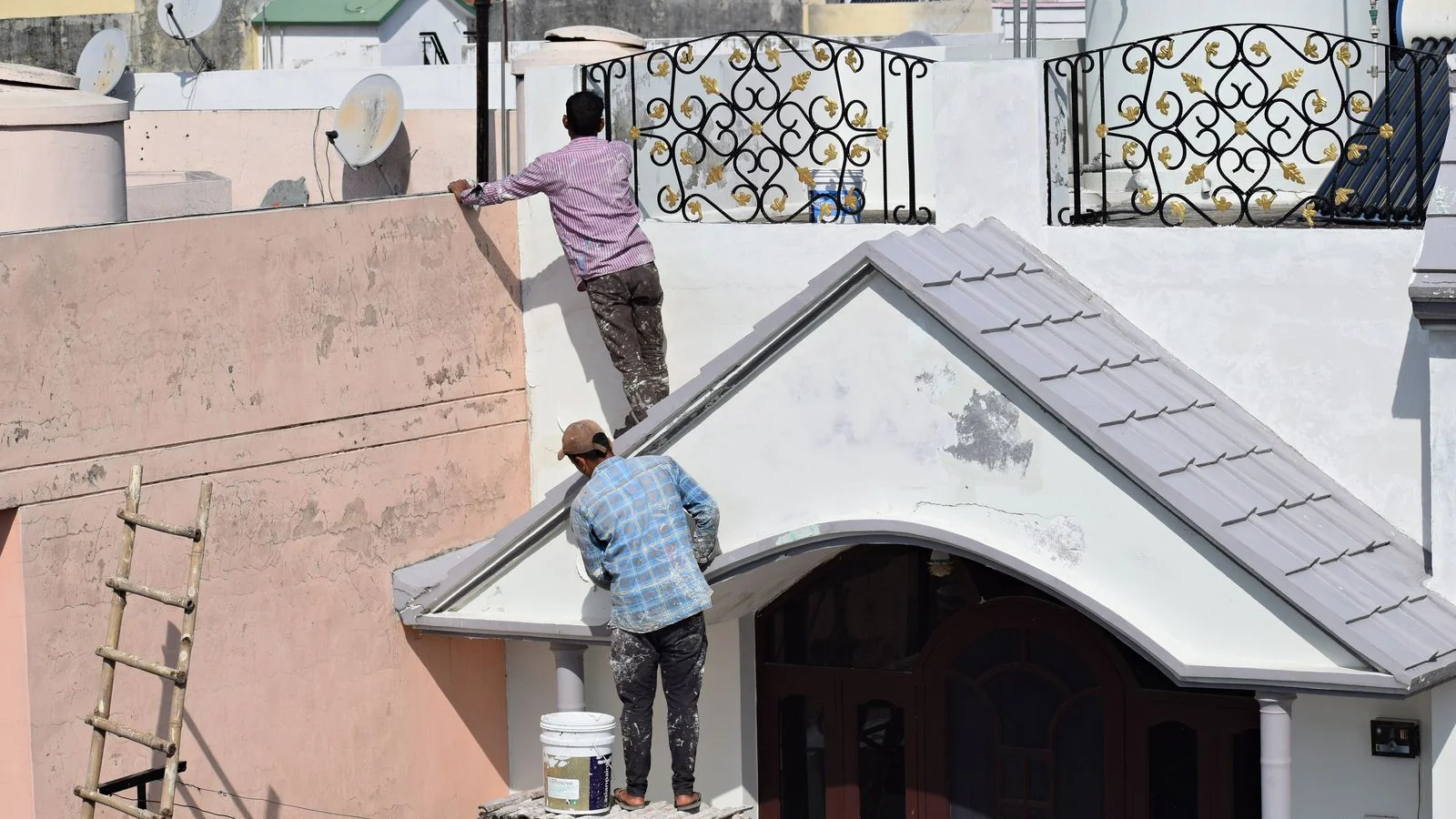
Painting is one of the most photographed trades in the country, and one of the least covered. Search interest for “get press for painting contractors” sits low enough that almost no one is competing for it, which tells you something: the contractors who do pitch have the field nearly to themselves. A local reporter fields dozens of pitches a week from restaurants, breweries, and real estate agents. Almost none come from painters. That gap is your opening.
The reason painters skip press is that they think coverage is for companies with a marketing department. It is not. Coverage goes to whoever hands an editor a finished story with a strong image attached. You already produce the image on every job. What follows is how to turn a repaint into something a newsroom wants to run, and the seven angles that work in almost any market.
Why painting is easier to place than most trades
Reporters chase two things above all: a visual and a change. Painting delivers both on a single day. A tired brick facade becomes a deep forest green. A peeling Victorian turns crisp and photographable. The before and after is instant, obvious, and impossible to fake, which is exactly what a photo desk wants.
Compare that to plumbing or electrical work, where the result hides inside a wall. A painter’s result sits on the street where anyone can see it. That is a structural advantage most painting contractors never think to use. When you understand that your work is inherently newsworthy in a way a pipe repair is not, the job stops being “convince a reporter I matter” and becomes “hand a reporter the photo they were already hunting for.”

There is a second advantage. Paint color is emotional. People argue about it, fall in love with it, and tie it to memory. A story about why a family chose the exact blue their grandmother used on the porch writes itself. You are not selling labor. You are handing over a small human decision that a reader recognizes, and that recognition is what makes an editor say yes.
The PAINT framework for a pitch that lands
Before you send anything, run the idea through five questions. I call it the PAINT test, and a pitch that clears all five almost always gets a reply. Proximity: is this tied to a specific, nameable place a local audience knows? Angle: is there a change or a conflict, not just a nice job? Image: do you have a strong before and after, or access to shoot one? Named person: is there a real human at the center, with a first and last name who will talk? Timing: is there a reason this matters now, this month, this season?
Most painter pitches fail on Angle and Named person. They lead with “we repainted a house” and stop there. Run the same job through PAINT and it becomes “a Navy veteran’s peeling 1940s bungalow on Oak Street got a free repaint from a local crew before Memorial Day.” Same paint, same crew, entirely different email. One gets deleted. The other gets a photographer assigned. Use the framework to get press for painting contractors the way seasoned publicists do, by engineering the story before you pitch it.
Seven angles that get painting contractors covered
The first angle is the historic restoration. Any building with age and a known name carries built-in local interest. Match the original color, document the research, and you have a heritage story a features editor will take.
The second is the charity repaint. A free job for a veteran, a widow, a disabled homeowner, or a struggling nonprofit gives a reporter a reason to care and a person to photograph. Keep it genuine and let the recipient tell their side.
The third is the color trend piece. Reporters love a “what your neighbors are painting this year” story, and you have the data from your own job book. Tell them the three shades your market cannot get enough of and why, and you become the quoted expert instead of the subject.
The fourth is the eyesore turnaround. Every town has a building people complain about. Repaint one, and the story is the relief the whole block feels. The tension is the hook.
The fifth is the milestone. Your thousandth house, your twentieth year, a second generation joining the crew. Anniversaries and family succession are staple local features, and they run because they are safe, warm, and easy.
The sixth is the seasonal safety or how-to angle. Before storm season, before winter, before a heat wave, offer practical advice on protecting exterior paint. It positions you as the source and earns a byline mention.
The seventh is the local hiring story. If you are training apprentices, hiring people leaving prison, or bringing on workers from a closed plant, that is an economy and jobs story, not a paint story, which means a different reporter and a bigger audience.
Do not try to run all seven at once. Pick the one angle that fits a real job you have coming up or just finished, and build a single strong pitch around it. A focused story with a great photo and a willing person beats a scattershot list of maybes every time. Rotate the angles across the year so your coverage does not feel repetitive, leading with restoration in the spring, safety before storm season, and a milestone or charity piece when one naturally arrives. The point is to always have one clear, current story ready rather than a vague sense that your work is generally interesting.

Find the right reporter, not the front desk
The fastest way to kill a good pitch is to send it to a general newsroom inbox. Spend twenty minutes finding the specific person who covers home, neighborhoods, small business, or features for your outlet. Read three of their recent stories so your email can say, honestly, that you saw their piece on the new bakery and thought this fit their beat.
Reporters keep public contact details on the outlet’s site, on their social profiles, and on services built for exactly this. Connectively, the platform that replaced HARO, lets you answer reporter queries directly, and home and small business queries show up there often. When you match a real journalist to a real angle, your hit rate climbs from near zero to something that makes the effort pay for itself.
Write the three-sentence email that gets a yes
Keep the pitch shorter than feels comfortable. Sentence one names the story and the place. Sentence two gives the human detail that makes it matter. Sentence three offers the photo and access. Attach one strong before and after image, or a link to two or three. Put the angle in the subject line, not your company name, because the subject line is the only thing that decides whether the email gets opened at all.
Do not attach a media kit, a price list, or a paragraph about your values. A reporter needs to picture the finished story in ten seconds. Give them the picture, offer to get out of the way, and let the work speak. If you do not hear back in a week, send one short follow up, then move to the next outlet. Persistence across many small outlets beats waiting on one big one.
Photograph the job like the coverage depends on it
For painting, it usually does. A features editor decides whether to run a home story largely on the strength of the image, and a weak photo will sink even a strong angle. Treat documentation as part of the job, not an afterthought. Shoot the before from the same spot and angle as the after, in similar light, so the transformation reads instantly. Get the whole facade, then a few tight details of the crisp lines and fresh color. Include a person when you can, a crew member on a ladder or the homeowner in the doorway, because people make a photo publishable in a way an empty wall never will.
Practical habits make this easy. Keep the site tidy before the reveal shot, since drop cloths and clutter ruin an otherwise great frame. Shoot in the softer light of morning or late afternoon rather than harsh noon glare. Take far more than you think you need, and keep the originals at full resolution, because a photo desk cannot use a compressed screenshot. When you can hand a reporter a clean before-and-after set the moment they say yes, you remove the last obstacle between your pitch and a published story, and you make yourself the easy choice over a competitor who has nothing but a phone snapshot.
Build relationships, not one-off pitches
The contractors who get covered again and again are not lucky. They have quietly built a handful of real relationships with local reporters, and those relationships pay off for years. The first placement is the hard one. After a reporter has run your story once and it went well, the second is far easier, because you are now a known, reliable source rather than a stranger in the inbox.
Feed those relationships between pitches. When a reporter writes a good home or small-business piece, send a short note saying so, with no ask attached. Offer yourself as a quotable expert on paint and color whenever they need one, so you become their go-to for a quick quote on a trend story. Respect their deadlines and never waste their time with a non-story. Over a year or two this turns into a small network of journalists who recognize your name, trust your tips, and think of you first when a home angle comes up. That network, more than any single article, is what makes getting press for painting contractors a durable advantage rather than a one-time win.
Turn one story into a year of proof
A single placement is a start. The compound value comes from what you do with it. Put a “Featured in” strip on your site with the outlet logos. Frame the article in your office. Share it where past customers will see it, since a repaint story reminds them you exist. Each hit makes the next pitch easier, because reporters trust a contractor another reporter already vouched for.
Treat press as a system, not a lottery. Keep a running list of jobs that might carry an angle, photograph everything well, and pitch one story a month. Do that for a year and you will have a wall of coverage that no amount of paid advertising buys, and a reason for the next customer to choose you before they have called anyone else.