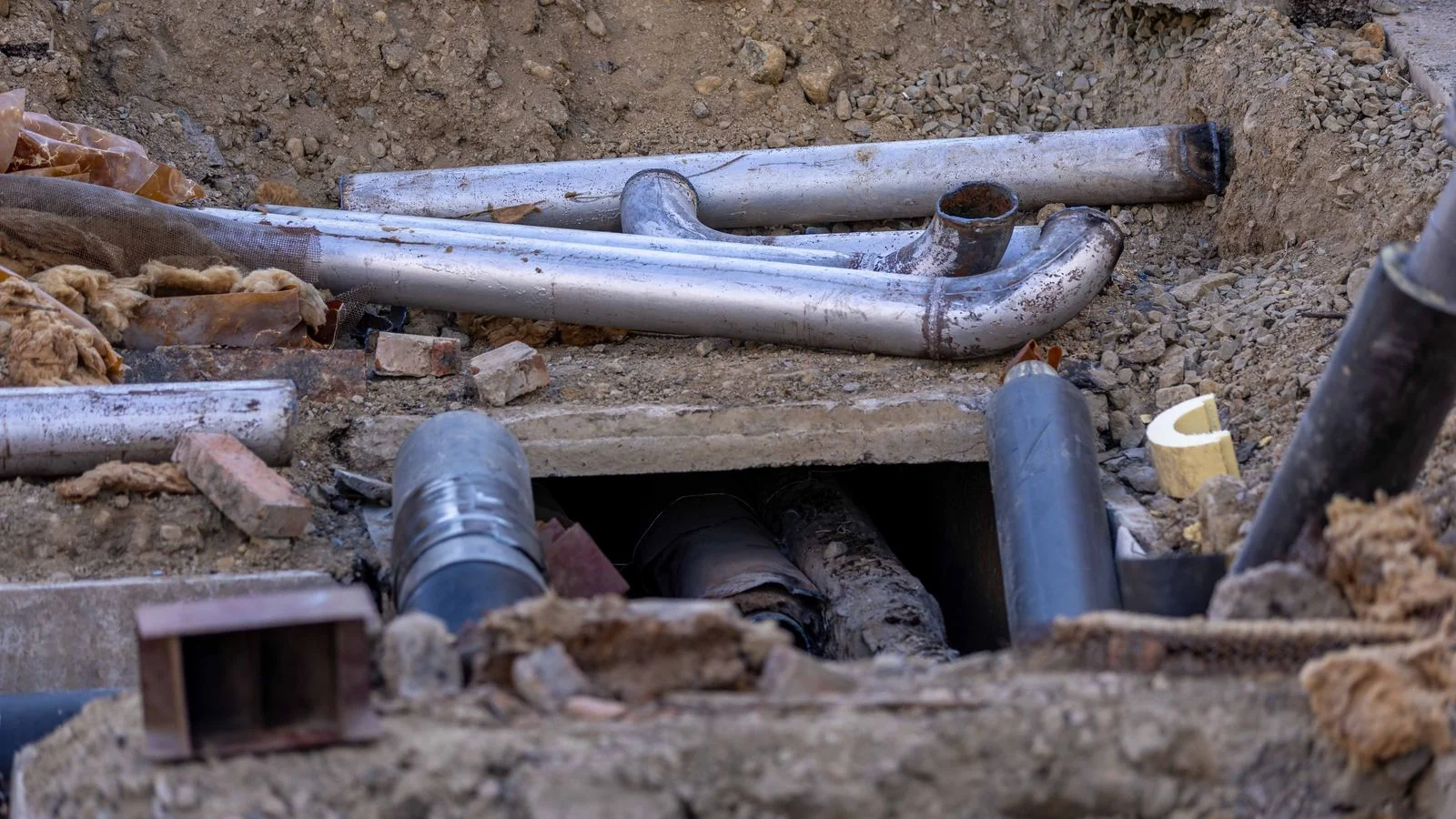
Imagine the situation your customer is in. A well two roads over just tested positive for bacteria, and the county mailed a notice to every home on septic in the area. Now a few hundred homeowners who never once thought about their septic system are suddenly, anxiously thinking about nothing else. They are searching, asking neighbors, and wondering whether their own tank is a ticking problem. In that exact moment, a local news story quoting a septic expert who explains what is happening and what homeowners should do would be read by every one of them. If you are that expert, you have just reached your entire market at the peak of their concern, for free, with more credibility than any ad could ever carry.
That is the opportunity a press release for septic service companies is built to capture, and almost nobody in the trade captures it. Septic owners assume their work is too unglamorous, too literally dirty, to interest a reporter. They are wrong. Septic is not a story about tanks. It is a story about clean water, public health, property value, and the environment, and those are subjects local newsrooms cover all year. The job is to reframe your expertise around what the community cares about, and then to package it so a reporter can run with it.
Why would a newsroom ever cover a septic company?
They would not, and you should stop trying to make them. What a newsroom will cover is a story about a problem their audience faces, with you as the credible source inside it. The distinction is the whole game. A press release that says “Local Septic Company Offers Fall Pumping Special” is an ad and dies on arrival. A press release that says “As Groundwater Concerns Rise, Local Expert Explains How Failing Septic Systems Threaten Well Water” is a story a reporter can justify running, and you are the expert quoted throughout.
Septic sits on a genuinely important public issue. A failing system does not just inconvenience the homeowner. It can contaminate groundwater, pollute nearby wells, foul local waterways, and create real health risks for a whole neighborhood. That is not marketing spin. It is the actual stakes of the work, and it is exactly the kind of community-and-environment angle that earns coverage.
Once you see your business this way, the path to coverage opens. You are not a service provider begging for attention. You are a local authority on protecting the community’s water, and that authority is the foundation every good press release for septic service companies is built on. Lead with the public stakes, and the reporter has a reason to listen.
Your beat is public health and the environment, not tanks
Reframe what you are the expert on. You are not selling pump-outs. You are the person who keeps the community’s groundwater clean, protects families from health risks, and helps homeowners avoid catastrophic and expensive failures. Every angle you pitch should sit inside that larger frame, because that is the frame a reporter and their audience care about.
This reframing changes what you talk about. Instead of your equipment and your pricing, you talk about the warning signs of a failing system that homeowners should never ignore, the connection between septic maintenance and safe drinking water, the environmental consequences of neglect, and the real costs of waiting too long. These are subjects with genuine public value, and they position you as a source of protection rather than a vendor of services.
The credibility this builds is durable. A septic company known locally as the trustworthy authority on water protection does not just get press. It gets the referral from the real estate agent, the call from the worried homeowner, and the benefit of the doubt in a trade where customers often fear being overcharged for something they do not understand. The press is the visible tip of a reputation that pays off across the whole business.
Ride the calendar, starting with SepticSmart Week
Timeliness is what turns expertise into a story, and septic has a calendar of natural pegs. The cleanest one is built for you: the Environmental Protection Agency runs SepticSmart Week each September, a national education campaign about septic care. That is a ready-made, credible, timely hook that a local reporter can attach a community story to, and it recurs every year like clockwork.
Build your pitching calendar around pegs like it. September brings SepticSmart Week and the education angle. Spring brings flooding and the way saturated ground stresses and backs up systems. Summer can bring drought and heavy usage strain. Real estate season brings a spike in septic inspections and the questions buyers and sellers ask. Any local water-quality news, a well contamination, a beach advisory, a new county regulation, is an immediate peg where your expertise fits.
Prepare ahead of each window, because reporters plan seasonal coverage weeks in advance. Have your SepticSmart Week angle, your quote, and your images ready in August, not the week of. A release that arrives early, tied to a peg the reporter already has on their calendar, is far more likely to run than a timely one that lands after the story is already assigned.
The announcement types that actually qualify as news
Not everything is worth a release, so know the difference. The announcements that qualify share one trait: public value beyond your business. Seasonal maintenance guidance tied to a peg is news. A warning about the specific signs of septic failure, framed as protecting homeowners from disaster, is news. Education pitched around SepticSmart Week is news. A genuine community service, like free or discounted inspections for seniors or for homes near a contamination event, is news. Real expertise offered during a local water-quality story is news.
What is not news is routine. A new service, a business anniversary, a price change, a new truck. These matter to you and to nobody else, and sending them trains reporters to ignore your name. The test is simple: would this help or interest a reader who will never hire me? If yes, it is a story. If no, it is an ad, and it belongs in your paid marketing, not in a press release.
Choose the angle that fits both the season and your genuine strengths. If you run a real senior-discount inspection program before winter, that is a community story with a clear beneficiary. If you have strong local knowledge of a watershed under stress, that is an environmental story. Authenticity matters, because reporters can tell the difference between a real community effort and a stunt dressed up as one.
How do you write it so a reporter can use it?
Write it the way a reporter would write the story, not the way you would write a brochure. The headline names the timely, public-interest angle, not your company. “This Fall, Local Septic Expert Warns of the Failure Signs That Threaten Well Water” is a story. “Smith Septic Announces SepticSmart Week Participation” is a memo nobody outside your office cares about.
The lead paragraph carries the whole thing, because it is all a busy editor will read before deciding. Put the public stakes and the timely peg right at the top, and answer the basic reporter questions of who, what, where, when, and why in those first sentences. Keep the whole release to a single page. Give a human quote, something a real expert would actually say about protecting local water, not a line stuffed with marketing language that no reporter would ever lift. Everything after the lead is supporting detail and contact information, arranged so the reader can stop anywhere and still have the story.
The voice throughout should be the calm, knowledgeable local authority, because that is the role you are auditioning for. A press release for septic service companies that reads like a genuine public-health contribution gets treated as one. One that reads like a sales pitch gets deleted, no matter how important the underlying subject.
Target local, and give them everything
Send it to the right people. Local newspaper reporters who cover the environment, home, and community news, and local television stations planning seasonal segments, are your primary targets. Study their recent work and personalize the pitch so it fits what they actually write. A tailored note to the reporter who covers local water issues will beat a mass email to a generic newsroom inbox every time.
Remove every bit of friction. Offer strong images, a clean photo of you, a shot of a system inspection or repair, anything that gives a visual story its visuals. Offer yourself for a quick interview and make your contact details impossible to miss. If your peg is SepticSmart Week or a local water event, include the key facts and a link so the reporter can verify in seconds. The easier you make it to say yes, the more often they will.
Keep one ready for the emergency
Some of the best coverage comes not from the calendar but from the sudden event, and the companies that capture it are the ones already prepared to move. When a well tests positive, a system fails publicly, heavy rain floods a neighborhood, or the county issues a new septic rule, reporters scramble for a local expert who can explain what it means. The source who responds within the hour, with a clear and calm explanation, gets quoted. The one who takes two days misses the story entirely.
Prepare for this in advance. Keep a short, adaptable statement on hand that explains, in plain language, how septic failures threaten groundwater and what homeowners in an affected area should do. When an event breaks, you personalize it to the specifics, attach your contact information, and get it to the reporters covering the story fast. This reactive readiness is where a press release for septic service companies earns its keep, because the reporter working a breaking local water story does not have time to educate themselves. They need an expert who can hand them the explanation, on deadline, and being that expert on the worst day for the community is what makes you the trusted name on every ordinary day after. Pair the reactive readiness with the seasonal calendar, and you have both halves of a press strategy: the stories you plan and the stories that find you.
The compounding payoff
The value of a single story does not end when the segment airs or the article runs. It compounds. The coverage becomes a credibility marker you cite on your website, in proposals, and in every conversation with a nervous homeowner for years afterward. It builds the reputation that turns you into the trusted local authority on water protection, which is worth far more than any one job.
There is a modern dividend too. Genuine coverage from real outlets is a trust signal that strengthens how search engines and AI answer tools judge your authority when a homeowner asks which septic company to call. In a trade where customers fear being overcharged and struggle to tell operators apart, being the company the local news quotes on protecting the community’s water is a position no competitor buying ads can occupy. Reframe your work around public health, ride the calendar starting with September, and write the story a reporter can actually run. The concern is already out there in your market. A press release for septic service companies is simply how you make sure your name is attached to the answer.