
Picture the moment that should worry you. A prospect who has never heard of you opens ChatGPT and asks it to recommend a company in your category. It names three. You want to know if you are one of them, and right now you have no way to check, because that conversation happens somewhere you cannot see and vanishes when the tab closes. Tools to track ChatGPT mentions exist to make that invisible moment visible, on a schedule, so you can see whether the model is selling you or selling around you. Here are the five worth using.
The mention-to-citation gap
Before the tools, one idea that will save you from misreading them. There is a difference between a mention and a citation, and I call the space between them the mention-to-citation gap. A mention is ChatGPT naming your brand in an answer. A citation is ChatGPT linking to your site as the source. You want both, but they come from different work, and the tools to track ChatGPT mentions should show you which one you are getting. Being named without being linked means the model knows you exist but leans on someone else’s description of you, which is a fixable authority problem.
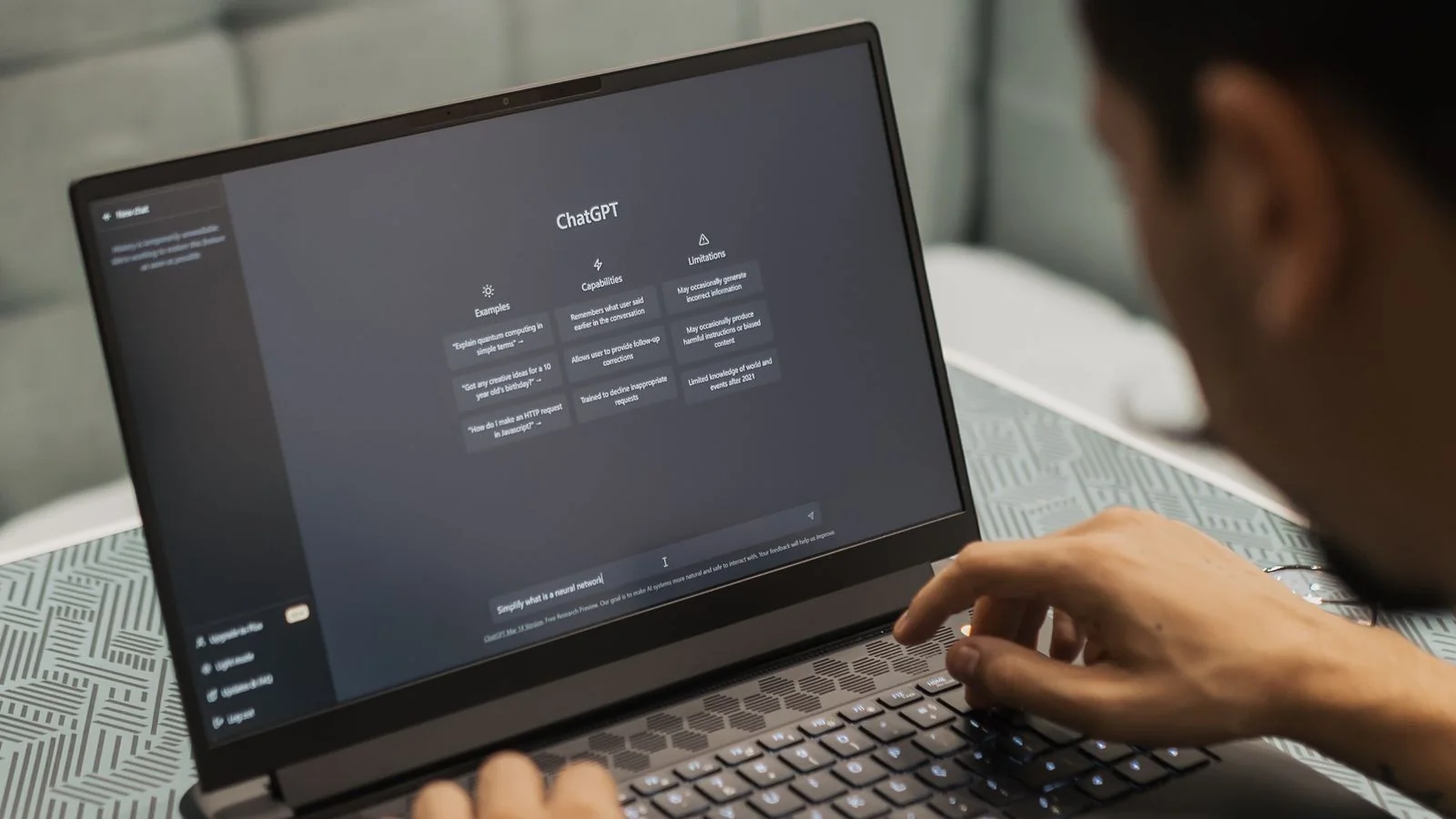
Keep the gap in mind as you read the output of any tracker. A tool that only reports “you were mentioned” flatters you. The useful ones tell you whether you were the source or a footnote in someone else’s story, and that distinction is where your next month of work comes from. Closing the gap from the citation side is usually about authority and clean content the model can point to directly. Closing it from the mention side, when you are absent entirely, is a harder discovery and trust problem. Knowing which one you have saves you from pouring effort into the wrong fix.
Why ChatGPT specifically matters
You could track every AI engine, and eventually you should, but ChatGPT deserves its own attention because of scale and habit. It is the engine the largest share of ordinary buyers reach for first, often without thinking of it as “search” at all, and its answers carry an authority that a page of ten links never had. When a person asks a friend for a recommendation, they weigh it heavily because it feels personal and considered. A ChatGPT answer triggers some of that same trust, which means being named in it, or left out of it, moves buying decisions more than a search ranking does.
That is also why the stakes of being absent are higher here. In classic search you could be one of ten results and still get a click. In a ChatGPT answer you are one of two or three names or you are nowhere, with no second page to climb from. Tracking ChatGPT mentions specifically tells you whether you are making that very short list in the channel where the list is shortest and the trust is highest. Start with ChatGPT, prove the value, then widen to the other engines once you have a system.
The five tools to track ChatGPT mentions
Profound is the deepest of the group, built to monitor how ChatGPT and other engines describe brands across a large question set, with reporting made for teams that answer to a budget. Peec covers the same core job with a lighter footprint and a friendlier price for smaller companies. Otterly is the entry-level pick, made for founders and small agencies who want to test the channel before committing, and it tracks your prompts across ChatGPT and its rivals without an enterprise contract.
The last two are pragmatic. Semrush has added AI mention tracking to its platform, which is the sensible choice if you already pay for it and want ChatGPT data sitting beside your existing search metrics. And a manual method, running your key questions through ChatGPT by hand each week and logging the answers, remains a legitimate tool, especially at the start. It is slower, but it forces you to read the actual language the model uses about you, which is the raw material for every fix. The best tools to track ChatGPT mentions automate that habit once you have felt why it matters.

When you compare these tools to track ChatGPT mentions, check three things. How many runs does it average per question, since a single run is noise. Whether it captures the full answer text, not just a yes-or-no, because the wording tells you how to improve a weak mention. And whether it shows the competitors named alongside you, because your target list lives in their wins, not your losses. A tool that nails those three is worth more than one with a longer feature list and a prettier chart.
How often to check, and what to ignore
A common mistake is checking too often and reacting to noise. ChatGPT’s answers vary between runs, so if you re-run the same question three times in an afternoon and see three slightly different answers, that is normal, not a crisis. Weekly is the right cadence for most brands, because the model’s underlying view of you shifts on the order of weeks, not hours, as it ingests new sources. Daily checking is worth it only around a launch or a reputation event, when you genuinely need to catch fast movement. The rest of the time, weekly tracking gives you a clean trend without drowning you in variance.
What to ignore matters as much as what to watch. A single run where you dropped from the answer is noise. A four-week slide where you appear in fewer and fewer answers is signal. One competitor showing up once is noise. The same competitor becoming the default recommendation across your core questions is signal, and it is the kind that should reorder your priorities. The tools to track ChatGPT mentions are only useful if you read them at the right altitude, watching the trend line and the pattern rather than flinching at every individual answer the model happens to generate.
Free ways to start tracking today
You do not need a subscription to begin. The fastest free method is to keep a simple spreadsheet of your ten most important buying questions and run them through ChatGPT by hand once a week, logging whether you appeared, who else did, and the exact language used. It takes twenty minutes and it teaches you more than a dashboard, because you are reading the model’s actual words about your category rather than a summarized score. Most of the founders I work with start here, and many find the manual habit valuable enough that they keep doing it even after they buy a tool.
The reason to graduate to paid tools to track ChatGPT mentions is scale, not capability. When ten questions becomes fifty, when one engine becomes four, and when once a week becomes a standing report your team reads, the manual method breaks down and the software earns its price. But the instinct you build doing it by hand, reading answers critically and spotting the difference between a mention and a citation, is what makes you good at using the tools once you have them. Start free, feel the problem, then pay to scale the habit.
One more free move sharpens the manual method: ask ChatGPT follow-up questions the way a real buyer would. Do not stop at “what are the best tools for X.” Push further, exactly as a skeptical shopper does. Ask “which of those is best for a small team,” then “why did you leave out brand Y,” then “what are the downsides of the one you recommended.” The follow-ups reveal how the model really reasons about your category, and they often surface where your brand sits in its thinking even when the first answer skipped you. That texture never shows up in a single-question check, and it is where the sharpest insight hides.
Reading those follow-ups teaches you something a dashboard number cannot: the actual story the model tells about your space. You learn which attributes it treats as decisive, which competitors it defaults to, and what it thinks the buyer should care about. Armed with that, your fixes get specific. Instead of “we need more visibility,” you get “the model thinks price is the deciding factor and never mentions our service quality, so that is the gap to close.” The tools to track ChatGPT mentions scale this reading. Doing it by hand first is how you learn to read at all.
Track more than one engine, eventually
Start with ChatGPT, but do not stop there forever, because your buyers do not all use the same engine. A research-heavy buyer may lean on Perplexity for its citations, a Google-native user may see AI Overviews without ever opening a chatbot, and others may sit inside Gemini. Being the answer in ChatGPT and absent everywhere else means you are winning one room and losing the building. The good news is that the work compounds, because the same content, entity data, and trusted mentions that get you named in ChatGPT tend to help across engines, since they all draw on overlapping signals of relevance and trust. The tools to track ChatGPT mentions mostly cover the other engines too, so widening your view is usually a setting, not a second subscription. Prove the value on ChatGPT first, because it is the highest-traffic engine and the easiest place to see whether your work moves the needle, then expand your tracking to the engines your specific buyers actually use. One engine is a start. Your buyers spread across several, and eventually your measurement should too.
What to do with what you find
The point of tracking is not the number, it is the target list. Once a tracker shows you the questions where ChatGPT names a competitor and skips you, you have the most valuable thing in AEO: a ranked list of specific answers to try to enter. Work them one at a time. For each losing question, look at who the model cites, read what those sources say, and ask what would make your brand the obvious, well-documented answer instead. Usually the fix is a combination of clearer content, consistent entity data, and mentions in the places the model already trusts.
Prioritize by intent, not by volume. The question “best tool for X for a small law firm” may get asked less often than “what is X,” but the person asking the specific version is closer to buying, and winning it is worth more. Rank your losing questions by how close the asker is to a purchase, fix the high-intent ones first, and re-run your tracker in a few weeks to see whether the model changed its answer. That loop, measure, fix the highest-intent gap, measure again, is the whole practice.
Start small and start this week. Pick one tracker, load ten buying-intent questions, and watch for two weeks before you change anything, because you need a baseline to know whether your work moved the model. Better yet, run five of those questions through ChatGPT yourself tonight and read how it describes you. That free exercise will tell you whether you have a mention problem, a citation problem, or the quiet worst case, no presence at all.