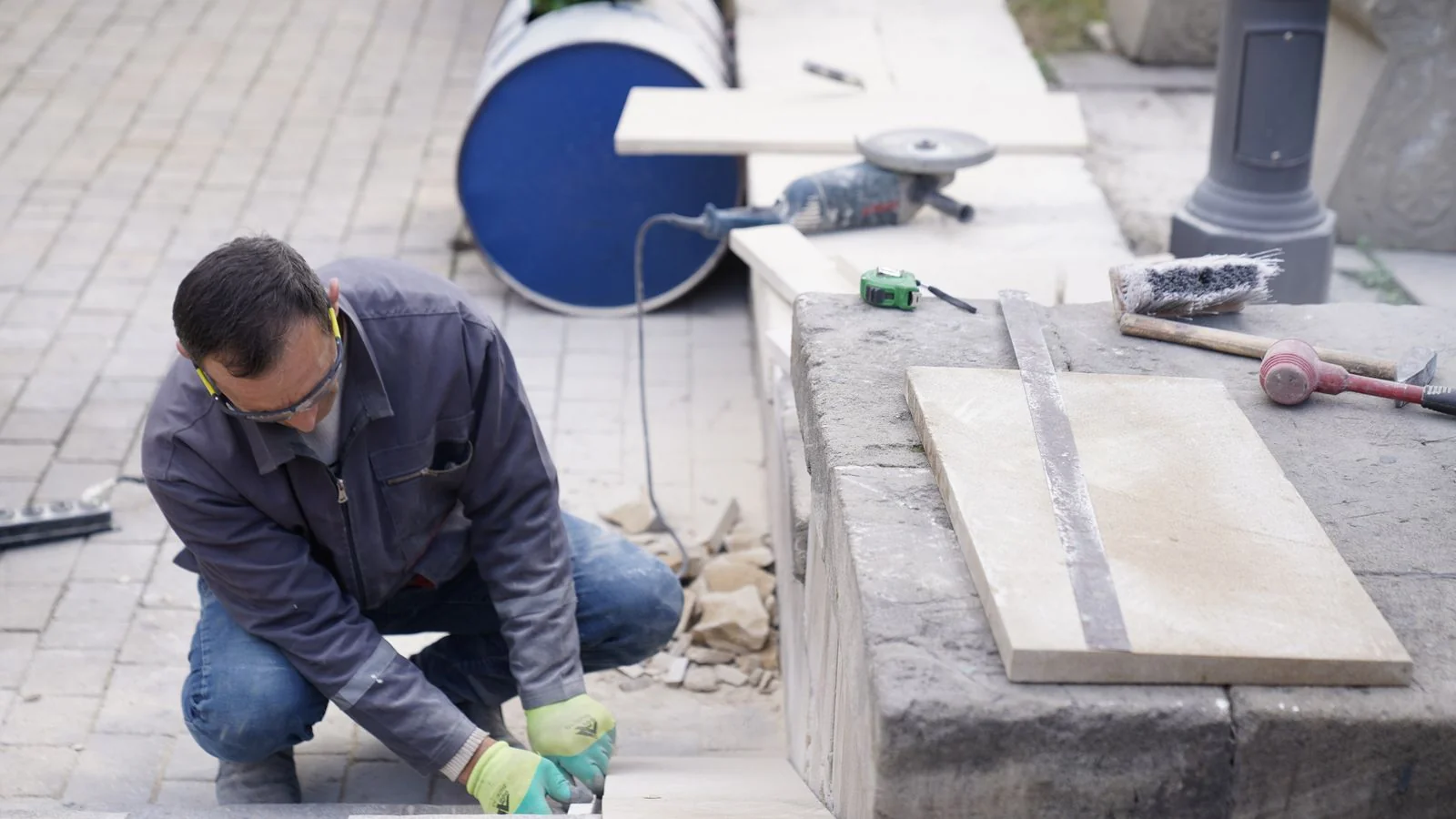
The Roman architect Vitruvius wrote that any sound structure must have three qualities: “firmitas, utilitas, venustas,” firmness, usefulness, and beauty. Two thousand years later, that is still exactly how a good masonry job is judged, and it is exactly what almost no masonry company talks about in public. Owners compete on price, post the occasional finished photo, and let the deepest knowledge in the trade stay locked in their heads. Meanwhile the buyer, who cannot tell firm from fragile or lasting from doomed, defaults to the cheapest bid because nobody taught them a better way to choose.
That silence is the opening. Thought leadership for masonry companies means becoming the voice that defines what good masonry actually is, so that buyers, builders, and even competitors start measuring the trade by your standard. It is not about being loud. It is about being the one who explains, teaches, and sets the terms of the conversation in a field where everyone else stays quiet. Do that and you stop competing on price, because you have become the authority against whom price is judged. Here are the five angles that get you there.
Thought leadership is not bragging about your jobs
The first thing to clear up is what thought leadership is not. It is not posting photos of your finished walls with a caption saying how great they are. That is portfolio, and portfolio matters, but it is not leadership. Everyone with a phone can post a picture of a wall. Leadership is teaching people how to think about the work, which is a different and far scarcer thing.
The distinction shows in the buyer’s reaction. A finished photo makes them think, that looks nice. A clear explanation of why a properly built masonry wall needs the right mortar for the right brick, why cutting that corner causes failures a decade later, and how to spot the difference, makes them think, this person actually understands this, and I should listen to them. The first earns a glance. The second earns trust, authority, and the benefit of the doubt on every future decision. Thought leadership for masonry companies is built on the second, on generously sharing the knowledge that makes you the expert, not on advertising that you are one.
This feels counterintuitive to a lot of owners who worry that teaching gives away their edge. It does the opposite. The knowledge you share proves depth without diminishing it, because knowing how a thing should be done and being able to do it well are two different skills, and buyers understand that. The mason who explains the craft openly looks more capable, not less, and the competitor who hoards knowledge just looks like they have less to say.
There is a psychological reason this works, and it is worth understanding rather than just trusting. People assume that anyone willing to teach a subject openly must know it deeply, because we associate generosity with confidence and secrecy with insecurity. A mason who freely explains how to tell good work from bad signals that they have nothing to fear from an educated buyer, which is only true of someone whose work holds up. The one who guards every detail signals the opposite, whether they mean to or not. So the act of teaching is itself a credential. Before a single fact lands, the willingness to share it has already told the buyer something reassuring about the person sharing. That is why the generous expert wins trust the guarded one never earns, and it is why thought leadership rewards openness rather than punishing it.

The Spec Authority Ladder
Here is the model that structures the climb. Authority in a trade is not a switch you flip. It is a ladder you climb, and each rung changes how the market sees you. On the bottom rung you are a tradesperson who does good work. On the next you are an educator who explains that work publicly. Above that you are a standard-setter whose explanations start shaping how others define quality. At the top you are the authority that builders, architects, homeowners, and the local press cite by name when the subject comes up. I call this the Spec Authority Ladder, and most masonry companies never step onto the first rung.
The ladder matters because each rung compounds the one below it. The educator gets more trust than the silent tradesperson. The standard-setter gets referred to as the person who knows, which pulls in the jobs that care about quality and the clients willing to pay for it. The top-rung authority gets the calls that never go to bid at all, the architect who specifies you, the reporter who quotes you, the homeowner who was told by three people that you are the one to talk to. Climbing the Spec Authority Ladder is the entire point of thought leadership for masonry companies, and the good news is that the rungs are open, because the competition is standing on the ground.
Climbing it is a matter of consistency more than talent. You move from tradesperson to educator the first time you publicly explain how the work should be done. You move toward standard-setter by doing that repeatedly, on a clear theme, until people associate that theme with your name. You reach the top by keeping at it long enough that others cite you without prompting. None of that requires a marketing budget or a gift for writing. It requires deciding to speak, choosing what to be known for, and refusing to quit before the reputation forms.
Pick the standard you will own
You cannot lead on everything, so choose the ground you will own. The strongest thought leadership is narrow and deep rather than broad and shallow. Maybe you become the authority on historic brick restoration in your region, the voice on why so many local chimneys fail and how to build them right, the person who explains natural stone selection better than anyone, or the mason who teaches homeowners how to tell real craftsmanship from a rushed job. Pick a lane where your knowledge is genuinely deep and the local conversation is genuinely empty.
Owning a standard means returning to it again and again until your name and that subject fuse in people’s minds. If you decide to be the repointing authority, then you explain repointing everywhere, in articles, in videos, in answers to questions, in talks, until anyone with a repointing question in your market thinks of you first. That repetition is what builds the association, and the association is what generates the inbound calls. A scattered voice that comments on everything builds nothing. A focused voice that owns one important corner of the trade becomes the obvious expert in it.
Choosing well also means choosing a standard the market actually cares about. The best lane sits where your deep knowledge overlaps with a real buyer anxiety, a common failure they fear, a decision they find confusing, an expensive mistake they want to avoid. Lead there and your expertise lands on a felt need, which is what turns teaching into trust and trust into work. This is the strategic heart of thought leadership for masonry companies: not saying more, but owning the one thing worth being known for.
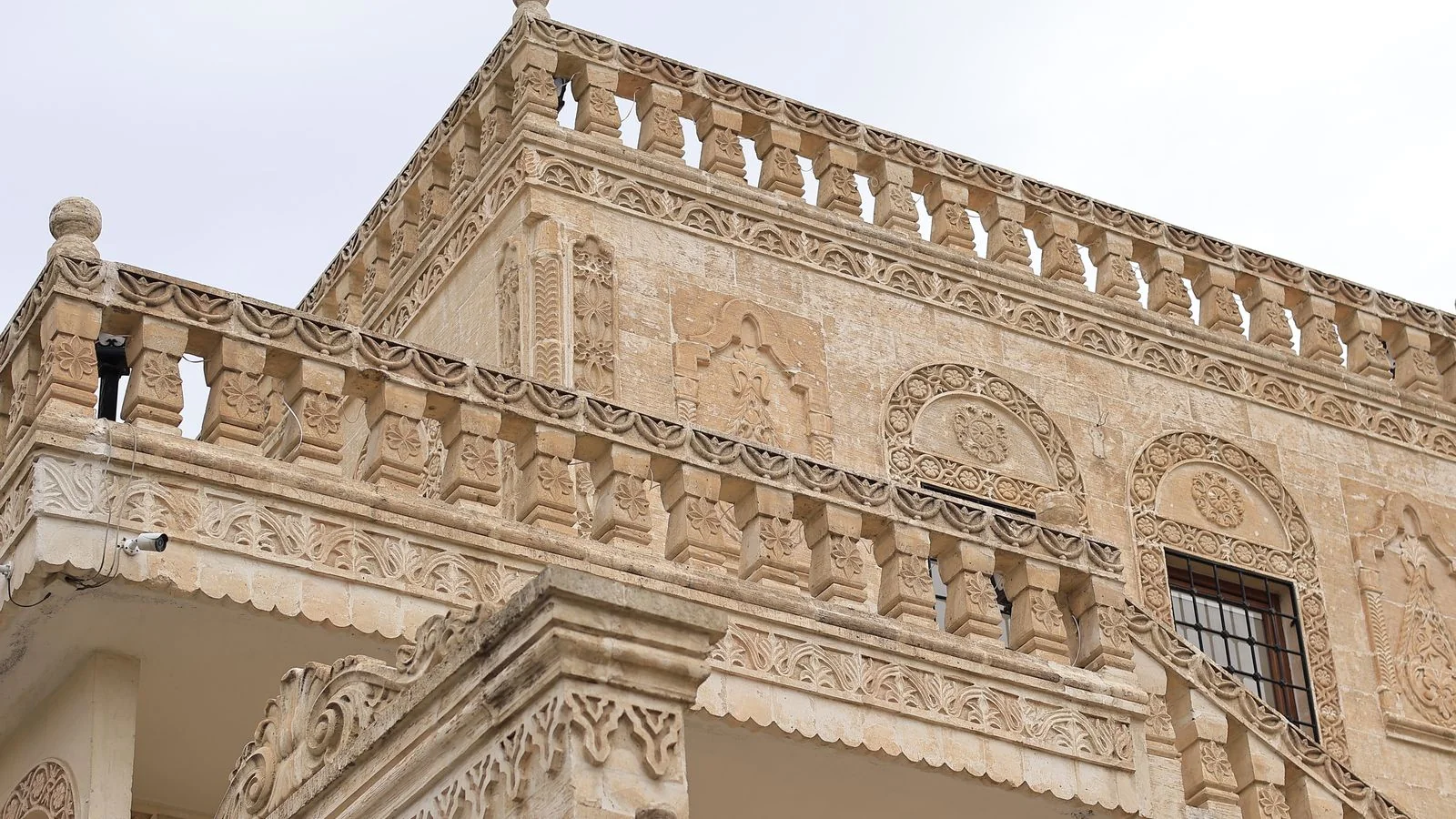
Where does a mason actually lead the conversation?
Authority needs a stage, and a mason has more of them available than most realize. The foundation is your own content: articles and guides on your site that explain your chosen standard in depth, and short videos that let people watch you work and hear you think. This is content you control, it accumulates, and it feeds both search engines and the AI answer tools that now field buyer questions. Publish consistently on your theme and you build a durable body of proof that you are the expert you claim to be.
Beyond your own channels, local media is a wide-open door. Community papers, regional home-and-garden segments, and local business features are constantly looking for knowledgeable sources, and a mason who can explain why the town’s older buildings are crumbling, or how to protect a historic facade, is exactly the kind of local expert they want to quote. Reaching out with a genuine story angle, not a sales pitch, gets you coverage that carries the weight of third-party endorsement. LinkedIn and industry forums add another stage, one where builders, architects, and general contractors gather, the people who specify masons for big jobs. Answering their questions and sharing your standard there puts you in front of the buyers with the largest budgets. Speaking at local trade events, supplier nights, or contractor associations puts a face to the authority and often leads to the referral relationships that feed a masonry business for years.
The key across every channel is to lead, not sell. You are there to teach, explain, and raise the standard, and the work follows from the trust that teaching creates. A mason who shows up on these stages consistently, always educating, becomes the name the whole local conversation revolves around, which is the position every part of thought leadership for masonry companies is designed to reach.
One channel deserves particular attention, because most masons overlook it entirely: the relationships with architects and designers. These are the people who specify masonry on the projects with the largest budgets and the highest standards, and they are hungry for masons they can trust to execute their vision without cutting corners. A mason who publishes thoughtful content on materials, techniques, and preservation, and who shows up where designers gather, becomes a known quantity to exactly the people who hand out the best work. A single architect who comes to trust you can send years of high-end projects your way, and they choose based on demonstrated expertise, not low bids. Leading the conversation is not only about reaching homeowners. It is about becoming the mason that the people who design buildings already know by reputation before they ever need one.
Turn authority into work and referrals
Thought leadership is not charity, so it has to convert, and it does, through a quieter mechanism than advertising. Authority changes the terms of every job you bid on. When a prospect has read your guides, watched you explain the craft, or been told by their architect that you are the one who truly knows masonry, the estimate conversation starts from trust instead of suspicion. You are no longer one of three interchangeable bids. You are the expert who is generously willing to take the job, and price becomes a detail rather than the deciding factor.
The referral effect is even stronger. When you become the recognized standard-setter, other people start doing your selling for you. Architects specify you because they trust your work will hold up. Past clients refer you with conviction because they know they hired the expert. Even competitors, when handed a job beyond their depth, send it your way, because you are the name that comes to mind for hard or high-end work. That web of referral, built on authority rather than discounts, produces the best jobs a masonry company can get, the ones with clients who value quality and budgets that reward it.
None of this happens overnight, and that patience is the price of admission. The mason who begins publishing on a clear theme today, showing up on local stages, and teaching openly, will not see the top of the Spec Authority Ladder for a while, but every rung improves the business along the way, and the position compounds until it becomes almost impossible for a competitor to dislodge. Start now, own your standard, and in a year the conversation about masonry in your market will be one you are leading rather than one you are priced against.