What does the editor of your town paper do with the forty releases that arrive on a Monday? She reads the subject lines, opens perhaps a dozen, and runs three or four. The ones that make it share a trait you can copy: they already look like local news. They name a place readers know, a person readers might meet, and a reason the story matters on their street.
This guide gives you a press release for local newspaper editors that follows that pattern, a template you can fill in tonight, and the habits that decide whether your release gets used or deleted. It works for a new business, a nonprofit event, an expansion, a hire, an award or a community project.
What a local editor needs from you
Local newsrooms are small. Many community papers run with a handful of reporters, sometimes fewer, covering city council, schools, police, sports and business at once. That staffing reality shapes everything about how your release is read. An editor with a thin staff values copy that is accurate, complete and easy to edit into a short story. She does not have time to call you for the basic facts you left out.
She also has a clear sense of what her readers want. They want news about their community: who is opening, who is hiring, what is changing on Main Street, which local people did something worth knowing. They do not want marketing. A release that reads like an ad goes to the advertising department, if anywhere.
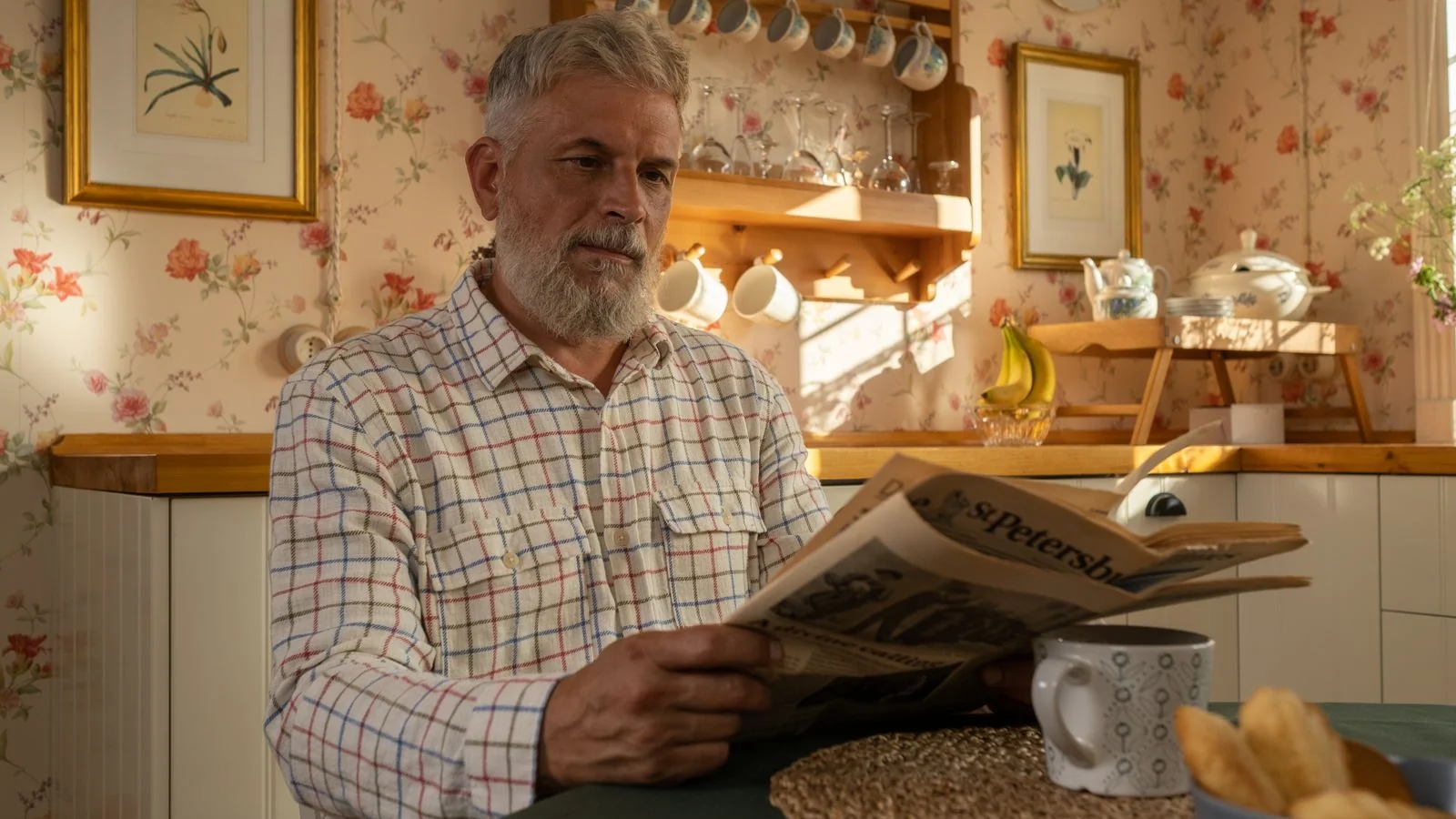
We use a simple filter we call the Kitchen Table Test. Imagine a reader at the kitchen table with the paper open. Would they mention your story to the person across from them? “The old hardware store is becoming a bakery” passes. “Local bakery announces exciting new seasonal menu” usually does not. “The bakery is hiring twelve people and taking over the empty hardware store on Third Street” passes easily. The news is the same business. The framing is what changed.
The test pushes you toward the elements local editors look for. A place readers recognize. A number that matters, such as jobs, dollars invested or people served. A local person with a name and a quote. A date and a way to take part. If your release has those, it is most of the way to print.
The template
Here is the structure, followed by notes on each part. Fill in the brackets and cut anything that does not apply.
FOR IMMEDIATE RELEASE

[Headline: who did what, where, in plain words, under 12 words]

[Subhead, optional: one line adding the key number or date]

[TOWN], [State], [Month Day, Year] - [Lead paragraph: the news in one or
two sentences. Who, what, where, when, and why a local reader should care.]

[Second paragraph: the most important details. Numbers, dates, address,
how many people affected, cost if relevant.]

"[Quote from a named local person explaining why this matters to the
community, in normal speech]," said [Full Name], [title] of [organization].

[Third paragraph: background. How long the business or group has been in
town, relevant history, what happens next.]

[Fourth paragraph, optional: a second quote, from a customer, partner,
volunteer or official.]

[Logistics paragraph for events: date, time, address, cost, parking,
accessibility, how to register.]

About [Organization]
[Two or three sentences: what it is, where it is, how long it has served
the area, website.]

Media contact:
[Name] | [Phone] | [Email]
[Note on photo availability: "High-resolution photos available at (link)"]

###
The headline should state the news. “Bakery to open in former Third Street hardware store, hiring 12” is a headline an editor can use as is. “A Sweet New Chapter for Downtown” is a headline she will rewrite, if she reads further.
The dateline names your town. That small detail signals local relevance before the first sentence and helps editors sort releases by coverage area.
The lead is the most important sentence you will write. If the editor reads only this, she should know what happened and why it matters locally. Do not open with the company’s history or a quote. Open with the news.
Quotes should sound like a person talking. “We grew up two blocks from here, and we wanted to bring something back to this corner” is a quote. “We are thrilled to offer our community an innovative bakery experience” is filler. One good quote is better than three mediocre ones.
Keep the whole thing between 300 and 500 words. Short releases get used more, because they need less editing.
How to send it

Find the right contact first. Most local papers list newsroom contacts on their website, often under “contact us,” “submit news” or “staff.” Some have a submission form for community news. Some list editors by section. For a business opening, look for a business editor or general news editor. For a nonprofit event, look for community or calendar submissions. For a small weekly, there may be one inbox for everything.
Paste the release into the body of the email. Many editors will not open attachments from senders they do not know, and pasted text is easier to copy into their publishing system. Put the headline in the subject line, or a short version of it.
Add a short, personal note above the release. Two sentences are enough: who you are, why you think this story fits their readers, and an offer to help with photos or interviews. Do not write a long pitch. The release is the pitch.
Include a photo link. Local papers are visual, and a good photo can be the difference between a two-inch brief and a story with a picture on the front of the local section. Provide a well-lit, high-resolution image of people, not just a logo or a building exterior, with names and a caption.
Mind the timing. Daily papers can turn news around in a day. Weekly papers often finalize pages days before printing, so a release sent the day before publication may miss the edition. For events, send two to three weeks ahead so the paper can list it and perhaps preview it. For news that already happened, such as an award or a hire, send it the same day.
Follow up once, briefly, after a few days if you have not heard back and the news is still timely. A polite note asking whether they need anything else is fine. Repeated follow ups are not.
Adapting the template to common kinds of local news
The template works across most local announcements, but each type of news has a few details editors look for.
For a new business opening, lead with what is opening, where and when, and what used to be at that location if readers will recognize it. Include the number of jobs created, the hours, and whether there is an opening event the public can attend. A quote from the owner about why they chose this town works better than one about the product.
For a hire or promotion, focus on what the person will do for the community, not just their title. Local papers often run these as short briefs, so keep the release to three paragraphs and include a clear headshot. If the person grew up in the area or went to a local school, say so, because readers may know them.
For an award or recognition, explain what the award is and who gave it, since readers will not know most industry honors. Say what the organization did to earn it, in concrete terms. A small business recognized for its apprenticeship program is a better story than one recognized as a “top workplace” with no explanation.
For a nonprofit event, put the date, time, place, cost and purpose in the first two paragraphs. Editors may move the logistics into a calendar listing even if they do not run a story, so make them easy to lift. Include how money raised will be used, in specific terms, and the name of someone readers can call.
For an expansion or investment, lead with the dollar amount and the number of jobs, then explain the timeline. Mention any public approvals still needed, such as zoning or permits, because the paper may already be covering the council meetings where those decisions happen.
A press release for local newspaper readers should always pass the Kitchen Table Test, whatever the news type. Adapting these details is how you make sure it does.
Mistakes that get local releases spiked
The most common one is writing an advertisement. Prices, sale dates, product superlatives and calls to visit the store belong in an ad. A release that reads like one will be treated like one. Stick to facts that would interest a reader who never buys from you.
The second is burying the news. A release that opens with three paragraphs of company history before stating what happened forces the editor to dig. Most will not bother.
The third is missing basics. Every local release needs a full address, a date, a named spokesperson with title, and a phone number that someone will answer. Editors often need to confirm a detail quickly before publishing. If they cannot reach you, the story waits or dies.
The fourth is sending the same release to every outlet in the region with no local angle. A paper in the next county over will ignore a story about your town unless it touches its readers too. If it does, say how in your opening note, such as hires from that area or a service that reaches it.
The fifth is getting facts wrong. Misspelled names, wrong dates and inaccurate numbers damage your credibility with the editor long after the story runs. Read the release out loud before you send it, and check every name against its source.
The sixth is forgetting the follow through. When the paper runs your story, thank the reporter or editor. Share the article, credited and linked. A press release for local newspaper coverage is not a one-time transaction. It is the start of a relationship with the people who decide what your neighbors read.
Keep a simple file of every release you send, the editor you sent it to and whether it ran. After a year you will know which kinds of news your local paper picks up, which editor responds fastest and how far ahead each section needs material. Do this well, and the paper becomes one of the most reliable channels you have. Local coverage builds trust with nearby customers, gives you a credible link from a trusted local site and creates a record that search engines and AI assistants can find when someone asks about businesses in your area. All of that starts with a short, accurate release that passes the Kitchen Table Test. Write the next one tonight.