
Here is the uncomfortable math of personal brand logos: the most recognized personal brands in your feed mostly do not have one. They have a name set in the same typeface everywhere, one repeated color, and the same face in every avatar. The recognition you attribute to a “logo” is almost always those three elements compounding. Which reframes the project: learning how to create a personal brand logo is mostly learning how to systematize your name, and only occasionally about drawing a mark.
The history backs this up. When Paul Rand designed the NeXT logo for Steve Jobs in 1986, he charged $100,000, presented exactly one option, and delivered most of the value in a 100-page brochure explaining the system around the mark. The famous lesson from the famous designer was that the mark alone is nearly worthless; the consistency rules around it are the brand. You can disagree with the price tag and still steal the lesson for free.
It is worth being honest about what a logo can and cannot do for one person. It cannot make you credible, hirable, or memorable on its own, and a week spent perfecting one is a week not spent publishing the work that actually builds those things. What it can do is remove friction: stop the re-deciding of fonts and colors every time you make a slide, make your output recognizable at a glance in a crowded feed, and signal that you run your practice deliberately. Modest goals, real value, weekend-size effort. Calibrate to that.
So here is the project, compressed into five decisions you can make in a weekend.
Decision 1: wordmark, monogram, or symbol
Default to the wordmark: your name, set in one well-chosen typeface, possibly with one small modification, a clipped letter, a color shift on one character, tightened spacing. It is the right answer for probably eight out of ten personal brands because the asset people remember and search is your name, and a wordmark spends every impression reinforcing it.
Add a monogram, your initials in the same typeface, as the small-space companion for avatars and favicons where a full name turns to mush. Reserve true symbols, the abstract swooshes and geometric animals, for the cases that earn them: you sell physical products, you run events with stage branding, or your name is genuinely too long to set legibly. A symbol without a repetition budget is a stranger every time it appears.
The decision interacts with your headshot, which for most personal brands is the real recognition asset. If your face is your avatar everywhere, the wordmark’s job shrinks to documents, site header, and thumbnails, and a monogram may never be needed at all. Decide which asset leads, face or mark, and assign the small spaces to it permanently, because alternating between a face and a monogram across platforms splits the recognition you are trying to concentrate.
Decision 2: one typeface that matches how you talk
The typeface is the logo’s voice, so audition it against your actual sentences. Set your name and your one-line positioning in a serious serif, a clean geometric sans, and one characterful outlier, then read your own writing in each. A blunt, numbers-forward consultant in a delicate script is a costume. A warm coach in a brutalist mono is a different costume.
Give the audition a day, not a month. Type the three candidates into a document, look at them in the morning and again at night, ask one person whose taste you trust, and decide. Typeface deliberation is the single biggest schedule-killer in this project, and the differences that feel enormous during selection are invisible to your audience within a week of consistent use.
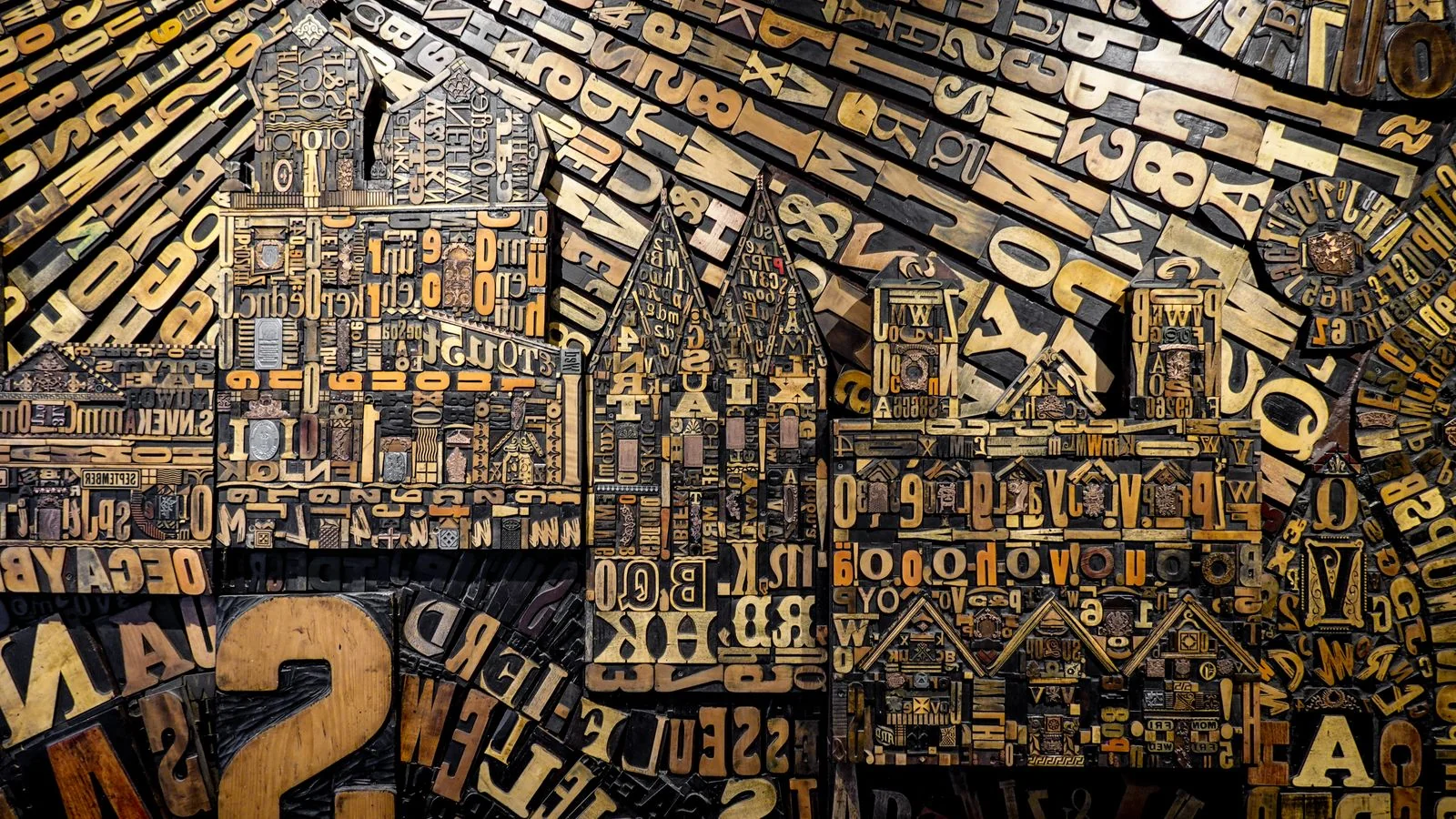
Practical sourcing: Google Fonts covers this project completely, with the side benefit that your site can use the identical file, keeping the logo and the body of your content in one family. Pick something with a full weight range, because the bold cut becomes your mark and the regular cut becomes your headings, and that pairing is the cheapest design system ever shipped.
Check the boring failure cases before committing. Set your name at 16 pixels and squint: do the letterforms hold? Set it in all-lowercase and all-caps and pick the casing you will use forever, because casing is part of the mark. And search what other professionals in your space use, not to copy or avoid them reflexively, but to know whether your choice reads as category-normal or category-strange, then choose the reading on purpose. A tax attorney in the typeface every DTC candle brand uses is making a statement whether she intends one or not.
Decision 3: one color, plus a neutral
A personal brand color scheme is one memorable color and one neutral, full stop. The single color does the recognition work across LinkedIn banners, slide decks, and YouTube thumbnails. The neutral, an off-black or warm gray, does everything else. Two-and-three-color palettes at personal scale just dilute the repetition each color gets, and repetition is the entire mechanism. If you need a second accent later for charts or callouts, derive it from the main color’s family rather than introducing a rival, and keep it out of the logo entirely.
Choose with contrast in mind: the color must hold up as text on white and as a background behind white text, because those are the two jobs it will do daily. Check the pairing against accessibility contrast ratios, not out of compliance theater but because failing contrast literally means harder to recognize, which defeats the project.
Differentiation beats preference as the selection rule. List the dominant colors of the five names your audience would mention alongside yours, then pick outside that cluster. If your niche is wall-to-wall blue, the practical question is not whether you like blue, it is whether you can afford to be the sixth blue. Owning an off-cluster color, the rust orange in a sea of navy, buys recognition that no amount of taste inside the cluster can.
Decision 4: build it, in the most boring tool that works
The actual production of a wordmark is an afternoon in Figma, which is free for this purpose, or even in Canva if that is where you live. Type the name, kern it by eye (the gaps between letters should feel even when you squint), apply your one modification if any, and export. For a monogram, set your initials, try overlapping or stacking them once or twice, and stop before cleverness sets in. Clever monograms read as effort; clean ones read as confidence.

Export the full kit while the file is open: SVG masters, PNGs at avatar sizes, a light version, a dark version, and a favicon. The kit is what makes you create a personal brand logo once instead of re-deriving it badly every time a platform asks for an image.
If you would rather not touch a design tool at all, the budget routes work in a defined order. A capable freelancer on a small fixed brief (“wordmark of my name in [typeface direction], two color variants, exported kit”) costs a few hundred dollars and a week. Crowdsourced contest platforms cost similar money and mostly return clip art, because the incentive structure rewards volume over thought. AI generators sit in between: useful for exploring directions in an hour, risky as final output since the same models produce the same motifs for everyone prompting them. Whichever route you take, the five decisions in this piece remain yours. A vendor can execute a wordmark; only you can decide what consistency you will actually maintain.
Decision 5: write the three rules you will not break
The Rand lesson, scaled to one person, is a usage sheet with three rules. Which version goes on light versus dark. Minimum clear space so the mark never touches other elements. And the prohibition list: no stretching, no drop shadows, no third color, no second typeface in branded materials. Save it next to the kit and obey it for a year before reconsidering anything.
The rules matter more than the mark because consistency is where the perception of professionalism actually comes from. A mediocre wordmark applied identically across two hundred touchpoints outperforms a brilliant one applied loosely, every time, and both machines and people reward it: human audiences develop recognition, and the AI engines now summarizing personal brands keep encountering the same name, same context, same visual fingerprint, which is exactly the consistency an entity needs to consolidate.
The year-long moratorium on changes is the rule most people break first, usually out of boredom rather than evidence. You will be sick of your wordmark in month four. Your audience will be starting to recognize it in month ten. That gap, between the creator’s fatigue and the audience’s recognition curve, is where most personal brands churn their identity and reset the recognition clock to zero. Treat your own boredom as a signal the system is working: the mark has become invisible to you precisely because it stopped demanding decisions.
Rollout deserves one deliberate hour too. Update everything in a single sitting, LinkedIn, X, YouTube, email signature, slide template, website, podcast art if you have it, because a staggered rollout means months of the old and new marks coexisting, which is the one state worse than either mark alone.
That is the whole project: pick the wordmark, pick the typeface, pick the color, build the kit, write the rules. Five decisions on how to create a personal brand logo, zero designers, one weekend, and a system that will quietly outwork every expensive mark whose owner got bored and redesigned it eighteen months in.