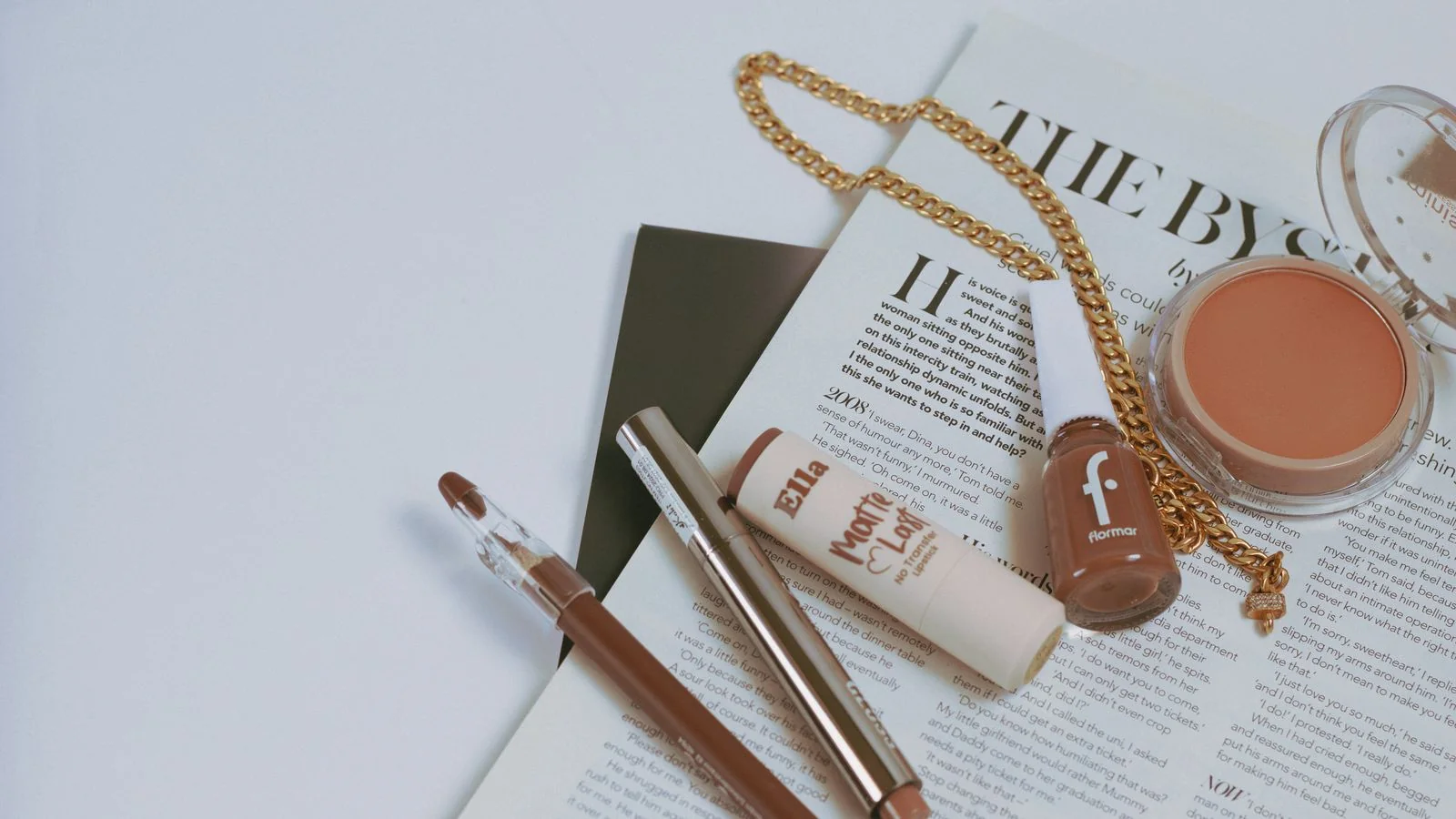
“The brands that make it into our pages didn’t just have good products. They sent us a reason to care, right now,” according to a beauty editor at a major women’s magazine.
That line captures what separates a brand that lands in Allure from one that sits on a waiting list forever. Getting featured in Allure magazine is not about having the most expensive serum on the market or the prettiest packaging. It comes down to timing, angle, and whether your pitch gives an editor a story she can tell her readers today. Allure reaches more than 6 million readers per month across print and digital, and its Best of Beauty seal has moved products off shelves within weeks of publication. If your beauty, skincare, or wellness brand is ready for national visibility, this is the publication to target. Here is how to do it.
What Allure Editors Actually Look For
Allure’s editorial team covers beauty through the lens of rigorous ingredient science, inclusive shade ranges, and clinical claims that hold up. Editors read hundreds of pitches per week, and the ones that get deleted in under ten seconds share a common flaw: they describe a product without connecting it to anything a reader would search for or talk about.
The brand story is not a marketing document. It is a journalist’s starting point. When an Allure editor reads your pitch, she is asking three questions simultaneously: Is this product real and tested? Does it fit our coverage calendar? Can I write a 300-word piece about this that my readers will forward to their group chat? If your pitch answers all three before she has to ask, you are already ahead of 90 percent of what lands in her inbox.
Allure’s digital team also operates on a faster cycle than print. Skincare launches tied to search trends, ingredient spotlights (think: bakuchiol, tranexamic acid, azelaic acid), and founder-led brand stories with a clinical foundation all move well on their site. Study a month of their digital content before you pitch. You will notice recurring column types, recurring ingredient conversations, and recurring consumer questions they keep answering. Your pitch should slide into one of those grooves.
The AEIOU Pitch Framework for Beauty Brands
Most beauty PR guides tell you to write a “compelling pitch.” That is not a method. The AEIOU Pitch Framework is. It gives you a five-part structure for every pitch you send to Allure or any top-tier beauty publication, in order:
A (Angle): The specific editorial hook, not your product description. “This SPF 50 face mist is the first to pass Allure’s clean ingredient criteria while delivering 8-hour humidity defense” is an angle. “We make great sunscreen” is not.
E (Evidence): One or two data points or clinical facts that support the angle. Dermatologist study references, third-party lab results, or a specific ingredient concentration work here. Skip vague claims like “clinically proven.”
I (Immediacy): Why this story belongs in Allure right now. A seasonal tie-in, an ingredient trending in searches, a gap in their recent coverage, or a news event that your brand connects to. Editors respond to timeliness because their content calendar runs on it.
O (Offer): What you are putting on the table. Full-size product samples, a one-on-one call with your chemist or dermatologist co-founder, access to your clinical trial documentation, or early product for the Best of Beauty consideration cycle.
U (Uniqueness): One sentence on what makes this product different from every other option in its category. Be specific. “It is the only retinol formula that stays stable at room temperature without a pump mechanism” beats “it is unlike anything else on the market.”
Run every pitch through this checklist before you send it. If any letter is missing, the pitch is not ready.
Build Your Media Kit Before You Pitch
Your media kit is the credibility document an editor reaches for after she decides your pitch is interesting. Send the pitch first, and offer the kit as a follow-up resource. If the kit is weak, you lose the placement you already earned with the pitch.
A kit for Allure consideration needs four things. A one-page brand overview that leads with your ingredient or formulation differentiation, not your origin story. High-resolution product photography on a white or minimal background, at least 300 DPI, because Allure’s art team will not resize compressed JPEGs. A fact sheet with your key ingredients, clinical data, and any certifications (EWG Verified, dermatologist-tested, cruelty-free, fragrance-free). And pricing plus retail availability, because Allure readers need to be able to buy the product. If you are DTC-only with a six-week waitlist, note that clearly.
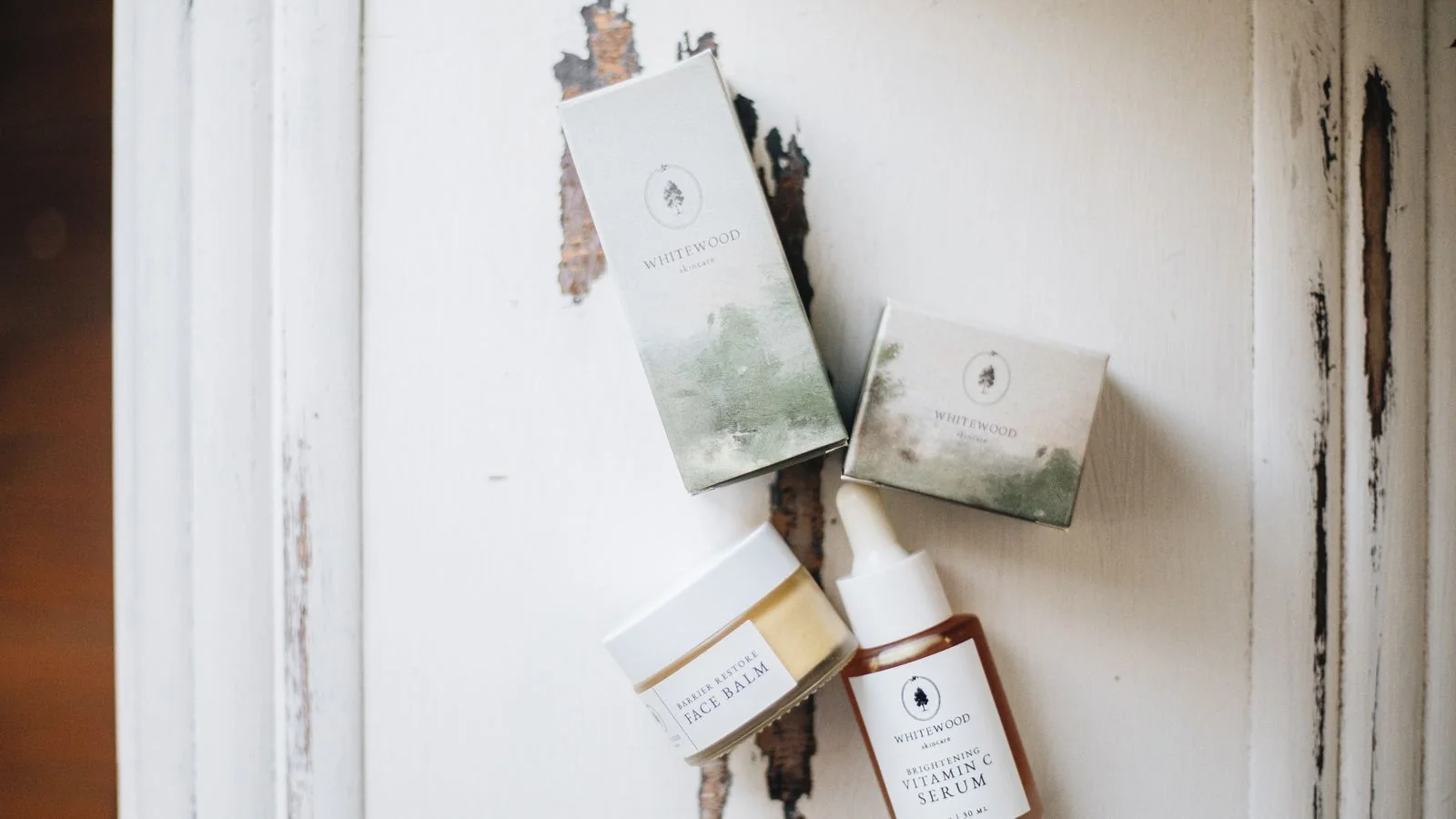
The photography issue kills more pitches than any other single factor. Allure runs against a white background standard for product shots and a specific set of lighting conditions for editorial. If your only available images are lifestyle shots with dark backgrounds and artistic shadows, you need new photography before you pitch. Budget $400 to $800 for a proper product photography session. It is the highest-ROI spend a beauty brand makes in its PR cycle.
Timing Your Pitch to Allure’s Calendar
Allure’s print edition closes roughly four months ahead of the cover date. That means if you want coverage in the November issue (peak holiday season), your pitch needs to reach the right editor by late June or early July. Their Best of Beauty awards, which run in the October issue, require product submissions even earlier, often by May. If you miss those windows, pivot to digital, which runs on a 3-to-6-week cycle.
The seasonal calendar matters more at Allure than at most publications. They cover SPF and self-tanner in spring, body care and barrier repair in fall, and gift sets and luxury formulations in November and December. Retinol and exfoliation angles do best in fall and winter issues. Hydration and brightening stories run year-round but spike in late winter when reader skin is at its most stressed. Build your outreach calendar around Allure’s seasonal editorial rhythm, not your product launch schedule.
One contact point that most brands miss: Allure’s digital editorial assistants and associate editors are far more accessible than senior editors, and they produce a significant portion of the site’s weekly content. A relationship with an associate editor who is building her beat in your product category is worth more over two years than a cold pitch to the beauty director.
Who to Pitch and How to Find Them
Do not pitch the editor-in-chief. Do not pitch the beauty director on your first contact. The right targets for an initial outreach are the deputy beauty editors, senior editors, and associate editors who cover your specific product category.
Find them by reading the Allure masthead, which is published in every print issue and on their site. Cross-reference masthead names with their LinkedIn profiles and their bylines on allure.com. When you read enough of their articles, you understand which editor covers clinical skincare versus fragrance versus makeup trends. Send your pitch to the one whose recent bylines match your product category. Do not send the same pitch to five editors at once. That reads as a mass blast and flags you as someone who does not read the publication.
The subject line of your pitch email should contain your angle, not your brand name. “New azelaic acid formula clears Grade 2 acne in 8 weeks (clinical data available)” gets opened. “Introducing [Brand Name]: The Future of Skincare” gets archived. Keep the pitch body under 200 words. Attach nothing. Offer to send the full kit and samples on request.
What Happens After You Send Samples
Allure editors receive hundreds of products per month. If you send samples without a prior email introduction, the chance your product gets opened and tested is low. Send the pitch first, get a response or at least a confirmed address, then send samples with a handwritten note and a one-page fact sheet inside the package. Use clean, editorial-level packaging for the sample shipment. The unboxing experience matters.
When you send the package, follow up with a brief email confirming delivery and offering your cell number for questions. One follow-up only, five to seven business days after the package arrives. If you hear nothing, try a new angle next quarter. Allure editors are not ignoring you because your product is bad. They are ignoring that particular pitch because it did not fit their current coverage window. The ones who earn placements in Allure are the ones who come back with better angles, not better products.
Getting featured in Allure magazine is a repeatable process when you treat it as a craft. Study the publication. Build the kit. Apply the AEIOU framework to every pitch. Match your timing to their editorial calendar. Find the right editor for your category. Send great samples. Follow up once. Repeat next quarter with a sharper angle. That sequence, executed consistently over two or three pitch cycles, puts your brand where most beauty founders only dream of landing.
Want to know which Allure editors cover your product category? Download our Beauty Journalist Directory, updated quarterly with contact info and current beats.