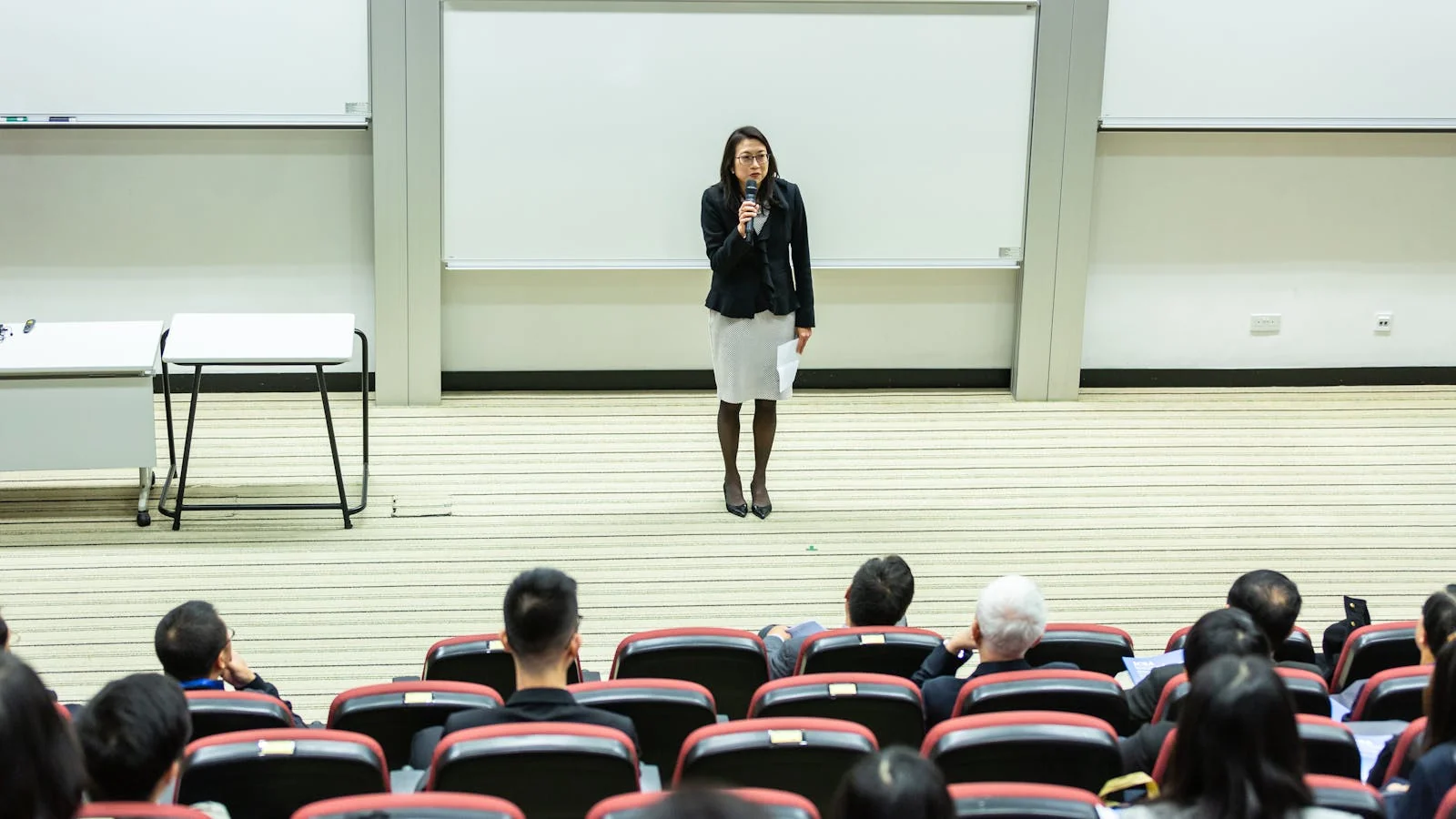
What do you think TEDx organizers are actually looking for when they read a speaker application? Most applicants assume the answer is credentials: a big title, a known company, an impressive bio. It is not. Organizers are looking for an idea worth spreading, told by someone who can spread it, and the single fastest way to get rejected is to lead with your résumé instead of your idea. Once you understand that inversion, how to get on TED talks stops being a mystery about access and becomes a question of whether you have packaged your idea the way the format demands.
The realistic path for almost everyone runs through TEDx, the independently organized events held in cities and institutions around the world. They accept applications, they happen constantly, and they are the proving ground that the main TED stage and the broader speaking world watch. Here is what organizers want, drawn from how these events actually select.
They want an idea, not a topic
The center of every strong TEDx application is a single, specific, surprising idea. Not a topic, an idea. “The future of education” is a topic, and organizers see a hundred of them. “Grading homework actively harms the students who most need help, and here is the data” is an idea. The first is a category. The second is an argument with a point of view, a claim someone could disagree with, and a payoff for the listener.

Frame your application around what I call the idea-first pitch: one sentence stating the counterintuitive thing you believe, one sentence on why it matters to the audience, and one sentence on what makes you the person who can prove it. In that order. The credential comes third, in service of the idea, never first. When a TEDx curator in a mid-size US city walked through her selection process at a 2025 organizer meetup, she described reading the first two lines of each application and discarding any that opened with the speaker’s title before the idea. Her event received several hundred applications for a dozen slots. The filter was that fast and that unforgiving. Lead with the idea or do not get read.
They want proof you can hold a stage
An idea worth spreading still fails if the person cannot deliver it. Organizers are staking their event’s reputation on every speaker, and a brilliant thinker who freezes or rambles can sink a session. So the second thing they want is evidence that you can hold a room for fifteen minutes.
Give it to them before they ask. Link to video of you speaking: a conference talk, a podcast appearance, a workshop, even a well-shot recording of you delivering your core idea to a small audience. The video does not need production polish. It needs to show that you are clear, that you connect, and that you do not collapse under the lights. If you have no speaking footage at all, get some before you apply, because asking an organizer to take a pure gamble on an unproven speaker is asking a lot when proven options are in the same pile. The applicants who get on TED talks almost always arrive with a trail of smaller talks behind them, which is also how they got good enough to deserve the slot.
They want a talk that fits their theme and their format
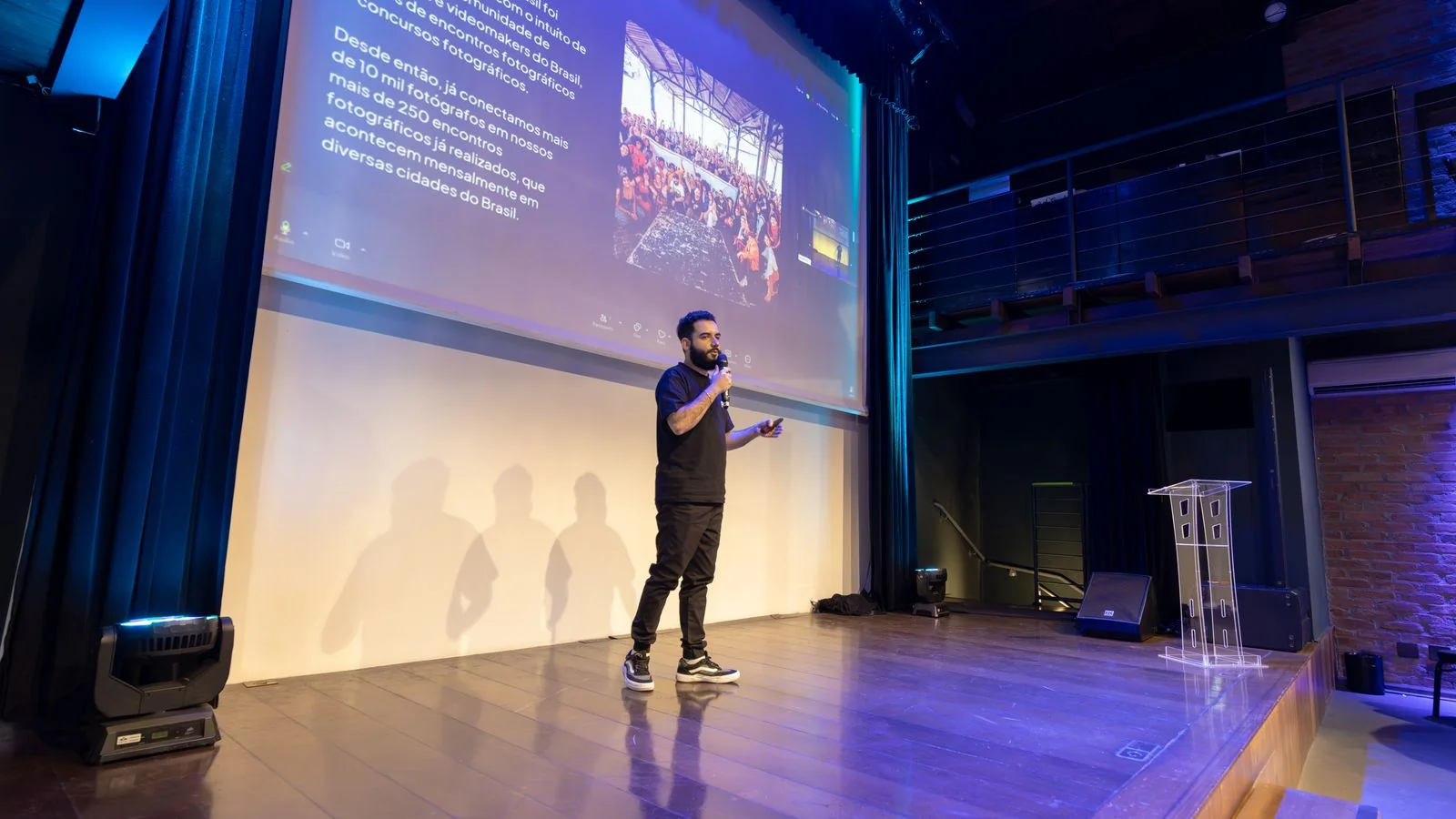
TEDx events are built around themes, and organizers want speakers whose idea genuinely advances the theme they have chosen. An application that reads like it was sent to fifty events without a word changed gets treated like the spam it is. One that connects your idea specifically to this event’s theme signals that you did the work and you actually want this stage.
Format discipline matters just as much. TEDx talks run up to 18 minutes, and the form rewards one idea developed deeply over a survey of many. Organizers want to see that you understand this, that you are bringing a single argument with a clear arc, not a compressed version of your hour-long keynote. In your application, show the shape of the talk: the idea, the turn, the evidence, the payoff. Demonstrating that you can build a tight 12-minute arc tells the organizer you will not need to be rescued in rehearsal.
They want a fresh idea, not a recycled one
Organizers and their audiences have heard a great deal, and the fastest way to lose them is to pitch an idea that has already done the rounds. They want novelty: a new angle, fresh data, a perspective the audience has not encountered packaged this way. The bar is not that no one has ever touched your subject. It is that you bring something to it that feels new.
Find your novelty in specificity and evidence. A personal story no one else can tell, original data you gathered, a counterintuitive finding from your own work, a connection between two fields people do not usually link. Generic advice delivered with enthusiasm reads as a TED talk parody, and organizers are allergic to it because their audiences mock it. Before you apply, ask yourself honestly whether someone in the audience will leave thinking about something they had genuinely never considered. If the answer is no, the idea is not ready, and refining it is a better use of your time than sending the application.
They want someone who makes their job easier
Running a TEDx event is largely volunteer work under deadline, and organizers gravitate toward speakers who reduce their load rather than add to it. The applicant who is responsive, professional, prepared, and easy to work with has an edge that has nothing to do with the idea and everything to do with the organizer’s lived experience of past speakers who were difficult.
Signal this from the first contact. Submit a complete, clean application that answers what was asked. Respond promptly. Show up to calls prepared. Make clear you will commit to the rehearsal process, because the rehearsal is where TEDx talks are actually made and organizers have all been burned by speakers who treated it as optional. The whole arc of how to get on TED talks rewards the person who is a pleasure to work with, because organizers talk to each other, and a reputation as a reliable speaker opens the next event before you have to ask.
What to do this month
The path is concrete enough to start now. Sharpen your idea into the three-sentence idea-first pitch and test it on people in your field, watching whether their eyes light up or glaze over. Get speaking footage if you have none, even from a small audience. Find three to five TEDx events whose themes genuinely fit your idea, and write each application specifically to that event’s theme rather than reusing one generic draft.
Then apply, and keep applying, because rejection at one event says little about the idea and much about fit and timing. The speakers standing in the red circle almost all applied to several events, refined their pitch between rejections, and built a trail of smaller talks that made the next application stronger. Treat it as a process, not a lottery, and the question shifts from whether you can get on TED talks to which event says yes first.