
Consider two consultants who started posting the same month with roughly equal expertise. A year later, one gets inbound leads weekly, speaks at industry events, and gets quoted by reporters who found them, while the other has a few hundred followers and nothing to show for the same hours. The difference was not talent or even quality on any single day. It was that one understood that a media presence is a compounding asset and behaved accordingly, while the other treated every post as a one-off and kept resetting to zero. To build a media presence that actually pays off, you have to grasp the compounding first, because it changes every decision that follows.
The trap is that compounding is invisible at the start. The first months of consistent effort produce almost no visible return, which is exactly when most people quit, concluding it does not work. But the curve is not linear, it is a slow flat stretch followed by a steep climb once the accumulated body of work, the relationships, and the reputation cross a threshold and start reinforcing each other. I call this the visibility compounding curve, and the seven moves below are how you survive the flat part and reach the climb.
Before the moves, sit with what compounding actually implies, because it changes how you judge your own progress. On a compounding curve, the work you do in month two produces almost nothing you can see in month two, but it is not wasted, it is being banked toward a return that arrives much later and much larger. This is deeply counterintuitive, and it is why so many talented people quit a presence that was actually working, they judged month three by the visible results of month three instead of understanding they were still in the flat part of the curve. The people who win are not the ones with more talent, they are the ones who kept depositing through the stretch where the account looked empty.
That single misunderstanding, judging a long-game asset by short-game metrics, is the real reason most media presences die young. The seven moves below all assume you have made peace with the timeline, because no tactic survives contact with impatience. Build the foundation, hold the cadence, earn the validation, and trust that the climb is coming even when the numbers say otherwise, because that trust, more than any clever post, is what gets you to the part of the curve where everything starts paying off at once.
Move 1: pick a lane narrow enough to own
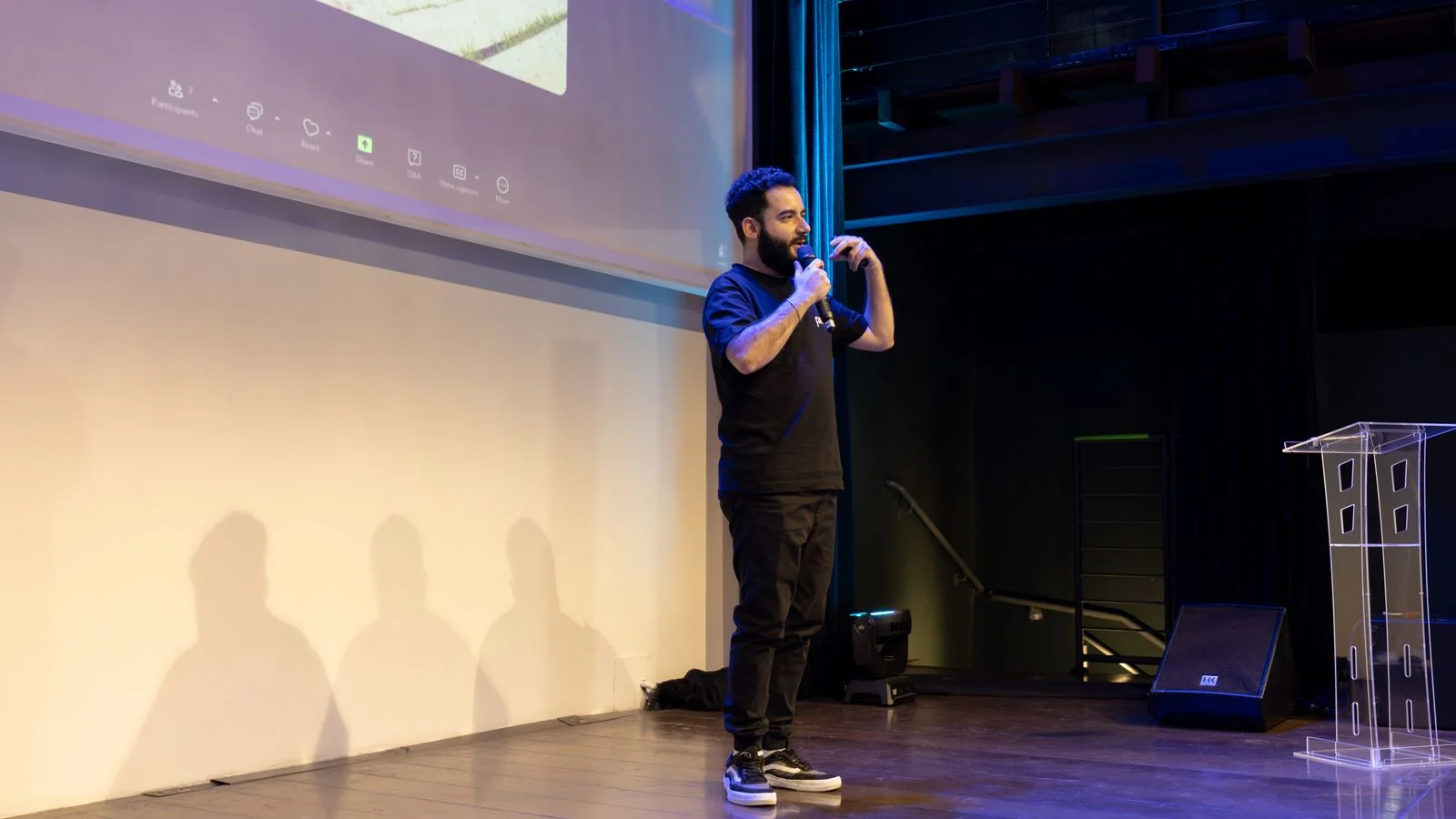
The first move is choosing a topic narrow enough that you can credibly become known for it. People resist this because narrowing feels like shrinking the opportunity, but the opposite is true. A presence built on “business and leadership” competes with millions and registers with no one. A presence built on “operational turnarounds for family-owned manufacturers” is ownable, and within that lane you can become the name. To build a media presence that compounds, you need a territory small enough to dominate and real enough to matter to a specific audience, because authority is always authority about something.
Narrowing also makes everything downstream easier. It tells you what to publish, which reporters to know, which events to target, and which questions to own in search and AI answers. Breadth scatters your effort across an area too large to make a dent in. Depth concentrates it where it can compound. You can always widen later from a position of established authority, but you cannot build authority by starting wide.
Move 2: build on owned ground, not just rented
Most people build their entire presence on platforms they do not control, which means an algorithm change or a banned account can erase years of work overnight. The durable approach anchors your presence on owned ground, a site, a publication, an email list, content you control, and uses rented platforms to point back to it. Social channels are for reach and distribution. Owned assets are for the durable, citable body of work that search engines and AI systems can find and reference long after a given post has scrolled away.
This matters more in the AI era than it ever did. The systems that now answer questions about who is credible in a field pull from the durable, indexable record, not from ephemeral social posts. A media presence built only on rented land is invisible to those systems and fragile to platform whims. One built on owned ground compounds into something machines and humans can both find and trust.
Move 3: show up on a cadence you can sustain

Consistency beats intensity, and it is not close. A presence built on steady output sustained for years outperforms bursts of brilliance followed by silence, because the compounding curve rewards accumulation, and accumulation requires a pace you can actually hold. The mistake is starting at a heroic cadence that burns out in six weeks. Pick a rhythm you can sustain through busy seasons and dull stretches, and protect it, because the people who win are rarely the most talented, they are the ones who were still publishing in month eleven when everyone else had quit.
Move 4: engage, do not just broadcast
A media presence is relational, not just a transmission. The people who build real standing engage with others in their field, respond, reference, and participate in the conversation rather than only pushing their own content into the void. This is how you get noticed by the people who matter, the reporters, the event organizers, the peers whose attention multiplies your reach. Broadcasting alone is shouting. Engagement is building the network that, once it exists, carries your work much further than you could push it yourself.
Move 5: earn third-party credibility
Self-published content establishes that you have a point of view. Third-party validation establishes that others take it seriously, and that is a different and more powerful signal. Getting quoted by reporters, published in outlets you do not own, invited to speak, and cited by peers all build the credibility that no amount of self-promotion can manufacture. This earned layer is what turns a person who posts into a recognized authority, and it is the part most people neglect because it is harder and slower than posting. To build a media presence with real weight, you have to earn the validation only others can confer.
Move 6: feed the systems that describe you
A modern media presence has an audience you cannot see: the AI engines and search systems that answer questions about who is credible in your field. These systems form a picture of you from the consistency and quality of the record across the web, and that picture increasingly drives the first impression a stranger gets. Keeping your story consistent across platforms, earning credible mentions, and building the durable content these systems cite all shape how you are described when someone asks a machine about your topic. This is the newest move, and the people who attend to it now will be the ones the engines name later.
Move 7: hold the line through the flat part
The final move is endurance, because the visibility compounding curve punishes impatience above all. The flat early stretch, where effort goes in and little visible return comes out, is where almost everyone quits, and quitting resets the compounding to zero. The single most reliable predictor of who builds a real media presence is who is still going after the point where the quitters left. Hold the line through the flat part, keep the cadence, keep earning credibility, keep feeding the durable record, and the climb arrives, usually later than you hoped and then faster than you expected. The consultant getting weekly inbound a year in did not have a better month one. They had a month eleven, because they never stopped, and that is the whole secret hiding inside the word compounding.
A 90-day plan to build a media presence
Ninety days will not make you famous, but it is enough to build the foundation the compounding curve needs, and the early structure decides whether you reach the climb at all. Spend the first month on the two foundational moves: choose your lane and build your owned ground. Pick the topic narrow enough to own, the one where your expertise is real and the audience need is high, and commit to it on paper. Then set up the owned assets, a site or publication and an email list, so that everything you make has a durable home you control rather than living only on rented platforms that can vanish.
The second month is about cadence and engagement, the moves that turn a foundation into momentum. Choose a publishing rhythm you can sustain through a busy season, not a heroic pace that burns out in six weeks, and hold it. At the same time, start engaging in your field rather than only broadcasting into it: respond, reference, participate, and get on the radar of the reporters, organizers, and peers whose attention multiplies your reach. The goal of month two is not to go viral, it is to become a consistent, visible participant whose name starts to feel familiar to the right people.
The third month is where you begin earning outside validation and feeding the systems that describe you. Pitch a guest piece, offer yourself as a source, look for one speaking opportunity, anything that puts a third party’s stamp on your credibility. Keep your story consistent everywhere so the engines that summarize who is credible in your field have clean, reinforcing signals to pull from. At ninety days you will not see the steep part of the curve yet, and that is the point most people quit. The ones who build a real media presence treat day ninety as the start, hold the cadence into month eleven, and let the compounding arrive on its own schedule.
The encouraging truth underneath all seven moves is that almost everyone quits, which means consistency alone puts you ahead of the field. You do not need to be the most brilliant voice in your space, you need to be the one still showing up, still publishing on owned ground, still earning validation and feeding the systems that describe you, in the month when the others have gone quiet. Pick your lane this week, set a cadence you can actually hold, and commit to ninety days before you judge anything. The compounding is real, it is just patient, and patience is the rarest thing in a field full of people looking for a shortcut that does not exist.
Months from now, the only question that will matter is whether you kept going. Talent fades from memory, but a consistent presence accumulates into something undeniable, a body of work and a reputation that no single competitor can match because they did not put in the same years. Decide today that you are building for the long curve, not the quick spike, and the part of the journey everyone else quits before reaching becomes the part that finally pays you back.