
You just signed a new head coach, or your club won a regional title, or your athlete broke a state record, and you have ninety minutes before the local sports desk files for the evening. You open a blank document. What you type in the next twenty minutes decides whether tomorrow’s coverage says your team’s name or says nothing at all. Most people in that chair write a love letter to their own organization. The sports editor reads two lines, sees no news, and moves on. That is the problem this template fixes.
A sports press release is not a recap and it is not a brochure. It is a news document built for a person who covers forty teams and has room for four. The reporter is scanning for one thing: did something happen that the audience does not already know? If your release answers that in the first sentence, you have a shot. If it opens with “We are thrilled to announce,” you have already lost the slot to the team that opened with the result.
Lead with the result, not the throat-clearing

Sports journalism runs on the inverted pyramid, and a sports press release has to respect it harder than any other kind. The most newsworthy fact goes first. The score, the signing, the record, the injury return, the championship berth. Everything else descends in order of importance, so an editor can cut from the bottom and never lose the story.
I call the working structure the inverted-scoreboard format, because the discipline is the same as a box score: the number that matters is on top, and the detail gets finer as you read down. The first sentence carries the who, what, and result. The second carries the margin or the stakes. By the third, you are into context, and an editor who stops there still has a publishable item.
Here is the contrast. The weak open: “The Lakeside Rowing Club is proud to share exciting news from this past weekend’s regional competition.” That sentence contains zero information. The strong open: “The Lakeside Rowing Club won three of five events at the Midwest Regional on Saturday, qualifying its varsity eight for nationals for the first time since 2019.” That sentence is the story. A reporter can lift it verbatim, and many will, because you did the work for them.
The single most common reason a sports press release dies is that the writer buried the result under a paragraph of gratitude and mission language. Cut all of it. The thank-yous go in the quote, not the lead.
Build the headline like a sports headline, not a memo
The headline is the first filter and the only part many editors read before deciding. Write it the way a sports section writes its own headlines: active verb, specific result, no adjectives. “Lakeside Eight Qualifies for Nationals After Regional Sweep” beats “Lakeside Rowing Club Announces Strong Weekend Performance” every time, because the first one is a fact and the second one is a feeling.
Keep the headline under about ten words. Front-load the team or athlete name so it survives truncation in an inbox preview. Use present tense for results that just happened, the convention sports desks use in their own writing. And resist the urge to add a subhead that repeats the headline in softer language. If you need a second line, make it carry a new fact: the next opponent, the date of the championship, the name of the record that fell.
One test before you send: read the headline alone and ask whether a fan who does not follow your team would understand what happened. If the answer is no because you leaned on an internal nickname or an unexplained acronym, rewrite it in plain language.
Put a usable quote where the reporter expects it
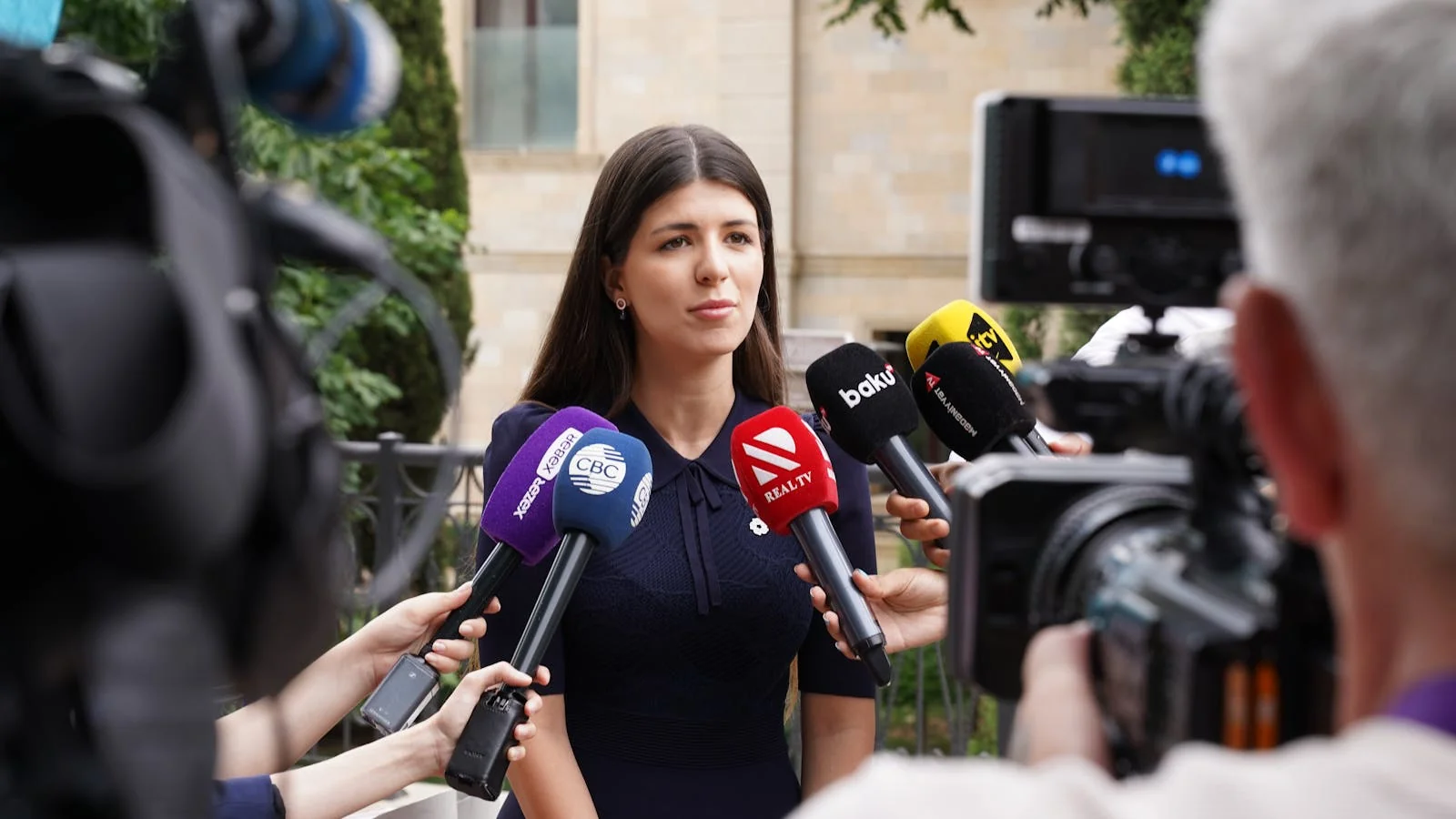
The quote is the part of a sports press release reporters actually use, so it has to sound like a human said it out loud. The third or fourth paragraph is the standard slot. Attribute it to the coach, the athlete, or the athletic director, and make it say something a recap cannot: the emotion of the moment, the meaning of the result, the credit to a specific player.
A dead quote sounds like this: “We are proud of our team’s hard work and dedication throughout the season.” No reporter has ever printed that sentence willingly. A live quote sounds like this: “We were down by nine at the half and I told them the meet was not over, and the way the freshmen rowed that last 500 meters is something I will remember for a long time.” That is a quote a reporter keeps, because it does the thing they cannot do from the press box: it tells them what it felt like.
Give them two quotes if the story warrants it, one from leadership and one from an athlete. Never write a quote you would be embarrassed to hear read aloud on a broadcast. And always get the wording approved by the person it is attributed to, because a reporter may call to confirm, and the quote has to match.
Include the numbers a sports desk cannot skip
Sports coverage is built on statistics, and a sports press release that omits the numbers forces the reporter to chase them, which often means they skip your story for one that handed over the data. Include the final score, the individual stat lines that matter, the season record, the margin, the time, the distance, whatever the sport measures.
Format the numbers so they are scannable. A short stat block after the body, set off clearly, lets a reporter grab the box-score detail without digging through prose. List the standout performers with their specific contributions. If an athlete broke a record, state the old record, the new mark, and the date the old one was set. Precision here is what separates a release a beat writer trusts from one they have to fact-check before using.
Accuracy is non-negotiable. One wrong score or misspelled athlete name, and the reporter learns not to trust your releases, which means the next twenty go straight to the trash regardless of how good the news is.
Give them the logistics and the visuals
A sports press release that announces a future event has a second job: make it effortless for a reporter or photographer to show up. State the date, the start time, the venue with a full address, the parking and media-entrance details, and a press contact who will actually answer the phone that day. If credentials are required, say how to get them and by when.
Photos and video matter more in sports than almost any other beat, because the section is visual. Offer high-resolution images and say so in the release. Link to a folder of usable photos with the athletes named in the file names or captions. If you have video of the record-breaking moment or the game-winning play, mention that it is available and how to request it. A great action photo can be the reason your release runs instead of the competitor’s, even when the news is comparable.
For results that already happened, swap the event logistics for availability: when the coach or athlete can be reached for an interview, and through which contact. Reporters working an evening deadline reward the source who is reachable in the next hour.
Match the distribution to the level of the news
Where you send a sports press release should track the size of the news. A youth league result goes to the community paper and the league’s own channels, not to a national wire, because a national desk will never run it and a scattershot blast trains editors to ignore your name. A college conference championship or a professional signing earns wider distribution, including the relevant beat writers by name.
Build a real list. The local sports editor, the beat writer who covers your sport, the radio station that carries games, the regional outlet that runs roundups. Address them individually where you can, because a sports editor can tell a personal note from a mass send in one glance, and the personal note gets opened. Time the send to the deadline cycle of your target outlet. A result that lands at 11 p.m. misses the evening edition and competes with everything from the next day; the same result sent the moment the event ends has a clean shot at fresh coverage.
When the Lakeside example above sent its regional result directly to the two reporters who cover prep rowing, attached the qualifying time and a photo of the finish, and made the coach available by phone for an hour, both outlets ran it the next morning. Same facts, targeted delivery. That is the entire difference between a sports press release that works and one that sits unread in a general tips inbox.
Write the result first, write the headline like a sports desk would, hand over a quote that sounds human and numbers that check out, and send it to the people who actually cover your sport. Do that, and the next time something happens worth telling, the reporter already knows your name is good for it.