
“Nobody wants to read about your new lobby.” A travel editor said a version of that to a hotelier once, and it is the most useful sentence in hospitality PR. The property is the least interesting thing about your announcement to everyone except you. A hospitality press release fails when it is written as a proud tour of the amenities, because a journalist reads it looking for a story their audience will care about, and a list of features is not a story. The properties that get covered figured out how to smuggle a real narrative inside the announcement, and that is a skill you can learn.
Travel and hospitality is one of the most pitched beats in media, which means the bar is high and the delete key is fast. Editors receive a flood of releases announcing new hotels, renovated suites, seasonal packages, and celebrity chef partnerships, and almost all of them read the same. To break through, your hospitality press release has to answer the question the editor is silently asking: why would my reader care about this, today, over everything else in my inbox. Here are the five angles that answer it, built on a simple idea I call the guest-to-reader shift: stop writing for the guest you want to book and start writing for the reader the journalist serves.
Angle 1: the trend your property proves
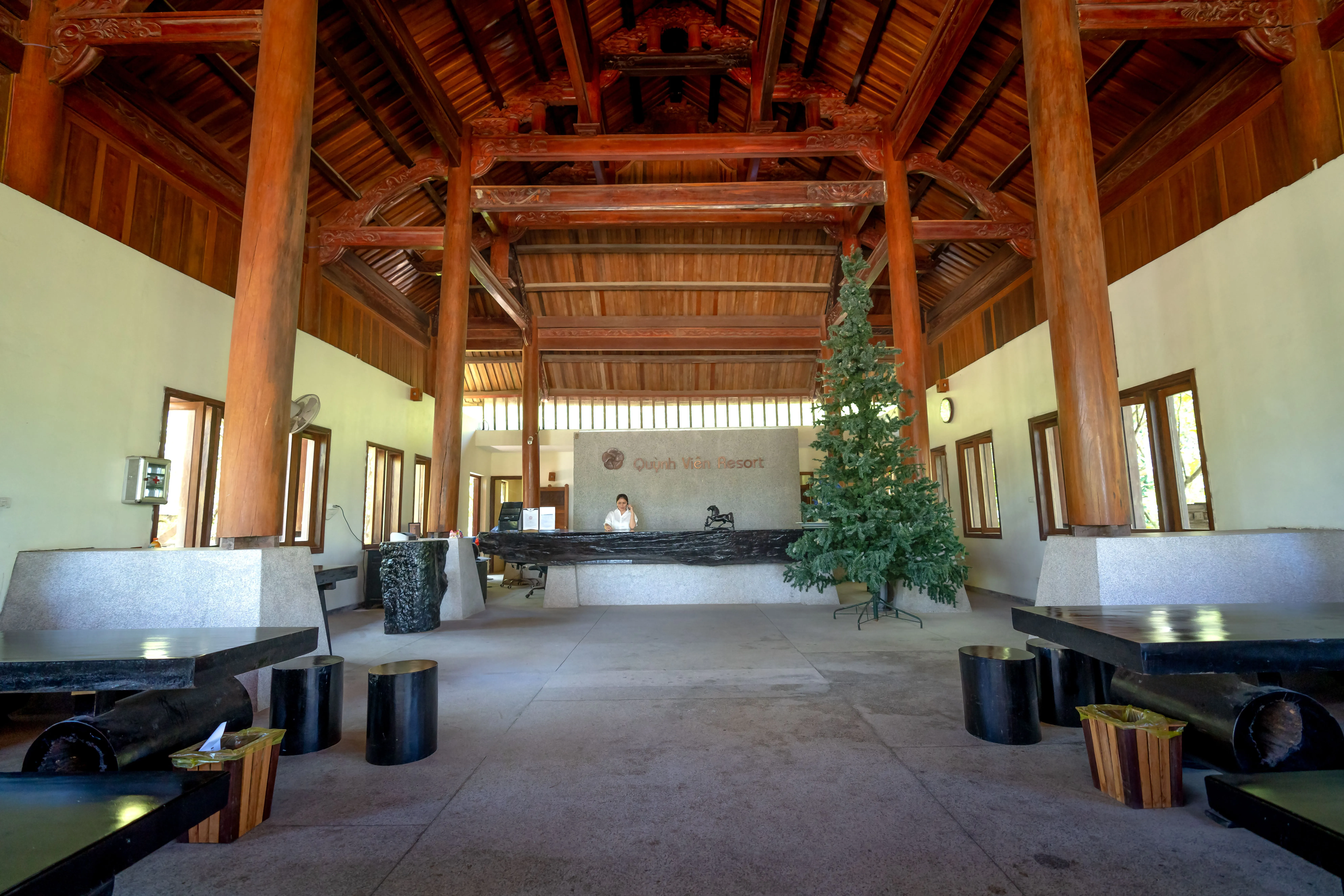
The strongest hospitality press release does not announce a property, it proves a trend. Travel journalists are constantly writing about where travel is going: wellness tourism, remote-work stays, slow travel, regional food scenes, sustainable hospitality. When your property is a concrete example of a trend a journalist already wants to cover, you become useful to them rather than one more pitch to ignore. The property is the evidence, the trend is the story.
To use this angle, identify the travel trend your property genuinely represents and lead with it. A new hotel built around extended remote-work stays is not a hotel opening, it is a data point in the story of how work is reshaping travel, and that is a story editors are actively assigning. Frame your hospitality press release as the proof of a trend and you hand the journalist a finished narrative with your property at the center, which is a far easier thing to say yes to than a standalone announcement.
Angle 2: the local story with real stakes
Not every property fits a national travel trend, and that is fine, because local and regional press is often more valuable for a hotel than a distant travel byline. The angle that wins local coverage is economic and community impact: jobs created, a historic building saved, a neighborhood revived, a development that changes a downtown. Local reporters are looking for exactly these stories, and a hotel is frequently at the center of one.
Reframe the same opening for the local reader. A new property becomes the anchor of a downtown revival, the reuse of a landmark building, or the creation of a hundred local jobs. These are stories the local outlet has a mandate to cover, and your hospitality press release becomes the source. The property did not change, the frame did, and the frame is what turns an announcement only you care about into a story the community has a stake in.
Angle 3: the person behind the property
Journalists cover people more readily than buildings, because readers connect with people. A notable chef, an acclaimed designer, a founder with a compelling reason for building this particular place, any of these gives your hospitality press release a human center that a features list can never provide. The person becomes the way into the story, and the property comes along as the setting where their vision lives.

Lead with the person and the why. A hotel designed by a renowned architect is a design story. A property built by a founder returning to their hometown is a personal story with a sense of place. A restaurant helmed by a chef with a following is a culinary story. In every case the person carries the narrative, and the journalist gets a subject to interview and a face to feature, which is worth far more to them than square footage and thread counts. When your announcement has a person at its heart, it stops being a press release and starts being a profile waiting to be written.
Angle 4: the experience nobody else offers
If your property offers something genuinely distinctive, an experience a traveler cannot get anywhere else, that specificity is your angle. Generic luxury is invisible because every property claims it. A specific, unusual, ownable experience is a story, because it gives the journalist something concrete and new to describe to their readers. The first of something, the only place you can do a certain thing, an experience built around a local craft or setting, these are the details that earn coverage.
The discipline here is honesty and specificity. Do not inflate a standard amenity into a unique experience, because journalists see through it instantly and it costs you credibility. Find the one thing your property genuinely offers that no competitor can, and build the hospitality press release around that single distinctive experience. Specificity is what makes an experience quotable, and quotable is what makes it into the article. A property with one truly unique experience beats a property with a long list of ordinary ones in every editor’s inbox.
Angle 5: the milestone that signals momentum
Some announcements are genuinely newsworthy on their own terms: a major expansion, a significant award, a landmark anniversary, a first-in-market achievement. These milestones work as an angle when they signal momentum or significance beyond the property, and they carry particular weight with business and trade press covering the hospitality industry itself. A milestone tells the market something is happening, and that is inherently more interesting than a routine update.
The way to strengthen a milestone is with meaning and numbers. An anniversary is more compelling attached to how the area has changed around the property. An expansion is more newsworthy attached to what it says about demand and growth in the market. Give the milestone a stake and a figure and it becomes a signal rather than a self-congratulation. Across all five angles, the pattern holds: a hospitality press release earns coverage when it hands a journalist a story their reader already cares about, with your property as the evidence. Write for the reader the journalist serves, not the guest you want to book, and the same announcement that would have been deleted becomes the one that gets covered.