
“AP’s mission is to inform the world with accurate, fair and unbiased reporting.” That sentence, from the Associated Press’s own statement of news values, is the most useful pitching advice you will ever get about the wire, because it tells you exactly what the AP is not: a publicity channel. The organizations that get covered by the Associated Press internalize this early. They stop pitching their company and start offering reporting material: verifiable facts, real stakes, and sources who say things plainly.
The prize justifies the discipline. AP is a cooperative serving thousands of member and customer outlets, which means one wire story replicates across local papers, broadcast sites, and national platforms in a single day. For search visibility and AI-engine citation, wire syndication is a different category of asset from any single placement: the same fact about you, confirmed across hundreds of domains the engines treat as credible.
Understand the wire’s plumbing before you pitch it
AP content flows from more directions than most pitch guides admit. National desk reporters cover beats from technology to health. Regional bureaus cover their territories. And member newspapers feed stories upward: a strong piece in an AP-member local paper can be picked up and distributed across the wire without you ever emailing AP directly.
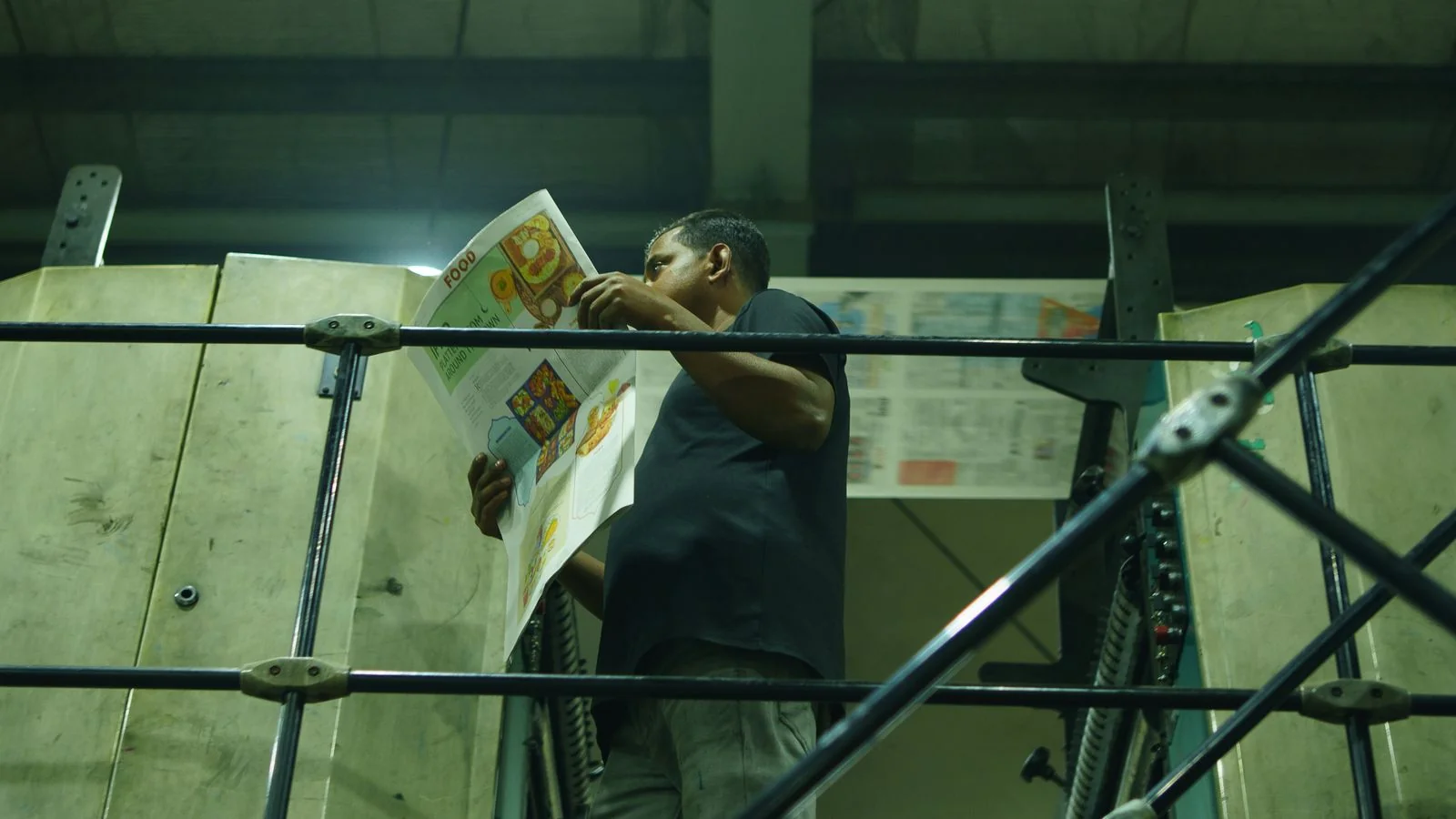
That third route is the one most businesses should run first. The local angle is structurally easier to land, local reporters answer their email, and a well-reported local story carries AP-grade sourcing by the time the wire considers it. Getting covered by the Associated Press often looks like getting covered brilliantly by the Cedar Rapids Gazette and letting the cooperative do what it was built to do.
It helps to know what the wire is hungry for on any given day. AP desks plan around the calendar the way every newsroom does: seasonal business stories, data releases, anniversaries of major events, and the localization of national trends. A pitch that arrives three weeks before the relevant moment, offering the local or human dimension of a story the desk already knows it will cover, is pushing on an open door. The same pitch arriving the day of competes with the wire’s own staff coverage and loses.
Pass the wire-worthiness test
Before any outreach, run your story through the four questions AP editors are effectively asking. Call it the wire-worthiness test. Does it matter beyond you, affecting an industry, a region, or a recognizable group of people rather than one company’s milestone? Can every claim be verified independently, with data, documents, or named sources a reporter can call? Is it timely, pegged to something happening now rather than available whenever? And is there a human stake, a person whose situation makes the abstraction concrete?
A funding announcement fails the first question. The same company reframed, “lending data from 400 small manufacturers shows equipment financing approval times doubled this year, and here is a machine shop owner living it,” passes all four. The story that serves hundreds of newsrooms is about the doubling, not about you. Your name rides along as the source, which is the entire arrangement: AP gets reporting material, you get the citation.
Run the test honestly and most of your internal news fails it, which is the correct result. The discipline is not finding clever framings for announcements; it is recognizing the two or three genuinely wire-worthy stories your business generates per year and saving your credibility for those. Companies that pitch the wire monthly with repackaged promotions train the desk to delete them. Companies that show up twice a year with verified, consequential material train the desk to open them, and the second group gets called back when the desk needs a source on deadline.
Find the actual human being on the beat
Generic newsroom inboxes are where pitches go to be archived. Search apnews.com for recent stories adjacent to yours and collect the recurring bylines. Those two or three reporters are your real targets. Read enough of their work to know what they consider a story, then send a short pitch built for a journalist on deadline: subject line stating the news, three sentences of story, the verifiable numbers, and the sources you can produce, including ones outside your company.
Follow up exactly once, three or four business days later, with one new piece of information rather than a “checking in.” Wire reporters triage hundreds of emails; a second note that adds a fresh number or a newly available source gives them a reason to reopen the thread, while a contentless nudge gives them a reason to filter you.
Offer the goods that make wire stories cheap to produce: data they can examine, customers or affected people willing to be interviewed and photographed, and your own availability on short notice. AP reporters assemble stories from multiple confirmations. Arriving as a one-stop sourcing package is the most concrete advantage you can manufacture.
Photography is the under-pitched half of the package. AP is a visual wire as much as a text one, and stories with strong art travel further across member sites. If your story has a visual dimension, a working floor, a person in a place, a process that photographs well, say so in the pitch and offer access for a shoot. Do not send your marketing photos and expect them to run; wire standards require editorial images, but offering the access is itself a point in your favor because it signals you understand what the desk needs to ship.
Then respect the boundary that makes all of this work: AP journalists cannot be paid, pressured, or traded favors for coverage, and the appearance of any of it ends the relationship. The currency is only ever material: facts, access, people, and speed. Businesses that internalize this find the wire surprisingly approachable. The ones that treat it as a placement to be purchased discover that the cooperative’s entire value rests on it being unpurchasable.
Use the local on-ramp deliberately
If the national beat reporter passes or never answers, run the member-paper route. Pitch the strongest local angle of your story to the city paper or regional business journal where it naturally lives: the jobs, the local family affected, the regional trend your data reveals. When the piece runs, wire pickup is the editor’s decision, not yours, but you can quietly improve the odds. Stories with clean facts, strong art, and relevance past the city limits travel. Tell the local reporter the wider context honestly, because a line like “this is happening statewide” gives the story its syndication shape.

Repeat the cycle and the on-ramp compounds. Two or three local stories make you the documented regional source on your topic, which is precisely who a bureau reporter calls when the national version of the trend needs a face.
Timing the local pitch matters as much as shaping it. Local newsrooms are thinnest, and hungriest, around weekends and holiday periods, and a fully-packaged story that can run Saturday often gets a yes that the same story pitched for a Tuesday would not. The packaging standard is the same wire-worthiness test as the national desk, just scaled: verifiable numbers, a person to photograph, relevance past your own front door. Local editors know exactly which of their stories have wire potential, and they want the pickup as much as you do, because syndication is a point of pride and a signal to their own management.
After the wire hits, harvest it properly
A wire story is a 48-hour event with a ten-year tail. While it is live, point your channels at the AP version rather than a single member outlet’s copy, since apnews.com is the canonical citation. Afterward, the harvesting begins: the placement joins your press page, your about-page boilerplate (“featured in AP reporting on…”), your sales materials, and crucially the source layer that AI engines read when assembling answers about your space. Wire-confirmed facts are about the strongest entity evidence a business can hold, because the engines see the same claim echoed across hundreds of credible domains.
Then protect the relationship that produced it. Thank the reporter, stay useful between stories, and feed them material with no ask attached. Reporters keep source files, and the second AP story is dramatically easier than the first.
One harvesting mistake to avoid: rewriting the story’s framing in your own materials. If the AP piece positioned you as one source within an industry trend, your press page says exactly that, “featured in AP coverage of the equipment financing crunch,” not “AP profiles [company].” Inflating a citation into a profile is the kind of small dishonesty that reporters notice, prospects sense, and fact-checking AI systems now flag when the claim and the source disagree. The accurate version is plenty. Wire coverage needs no embellishment, which is the entire reason you wanted it.
The whole sequence, plumbing, test, reporter, on-ramp, harvest, runs on a single conviction: the wire buys reporting material and nothing else. Everything tactical in this piece is that conviction applied to a different stage, and it is also why the channel stays open to businesses with no media budget at all. The desk does not care what you spent. It cares whether the facts check.
None of this required a publicist, just reporting material and patience. The real question worth sitting with: what is the one story inside your business right now that matters to people who have never heard of you, and what would it take to make every fact in it independently checkable this quarter?