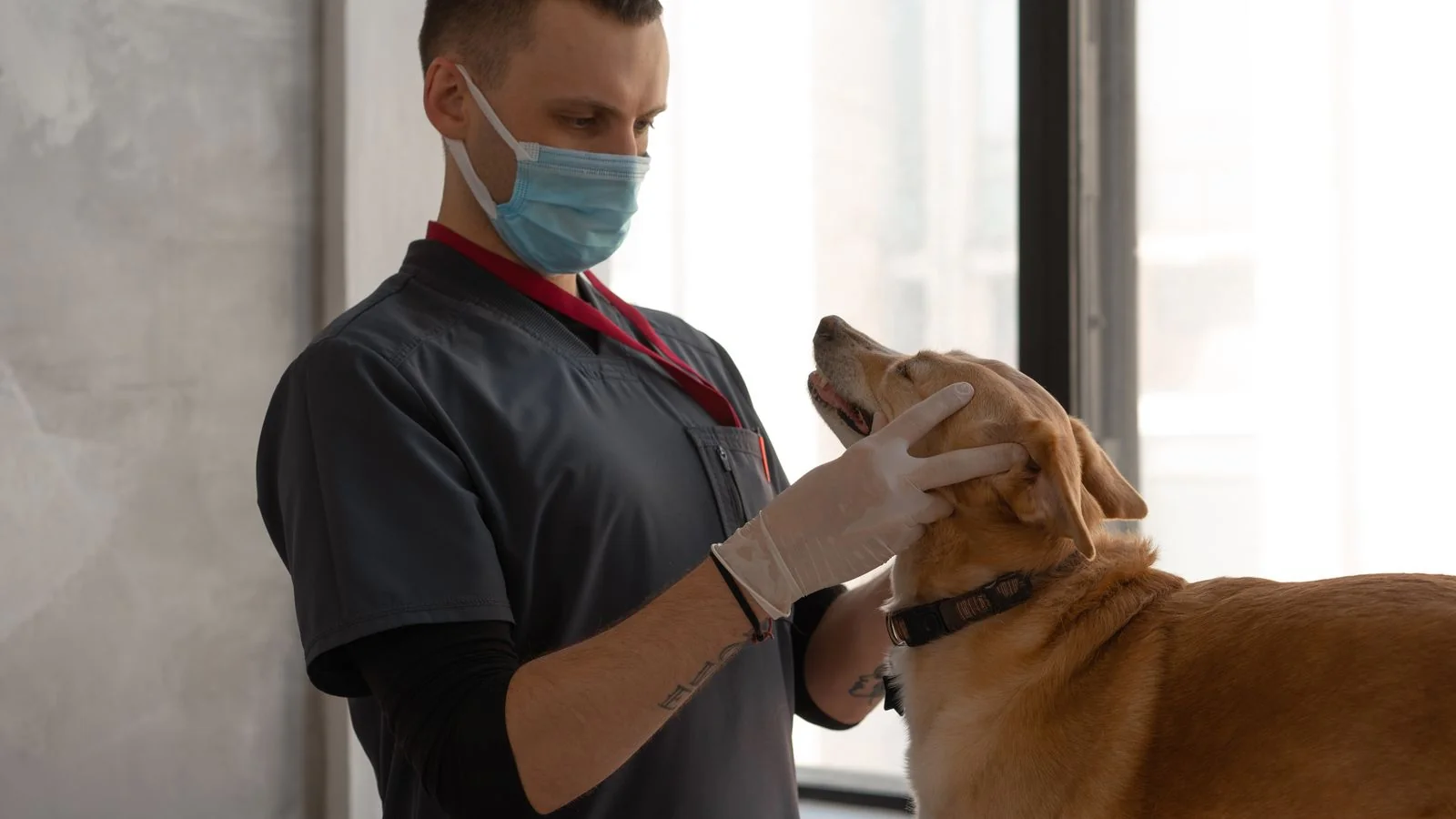
The thing that makes your clinic good at medicine is the thing reporters care about least. No producer books a segment because your surgical outcomes are strong or your equipment is new. They book the dog who survived, the cat who found a home after a year in a cage, the family who drove three hours for a diagnosis nobody else could make. Veterinary press is not built on your competence. It is built on your access to animals and the people who love them, and that is a far easier asset to pitch than most owners think. That is the whole secret to getting press for veterinary clinics. You are not selling medicine. You are offering a newsroom the one thing it cannot manufacture, a real animal with a real story.
Reporters want the animal, not the practice
Local newsrooms have a soft spot for animals because their audiences do. Pet stories are among the most shared items a local outlet publishes, and producers know it. That is why the rescue dog, the three-legged cat who gets around better than most, and the retiring police K-9 all make air while a new medical device down the street does not. The emotional pull of an animal is a proven audience driver, and your clinic is one of the few places in town that produces those stories on a steady schedule.
The reporters covering them are stretched thin. Local health and lifestyle desks have shrunk, and the people who remain juggle several beats and a daily quota of segments. A veterinarian who can hand a producer a ready story, a willing owner, a photogenic animal, and a same-day interview solves a real problem for someone under deadline pressure. You are not asking for a favor when you pitch that way. You are doing part of their job for them, and reporters remember the sources who do.
What reporters do not want is a tour of your capabilities. The moment a pitch turns into a description of your services, your hours, or your new suite of equipment, it stops being a story and becomes an ad, and ads go to the sales department. Keep the animal and the owner in the frame, keep yourself in the expert’s chair beside them, and you give a reporter something they can use tonight. That single reframe, from practice to patient, is what separates the clinics that get covered from the ones that keep wondering why their releases vanish.

The Clinic Story Ladder
Press for a veterinary clinic is not one thing you either have or you do not. It is a ladder you climb, and each rung makes the next one reachable. Think of it as the Clinic Story Ladder, four rungs that run from your own neighborhood to national media, in the order a newsroom will actually accept them.
The first rung is the Neighbor Story. This is pure local human interest, one animal and one owner from your community, with an outcome that makes a reader feel something. The dog who pulled through parvo, the senior cat adopted after a year nobody wanted her, the working dog a family drove across the state to save. It runs in the community paper or the evening lifestyle segment, and it asks almost nothing of the reporter beyond a photo and a quote. This rung is where every clinic starts, because it is the easiest yes in local media.
The second rung is the Service Story. Here you become the local expert who keeps pets safe against a date on the calendar. The chocolate and xylitol warnings before the holidays, the hot-car and heatstroke reminders in July, the antifreeze and cold-paw guidance in winter, the noise-anxiety advice before the Fourth of July. These segments run every year because the danger returns every year, and the outlet needs a credentialed veterinarian to deliver the warning. You are not the story here, the season is, and you are the voice that makes it credible.
The third rung is the Trend Story. Now you are commenting on a pattern larger than a single animal, drawn from what you see across your practice. The spread of tickborne illness into new regions, the breathing problems common to flat-faced breeds, the way the rising cost of care and pet insurance is reshaping the choices owners make. This rung reaches regional papers, business desks, and the pet vertical outlets, and it casts you as an analyst rather than a first responder. It asks you to track what you see and to speak in specifics about your own caseload without inventing numbers you cannot stand behind. You do not need a statistic to earn it. You need an honest observation, such as more tick cases this spring than last, or more owners asking whether a procedure is worth the cost. A reporter can build a trend piece around a credible local voice describing what changed and why it matters to pet owners in the area.
The fourth rung is the National Story. This is trade press, the veterinary publications your peers read, and national consumer media that covers pets and animal health. You almost never reach this rung cold. You reach it because the lower rungs gave you a body of coverage, a track record on camera, and a point of view worth a national editor’s time. Getting press for veterinary clinics at this level is the payoff of having climbed the first three rungs in public, not a shortcut around them.
Which rung should your clinic start on?
Start on the first rung, without exception. The clinic that opens by pitching a national magazine gets ignored, because it has no track record and no reason for a busy national editor to trust it. The clinic that lands three neighbor stories and two seasonal segments over a year has proof, and proof is what carries you up the ladder.
Finding the story on the first rung is a matter of paying attention to your own appointment book. The cases that move you are the cases that will move a reader, and you already know them when they happen. What you need before you pitch is the owner’s enthusiastic permission and a signed release to share the animal’s story and images, because a reporter on deadline will not wait while you chase down consent. Keep a running short list of owners who have told you they would be glad to talk. When a reporter needs a story fast, you want to reach for a name, not start searching.
The second rung runs on the calendar, so build yours ahead of time. Map the predictable dangers to their dates, the holiday toxins, the summer heat, the spring foxtails and ticks, the winter hazards, and reach out to local outlets a week or two before each one. Editors are grateful for a timely, useful pitch that lands before the season rather than during it. Do this for a year and you become the veterinarian the station calls without being asked, which is the entire point. A clinic on a producer’s source list does not chase coverage. Coverage comes to it.
The higher rungs come later, and they come from evidence rather than ambition. You are ready for the Trend Story when you can point to a pattern you have watched build across a season of appointments and describe it in plain, specific terms. You are ready for the National Story when you have a folder of local clips, a comfortable presence on camera, and a point of view a trade editor has not already heard from a hundred other clinics. Do not skip rungs. A national editor who searches your name and finds three local segments takes your pitch seriously. One who finds nothing moves on to the next email.
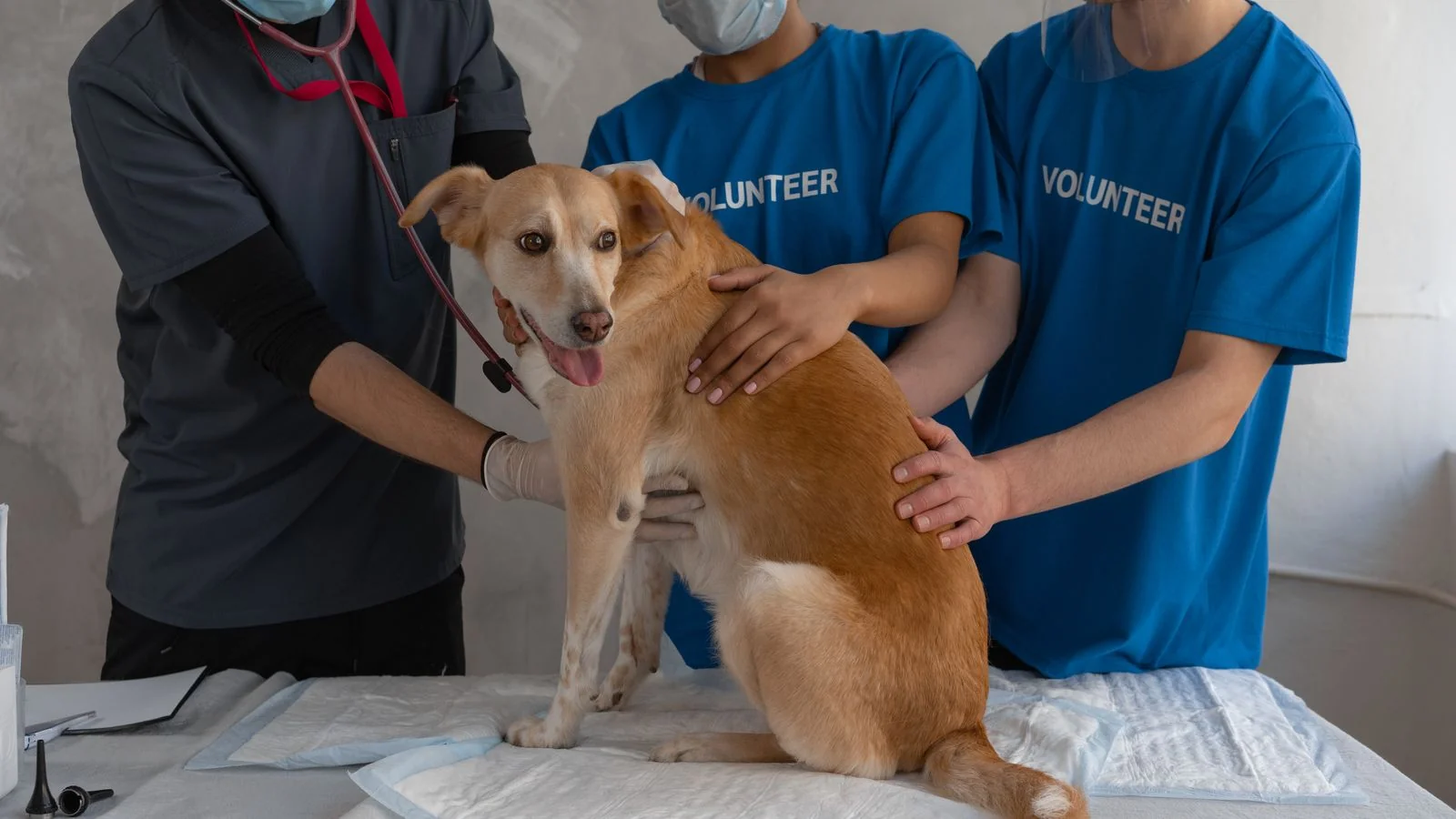
Pitch the story, then let it climb
Write the pitch to be skimmed, because that is how a reporter reads. The subject line has to carry the whole hook, something like Local vet on the holiday foods that send dogs to the ER this week. Open with the timely reason the story matters now, name the animal and owner you can put in front of a camera, add the one detail only you can supply from your practice, and sign off with your credentials and a phone number. Keep it short enough to read on a phone. A reporter who wants more will write back within the hour.
The tools for reaching reporters at scale have shifted. HARO, the free service that connected sources to journalists for two decades, was shut down, and its replacement, Connectively, closed at the end of 2024. The work moved onto Qwoted, Featured, Help a B2B Writer, and SourceBottle, and onto social platforms where reporters post requests under tags like #JournoRequest and #PRequest on X and Bluesky. Pet and animal-health queries show up on all of them. Watch for the ones you can answer, reply fast with something specific and quotable, and leave the promotion out. The source who is useful and quick wins the placement over the source who is more credentialed and slow.
There is a longer payoff that makes all of this worth more than it used to be. A local story about pet safety does not just air and vanish. It becomes a page that answer engines read. When an owner asks ChatGPT, Perplexity, or Google’s AI Overviews whether a food is toxic to dogs or how to find a trusted local vet, those systems build their answers from independent, credentialed sources, and local news coverage is exactly that. Every rung you climb leaves behind a citation that can surface in an AI answer long after the segment aired, which means the clinic that earns steady local press is also teaching the machines that it is the local authority on animal health.
So the question is not whether your clinic is newsworthy. It handles newsworthy stories every week, and most of them walk out the door without anyone outside the exam room ever hearing about them. The question is which one you will put on the first rung. Which patient from this month would a neighbor want to read about, which owner would say yes tonight, and which local reporter covers the pet stories in your town by name? Answer those three, send one short pitch before the week is out, and you have started to get press for veterinary clinics the only way it works, one honest story at a time, climbing.