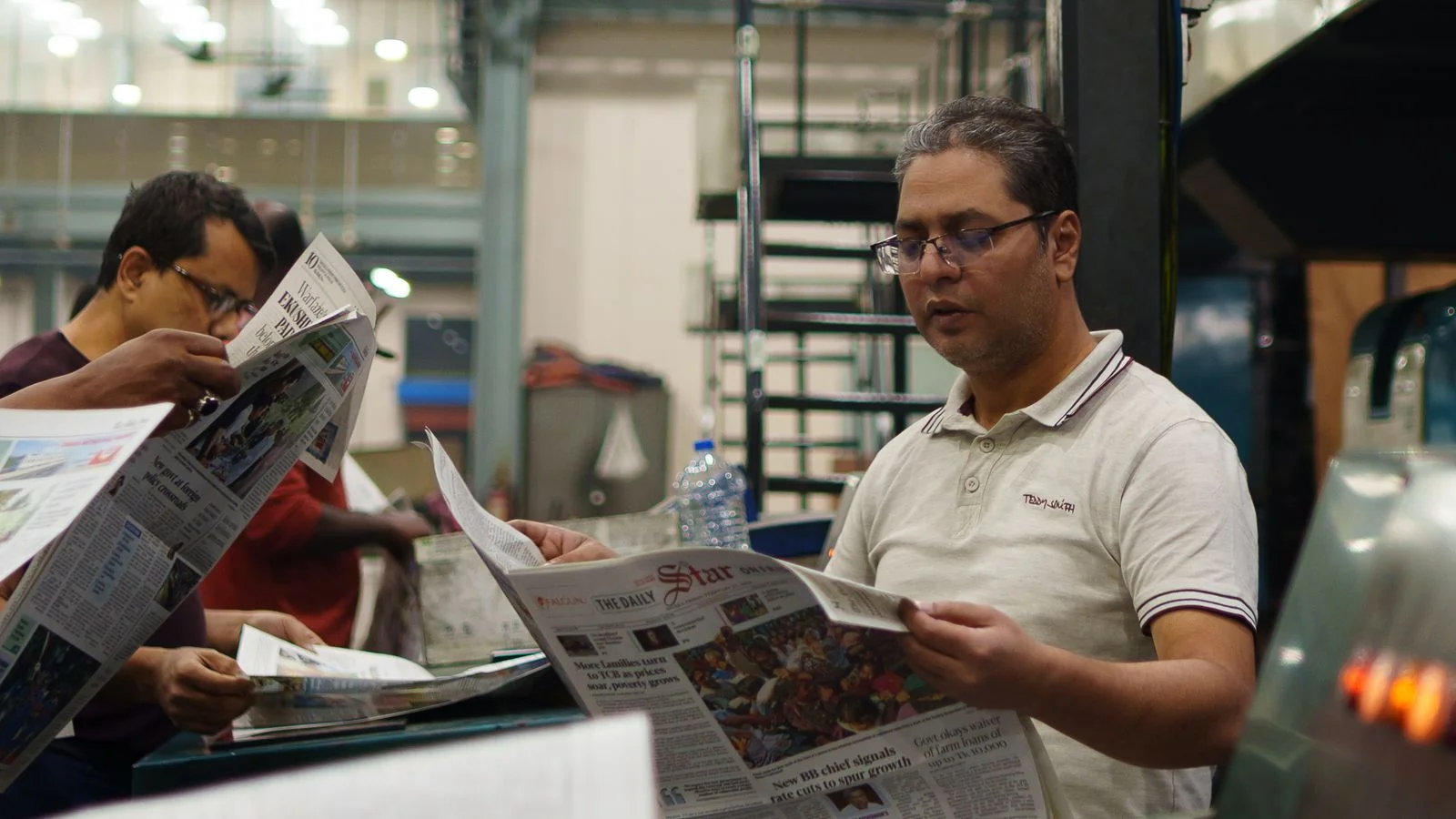
The decline of local newsrooms, usually told as a tragedy, is the best thing that ever happened to a small business that wants press. That sounds callous until you see it from the reporter’s chair. Local newsrooms have been gutted over the past two decades, with the United States losing roughly a third of its newspapers and shedding local journalists at a brutal pace, which means the survivors are covering more beats with less time than any reporter in history. A stretched reporter is not a closed door. A stretched reporter is a person desperate for a source who makes their job easier, and that is a gap you can fill for free.
That is the reframe behind every tactic for how to get local press coverage on no budget. You are not begging a busy gatekeeper for a favor. You are offering an overworked professional exactly what they are short on: a credible local voice, a ready-made story, a fast quote on deadline. Get that relationship right and the coverage is not a one-time win, it is a standing arrangement where your name is the first one they reach for. Here are the five plays that build it.
Play one: become the source before you need the story
The biggest mistake is pitching a story the first time a reporter ever hears your name. Flip the order. Make yourself known as a reliable local expert in your field before you have anything to promote, so that when a reporter needs a quick comment on a topic you know, you are already in their contacts as the person who answers fast and sounds smart.
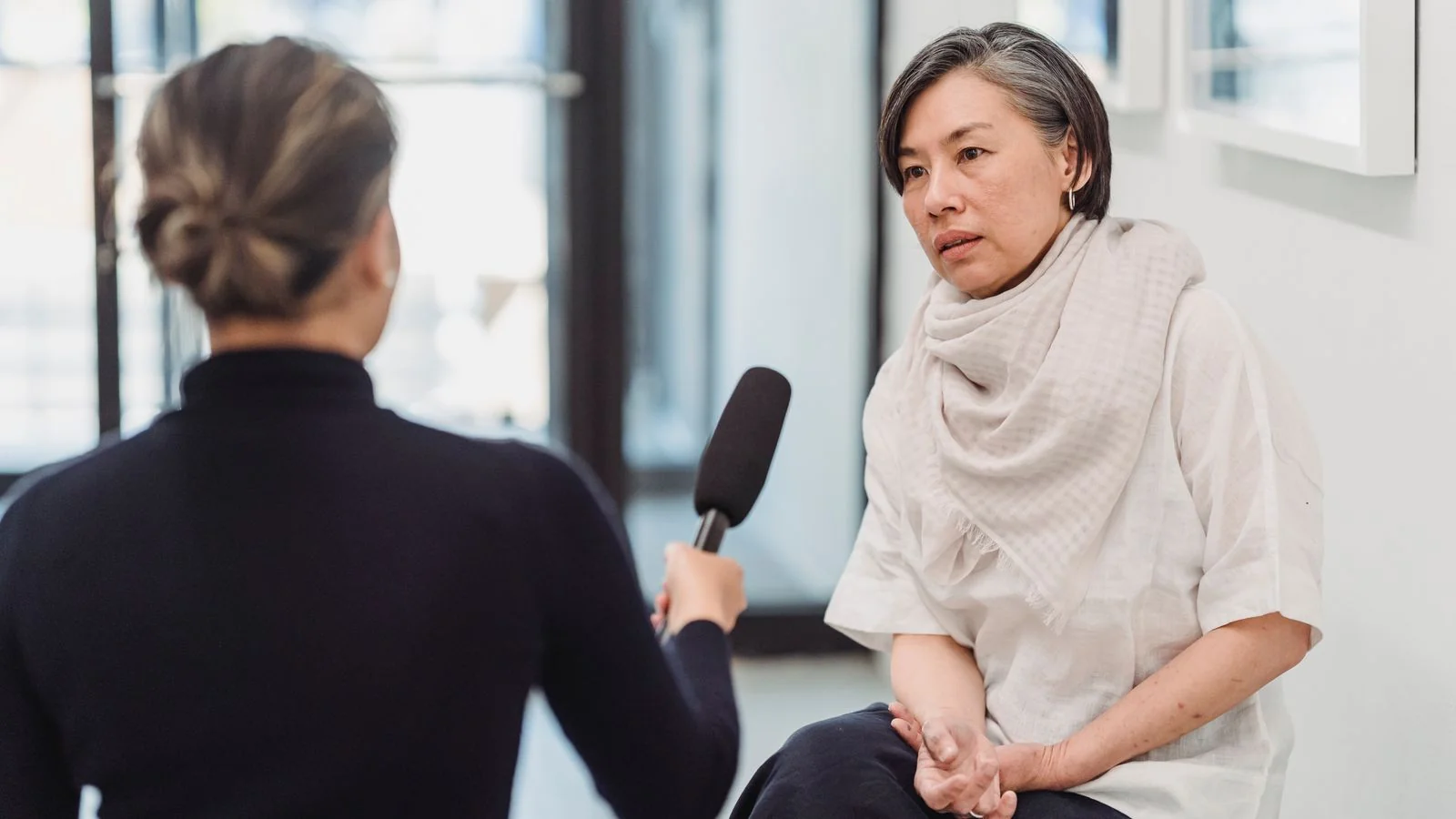
This is mostly about being findable and responsive. Reporters search for local experts under deadline pressure, and they reach for whoever is easy to find, easy to reach, and quick to give a usable quote. Make sure a reporter searching your industry plus your town actually finds you, with a clear bio and contact details. Then, when you do reach out, lead with help rather than self-promotion: a short note saying you are a local owner happy to be a resource on your topic, with your number, costs nothing and plants you in exactly the mental slot you want to occupy. The reporter who has used you once as an easy quote will come back, because easy is precisely what they are short on.
Play two: hand them a story that is already local
National news is generic; local news is specific, and the currency of local coverage is the local angle. A reporter cannot run “small businesses are adopting AI.” They can run “a [your town] bakery is using new tools to do X, and here is what it means for Main Street.” The story they can use is the one rooted in a place, a person, and a stake their readers recognize, and your job is to do that rooting for them rather than handing over a generic press release that forces them to find the angle themselves.
Watch what is already in the local news cycle and connect yourself to it credibly. If there is a story about the downtown economy, a new ordinance, a seasonal trend, a school event, you are a local business with a real stake and a real perspective on it. Reaching out to say “I saw your piece on X, I’m a local owner directly affected, happy to give you the on-the-ground view for a follow-up” is a gift, because you have done the hardest part of their job, finding a real local face for an abstract trend, for free.
Play three: write it so it is nearly ready to publish
An overworked reporter will choose the story that is closest to done. So get yours close to done. That does not mean writing the article for them, which reads as presumptuous, it means handing over every raw ingredient so assembling it is trivial: a clear who-what-where-why, a couple of strong quotes they can lift verbatim, a few real numbers or specifics, and at least one good photo they have permission to use.
The photo matters more than people think. Local outlets running on skeleton staff often lack a photographer, and a story without art is harder to publish than one that arrives with a usable image attached. When you supply a clean, relevant photo with clear permission to run it, you remove one of the silent reasons stories die in the queue. The same logic applies to quotes: a vivid, specific quote you have already crafted is a quote the reporter can drop in without a follow-up call, and removing the follow-up call is often the difference between your story running this week and never.
Play four: build the relationship, not the transaction
The owners who get covered repeatedly treat local reporters as long-term professional relationships rather than one-time targets. That means following their work and referencing it genuinely, respecting their deadlines and their no’s, never wasting their time with a non-story, and occasionally sending them a tip that has nothing to do with you, just because it is a good local story they would want. A reporter who sees you as a generous, reliable source treats you completely differently from a stranger pitching once.
This is also where you respect the line between earned coverage and the kind you pay for. The free plays in this piece are about earning a place in a reporter’s rolodex through genuine usefulness, which is durable in a way no single transaction is. The relationship compounds: the third time a reporter quotes you, it takes one text message, because you have spent the prior two interactions being the easiest, most reliable yes in their contacts. That standing is the actual asset, and it is built one helpful, low-friction interaction at a time, on a budget of zero dollars and a fair amount of patience.
Why local coverage punches above its weight now
Local press coverage used to be valued mainly for its local readership, which for a neighborhood business was already worth plenty. It now does something extra that is easy to miss. The articles a local outlet publishes get indexed, archived, and increasingly digested by the AI tools people use to vet businesses, which means a credible third-party local story about you is corroboration that follows you around long after the print edition is recycled. When someone asks an assistant whether your business is legitimate, a real news article describing what you do is exactly the kind of trusted source that answer leans on.
So the case for learning how to get local press coverage is stronger than the old readership math suggested. You are building a durable layer of third-party credibility, for free, by being the source a stretched reporter is grateful to have found. The newsrooms shrank. The opportunity for the business willing to be genuinely useful grew. Be the easy yes, and the coverage follows.