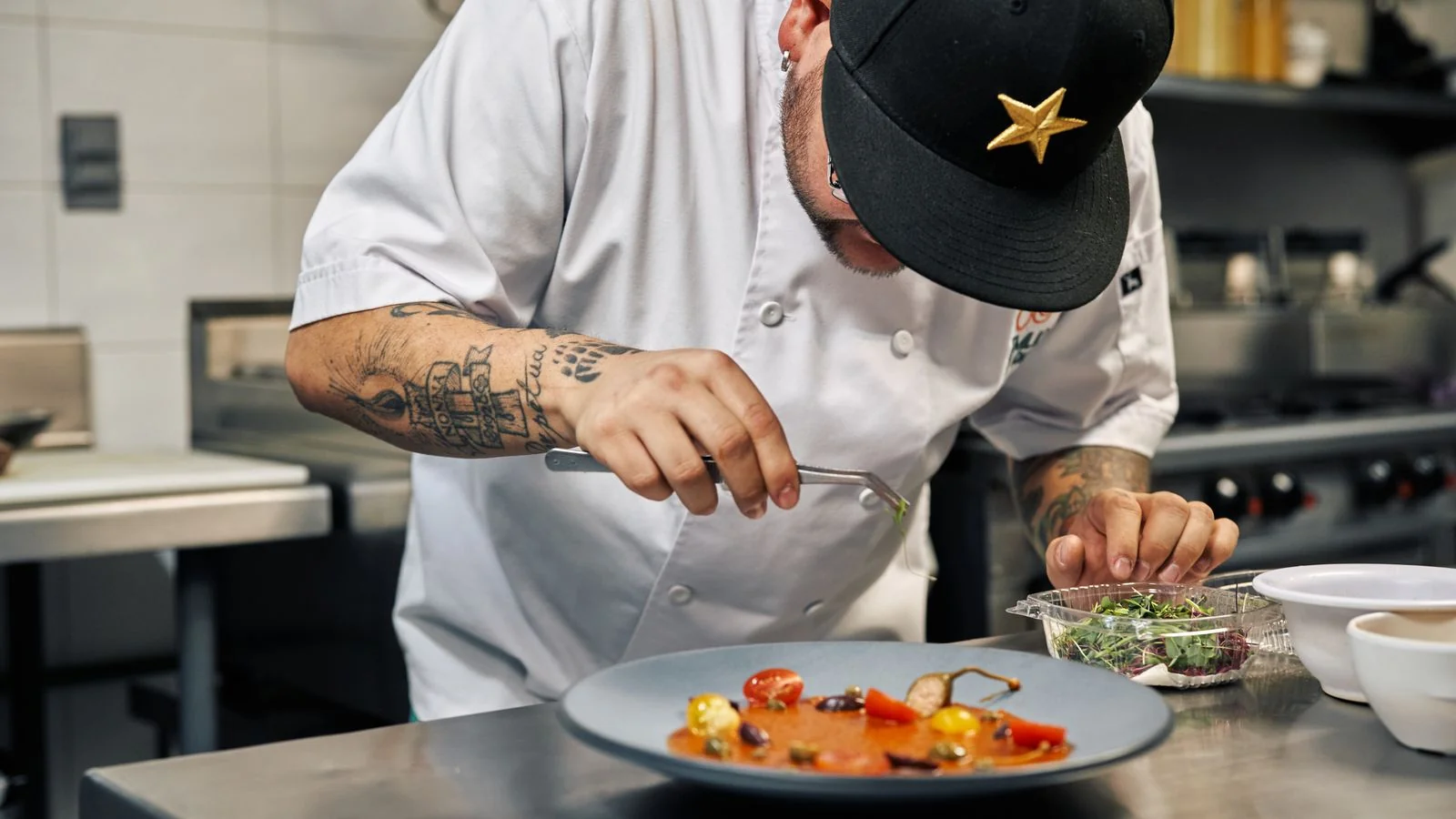
“I do not need another product. I need a story.” A veteran food editor said a version of that to a room of brand owners, and it is the most useful sentence anyone pitching Food & Wine will ever hear. The brands that get featured in Food & Wine are not the ones with the slickest packaging or the biggest launch budget. They are the ones who hand an editor a story already shaped, already interesting, already worth the page. The product is the occasion. The story is the reason.
Most food and beverage pitches fail because they invert that. They lead with the launch, the flavor, the founder’s passion for quality, and they expect the editor to manufacture the interest. Editors do not have time to do that work, and they do not need to, because their inbox is full of people who have done it for them. The path to coverage is to arrive with the angle already built, and there are five angles that consistently survive an editor’s eight-second scan.
Do the homework before the pitch
The five angles all assume one thing: that you have pitched the right editor with a story that matches what they actually cover. Skip that step and even a brilliant angle lands in the wrong inbox and dies. Food media is segmented, and the person who covers restaurants is not the person who covers packaged products, who is not the person who covers wine or spirits or recipes. Read recent work, find the editor or writer whose beat fits your story, and reference their actual coverage in your opening so they know the pitch was aimed, not blasted.
This homework does double duty. It dramatically raises your odds of reaching someone who can say yes, and it signals that you respect the editor’s time and understand their work, which is rare enough to stand out on its own. An editor who opens a pitch and immediately sees that you read their recent piece, understood their beat, and tailored your angle to it is already inclined to keep reading. The brands that get featured in Food & Wine are not just the ones with good stories. They are the ones who delivered a good story to exactly the right person, framed as the thing that person already covers, which is most of the battle won before the angle even does its work.
Why most food pitches never get read
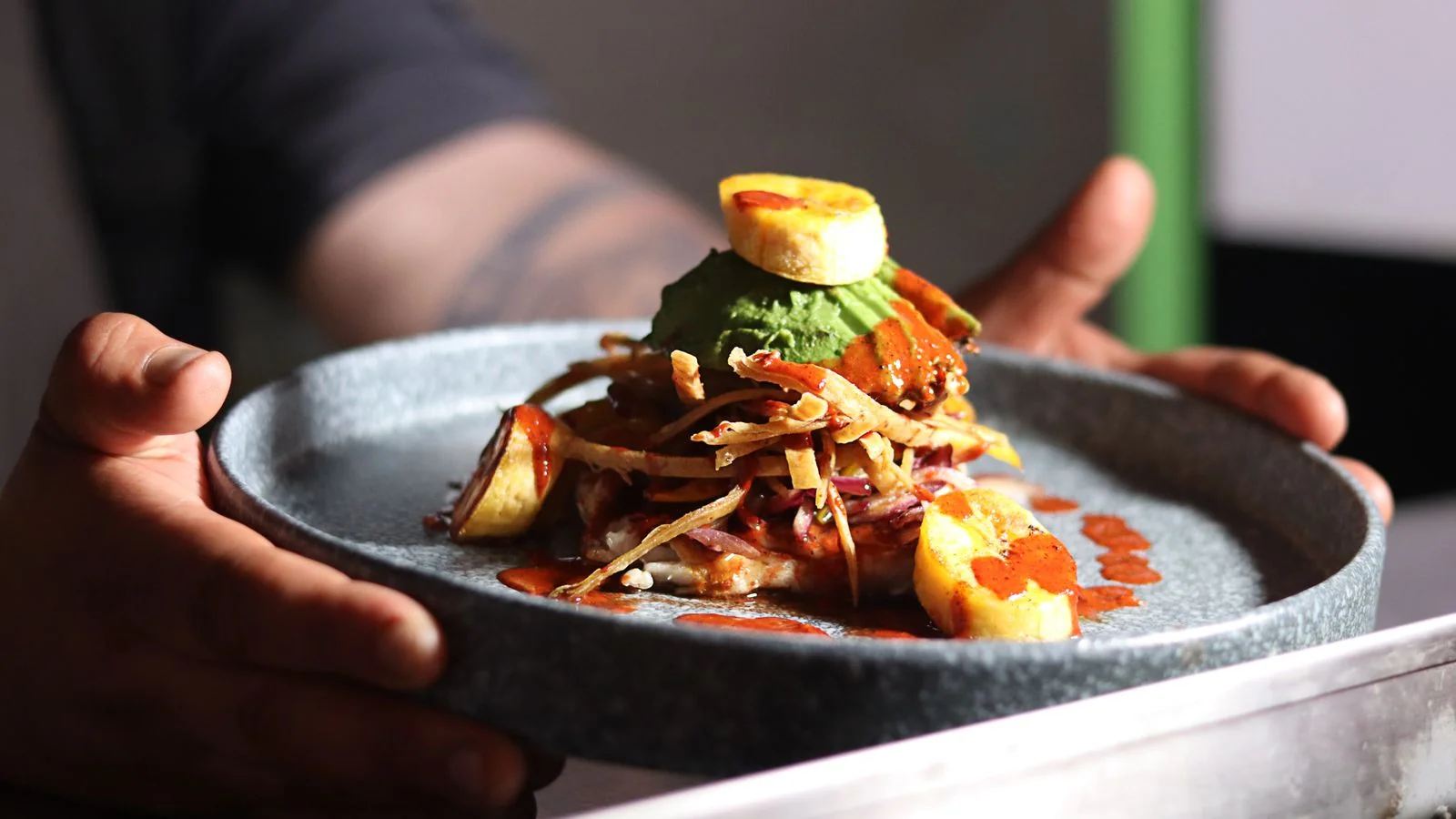
A food editor at a national title fields hundreds of pitches a week, and the overwhelming majority open the same way: a new product, a milestone, an award, a founder who cares deeply. From the editor’s side, these blur into a single gray mass because none of them answers the only question that decides coverage, which is why a reader would stop and care right now. The pitch describes the company. The reader does not care about the company. The reader cares about the food, the trend, the person, the moment.
There is a structural reason this keeps happening. The person writing the pitch is proud of the product and assumes that pride translates. It does not, because the editor is not buying the product, they are buying a story their audience will read. A pitch optimized to make the founder feel good is a different document from a pitch optimized to make an editor say yes. Get featured in Food & Wine by writing the second one, the one that leads with the reader’s interest and treats your product as the vehicle for it rather than the headline.
Angle one: the trend you are early to
Food media runs on trends, and editors are always hunting for the fresh, concrete example that lets them write about a movement before it peaks. If your product or restaurant sits at the front edge of something larger, that earliness is the story. A fermentation technique gaining ground, an ingredient crossing from one cuisine into another, a format shift in how people eat or drink, name the trend and position yourself as evidence of it.
The discipline is to make the trend real and your place in it specific. “We are part of the better-for-you snacking movement” is a category, not a trend, and editors have heard it a thousand times. “We are one of a handful of makers using a regional grain that disappeared from American kitchens fifty years ago and is now coming back” is a trend with a hook, a history, and a reason this matters now. Hand the editor the trend story and your product becomes the example that makes it printable.
Angle two: the person behind the food
Food is deeply human, and Food & Wine runs profiles constantly because readers connect to people more than to products. If there is a genuine story behind the maker, the immigrant grandmother’s recipe scaled into a business, the fine-dining chef who walked away to open a counter, the second-career founder who learned the craft from scratch, that story is often more valuable than anything about the food itself.
Lead with the person and let the product follow. A pitch that opens with a compelling character and an arc gives a features editor something they can build real space around, where a product announcement gives them a brief at best. The food still matters, it is the proof that the person’s story produced something worth eating, but the human is the doorway. When you have a real character with a real arc, that is the strongest card in the deck, and it is the one most brands forget they are holding.
Angle three: the place and its story
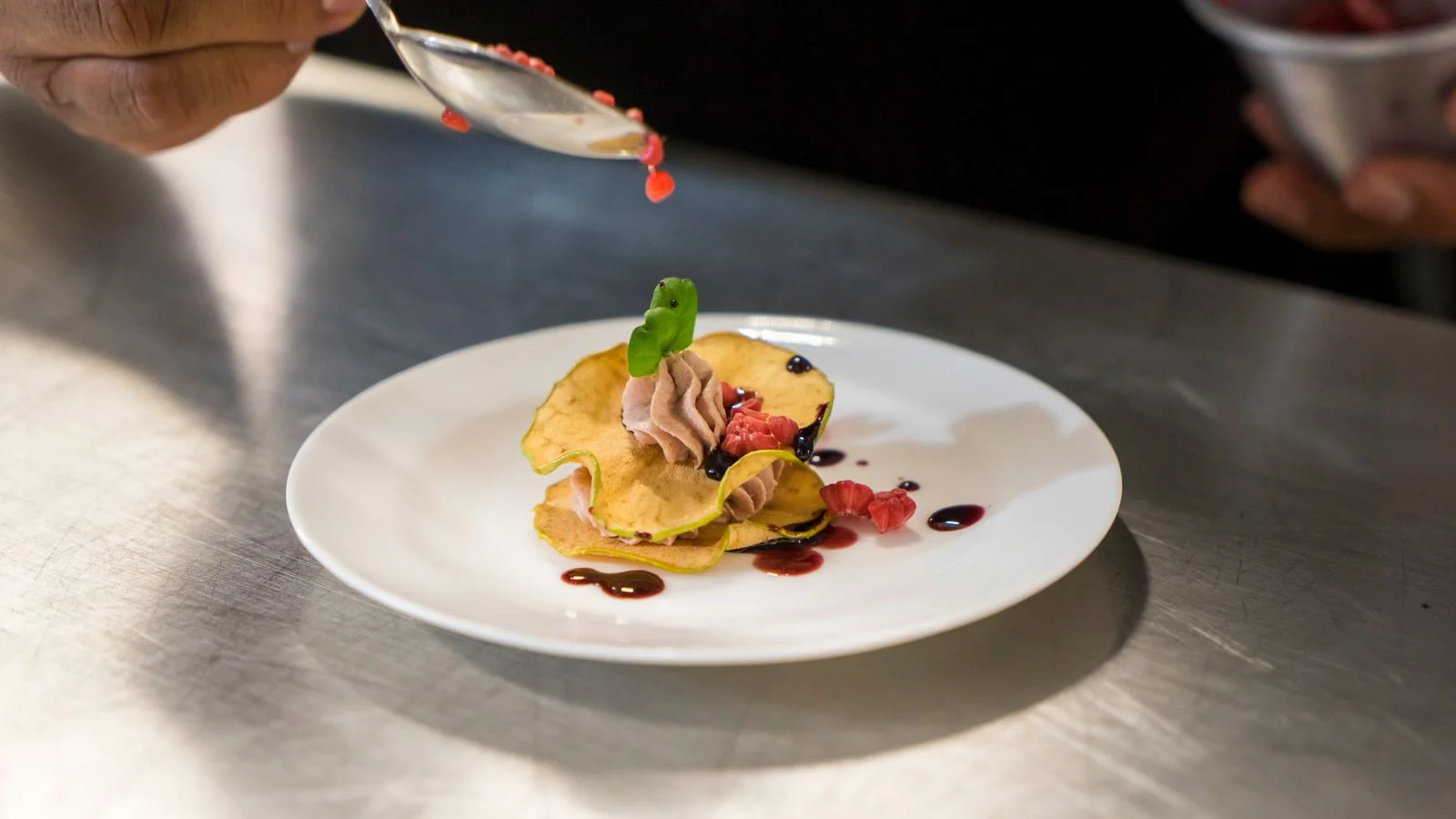
Food and place are inseparable, and regional stories are a permanent part of the Food & Wine beat. If your product or restaurant is rooted in a specific place with its own character, the place is an angle. A distillery using water from a particular source, a restaurant reviving a regional cuisine, a maker whose ingredients can only come from one valley, the geography gives the story a setting readers can taste and travel toward.
This angle works because it taps the reader’s appetite for discovery. People read food media partly to find the next place worth a trip, and a story that locates great food in a specific, vivid setting feeds that directly. Describe the place the way a traveler would experience it, tie your food to what makes the location distinct, and you have handed the editor a piece that doubles as a destination, which is exactly the kind of story that earns real estate.
Angle four: the technique or the obsession
Editors and their readers respect mastery, and a story built around a technique taken to an obsessive level has built-in appeal. The maker who ages something three times longer than anyone else, the chef who sources a single ingredient from a grower nobody else uses, the producer who rebuilt a lost method from scratch, these obsessions are stories because they reveal a level of care most people never see.
The key is to make the obsession legible to a non-expert. The technique is not interesting as a spec, it is interesting as evidence of devotion and as the reason the result tastes different. Frame the how in terms of the why and the what-it-produces, and a reader who has never thought about your category suddenly understands why this one is worth paying attention to. That understanding is what an editor is buying when they run a technique-driven piece.
Angle four and a half: bring images that make the yes easy
A practical factor decides more food coverage than most brands realize: whether you make the editor’s visual job easy. Food and drink are visual beats, and a piece does not run without strong images. When you pitch, having high-resolution, well-shot photography ready, of the dish, the product, the place, the person, removes a real obstacle between the editor and a yes. For digital especially, an editor weighing two equally good stories will often choose the one that arrives with usable images attached.
This does not mean you need a famous food photographer on retainer. It means the photos should be high-resolution, well-lit, and genuinely appetizing or evocative, the kind an editor could run without apology. Offer a small selection rather than a single shot, include the credit and usage permission up front, and mention the images in your pitch so the editor knows the visual problem is already solved. A brand that hands an editor a great story and the great images to illustrate it has done two of the editor’s jobs instead of one. In a beat where the picture is half the page, that readiness can be the difference between a feature that runs and a good story that stalls because nobody had time to source the art.
Angle five: tie it to the calendar with real lead time
The angles above all assume the story is genuinely ready, and timing is where readiness gets tested. The most practical angle is the one most brands botch through bad timing. Food media is seasonal, holiday menus, summer entertaining, the gifting season, and editors plan those features far ahead. A pitch that fits an upcoming calendar slot, delivered with enough lead time, gives the editor exactly what they are already looking to fill. The same pitch sent the week of the holiday is useless, because the slot closed weeks ago.
Pitch seasonal angles eight to twelve weeks out for digital and further for print, and frame your product as the answer to a question the editor is about to ask. “What should readers serve at a fall gathering” or “what makes a distinctive holiday gift” are questions on every food editor’s planning list, and a well-timed pitch that answers one of them with a specific, story-rich product is a yes waiting to happen. One more habit separates the brands that get featured in Food & Wine repeatedly from the ones that land a single placement and disappear: they treat the first yes as the start of a relationship, not the end of a transaction. An editor who had a good experience with you, accurate facts, ready images, a story that delivered exactly what you promised, is far more receptive the next time you reach out. Deliver on the first piece flawlessly, stay in light, useful contact, and your second and third features come from being a known, reliable source rather than from pitching cold again. Choose the angle, build it before you send, respect the calendar, and the feature you wanted stops being a long shot and starts being a matter of when.