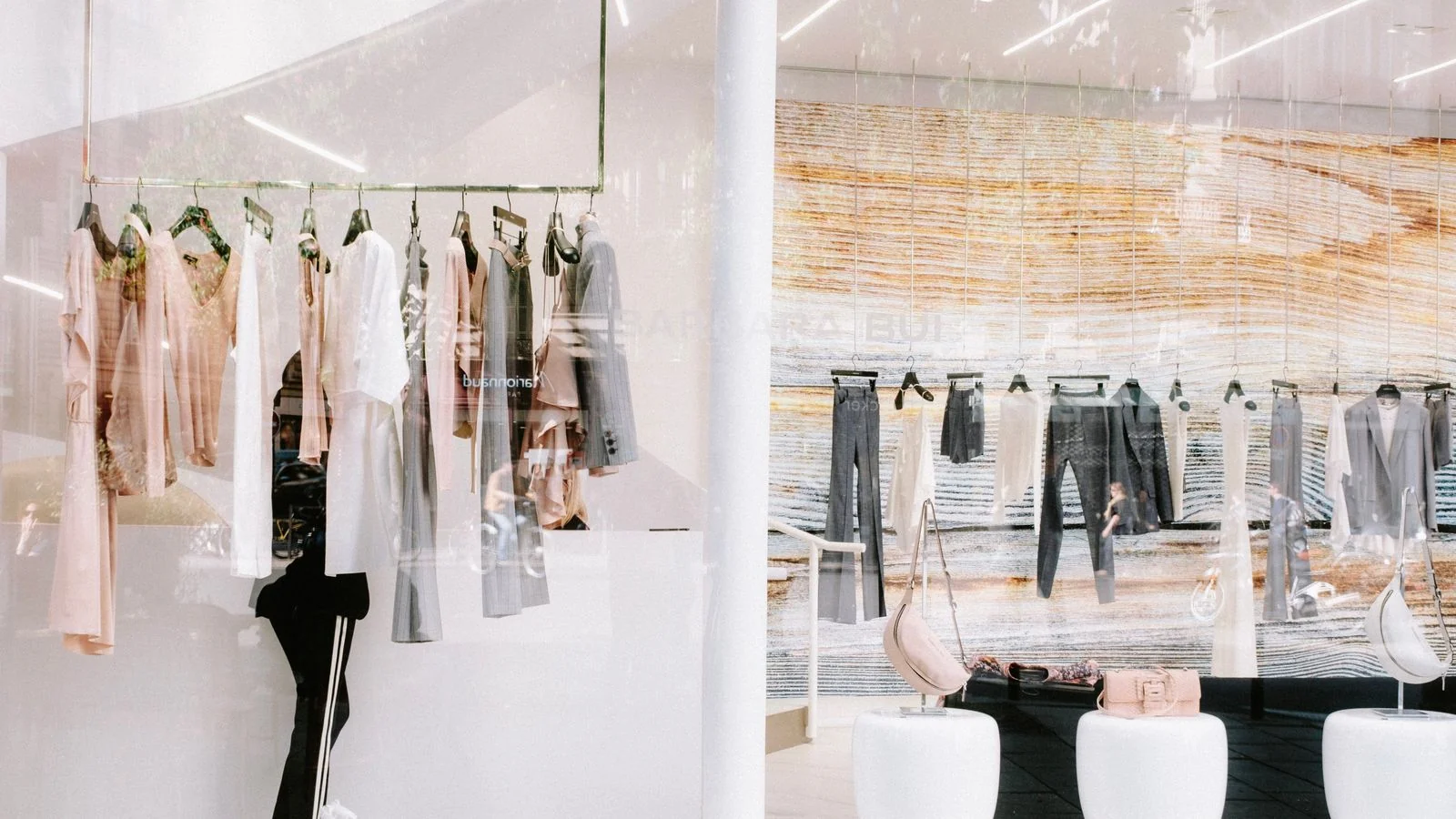
Picture the inbox of a fashion features editor on a Monday morning. Several hundred unread messages, most of them subject lines that read like a label talking to itself. “Introducing our new SS26 collection.” “Sustainable luxury, reimagined.” “Press release: [Brand] launches.” Each one gets the same treatment, a half-second glance and a swipe to archive. That inbox is the real obstacle between your label and fashion brand press coverage, and no amount of product quality fixes it on its own.
The brands that break through are not the ones with the best clothes. They are the ones who understand that an editor is not looking for a product to promote. An editor is looking for a story to tell their reader, and your collection is only useful to them if it slots into that story. Get that order right, story first and product second, and the inbox stops being a wall.
Why editors ignore your launch announcement
A product launch is news to you and noise to everyone else. The fashion press covers trends, tensions, people, and culture. It rarely covers the simple fact that a company made a new thing, because that fact is true of thousands of brands every season. When your pitch leads with “we launched,” you are answering a question no editor asked.

The fix is to translate your launch into the editor’s currency. What does your collection say about how people want to dress right now? What tension does it sit inside, the move away from fast fashion, the return of tailoring, the rise of a regional aesthetic going national? When you frame the brand as evidence of a larger shift, you hand the editor a story they can actually run. The clothes become the example, not the subject. That reframing is the single biggest lever in fashion brand press coverage, and most labels never pull it.
The Three-Season Press Map for timing your pitch
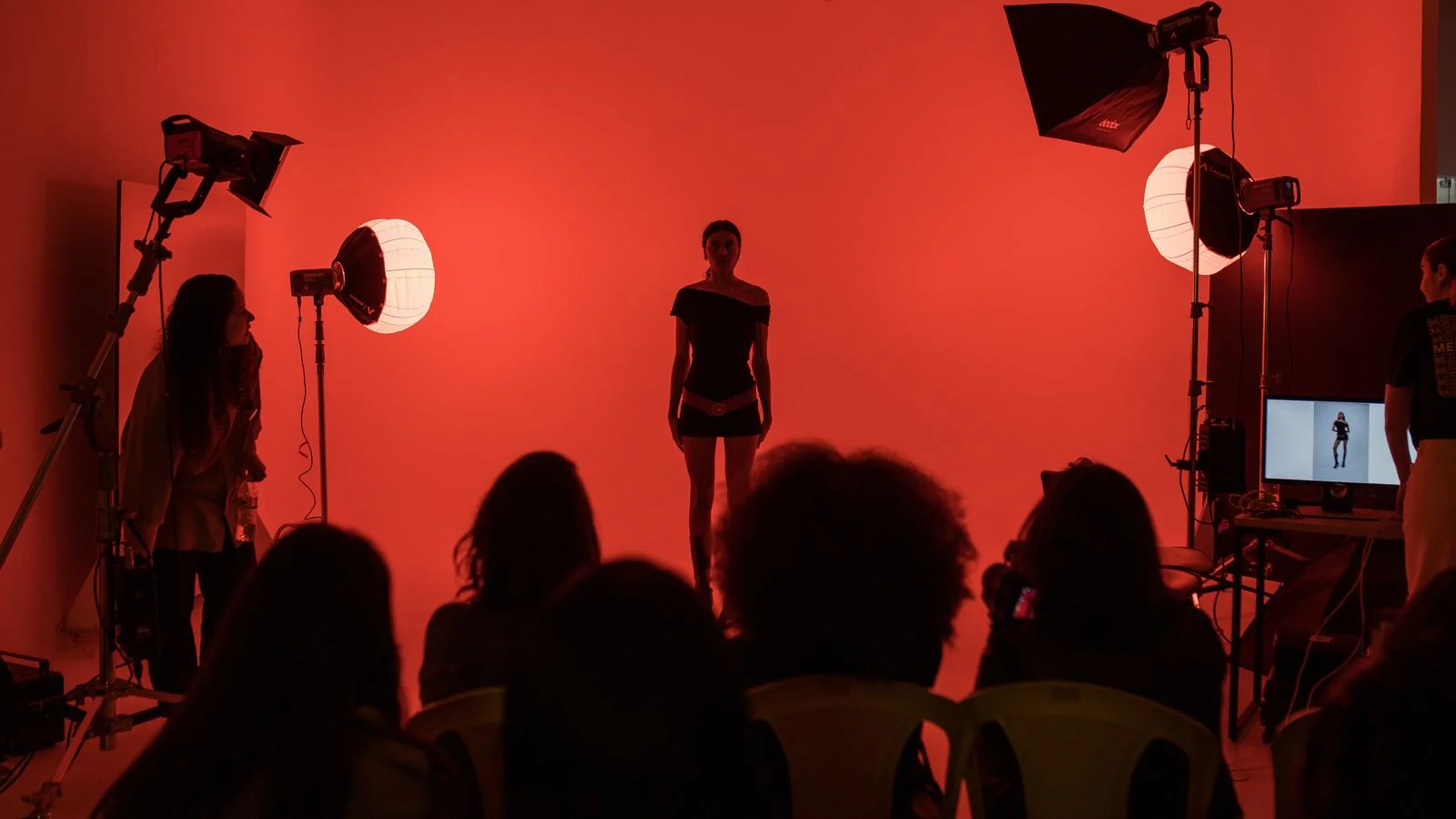
Timing kills more fashion pitches than weak writing. A useful tool here is what I call the Three-Season Press Map, which sorts every outlet you want into three lanes based on lead time.
The first lane is long-lead print, the glossy monthlies that plan three to five months ahead. If you want a print feature tied to a season, you are pitching those editors a full season early. By the time the public sees fall clothes on the street, those pages were locked in summer. The second lane is digital and weekly, which moves in days and feeds on timeliness, a cultural moment, a celebrity sighting, a trend cresting this week. The third lane is the slow-burn relationship lane, the editors and writers you are not pitching for a specific story at all, just building rapport with so you are top of mind when they need a source.
Most labels pitch every outlet the same way at the same time, which means they are always early for digital and late for print. The Three-Season Press Map fixes that by forcing you to ask, for each target, which lane is this and what is the right window. Run your calendar backward from publication dates, not forward from your launch date, and your fashion brand press coverage timing stops fighting the production cycle.
Five pitch angles fashion editors actually open
Here are the five angles that survive the Monday inbox. First, the trend-proof angle. You spotted a shift before it peaked and your collection is the proof. Editors love being early on a trend, so a pitch that says “here is the evidence X is happening” gives them a reason to move.
Second, the founder-story angle. A specific, slightly unlikely origin story carries a feature on its own. The career changer, the immigrant tailor, the designer who left a corporate house to do this. People read about people. Third, the cultural-tension angle, where your brand sits inside a debate the reader already cares about, price versus ethics, craft versus scale, local versus global.
Fourth, the data angle. If you have a genuine number that says something about how people shop or dress, you have handed a writer a headline. Fifth, the visual exclusive. Fashion is a visual medium, and an editor will open a pitch that promises striking, unpublished images they can run before anyone else. None of these five lead with the product. Each leads with something the editor can use, which is the whole game.
How to make your pitch impossible to ignore
Write the subject line as a story, not a press release. “The tailoring revival is real, and a small Lisbon label has the receipts” beats “[Brand] SS26 lookbook” every time. The subject line is the only part you can guarantee an editor reads, so it has to earn the open by itself.
Keep the body short and front-load the hook. Three tight paragraphs, the angle, the proof, and a clear offer of images and an interview. Attach nothing heavy. Editors will not download a 40 megabyte zip from a stranger, so link to a clean, well-organized press kit instead. Make the images effortless to access and properly credited, because a beautiful, ready-to-run photo is sometimes the entire reason a feature happens.
Then personalize the first line to the specific writer. Reference something they actually published, not as flattery but to prove you understand their beat. An editor can tell in one sentence whether you read their work or scraped their email, and that judgment decides whether the rest of the pitch gets a chance. Fashion brand press coverage rewards the labels who treat editors like readers with a job to do, not like a distribution channel to spam.
Map your targets by lead time, translate your launch into a story the editor can tell their reader, and lead every pitch with one of the five angles above. The clothes were never the hard part. The story around them is what gets the inbox to stop swiping.