
Here is a claim that sounds wrong until you sit with it: ranking first on Google is worth less every quarter, and a growing number of your best prospects will never see that ranking at all. They ask a machine instead, and the machine answers in its own words. Answer engine optimization is the response to that shift, and if the claim above still feels overstated, watch how your own team searches for a vendor next time. Half of them open ChatGPT before they open a search tab.
What is answer engine optimization? It is the practice of making your business the source an AI engine names when it answers a question in your category. Not a ranking. A mention inside the reply the user reads. When someone asks Perplexity or ChatGPT or Google’s AI answers “who is the best X for Y,” the engine writes a paragraph and cites a handful of sources it trusts. Answer engine optimization is the work of being one of those cited sources instead of one of the thousand it ignored. The rest of this piece explains how the choice gets made and what you can do to tilt it.
Why does the reply matter more than the ranking?
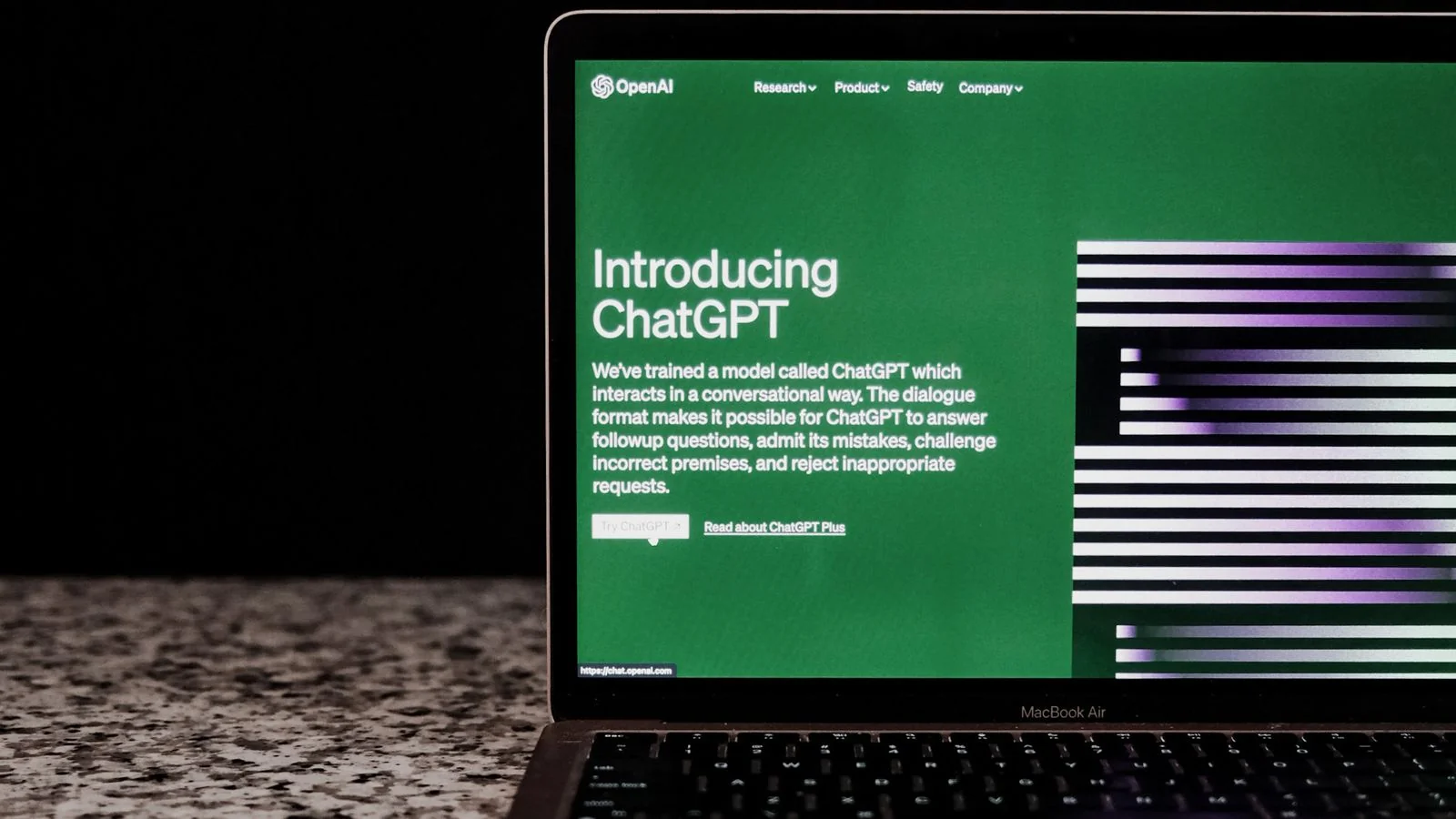
The ranking mattered because it decided which link a person clicked. When the person stops clicking links and reads a synthesized answer instead, the ranking stops being the thing that converts them. The reply becomes the thing. And the reply behaves nothing like a results page.
A results page spread attention across ten listings, so a business ranking sixth still caught a slice of clicks. A reply names two or three sources and stops. There is no sixth position in a paragraph. This is the uncomfortable core of what answer engine optimization exists to solve: the same question that used to send a trickle of traffic to a dozen sites now sends the customer to whichever two or three the engine decided to trust. The gap between being named and being omitted is close to the gap between existing and not existing in that buyer’s mind, because the buyer never sees the sources the engine left out. If you have spent years earning a decent ranking, the hard news is that the ranking is not the asset it was, and the reply is an asset you have probably never optimized for at all.
How does an engine pick which sources to name?
The exact machinery is proprietary and it changes, but the decision pattern is consistent enough to plan around. An engine writing an answer is hunting for sources that clearly address the precise question, that state an answer it can lift cleanly, that come from somewhere it has reason to trust, and that agree with the rest of the credible web instead of making a claim nothing else supports.
Read that as four tests you either pass or fail. The relevance test asks whether your content answers the exact question, not the neighboring topic. The extraction test asks whether the answer sits in a plain sentence a machine can quote without interpreting. The credibility test asks whether the engine trusts you, which comes from your own authority and, more than most people expect, from other sites vouching for you. The agreement test asks whether the same fact appears across enough trusted places that the engine will risk repeating it. Answer engine optimization is the discipline of passing all four at once. Passing three is not enough. An engine that finds a clear, relevant answer on a source it does not trust will keep looking, and an engine that trusts you but cannot find a clean answer on your page will name someone else. The businesses that win treat none of the four as optional.
What separates answer engine optimization from classic SEO?

They share DNA, and pretending they are enemies is a mistake that costs you the overlap. Clear writing, real relevance, credible sourcing, a technically readable site: all of these help you rank in a search engine and get named by an answer engine. If you have done honest SEO, you have a head start. The split shows up at the margins, and the margins decide who gets cited.
I call the thing that separates them the answer gap. The answer gap is the distance between where your page states its answer and where a machine expects to find it. Classic SEO tolerated a wide answer gap, because a human would scroll past the throat-clearing to reach the point. Answer engine optimization demands a narrow one, close to zero, because the engine extracts the first clean answer it finds and a buried answer never gets read. Measure the answer gap on your own top pages and you will see the problem: most business content opens with context, history, and a windup, then states the actual answer somewhere in the third paragraph, if at all. Every sentence before the answer is a sentence the engine has to wade through, and every extra foot of answer gap lowers the odds you get quoted. Narrowing that gap, moving the answer to the first sentence under each question, is the single highest-impact move answer engine optimization asks of you, and it is almost free.
Where should a business actually start?
Start with the questions, not the tactics. Every buyer in your category runs a small set of questions past an engine before they choose. “What is the best X for a business like mine.” “How much does Y cost.” “Is Z worth it.” Those questions are your target list, and most businesses have never written them down. Write down the ten your buyers most want answered before they commit, in the exact words they would use.
Then, for each question, build a clean answer. State the response in the first sentence under a heading that matches the question. Give the reasoning that makes the answer trustworthy. Attach a specific, verifiable proof point, a number, a source, a named example, so the engine can corroborate you. Publish those answers where an engine can crawl them. That is the core loop of answer engine optimization, and it is more concrete than the acronym makes it sound. You are not chasing an algorithm. You are answering the questions your buyers already ask machines, in a form the machine can lift. The credibility and corroboration work comes next, and it takes longer, but the questions are where the work becomes real this week.
What does answer engine optimization look like as ongoing work?
It is not a launch. It is four activities you keep running. You find the real questions your market asks engines, and that list shifts as the market moves. You publish clear answers to those questions, narrowing the answer gap each time. You earn the third-party coverage and citations that let an engine trust and corroborate you. And you keep your entity, the machine’s model of who you are, consistent everywhere you appear. None of these finishes. All of them compound.
The compounding is the encouraging part, and it is why starting early matters more than starting big. Each answered question, each piece of coverage, each consistency fix makes the next citation easier to earn, because the engine’s confidence in you rises with every corroborating signal. A business that publishes a batch of good answers and stops will watch fresher, better-corroborated sources take its place in the reply. A business that treats answer engine optimization as a standing discipline, the way SEO became one, holds and extends its position as more of the market moves to asking machines. The front door to your category is moving from a search page to an answer, and the businesses working the answer now will own the door when the shift finishes.