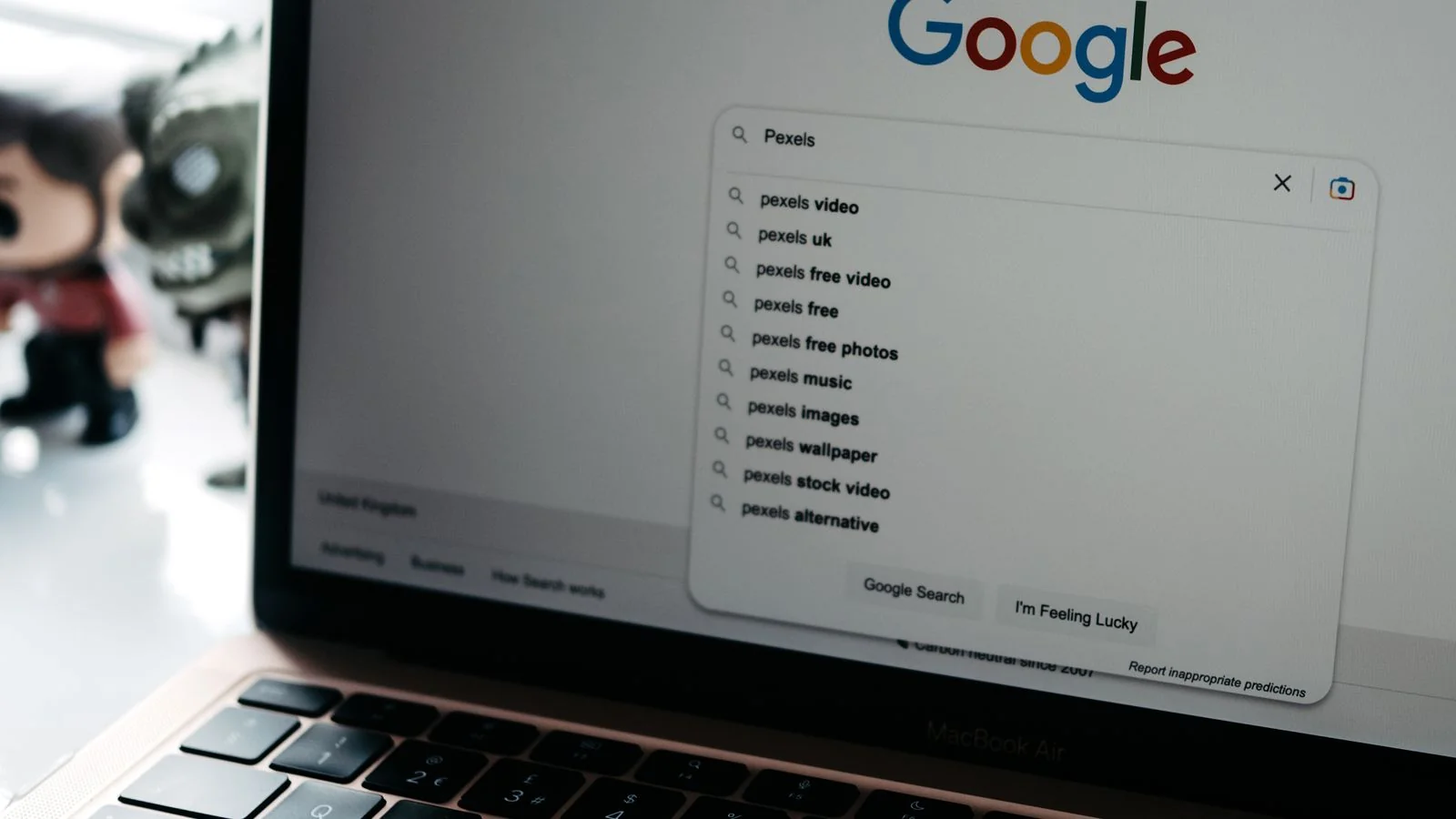
Run almost any informational search on Google today and the first thing you see is not a link. It is a paragraph, generated by Google, that answers your question directly and cites a few sources underneath. That block is an AI Overview, and it now sits above the classic blue links on a large share of queries. For the businesses whose pages used to catch those clicks, the block changed the deal without asking.
What are AI Overviews? They are Google’s AI-generated answer summaries that appear at the top of the results page, written to answer a searcher’s question on the spot so they do not have to click through to a website. Google reads across the web, synthesizes an answer, and presents it with a short list of cited sources. The searcher often gets what they came for without leaving the results page. Understanding what AI Overviews are, why they cut into your traffic, and how you become a cited source inside them instead of a casualty below them, is the difference between quietly losing visits and adapting to how Google now works. This is the plain-language explanation, and the playbook that follows from it.
What AI Overviews actually are

An AI Overview is a synthesized answer, not a ranked list. When you search something Google judges answerable, it assembles a few sentences from sources it trusts and places that summary at the very top, with citation links to the pages it drew from. The user reads the summary first. Sometimes that is all they read.
The key thing to grasp is that AI Overviews sit on top of the old results, not in place of them entirely. The blue links still exist below the block. But the block intercepts the searcher’s attention and, on many queries, their intent. If the overview answers the question, the links below it become optional, and optional links get far fewer clicks. So the practical meaning of AI Overviews is a shift in where attention lands on the page: it lands on Google’s summary, and on the handful of sources that summary cites, before it ever reaches the ranked list you spent years climbing.
Why AI Overviews cut into your traffic
The mechanism is simple and it is called zero-click. A zero-click search is one where the user gets their answer without clicking any result, and AI Overviews manufacture zero-click searches at scale by answering directly. Every query the overview satisfies is a query that used to send a click to whoever ranked first, and now sends nothing unless you are cited in the summary itself.
I track this with a mental tool I call the zero-click ledger. On one side, list the informational queries in your category where an AI Overview can fully answer the question. Those are queries where your old ranking is now worth a fraction of what it was, because the overview absorbs the click. On the other side, list the queries where the answer is complex, personal, or transactional enough that the user still needs to click through. Those queries keep their value. The ledger tells you where your traffic is quietly leaking and where it is safe. Most businesses have never drawn it up, so they see total traffic fall and cannot say why. The why is usually that a chunk of their informational queries moved into the zero-click column, absorbed by AI Overviews, while they kept optimizing as if every ranking still paid the same. Drawing the ledger is the first step to responding instead of just bleeding.
How to become a cited source inside AI Overviews
If the overview is going to answer the question anyway, the goal shifts from ranking first to being cited in the answer. The clicks that remain on a zero-click query flow to the sources the overview names, so a citation inside the block is worth more than a ranking below it. Getting cited follows the same logic every answer engine uses.
State your answer plainly and early, because Google’s summary is built by extracting clean answers, and a page that buries its answer does not get pulled into the block. Structure your content so each buyer question has a direct response in its first sentence. Back that response with something verifiable, a number, a source, a specific example, because corroborated claims are the ones Google is comfortable surfacing. And earn the third-party credibility that makes Google trust your page as a source worth citing in the first place. The businesses that show up inside AI Overviews are not always the ones with the highest classic ranking. They are the ones whose answers are clearest, most specific, and most corroborated, because those are the qualities that make a source safe to quote in a summary Google is putting its own name on.
Which queries to defend and which to concede
Not every query is worth fighting for inside AI Overviews, and pretending otherwise wastes effort. Use the zero-click ledger to triage. On queries the overview fully answers and that were never going to convert anyway, being cited is a branding play at best; do not pour resources into it. On queries where the overview answers the surface question but the buyer still needs depth to make a decision, being cited is valuable, because the citation is how you earn the click into your deeper content.
The queries that deserve the most attention are the ones close to a decision, where a searcher who reads the overview still has to choose a provider, compare options, or understand their specific case. Those queries keep sending clicks, and being cited in their overviews puts you at the front of the buyer’s shortlist at the moment they are choosing. Concede the pure informational queries that no longer pay. Defend the ones near the decision. That allocation, driven by the ledger rather than by habit, is how you respond to AI Overviews without exhausting yourself chasing citations that do not matter.
What this means for how you publish
AI Overviews reward a specific kind of content, and it is not the kind most businesses have been producing. They reward pages that answer real questions directly, state responses up front, back them with verifiable proof, and come from sources Google has reason to trust. That is a higher and narrower bar than “rank for the keyword,” and it changes what is worth writing. Thin content built to catch a ranking is exactly the content AI Overviews make worthless, because the overview answers those queries itself and cites something better.
So the publishing shift is toward depth, specificity, and credibility on the questions that still send clicks. Fewer pages chasing informational keywords the overview will absorb. More pages that answer decision-stage questions clearly enough to be cited and deeply enough to earn the click. If AI Overviews have quietly taken a slice of your traffic, the honest question to sit with is this: how many of your pages exist only to catch a click that a summary now intercepts, and what would you publish instead if you built for the citation rather than the ranking?