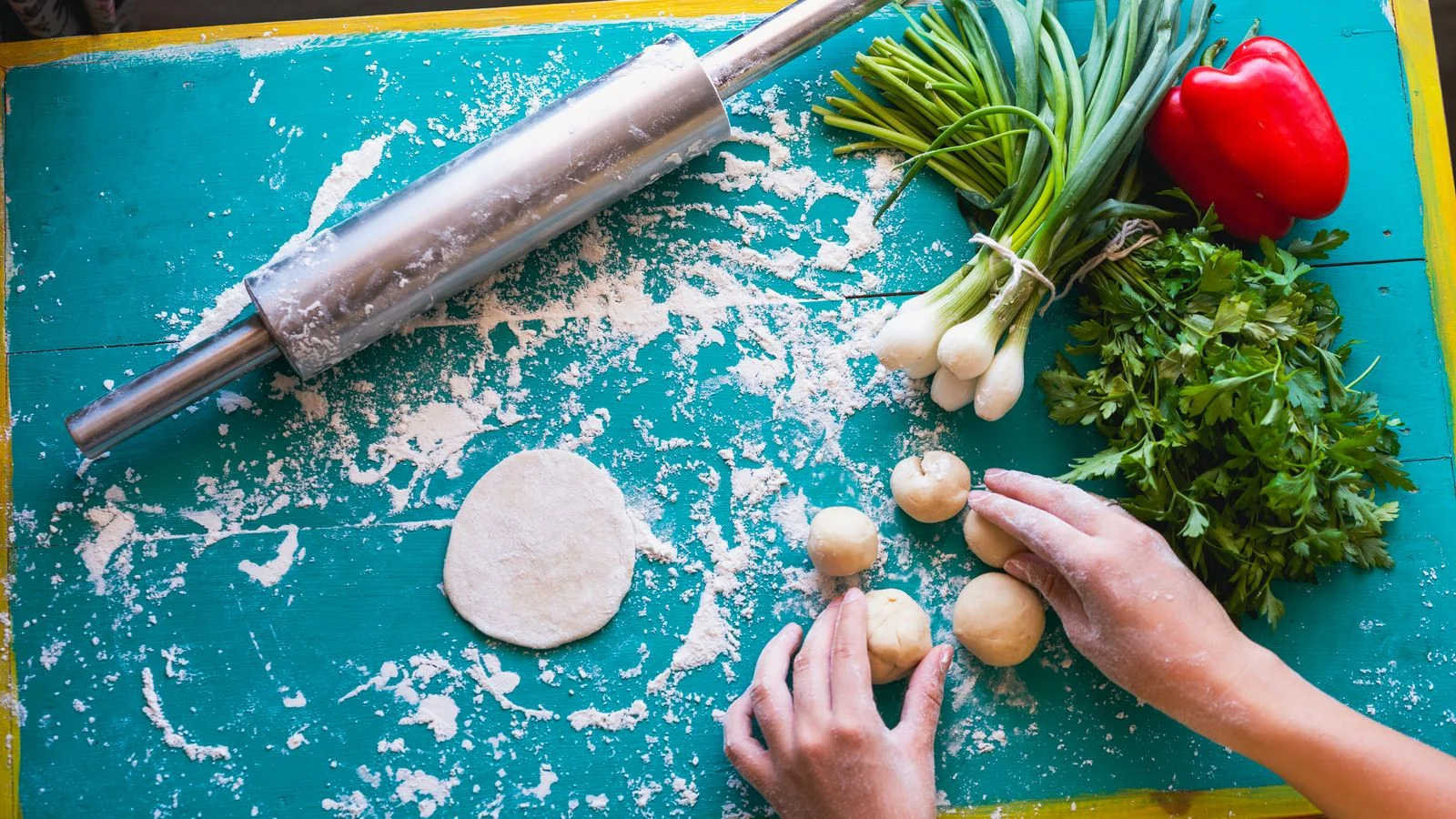
“For us, food is the lens through which a larger story is told.” Saveur’s editors, How to Pitch SAVEUR
That one line, from the magazine’s own pitching guidelines, explains why so many food pitches bounce off Saveur. The guidelines finish the thought: food is “not the story itself.” A recipe, a restaurant opening, a new hot sauce: none of those count as a story at Saveur until it says something about a place, a people, a history or an argument.
If you want to know how to get featured in Saveur in 2026, start with the magazine as it exists now, which looks very different from the monthly glossy many people remember. Then learn who reads pitches, how the editors want them formatted, and which print sections give a founder or a freelance writer a realistic opening.
What Saveur Covers in 2026 (and What Changed)
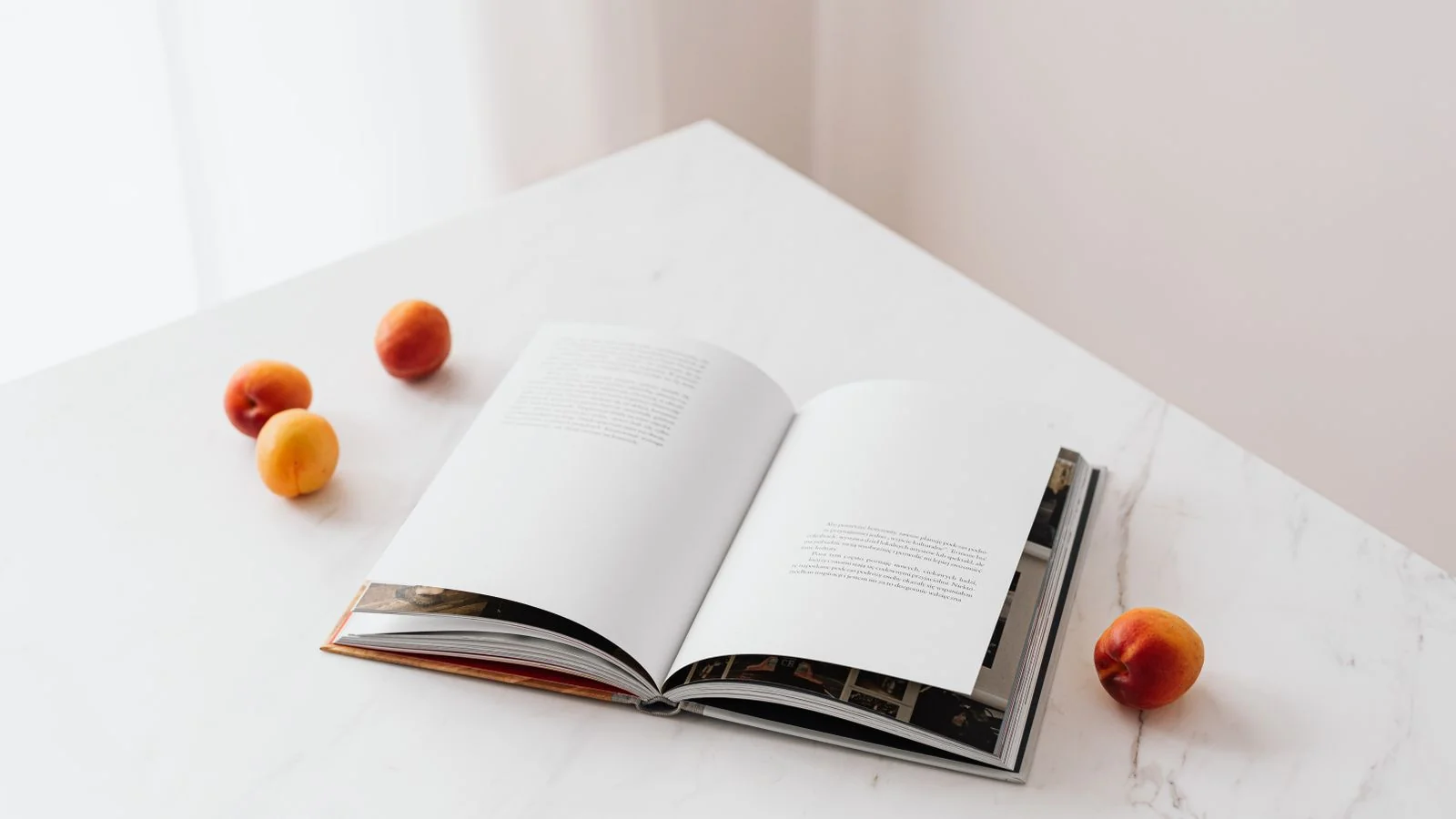
Saveur launched in 1994 and spent most of its life as a print magazine owned by larger publishers. According to its Wikipedia history, Bonnier sold the title in October 2020, and the print edition stopped in February 2021 (MediaPost covered the shutdown). In April 2023, longtime editor Kat Craddock bought the brand with an investment partner. She announced the return of print in November 2023, and the first relaunched issue arrived in spring 2024.
The new print schedule runs twice a year. Zinio’s issue archive lists Spring/Summer and Fall/Winter editions for 2024, 2025 and 2026, so the cadence has held. Craddock told the MediaVoices podcast in November 2024, “We see our print product as the couture of our brand. It’s for the superfans.” She also called print “our marketing tool.” Reach comes from saveur.com and the newsletters, where recipes pull a global audience.
So Saveur has not shrunk into irrelevance. It has shrunk its print footprint on purpose, and it still publishes daily online, still runs a full editorial staff on its team page, and still accepts pitches. The practical effect for you: print slots are scarce (two issues a year), while digital has more room.
The coverage itself spans recipes, food culture, travel, drink and shopping. Zinio’s description of the Fall/Winter 2026 issue gives a flavor of the range: staff holiday baking traditions, a feature on an international stuffed-cabbage championship, and a guide to ramen shops at ski resorts. Notice what those have in common. Each one starts with food and ends somewhere else, in a competition, a mountain town, a family kitchen.
Who Reads Your Pitch, and How They Want It
Saveur publishes its rules in plain sight. The How to Pitch SAVEUR page, first posted in June 2023 and updated April 16, 2025, names the people who read pitches. Recipe and editorial pitches go to Alex Testere or Diana Hubbell. Photo and art-driven pitches go to Thomas Payne. The current team page lists Testere as senior editor, Hubbell as senior associate editor and Payne as visuals director. Pull their addresses from the guidelines page itself so you have the current version.
The format rules are specific, and following them is most of how to get featured in Saveur rather than ignored. Use the subject line “JOURNALIST PITCH:” followed by your topic. Send no more than two ideas per email. Introduce yourself with where you’re based, where you’ve published, and why you’re the right person to write the piece; unpublished writers are welcome, résumés are not. Propose a sample headline and subtitle. Write the pitch in the voice you’d use for the article, so the editor can hear you. Answer “Why now?” and “Who cares?” in a sentence or two each. Say whether the idea fits the print magazine and name the print rubric it belongs in. Mention any photography you already have.
The guidelines also list hard no’s. Saveur does not want AI-generated pitches: “Please do not send us AI-generated pitches.” The magazine says it doesn’t publish AI-generated or AI-enhanced content, and staff use AI only for brainstorming and research. It does not take stories written on spec or already published elsewhere. And it says, “We do not confirm assignments ahead of comped meals or press trips.” Take the trip, then pitch what you found, and say who paid for it if the editor asks. Editors at a reported magazine want to know the reporting stands on its own.
Follow-up etiquette is spelled out too. Wait two weeks before a second email. If a month passes after that follow-up with no reply, the editors say you can assume they’ve passed.
What the page does not publish: pay rates or a response window beyond those follow-up timings. If anyone quotes you a Saveur rate card, ask where it came from.
Source Stories From Markets, Not Press Releases
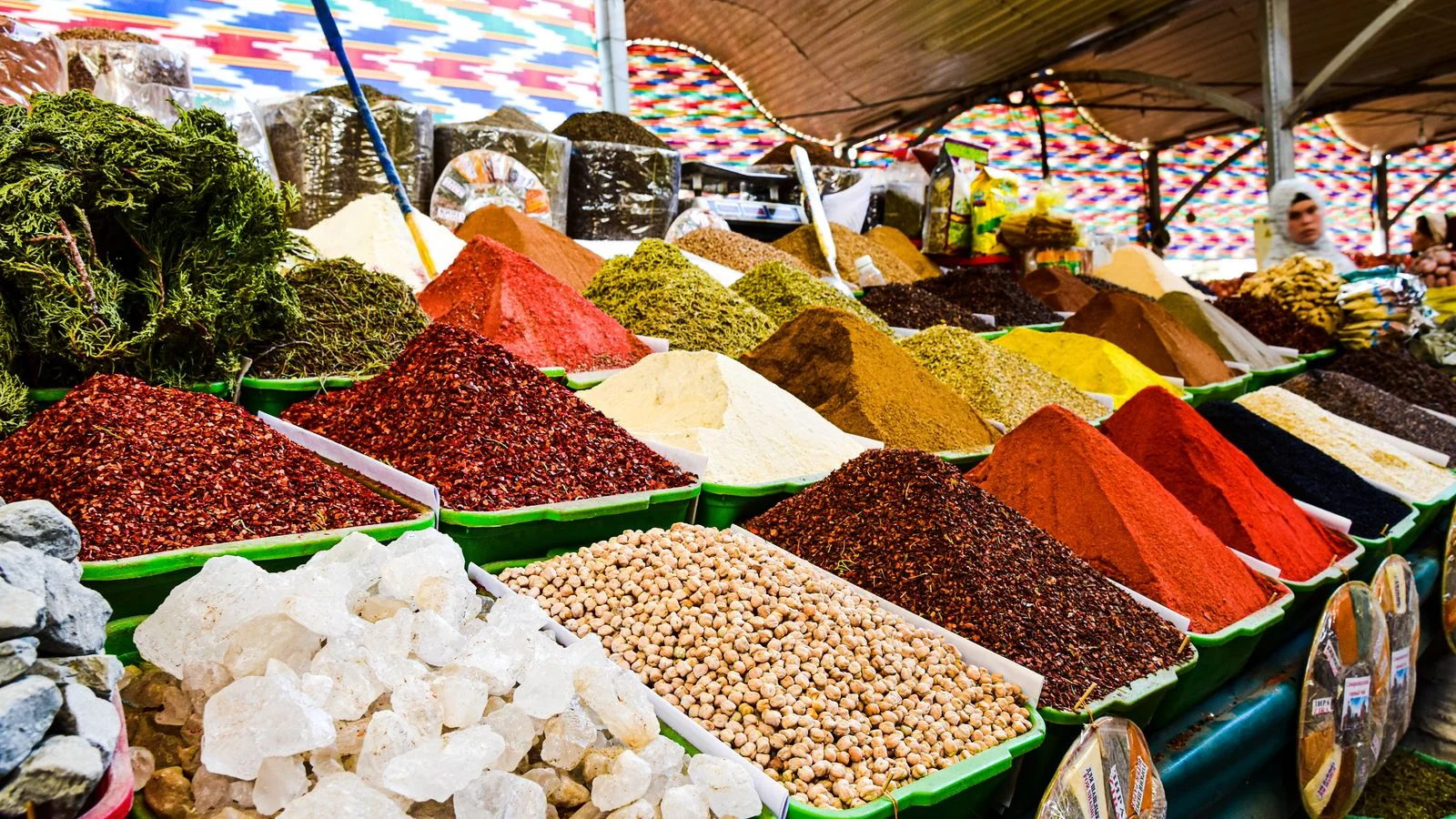
The guidelines ask writers to “unearth and celebrate off-the-beaten-path recipes and food traditions with a strong sense of place.” That sentence is a reporting assignment. You won’t find those stories in an inbox full of brand announcements. You find them standing in a market at 7 a.m., asking a spice seller where her blend comes from.
Travel-food reporting at Saveur works best when you can name the stall, the family, the grandmother, the harvest week. Look at the travel rubrics in the magazine’s print rubric guide. Destination is “a food lover’s soup-to-nuts guide to a city, region, or locale.” Reporter is “a research-backed dispatch on a timely topic with a culinary hook.” Local is “an ear-to-the-ground exploration of a hyperlocal dish, drink, or food tradition.” On the Move rounds up trends where food meets travel. Each one rewards the writer who has been somewhere and paid attention.
Here is a working method. Before a trip, read Saveur’s archive for that city so you know what they’ve already run; the guidelines ask you to check this and explain your new angle. While you’re there, collect names, prices, quantities and quotes in a notebook, plus your own phone photos for reference. After you return, look for the thread that connects the food to something bigger: a drought changing what a village grows, a diaspora community rebuilding a dish abroad, a market facing redevelopment. That thread is your thesis.
The guidelines also say the editors want to cover historically marginalized cultures with care and without exoticizing them, and they prioritize BIPOC and LGBTQ+ voices and “underdogs.” In practice, the vendor matters more than the celebrity chef who shops there. If your story depends on a famous name to work, Saveur will likely pass; the page says big-name chefs and big food brands need an especially compelling angle.
Run Your Pitch Through the PLATE Test
The PLATE test is a five-point check you can run in five minutes before you hit send. Each letter maps to something the editors say in their own guidelines.
P is for Place. Can a reader picture where this happens? A pitch about “Sichuan peppercorns” has no place. A pitch about one named family drying peppercorns in one named county has one. If you cannot name a town, a street or a kitchen, you aren’t ready.
L is for Lens. Does food open onto a larger story? Write your thesis as a single sentence that would still be interesting with the recipe removed. The editors’ phrase is that their favorite stories “have a thesis and move conversations forward.” A list of great dumplings has no thesis. An argument that traces a city’s dumpling houses back to a single cook, with the reporting to prove it, has one.
A is for Assignment fit. Can you name the rubric? Saveur’s print guide lists more than two dozen, from Bite Size (“a little recipe with a big impact, a story, and a timely hook”) to Odd Jobs (“a short yet evocative portrait on an unexpected food-related profession”) to Cellar, the wine column. Naming the right rubric tells the editor you’ve read the magazine and saves them the work of imagining where your idea goes.
T is for Timing. Answer “Why now?” with a date, a season, an anniversary, a policy change or a trend you can document. A pitch about a harvest festival lands better when it arrives with enough lead time for a twice-a-year print book, so think a season or more ahead for print and closer in for digital.
E is for Earned. Did you do the reporting yourself, without a comped trip attached and without AI writing the pitch? Is the idea unpublished elsewhere? Saveur rules out spec work, reprints, AI-written pitches and assignments tied to comped travel. If any of those apply, fix it before you send.
Score yourself without mercy. A pitch that clears all five letters still might not get picked up, because two print issues a year leave few slots. A pitch that misses two or more letters is giving the editor easy reasons to say no.
What Should a Brand or Founder Pitch to Saveur?
If you make a condiment, a knife, a tinned fish or a heritage flour, the honest answer is that Saveur is a reported magazine, and a product launch on its own isn’t a story. But several rubrics in the print guide are built around makers and products, which gives you a real opening.
Maker is “a spotlight on an innovative maker of tools, packaged items, condiments, and beyond.” Craft is “a peek into the world of artisans, producers, and tastemakers and their wares.” Something to SAVEUR is “a taste-making trend piece about something worth buying.” Shop Shot pairs “an evocative photo of an extraordinary shop” with brief text. If your brand has a real origin, a specific place, a process nobody else uses or a person behind it worth meeting, you can pitch toward these.
Run your founder story through the same PLATE test. The place is your farm, your town, your supplier’s village. The lens is the bigger shift your product reflects, such as a lost grain coming back or a fishing community changing its catch. The timing is your harvest, your anniversary, a new research finding. And the earned part matters most for brands: you’re offering access and information, not a sponsored placement.
Two cautions apply to anyone working out how to get featured in Saveur as a brand. First, Saveur runs a separate brand partnerships team, and the guidelines route sales and advertorial inquiries away from editorial. Don’t mix the two in one email. Second, the guidelines repeat that big food brands need a compelling angle to get a look. A founder-led small brand with a true story about a place has a better shot than a national label with a bigger budget.
It often helps to work through a writer who already covers your region or category. Saveur editors know their contributors. A freelancer who has reported from your corner of the world can pitch a Local or Reporter piece in which your company is one source among several, which reads as journalism and fits the magazine. If you need to find those writers, our free journalist list at Instant Press is a reasonable place to start.
As Saveur keeps building print as a twice-a-year collector’s object and digital as its daily engine, the writers and founders who show up with a place, a thesis and their own reporting will keep finding room in both.