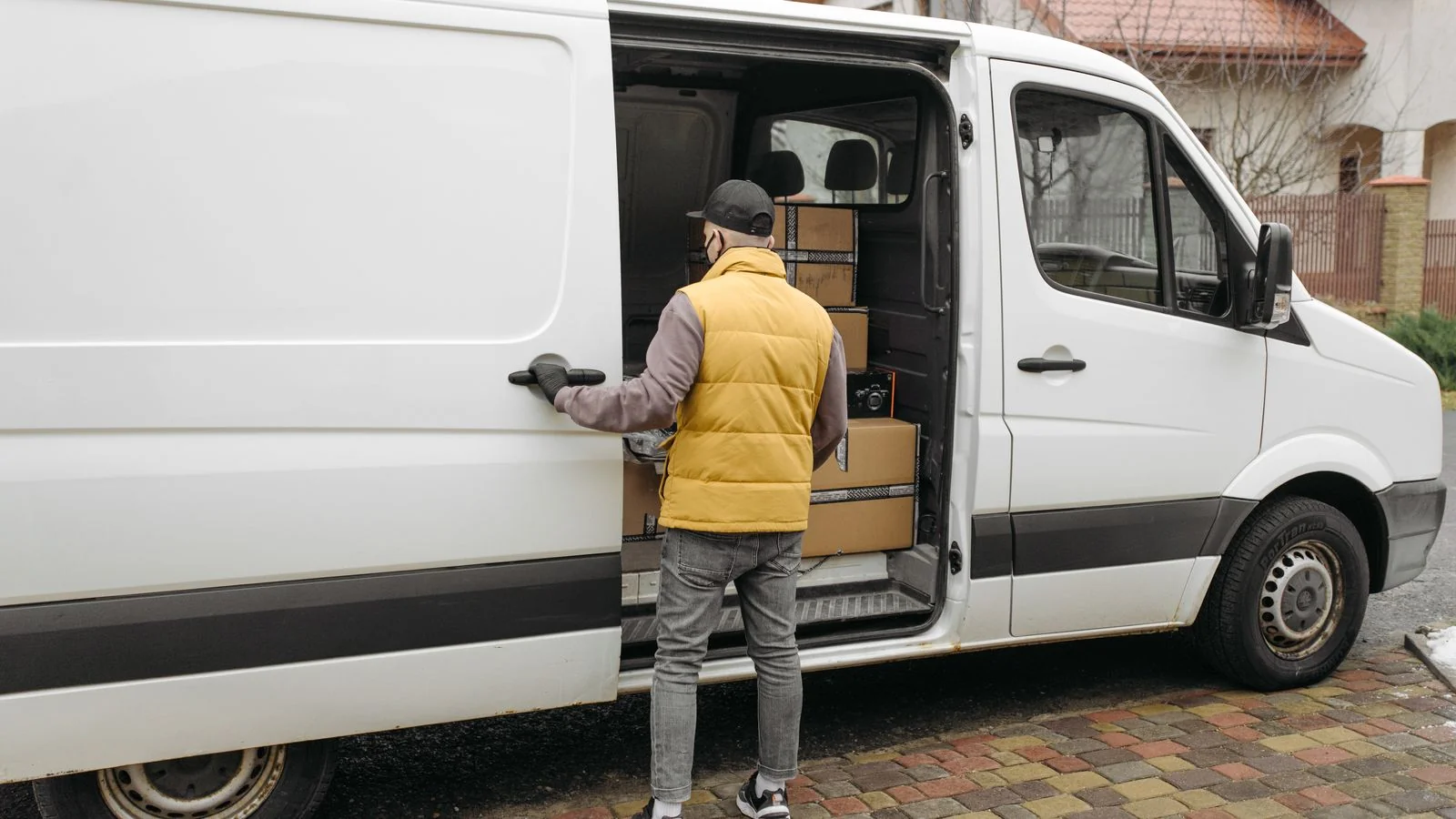
Type “locksmith near me” into your phone and count how many of the top results are real businesses with a real storefront in your town. In a lot of cities the honest count is fewer than half. The rest are lead-generation listings and out-of-town call centers that farm your zip code, quote a customer nineteen dollars on the phone, and send an unvetted subcontractor who demands two hundred in cash at the door. You did not create that mess, but you inherit its consequence: every customer who searches for you starts the interaction already braced to be scammed.
That is the reputation problem no other trade faces at this intensity. A plumber’s prospect is comparing plumbers. A locksmith’s prospect is trying to figure out whether you are even a genuine local person before they will let you near their door. Reputation management for locksmiths is the work of answering that question loudly, everywhere a customer or an AI engine looks, before they ever call. Handle it well and the scam listings become your biggest advantage, because you are the visibly real one in a field of ghosts.
Think of it as a Trust Ledger. Every verifiable, human, locally grounded signal you post is a credit. Every unanswered review, empty profile, and missing address is a debit that reads, to a wary customer, exactly like a scam. The goal is a ledger so obviously in credit that no one confuses you with the operators dragging the trade down.
Why a locksmith’s reputation is uniquely fragile

Most people call a locksmith at the worst moment of their day. They are locked out in the cold, standing in a parking lot at midnight, or dealing with a break-in. They are stressed, they are in a hurry, and they have heard the horror stories about bait-and-switch pricing. That combination makes them hypervigilant for any sign that you are not legitimate, and it makes a single bad experience land harder than it would for almost any other service.
It also makes them quick to warn others. A locksmith who overcharges a frightened customer earns a furious one-star review with a story attached, and that story spreads because it confirms what everyone already fears about the trade. One vivid account of a doorstep price jump can outweigh twenty quiet five-star ratings, because it plays directly into the scam narrative the whole industry carries.
The fragility cuts the other way too, and that is the opportunity. Because the baseline expectation is so low, a locksmith who shows up on time, charges what they quoted, and behaves like an accountable professional produces relief, and relieved people leave generous reviews. You are not fighting to be seen as excellent against a field of excellent competitors. You are fighting to be seen as real against a field of scams, and that is a far easier fight to win once you decide to show up for it.
The scam-industry shadow you inherit
You need to understand the shadow before you can step out of it. For years, search results and map listings for locksmiths have been a known target for fraud: fake addresses dropped into a city to appear local, review profiles inflated with fake ratings, and networks of listings that all route to the same distant call center. Platforms have fought it in waves, but it never fully clears, and your honest business competes in the same result set as the fakes.
This means part of your reputation work is not about being liked; it is about being verified. Every step that proves you are a fixed, licensed, insured person at a real address in the community is a step out of the shadow. The customer scanning results is running an unconscious authenticity check, and the AI engines increasingly answering “who is a trustworthy locksmith near me” are running an explicit one. Both are looking for the same things: a consistent name and address, real reviews with specific local detail, credentials they can confirm, and a history that a fly-by-night operator could not fake.
Reputation management for locksmiths, then, starts from a different place than it does for other trades. Your first job is not to look premium. It is to look unmistakably real, because in this trade real is the rare and valuable thing.
Build a review engine that runs on every job
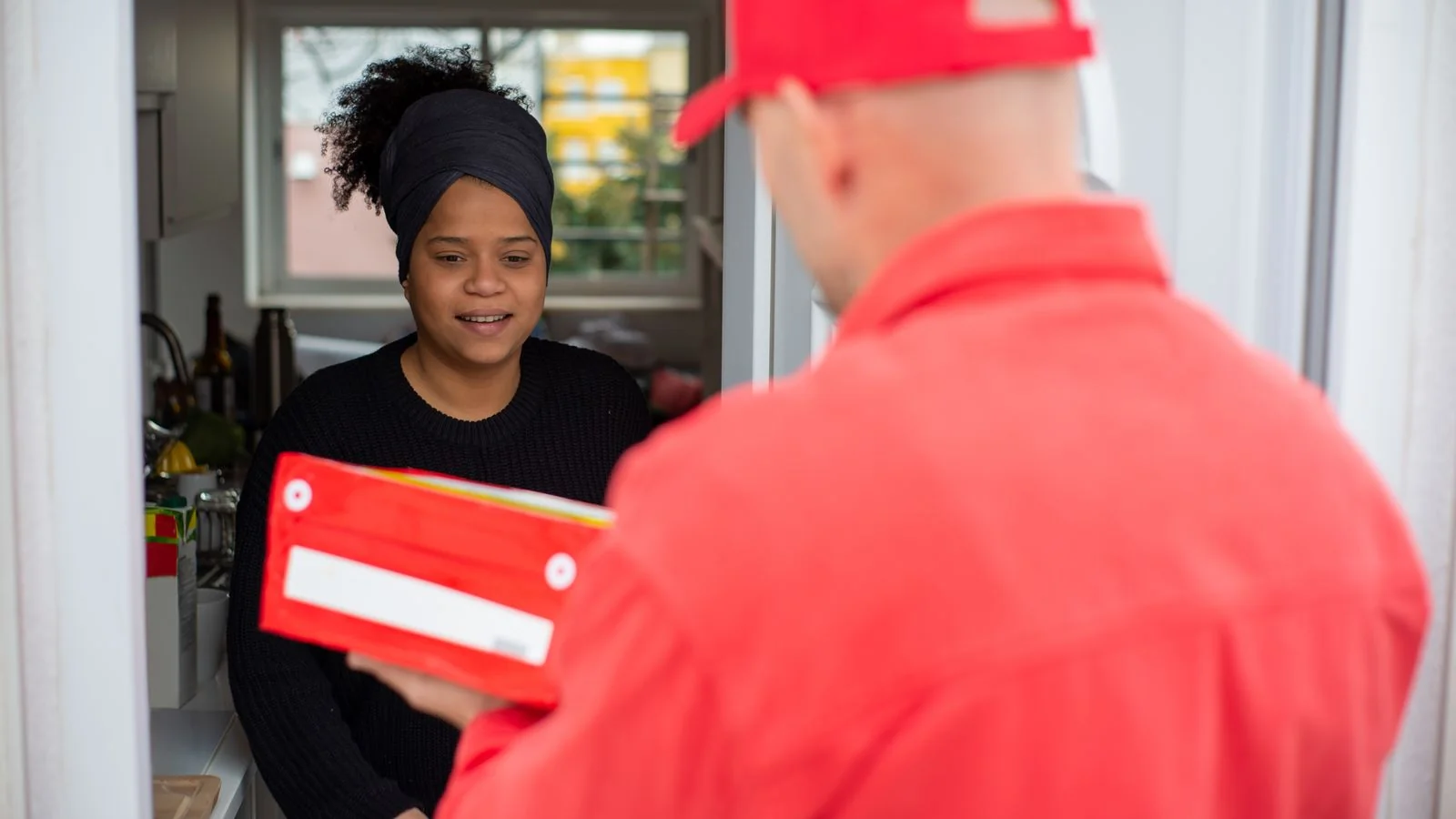
Reviews are the single strongest trust signal you have, and the good news is that a satisfied locksmith customer is unusually willing to leave one, because you just rescued them. The problem is that you have to ask, on the spot, every time, or the moment passes. An engine beats an occasional effort, and the engine is a fixed habit attached to the end of every job.
Make the ask part of finishing the work, not an afterthought. While you are packing up and the relief is fresh, hand the customer a card or send a text with a direct link to your Google review page, and ask in plain words: “If I did right by you today, a quick review helps other people in town know I am the real deal and not one of the scam listings.” That last phrase matters, because it names the exact fear your customer just overcame and invites them to help the next person avoid it. People who were braced to be cheated and were not are motivated to warn others toward you.
Two rules protect the engine. First, never gate the ask, meaning never solicit reviews only from happy customers while steering unhappy ones elsewhere; that practice violates the guidelines of Google and other platforms and can get your reviews wiped. Ask everyone. Second, make it effortless with a QR code on your invoice, a short link in your follow-up text, and a review that takes fifteen seconds. Volume and recency win here, so a steady trickle of fresh, specific reviews from real local jobs will outrank and outlast a scam listing’s purchased ratings, which tend to be generic, clustered, and easy for both algorithms and humans to smell.
Respond to a bad review the right way
You will get a bad review eventually, sometimes from a genuine mistake and sometimes from someone who confused you with a different locksmith or is angry about the going rate for emergency work. How you respond is not for the angry customer. It is for the dozens of prospects who will read the exchange later while deciding whether to trust you.
Keep the reply short, calm, and specific, and never argue the facts in public. A workable shape runs four lines: thank them for the feedback, take responsibility for their experience without necessarily conceding a disputed detail, state briefly what you do or what actually happened, and move the resolution offline with a real name and number. “Thank you for telling me, and I am sorry the visit left you frustrated. That is not how I run my shop, and the price you were quoted is the price I hold to. Please call me directly at the number below so I can make this right. Marcus, owner.” That reply reassures every future reader that a real, accountable person stands behind the business, which is precisely the reassurance a locksmith prospect is hunting for.
What you must never do is respond defensively, sarcastically, or with a wall of excuses. An owner who loses composure in public reads as exactly the kind of operator the customer feared. The calm, human, solution-oriented reply does more to win the next ten customers than winning the argument with this one ever could.
Own your Google Business Profile and the directories
Your Google Business Profile is the center of gravity for a local locksmith, because it feeds Search, Maps, and increasingly the AI answers built on top of them. A complete, consistent, verified profile is your strongest claim to being real. An empty or inconsistent one reads like a fake. Fill in every field: exact business name, real physical address, service area, hours including whether you truly offer 24-hour service, phone number, website, and your license and bonding information wherever the profile allows it.
Consistency across the web is what search engines call NAP, for name, address, and phone number, and it is a specific defense against the scam shadow. Your business must appear with the exact same name, address, and phone on your Google profile, your website, Yelp, the Better Business Bureau, Angi, Nextdoor, Apple Maps, and any locksmith-specific or state licensing directory. When those match everywhere, algorithms grow confident you are a stable real entity. When they conflict, you look like the shifting listings the fraud networks run. Add real photos of your storefront, your marked vehicle, and you on a job, because scam listings almost never have genuine, verifiable local photos, and their absence is a tell that your presence quietly wins.
Feed the AI answer engines your trust signals
More customers now ask an assistant, not just a search bar, “who is a reliable locksmith near me” or “how do I avoid a locksmith scam,” and the assistant answers by assembling sources it judges specific, credentialed, and locally grounded. Reputation management for locksmiths now includes making yourself the answer those engines are comfortable giving, because a recommendation from ChatGPT, Perplexity, or Google’s AI overview arrives pre-trusted in a way a paid ad never will.
The signals that persuade a person and the signals that persuade an engine have converged, which makes this easier than it sounds. Consistent NAP data, a dense record of recent reviews with real local detail, confirmable credentials like your state license and ALOA membership, and content on your own site that answers the exact safety questions people ask all feed the machines. Publish a plain, honest page on how to spot a locksmith scam and what a fair emergency price looks like in your area, and you do two things at once: you help the customer who is afraid, and you hand the answer engines a citable, authoritative source with your name on it. Being the locksmith who openly explains the scams is a powerful position, because it aligns you with the customer against the bad actors and marks you, to humans and machines alike, as the trustworthy one.
The recovery playbook after a bad month
Sometimes it goes sideways. A disgruntled customer posts a scathing story, a competitor or a bot drops a cluster of fake one-stars, or an honest mistake spirals. The instinct is to panic or to go quiet. Both make it worse. Recovery runs on steady, visible action, not a single grand gesture.
Start by flooding the signal with truth. Ask your recent satisfied customers, the ones you know were happy, for honest reviews, so fresh and specific accounts push the bad one down and dilute its weight; recency and volume are your fastest lever. Respond to the damaging review with the calm four-line reply so every future reader sees an accountable owner. If reviews are demonstrably fake, meaning no record of the customer and generic language, report them through the platform’s process with the details that prove it, and document everything. Then keep running the review engine on every job so your baseline climbs back on its own. Reputation for a locksmith is not a fixed score; it is a current, and a steady stream of real, recent, verifiable proof that you are the genuine local professional will, week over week, carry you back to shore and leave the scam listings looking exactly like what they are. The operators dragging the trade down cannot sustain what you can, because they cannot fake a real relationship with a real community, and you can simply keep showing up until the record makes that obvious.