
Here is the short answer, before the details: a press release for home inspectors works when it stops selling inspections and starts reporting what your inspections reveal. You are sitting on the most valuable dataset in your local housing market, the record of what goes wrong inside the homes on your streets, and almost none of your competitors think to tell anyone about it.
That is the whole game. A home inspector who announces “we offer thorough, professional inspections” gets ignored, because every inspector says that and none of it is news. A home inspector who reports “nearly every 1980s home I inspected this spring had the same hidden electrical hazard, and here is what it costs to fix” gets a call back from the local paper, because that is a story that helps readers and only an inspector could tell it.
Call the mechanism the Inspection Trust Trigger. It fires when a release combines four things a reporter and a homeowner both respond to: a Finding from your own inspections, a Stake that makes a buyer feel the risk, the Standing that makes you a citable source, and a Fix the reader can act on today. Miss any one and the trigger does not pull. The rest of this shows you how to load all four.
Lead with a finding, not a service

Your inspection log is a newsroom’s dream and you are treating it like a filing requirement. Every report you write is a data point about the local housing stock: the double-tapped breakers in the postwar ranches, the reversed-polarity outlets in the flipped houses, the quiet grading problems that push water into basements on the older side of town, the aluminum wiring nobody discloses. Aggregate a season of that, and you have something no realtor, no reporter, and no chatbot can produce, because only the person who opens the panels and crawls the crawlspaces sees it.
The Finding sits at the front of the Trust Trigger because it is the only part your competitors cannot copy. A finding is specific, local, and grounded in what you observed firsthand. “Older homes can have wiring issues” is not a finding; it is a truism. “Of the pre-1975 homes I inspected this year, a large share still had the original ungrounded two-prong wiring, which most buyers do not notice until the electrician quotes the rewire” is a finding, because it is yours, it is countable, and it names a consequence.
One honesty rule governs this entire section. Report only what your own records support. If you have not counted, do not claim a percentage. “Most of the homes I saw” is defensible when it is true; “73% of homes” is a liability when you made it up. You do not need a fabricated statistic. You need the real pattern you already know is there, stated as far as your evidence honestly reaches and no further.
Why does a stake beat a sales pitch?
A finding on its own is trivia. A finding with a stake attached is a story, because the stake is where the reader’s own money and safety enter the frame. The Stake is the second part of the Trust Trigger, and it answers the question every buyer is asking under their breath: what does this cost me if I miss it?
Translate every finding into a consequence a person can feel. The ungrounded wiring is not an abstraction; it is a shock risk to a family and a four-figure rewire the buyer never budgeted for. The reversed grading is not a code note; it is the flooded basement and the mold remediation two winters from now. The double-tapped breaker is not jargon; it is a fire risk hiding behind a panel cover that looks fine. Money and safety are the two stakes every homeowner responds to, and your findings almost always convert into one or both.
The stake is also what lets a local editor justify the story to readers. A newspaper does not run “inspector finds wiring issues.” It runs “the hidden defect costing local buyers thousands, and how to spot it before you sign.” That framing is service journalism, and it is the kind of story local outlets want, because it helps their audience and costs them nothing to publish. You are handing them a reader-service piece with your name on it as the expert source.
Keep the stake honest and proportionate. Do not turn a minor cosmetic note into a catastrophe. Inspectors who cry wolf lose the trust that makes the whole trigger work. The real risks are dramatic enough on their own.
Standing is what makes you quotable
A reporter can only quote a source the reader will believe, and an AI engine can only cite a source it can identify as an authority. Standing is the third part of the Trust Trigger, and it separates an expert from a guy with opinions about houses.
Name your standing in specifics. The certifications that carry weight in home inspection are recognizable: certification through InterNACHI, the International Association of Certified Home Inspectors, or ASHI, the American Society of Home Inspectors, your state license number where your state licenses inspectors, and the count of inspections you have performed. “A licensed inspector who has completed several thousand inspections across the county since 2011” is standing. “An experienced professional” is not.
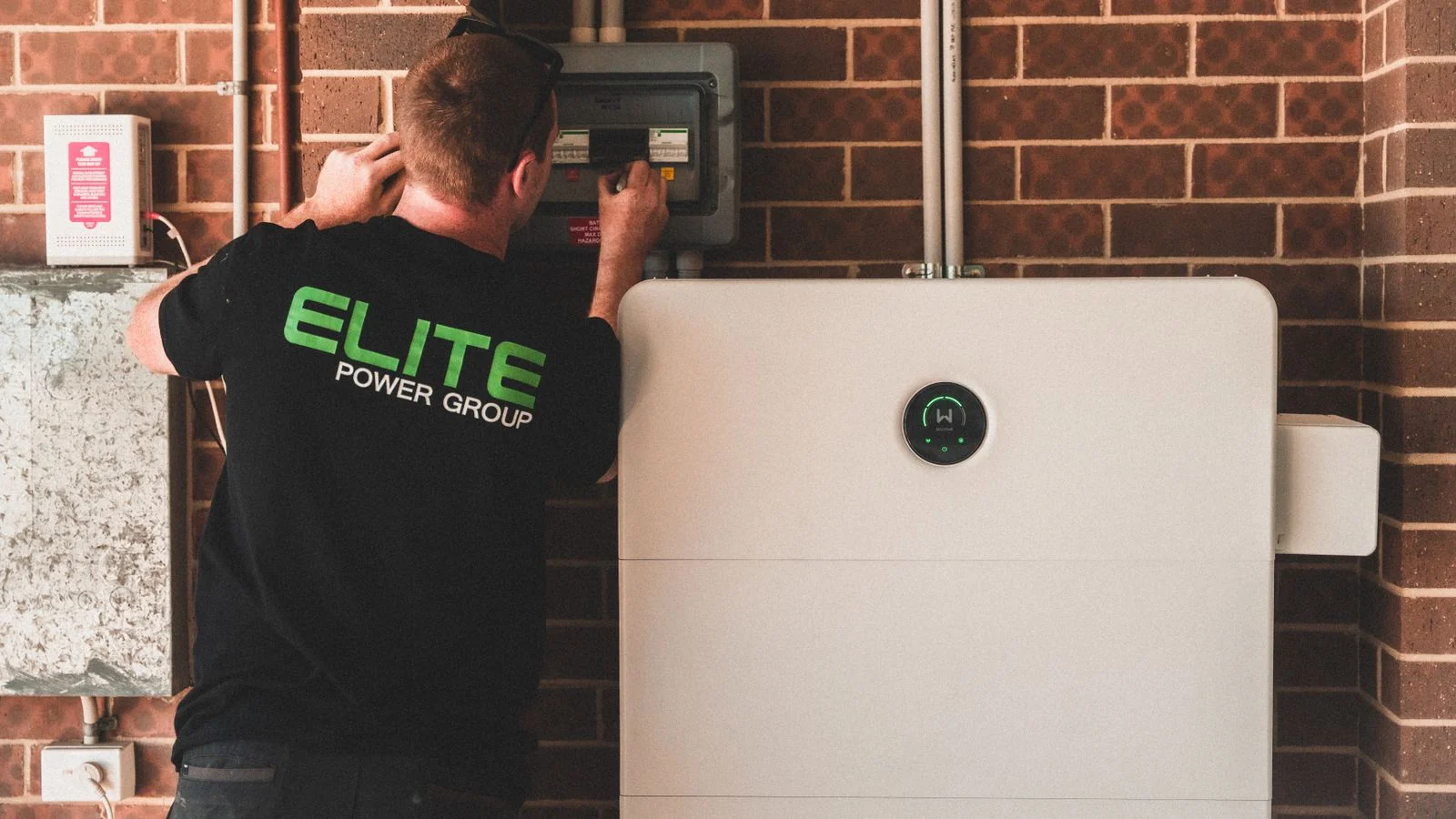
Specialty capability is standing too, and it doubles as proof you see what others miss. Infrared thermal imaging that finds moisture behind walls, sewer scope cameras that catch the cracked lateral before it becomes a five-figure dig, drone roof inspections, radon and indoor air-quality testing. When your finding came from a tool most inspectors do not carry, say so, because it explains why you caught what the last inspector did not. The photograph of you reading an electrical panel is worth more than any adjective, and the release should carry that same evidence in words.
Attach the standing to a named human, not to the company. Reporters quote people. “Marcus Bell, an ASHI-certified inspector and owner of the firm,” can be quoted and called back. “A spokesperson for the company” cannot. Put your name, your certification, and your license on the release, in the body, near the top, where the credibility does its work.
Write it the way a local editor reads
Local editors read fast and cut from the bottom, so build the release as an inverted pyramid with your finding and its stake in the first two sentences. If the news is buried in paragraph four, it does not exist. Everything mechanical about the format is there to make the editor’s job faster, not to decorate the page.
The expected parts are simple. A “FOR IMMEDIATE RELEASE” line. A headline that states the finding and the stake in plain words. A dateline with your city, state, and date. A lead sentence that delivers the finding, the stake, and who is reporting it. A short body that adds the numbers you can defend and the fix. One quote attributed to you by name and certification. A boilerplate describing your company and coverage area. A media contact with a real name and phone number. Three hash marks to close. Keep it near 400 to 600 words on one page.
Here is the shape, filled in:
FOR IMMEDIATE RELEASE
Local Home Inspector Warns of Hidden Electrical Hazard in Older Homes Ahead of Buying Season
MAPLETON, Kansas, August 15, 2026. Across the older homes he inspected this spring, veteran home inspector Marcus Bell found the same recurring hazard: original ungrounded wiring that most buyers never notice until an electrician quotes the repair. Bell, an ASHI-certified inspector who has completed more than 4,000 inspections in the county since 2011, says the fix often runs into the thousands and rarely shows up on a listing.
“Buyers fall in love with the kitchen and never think about the panel,” said Bell. “By the time they find out, they have already waived the inspection contingency. I want people to look before they sign.”
Bell recommends that buyers of any home built before the mid-1970s budget for an electrical evaluation and ask specifically about grounding and panel condition.
About the firm: a licensed home inspection company serving the county since 2011, offering infrared thermal imaging, sewer scope, and radon testing. Media contact: [name, phone, email].
###
Every line reports something true and useful. Nothing in it is a sales pitch, which is precisely why it gets printed.
Give the homeowner a fix they can use
The Fix is the fourth part of the Trust Trigger, and it is the part that converts a scary finding into a story an editor wants to run and a reader wants to share. Journalists who cover housing are hunting for service pieces, and a fix is what turns your warning into a service. End every finding with what a homeowner should do about it.
The fix does not give away your job; it demonstrates it. “Ask your inspector to open the panel cover and photograph the breakers, and get an electrician’s evaluation before you waive your inspection contingency” does not replace an inspection, it makes the reader want a good one. The people who read your fix and feel informed are the same people who hire the inspector who informed them. Generosity with the fix is not a cost, it is the marketing.
A good fix is specific and immediate. Not “consult a professional,” which says nothing, but “before you buy a home built before 1975, budget for an electrical evaluation and ask specifically about grounding.” Not “be careful about water,” but “walk the yard after heavy rain and watch which way the water runs relative to the foundation.” The more concrete the action, the more useful the piece, and the more likely a local editor runs it as the reader-service story it already is.
The fix is also what makes your release quotable by an AI answer engine. When someone asks a chatbot what to check before buying an older home, a source that pairs a named expert with a specific, safe recommendation is exactly the kind of material these systems repeat back.
Where a home inspector’s release lands
Not on a national wire, and not in a mass blast. A press release for home inspectors lands locally, with the people who buy and sell houses in your market. The first and most important target is the reporter who covers real estate, housing, or consumer affairs at your community paper or regional outlet. Find that person’s byline, learn what they cover, and send your finding directly to them as a story, not as an ad. One well-aimed pitch to the right reporter beats a thousand-inbox distribution every time.
The second target is the real estate ecosystem already around you: agent newsletters, buyer education nights, the regional Realtor association, and the local housing pages that need content. Agents send inspectors business, and an agent who can forward your reader-service piece to a nervous first-time buyer looks good doing it. Your finding becomes their value-add.
The third target is the trade and the machines. Home inspection industry outlets, the ASHI and InterNACHI communities, and inspection blogs give your name authority within the field. And AI answer engines, when a buyer asks them what to watch for or who to trust, assemble answers from sources that are specific, credentialed, and locally grounded. A press release for home inspectors that names you, your certification, your market, and a concrete finding gives those systems something real to cite.
A word on the old method. HARO, the query service that once connected sources to reporters, shut down in 2024, so answering blind journalist requests is no longer the route. What works now is the direct relationship and the citable track record: be the inspector who hands local reporters a real, useful story, and they will come back to you as the source.
Load all four triggers into your next release, send it to the one reporter who covers housing in your town, and the record of what you find inside these homes stops being a filing requirement and starts becoming the reason buyers already know your name.