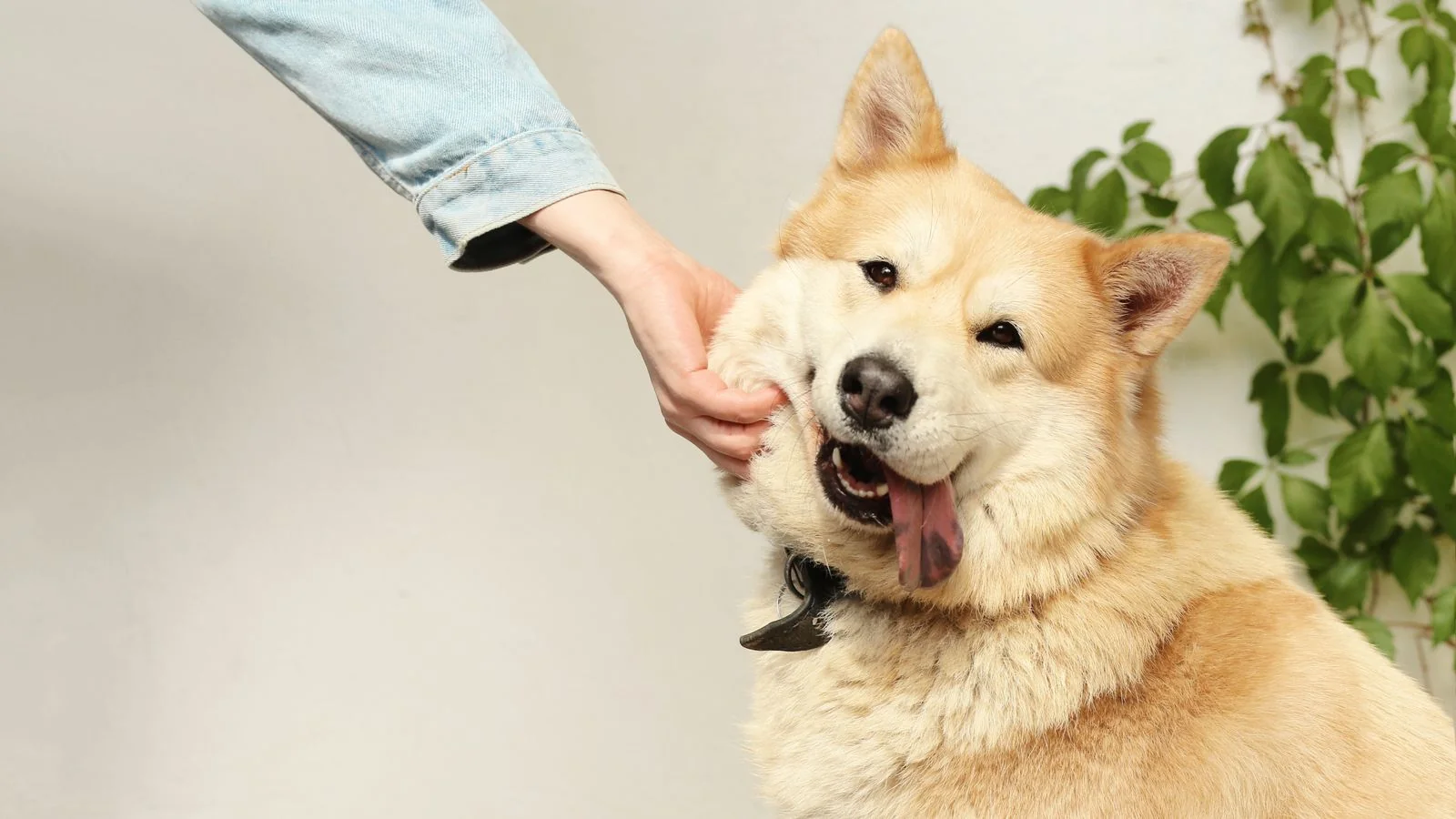
You run a pet business, you have something worth talking about, and you send a pet editor an email announcing your new product. Then nothing happens, ever, and you assume pet media is a closed club. Here is what actually happened: that editor got roughly forty other product announcements the same week, filed yours in the same mental folder as all of them, marked “advertising, not story,” and moved on. The problem was never that your product is not good. The problem is that “we launched a thing” is not a story, and pet publications run on stories. To get featured in pet publications, you have to stop pitching what you sell and start offering what an editor actually needs to fill their pages: something an owner will care about.
Pet media has a defining characteristic that shapes everything about how you break into it. Its readers are not casual. They are owners who love their animals, often intensely, and they read pet publications for emotional connection and practical help in caring for a creature they treat as family. Editors know this, so they cover what serves that love: health insights, behavior help, rescue stories with real outcomes, and expert guidance on the things owners worry about at 2 a.m. A product announcement serves none of that. The seven hooks below are the angles that do, and they share one trait. Each one gives a pet editor a story their readers will feel something about, with your brand present but not the point.
Understand who pet editors are really writing for
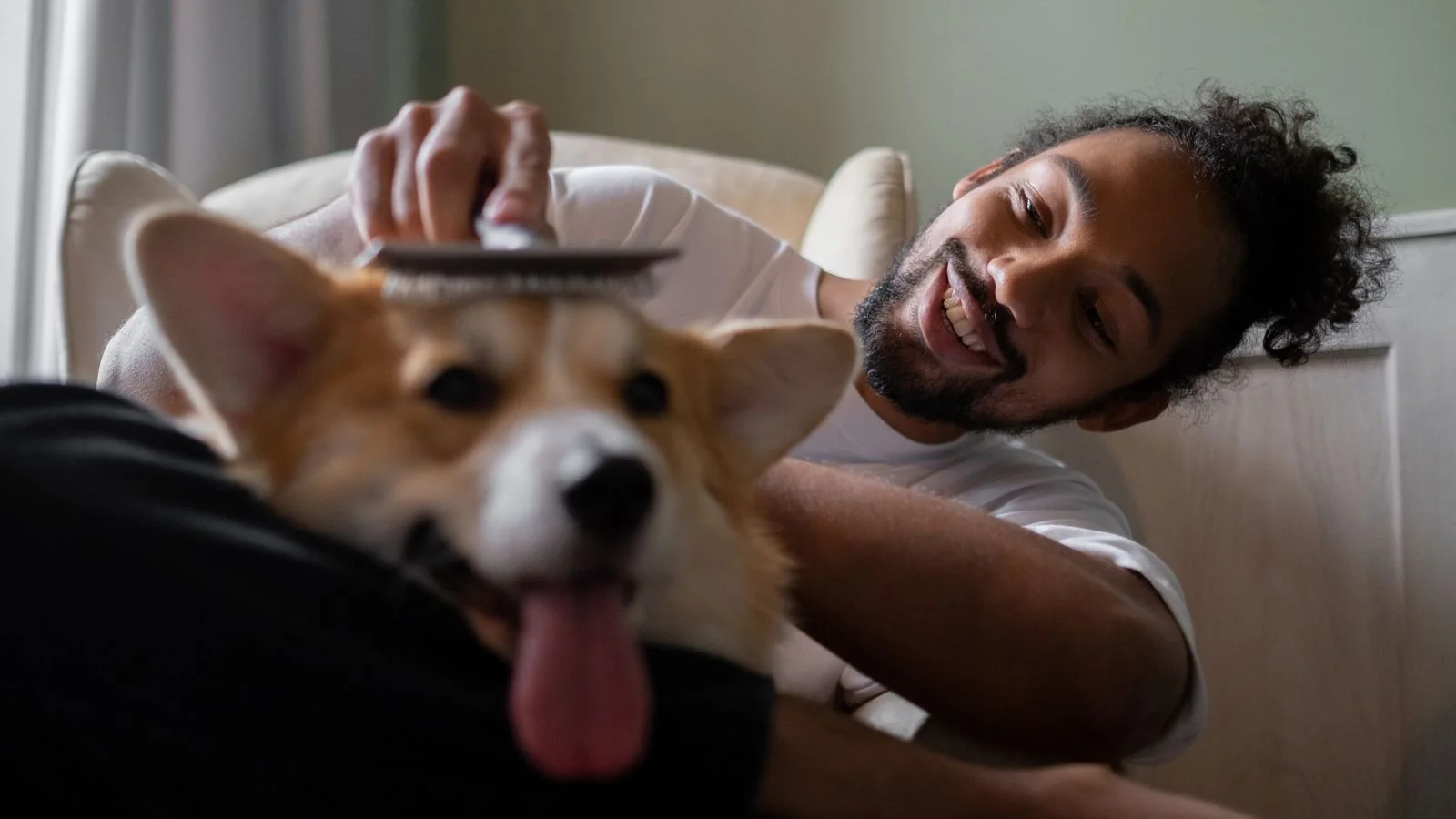
Before any hook works, you have to internalize who is on the other end of a pet story, because it is not the editor, it is the editor’s reader. That reader is an owner who thinks of their pet as family and reads pet media out of love and worry, and the editor’s whole job is to serve that person. Every decision an editor makes about what to run passes through the question: will this matter to an owner who adores their animal?
This is why to get featured in pet publications, you frame everything around the owner’s love and the owner’s concerns, never around your business. An angle about “our new supplement” is about you. An angle about “the three overlooked signs of pain in senior dogs that owners miss” is about the reader’s fear of failing their aging pet, and it happens to let you appear as the expert. The reframe is total. You are not trying to get an editor interested in your company. You are trying to give an editor something their readers will thank them for publishing. Once you see pet media through the reader’s eyes rather than your own marketing goals, the hooks that follow stop feeling like tricks and start feeling like the obvious way to be useful.
Hook one: be the expert source, not the advertiser
The fastest way to get featured in pet publications is to become a source editors call for stories they are already writing, rather than a brand pitching stories about itself. Pet editors constantly need credible voices on animal health, behavior, nutrition, and care, and a good expert source is more valuable to them than any product.
To be that source, lead with your genuine expertise. A veterinarian, a certified trainer, a nutritionist, a rescue operator with real experience, all of these can offer an editor authority on topics readers care about. Reach out not with “cover my brand” but with “I am a [credential] and I can speak to [common owner concern] whenever you cover it.” You become a resource the editor files under “people who make my stories better,” and when they write about that topic, you get quoted, with your business credited alongside. This is the foundation of the pet-authority stack, which I will come back to, and it is why the experts get featured in pet publications over and over while the pure product-pitchers get ignored. Expertise is a renewable reason to be quoted. A product launch is a one-time ask that expires the day after you send it.
Hook two: lead with the story an owner will feel

Pet media runs on emotion, and the pitches that get featured in pet publications lead with a story that makes an owner feel something. A rescue with a real outcome, a transformation, a bond, a recovery: these are the pieces pet readers share and pet editors love, because they deliver the emotional payoff the audience came for.
If your business has a genuine story like this, that is your hook. The dog your product helped recover, the rescue your company supports and the specific animal it saved, the owner whose problem you solved and how it changed their daily life. The key word is genuine, because pet audiences and editors both have sharp instincts for a manufactured heartstring pull, and a fake or exaggerated emotional story does more damage than no story at all. When the emotion is real, though, it carries the piece, and your brand travels with it as the reason the good thing happened. To get featured in pet publications with an emotional hook, you find the true story where your business intersects with an animal’s life in a way an owner would care about, and you offer that story rather than your sales copy.
Hook three: bring the photos that make the piece work
Pet media is intensely visual, and a great photo can be the difference between a story an editor runs and one they pass on. Readers come to pet publications partly for the cute factor, and an editor with a strong image has a piece that will perform. Offering usable, high-quality photos makes your pitch materially more attractive.
This is a practical edge many people overlook. When you pitch, include or offer professional-quality images of the animals involved, cleared for the publication to use. You have just lowered the editor’s production burden and improved their finished piece in one move. A story about a rescue dog lands ten times harder with a beautiful photo of that dog attached. To get featured in pet publications, treat images as part of the pitch, not an afterthought, because in a visual medium the visuals are half the story, and the source who brings them is easier to say yes to than the source who leaves the editor to find their own.
Hook four: tie into the seasonal calendar owners live by
Pet ownership has a rhythm, and pet publications plan coverage around it: summer heat safety, holiday hazards for pets, back-to-school separation anxiety, cold-weather care, adoption awareness periods. These recurring moments are predictable, which means you can pitch into them ahead of time with an angle that fits what the editor is already planning.
The move is to anticipate the seasonal story and offer yourself as the expert or the source for it, weeks before the season peaks. “Ahead of the summer, I can explain the heat risks owners underestimate and how to spot them.” You are handing the editor a timely, useful segment for a slot they were going to fill anyway. Getting featured in pet publications through the seasonal calendar works because you are solving the editor’s planning problem, and you are doing it early enough to be useful rather than late enough to be one of a dozen last-minute pitches for the same obvious moment. Watch what pet media covers each season, and be the source who shows up prepared before everyone else scrambles.
Hook five: start niche and build the authority stack
Here is the pet-authority stack in full, the sequence that turns a first small feature into national coverage. Rung one is niche pet outlets, the blogs and specialized publications covering your exact species, breed, or care area, which are reachable and hungry for expert voices. Rung two is broader pet media, where a record of niche features makes you credible. Rung three is national pet publications and mainstream outlets covering pets, where editors book sources who have already proven themselves.
Almost nobody starts at rung three, and trying to is why so many give up. The niche outlets are where you get your first featured in pet publications wins, and each one builds two things: a clip that makes the next pitch credible, and a citation footprint that AI engines increasingly use when they answer pet questions. A cluster of niche features signals to a bigger editor that you are an established, safe source rather than an unknown. Build the stack from the bottom, and the climb is far faster than a cold pitch to the top, because at each rung you arrive with proof instead of hope.
Make the editor’s story effortless to say yes to
The through-line across every hook is friction, and the source who removes it wins. A pet editor choosing between two comparable sources will pick the one who makes their job easier, so being that source is a deliberate choice you make in how you pitch and how you follow up.
Effortless means a short pitch that leads with the story or the expertise and states your credibility in one line. It means photos ready to use. It means fast replies when an editor follows up, because pet stories run on real deadlines too. It means an angle that is already shaped for their readers rather than raw material they have to rework. Every ounce of friction you remove raises the odds you are the source who gets featured in pet publications instead of the one who gets a polite non-reply. Pet editors, like all editors, remember the sources who are a relief to work with, and they come back to them. Be that source once, deliver cleanly, and the second feature is a warm ask to someone who already trusts you rather than a cold pitch to a stranger.
Pick one niche pet outlet that covers your exact corner of the pet world, find the editor’s name, and offer them a single useful, seasonal, expert angle with a great photo attached. That first niche yes is the bottom of the authority stack, and everything above it is built on getting that one right.