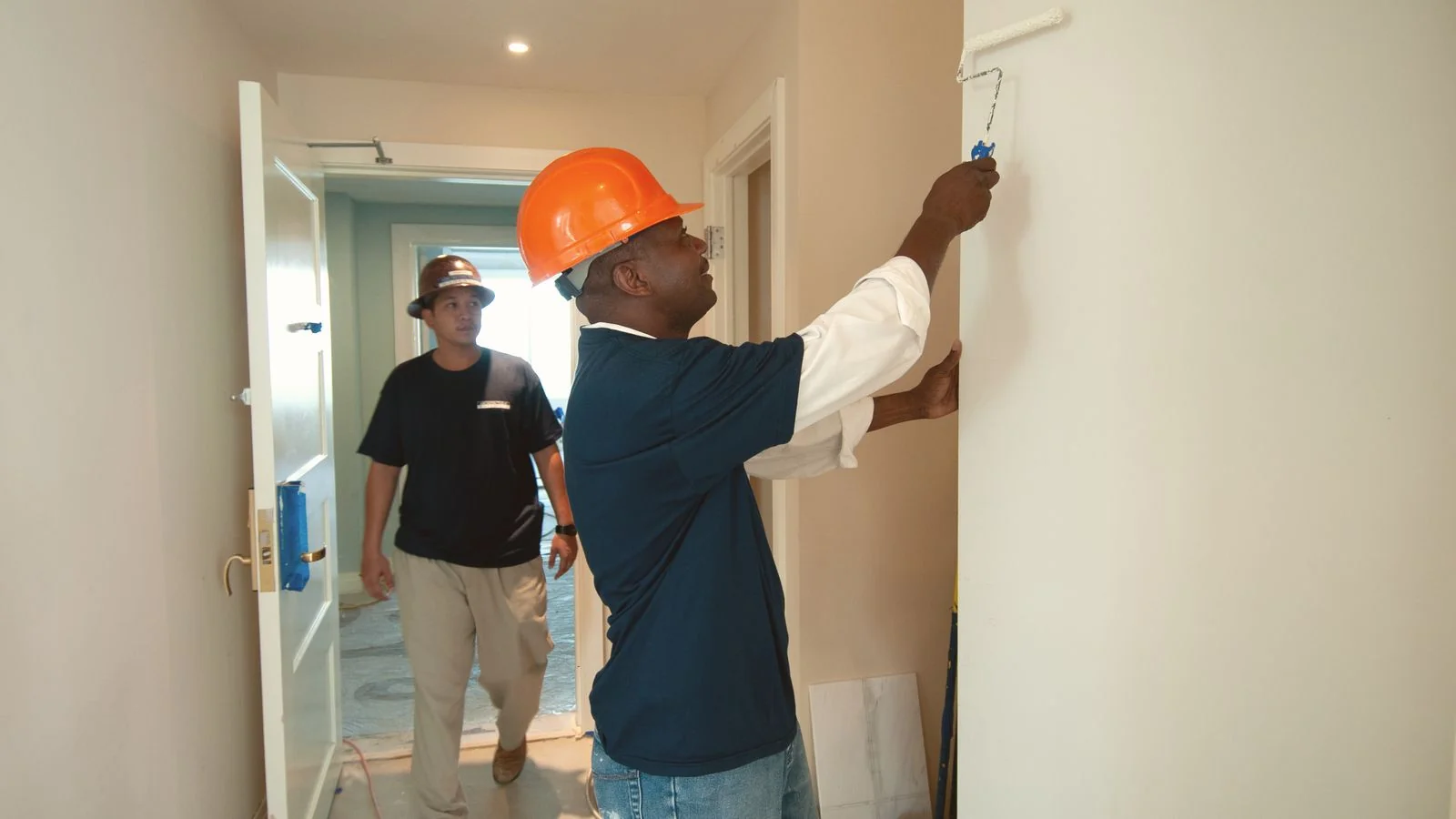
Every good painter says the same thing: the job is the prep, not the paint. Homeowners never hear it, though, because the painters who know it best rarely say it out loud where it counts. They keep their hard-won knowledge on the job site and compete for work by sending the lowest bid, which trains their entire market to believe that painting is a commodity and price is the only thing that separates one crew from another. It is a self-inflicted wound, and it is exactly the opening that thought leadership for painting contractors is built to exploit.
Here is the counterintuitive part. Painting looks like the ultimate commodity, judged on the estimate and nothing else, so most contractors resign themselves to fighting there. But painting is full of expertise that homeowners desperately want and cannot evaluate on their own: what prep a surface actually needs, why a job lasts or fails, how to choose color that works in real light, what a quality finish requires. When an entire category stays silent about all of that and competes only on price, the first painter who speaks up with genuine authority stops being a bidder and becomes the expert people ask for. There is no crowd to beat, just a market waiting for someone to lead.
Thought leadership for painting contractors is the practice of turning your craft knowledge into a voice that homeowners, referral partners, and local media listen to. It is what pulls you out of the bidding war, because authorities set their prices instead of racing to the bottom. This piece maps the five angles that work and shows you how to pick the one that fits you.
Why painting looks like a commodity, and isn’t

To the homeowner, one painter’s quote looks like another, which is the root of the commodity problem. They cannot see the difference between a crew that will properly clean, sand, patch, prime, and mask, and a crew that will slap two coats over dirty, glossy, cracked walls and move on. Both quotes say “paint the living room,” and if the customer has no way to tell them apart, they default to the cheaper one, which trains the market to reward corner-cutting and punish the painters who do it right. The commodity trap is not a fact about painting; it is a failure to make the invisible visible.
That is precisely why thought leadership is so powerful here. The gap between a good paint job and a bad one is enormous, but it is hidden in the prep, which the customer never sees and the finished coat conceals for a year or two before it fails. The painter who explains that gap, who teaches homeowners what actually determines whether a job lasts, breaks the commodity frame by giving the customer a way to evaluate quality beyond price. Suddenly the cheap bid is not a bargain; it is a risk, and you are the expert who explained why.
Every contractor who competes only on price is reinforcing the commodity story. The one who leads with knowledge rewrites it. Thought leadership for painting contractors is the tool that turns your unseen craft into a visible, valued difference, and it works because the expertise is real and the market is starved for it.
The audience a painter can actually lead
The audience for a painter’s authority is wider than the homeowner asking for a quote, and knowing who is listening shapes what you say. The most valuable audience is your referral network. Real estate agents need painters to prep homes for sale and advise on color that helps a listing. Interior designers and decorators partner with painters they trust. General contractors and remodelers need reliable painting subs. Property managers repaint constantly. Each of these refers work steadily, and they refer to the painter they trust and remember, which is the one publishing useful, credible thinking about the craft.
The second audience is the homeowner in the anxious middle of a decision. Painting a home is a significant, visible change, and people are nervous about color choices they will live with for years and about hiring a crew that will do it right. The painter who speaks to that anxiety with authority, who helps them choose color with confidence or understand what a quality job involves, earns trust well before the estimate. The third audience is local media, always seeking an expert who can speak to home, design, and improvement topics with real knowledge.
Thought leadership reaches all three at once, because authority is not narrowcast. When you become the recognized voice on painting and home transformation in your market, everyone who cares about those things starts to know your name, and that recognition is what fills your calendar at the prices you choose rather than the prices the lowest bidder sets.
The angles worth owning

Here is the framework. Five angles, each a position of authority a painting contractor can credibly own, built on knowledge you already have. You do not need all five. You need the one that fits your market and your voice, then you go deep on it.
The first angle is the prep-and-longevity authority, the painter who explains why preparation, not paint, determines whether a job lasts. The second is the color-and-design guide, who helps homeowners make confident color choices for real rooms and light. The third is the quality-standards translator, who shows what separates a professional job from a cheap one and how to spot the difference. The fourth is the product-and-finish expert, who takes honest positions on paints, sheens, and where the money is worth spending. The fifth is the transformation storyteller, who documents dramatic before-and-afters and the decisions behind them.
Each angle points at a different audience and a different kind of content, but all five share one trait. They take the craft knowledge you use every day, the knowledge homeowners cannot access and competitors will not share, and turn it into insight that makes you the obvious authority. That is the unfair advantage that makes thought leadership for painting contractors work even in a trade that looks like a pure price war. Pick the angle that fits your strengths and commit to it, because depth in one is worth more than a shallow pass at all five.
Turn color and prep expertise into content
Two areas give a painter more content than they could ever run out of: color and prep, because they are where homeowners have the most anxiety and the least ability to judge for themselves. Color paralyzes people. They are terrified of choosing wrong and living with a mistake, so content that helps them choose with confidence is enormously valuable. Explain how light changes a color through the day, why the sample looks different on the wall than the chip, how to pick a palette that flows between rooms, and how to match color to the mood a room should have. You are not giving away your job; you are demonstrating the expertise that makes homeowners want you to do it.
Prep is the other goldmine, and it is where you make the invisible visible. Show and explain what proper preparation involves, the cleaning, sanding, patching, caulking, priming, and masking that determine whether a job lasts five years or fifteen. When a homeowner understands that the prep is the job, they gain the ability to tell a quality painter from a cheap one, and they start to see your thorough process as the value it is rather than as time they are paying for. Content about prep reframes your higher bid as the smart choice, because it teaches the customer exactly what the lowball quote is leaving out.
The material is endless because you touch these questions on every job. Every color consultation and every prep challenge is a piece of content waiting to be captured, which makes this sustainable: you are not inventing topics, you are sharing the expertise you already apply daily. Do it consistently and you become the painter homeowners trust with the two decisions they find most stressful.
Take a real position
Authority requires a stand, and the strongest position a painting contractor can take is the prep-versus-price fight, because it is true, it matters, and almost no competitor will say it plainly. Most painters stay agreeable and vague, which is why they are forgettable. The painter who says clearly that the cheapest bid is usually the most expensive over time, because it skips the prep that makes paint last, becomes the memorable expert, because a real position sticks and a hedge does not.
Say the things the trade knows but keeps quiet. Explain honestly why a job that peels in two years cost more than the one that lasted fifteen. Take a clear position on where product quality matters and where premium paint is oversold. Show what a professional standard actually looks like, and let homeowners draw the obvious contrast with the crews that cut corners. This content does two jobs at once: it marks you as the authority who knows the craft cold, and it protects homeowners from the corner-cutting competitors you want to distinguish yourself from. Telling people the truth the market avoids is not arrogance; it is the service that earns trust.
Keep the positions about method and value, not attacks on named rivals. Your authority comes from being right and useful, not from tearing others down. When you consistently give homeowners the honest truth about what makes a paint job last, you become the voice they trust at the research stage, and trust at the research stage is what wins the job when the quotes come in, even when yours is not the lowest.
Where the authority pays off
The return on thought leadership for painting contractors shows up as referrals, press, and pricing power. Referral partners send you the clients they trust you with, because you have proven you understand color, prep, and quality. Local media quote you on home and design topics, which compounds your visibility for free. And homeowners who see you as the local authority stop shopping you against the cheapest crew, because you are no longer the same thing to them; you are the expert who already helped them choose and understand, and that is worth paying for.
The mechanism is trust built before the transaction. When a homeowner has read your guidance on choosing color or understanding prep, your quote arrives from a trusted advisor, not a stranger, and it wins even when it is not the lowest, because you have taught them that the lowest bid is the risky one. When a real estate agent or designer has seen you explain the craft with authority, they send you their clients without hesitation. The authority you build with content is what removes you from the price war for good.
So pick one angle. The prep-and-longevity authority is the safest start for most painters, the quality-standards position the most differentiating, the color-and-design guide the fastest path to designer and agent referrals. Go deep on the one that fits, use the craft knowledge only you have, and serve the audience before you sell to them. A local market is small enough to genuinely own, and right now the seat marked “the painting authority this town trusts” is almost certainly empty, because your competitors are all still just sending bids. Take it before one of them realizes it was open.