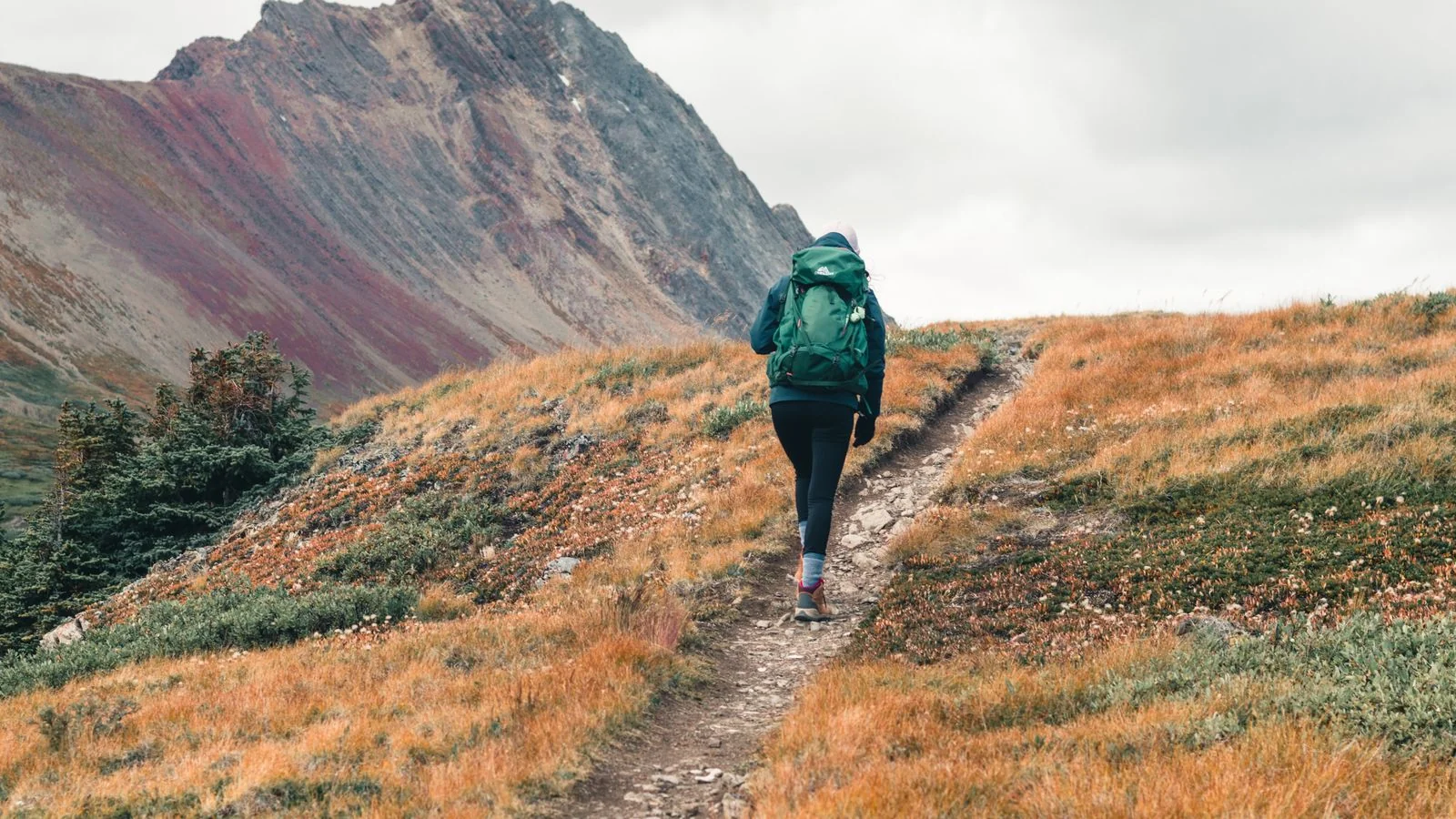
Lonely Planet works with a pool of more than 200 freelance writers, according to its own support center, and the same page says unsolicited pitches for its website are rarely accepted while prewritten articles are never accepted. That one paragraph explains why most PR teams fail when they try to work out how to get featured in Lonely Planet. They pitch it like a newsroom. It is not a newsroom. It is a network of people who live in, or keep returning to, specific places, and who answer to editors who care more about whether a recommendation will still be true in eighteen months than whether it is news this week.
I have watched founders burn a quarter’s worth of goodwill blasting “exclusive” releases at a generic inbox. The brands that end up in a Lonely Planet guide or article usually got there another way: a writer found them on the ground, or a writer already covering the region had a reason to mention them. Your job is to become that reason. Here is how the operation works now, what it will never accept, and a scoring model you can run on your own story before you spend a minute on outreach.
Start With How Lonely Planet Is Built Today

Ownership shapes editorial habits, so the history matters. Tony and Maureen Wheeler founded Lonely Planet in Australia in 1973. In 2007 they and John Singleton sold a 75% stake to BBC Worldwide, and the BBC bought the remaining 25% in 2011. The BBC then sold the business to Brad Kelley’s NC2 Media in March 2013 for US$77.8 million, a deal PhocusWire and others reported as a loss of nearly £80 million for the broadcaster. In December 2020, NC2 Media sold Lonely Planet to Red Ventures, the US digital media group that also owns The Points Guy, for an undisclosed sum. When that deal was announced, Publishers Weekly quoted print publisher Piers Pickard saying “our book focus is unwavering.”
That sequence tells you two things. First, books still matter. The company has printed more than 150 million of them, and the guidebook remains the backbone that the website, the newsletter and the annual Best in Travel title are built around. Second, the digital side now sits inside a performance-minded media group, which means web content gets commissioned with reader demand in mind, mainly from established writers and specialist contributors.
Think about a place like the historic Polonia House on a quiet Warsaw street. It does not get into a Warsaw chapter because a publicist emailed a press kit. It gets in because the writer updating that chapter walked past, went inside, compared it with three alternatives and decided a reader would thank them for the tip. Every Lonely Planet placement you want runs through a person like that. The company’s own contributor page says every contributor is chosen for on-the-ground expertise. Your strategy has to start there.
Why Won’t a Standard Press Release Work Here?
The guidebook imprint pages carry a line that sums up the house position: “We never take freebies for positive coverage, so you can always rely on us to tell it like it is.” That is a promise to readers, and the brand has paid real costs to keep it believable.
In April 2008, former contributor Thomas Kohnstamm published Do Travel Writers Go to Hell?, which included claims that he had accepted discounted rooms and free meals in breach of company policy (he said he never traded positive coverage for them) and that he wrote a Colombia guide chapter without visiting. According to TravelMole’s report from 16 April 2008, Pickard responded by sending author teams to fact-check the titles Kohnstamm had worked on and said any inaccuracies would be corrected. Anyone pitching with a comped stay as the hook is reminding editors of that episode.
So the classic hotel or tour operator playbook, where you offer a free night and wait for coverage, does more harm than good here. So does the mass-distributed release. A wire story announcing your new rooftop bar gives a Lonely Planet writer nothing they can use, because guidebook entries are judgments, not announcements. The writer needs to know whether the place is worth a reader’s limited time and money, how it compares to what is nearby, and whether it will still be there and still be good next year.
The shift in mindset is simple to describe and hard to practice. Stop asking how to get Lonely Planet to announce you. Start asking what a sharp local writer would need to confidently recommend you, and how to make that information easy to verify on their own terms. Verification on their terms means you offer access, facts and context, and you attach no strings to any of it.
Score Your Story With the TRAIL Test
Before any outreach, we run every travel or hospitality client through a five-factor score we call the TRAIL Test. It mirrors the questions that decide how to get featured in Lonely Planet, the ones a guidebook writer or a Best in Travel panel is asking even if they would never phrase it this way. Score each factor from 0 to 2, for a total out of 10.
Timeliness (T) asks whether there is a reason to visit now that did not exist two years ago: a new rail link, a restored landmark reopening, a festival marking an anniversary, a newly protected trail. Lonely Planet’s Best in Travel 2024 letter from the editor described a panel ranking hundreds of nominations for “topicality and uniqueness,” and topicality is the first thing that falls away when a story is just “we are open and we are nice.” A 2 means a dated, verifiable change. A 0 means nothing has changed.
Resilience (R) asks whether the recommendation survives a guidebook’s shelf life. Guides are updated on cycles measured in years, so a pop-up or a seasonal menu scores low. A family-run inn with fifteen years of history scores high.
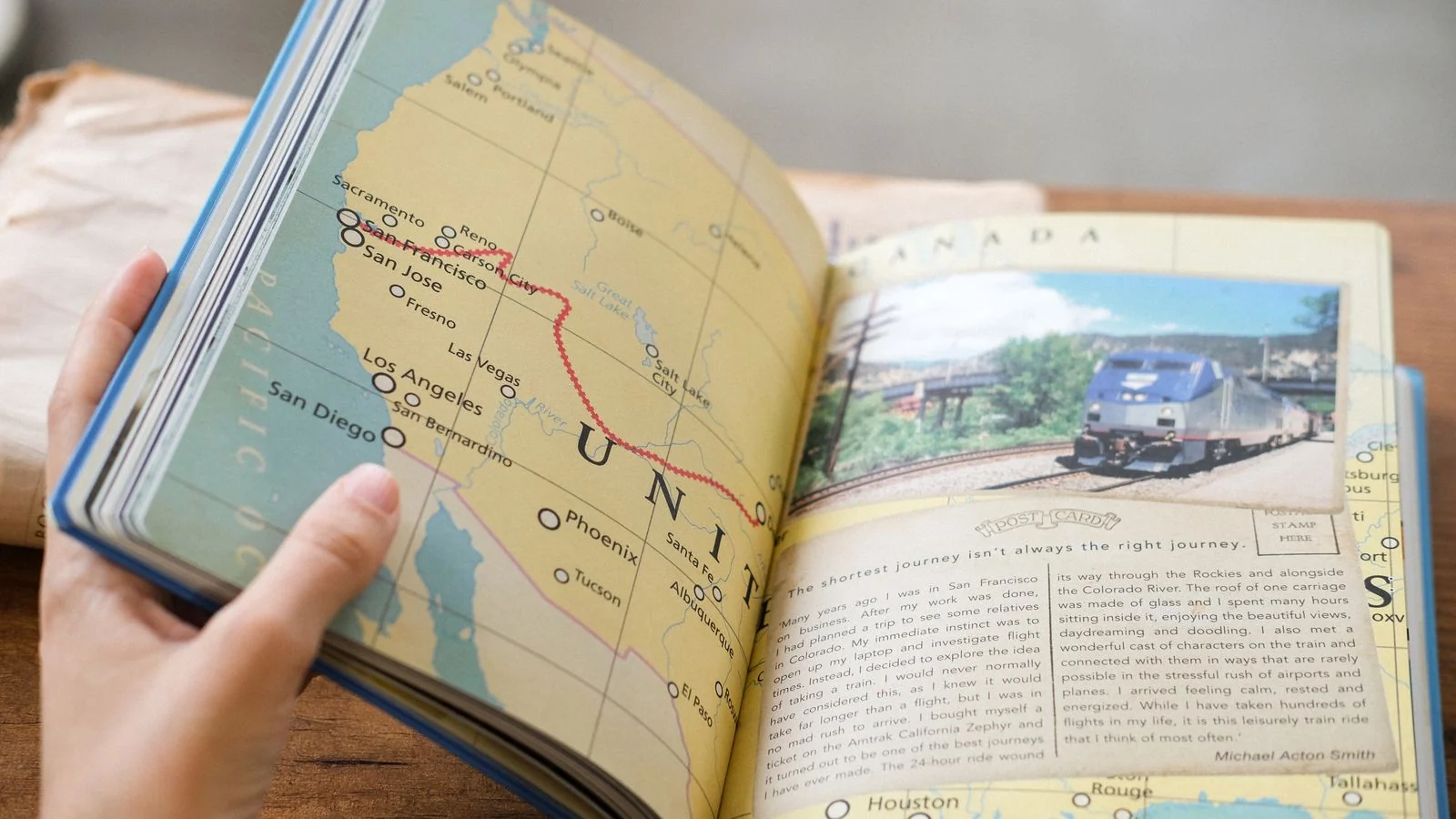
Access (A) asks whether a traveler can actually do the thing. Clear opening hours, transport options, booking methods, prices in local currency, accessibility details. The page of West Coast train routes above is the right mental model: a guide is a practical tool, and a recommendation without logistics is a dead end.
Insider value (I) asks whether your story gives the writer something they could not get from a search engine. A guide who can explain a neighborhood’s history, a route only locals use. This is the factor that separates a passing mention from a highlighted pick.
Local fit (L) asks whether you make the place better or simply exist in it. Recent Best in Travel lists have made room for community-focused experiences. The 2026 edition, released on 21 October 2025, included a citizen science project in the Peruvian Amazon among its 25 experiences. A business that hires locally, supports conservation or keeps a tradition alive scores a 2.
Anything under 6 is not ready for outreach. Fix the weak factors first, whether that means publishing clear logistics, building a genuine insider experience or creating a real reason to go now. Anything at 8 or above deserves a deliberate plan.
Which Doors Are Actually Open?
There are four realistic routes into Lonely Planet coverage, and they reward different kinds of stories.
The first is the guidebook itself. Updates are researched by the writer assigned to a region, and that writer does the on-the-ground work. You cannot apply to be included. What you can do is make yourself findable and credible to the person who updates that chapter: a presence in respected local press, clear listings on maps and the main booking platforms, and a working relationship with your local tourism office, which often helps visiting writers plan research.
The second is the website. The support center says web articles are commissioned mainly from established writers and specialist contributors. That means your realistic pitch target is not Lonely Planet staff but the freelance travel writers who already file for the site and know your region. Read the bylines on recent articles about your destination, follow those writers’ own work, and pitch them a story they can take to their editor.
The third is Best in Travel, the brand’s biggest editorial moment of the year. The 2026 list named Peru first among 25 destinations, with Jaffna in Sri Lanka and Maine in the US near the top. The 2027 edition, published in September 2026, featured picks including Montserrat, Quebec, Chengdu and Okinawa, chosen, as Time Out reported, by Lonely Planet’s “global community of travel experts.” Individual businesses do not get nominated as winners. Destinations and experiences do. So if you run a lodge or a tour company, the play is to work with your regional tourism body and local writers on the destination-level story that might put your area in contention, knowing your property could appear inside that coverage.
The fourth is everything around the core product: the newsletter, social channels and the trade side. Those are useful for awareness, but the trade and advertising team is a commercial operation, and paying for visibility there will not buy you an editorial recommendation. Keep those budgets separate.
Build the Pitch a Local Writer Can Actually Use
Once your TRAIL score clears 8 and you know which door you are aiming for, the pitch itself is short. Lead with the change that makes your story timely, in one sentence, with a date. Follow with the single most useful insider detail. Then give the logistics a writer needs to check your claim without your help: address, hours, price range, how to get there by public transport, and a contact who can answer questions quickly.
Offer access without conditions. If a writer is researching your area and wants to visit, make it easy and make it clear that you expect nothing in return. Some writers will insist on paying, and you should accept that without fuss. Never ask to see copy, never ask about the tone of a review and never chase a writer about when your mention will run. Guidebook research and production take time, and the writer’s job is to be the reader’s advocate, not yours.
Timing matters too. Best in Travel has landed in autumn (21 October 2025 for the 2026 edition, September 2026 for 2027), and the 2024 editor’s letter described nominations being reviewed early in the year. If you are a destination marketer trying to shape that conversation, your story needs to be visible in regional and national press well before the review window, so writers in the network already know it when they sit down to nominate. For individual businesses, the most valuable moment to make your story legible is before a research trip, which means staying close to the tourism office that hosts visiting writers.
Finally, build the trail of evidence that writers and their editors check. Coverage in respected regional outlets, reviews from real travelers, a clear website with current facts and consistent listings all signal that a recommendation will hold up. That same evidence feeds answer engines like ChatGPT and Perplexity, which shape where travelers go before they open any guidebook. At Instant Press we treat earned coverage in trusted publications as the foundation for both, because the signals that convince an editor also convince the models that summarize editors.
Learning how to get featured in Lonely Planet is mostly learning patience and specificity. They became the obvious answer to a question a writer was already asking.
So here is the question for you: if a Lonely Planet writer walked through your door tomorrow with no warning and no appointment, what would they find that they could not have found anywhere else?