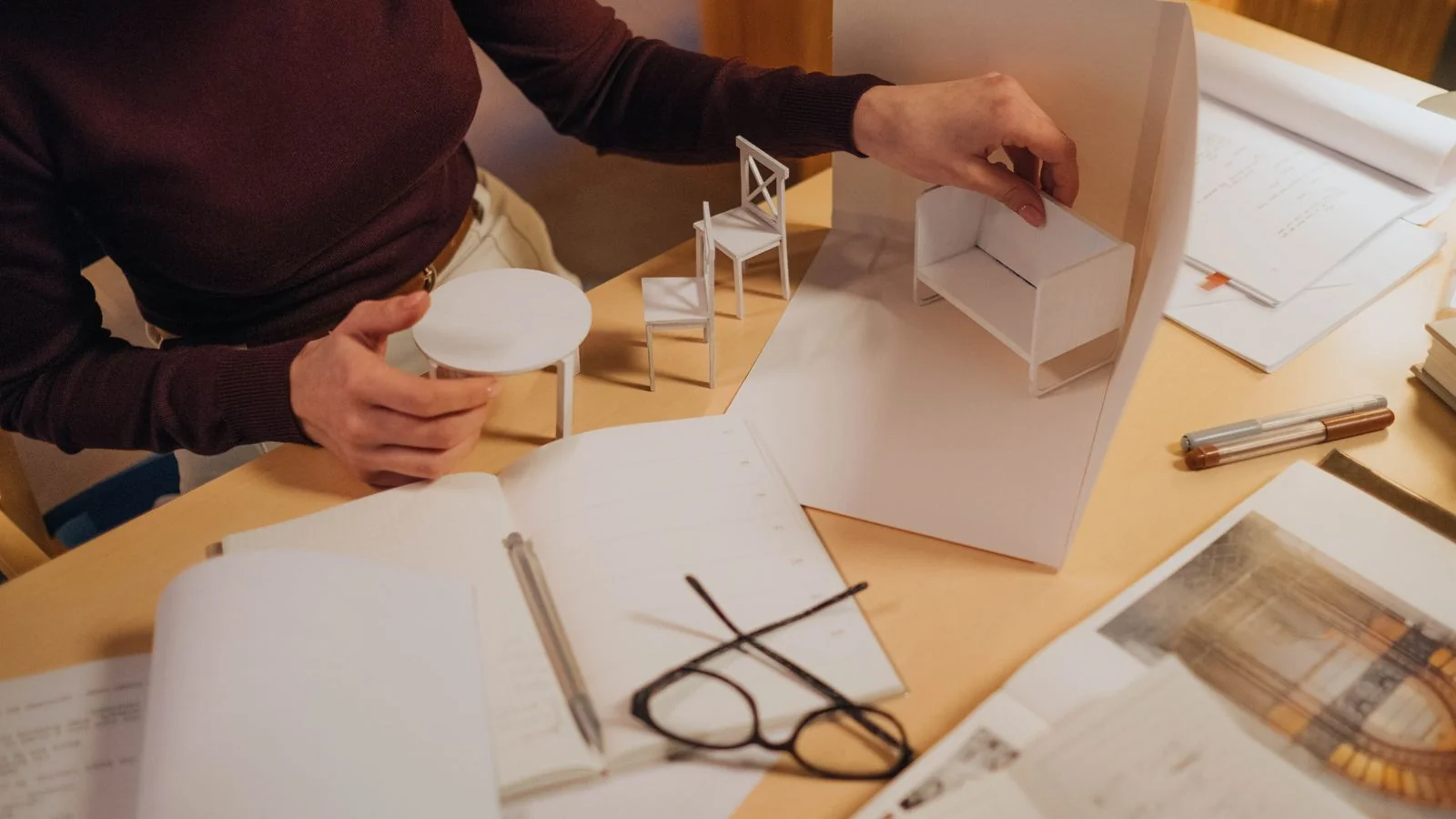
The part of an architecture press release that gets read most is the part most firms write last, when they write it at all: the captions. Editors at the project sites open the image folder before the PDF. They scroll the photographs, decide in under a minute whether the building is worth their page, and only then check the prose for what they need to run it, which is the credits, the data, and one sentence that explains what the building is doing. The eight hundred words about dialogue with context and a celebration of light go unread by the person who decides. Yet firms spend a week on those paragraphs and ten minutes on the image set, and they send the photos with file names like DSC_4471 and no captions at all.
That inversion is the whole problem with the standard press release for architecture firms, and it explains why good buildings from good practices go unpublished. The photographer did the work that would have carried the story. The release buried it. What follows is a method for writing the release from the images outward, so the document you send matches how the person receiving it reads.
Editors open the image folder before the PDF

Consider the volume. The major project sites publish several buildings a day and receive many times that in submissions, most from firms that have never met the editor. A submission gets sorted on three questions in a fixed order. Is the photography good enough to hold a reader on the page? Is the project new to the internet, or did the contractor post the same photos on LinkedIn a month ago? Is the package complete enough to publish without a round of email? A no on the first question ends the review. A no on the second or third moves the project to a pile that does not get revisited.
Notice what is missing from those questions: any judgment about the writing. The prose is read last and read for extraction. The editor wants the location, the area, the completion date, the client if disclosed, the full credit list including the photographer, and one clear statement of the design idea that can be paraphrased in a subhead. Everything else is either raw material for that paraphrase or filler, and the filler is what the principal spent the week on.
This is not an argument for writing less. It is an argument for writing in the place the editor is looking. A caption is the one piece of prose that gets read with the image in view, by the editor and later by the reader, and it is the only place where an architect’s explanation of a decision arrives at the moment the reader can see the decision. Firms that treat captions as metadata forfeit the most-read sentences in the package.
The Caption-First Draft
The method I use is the Caption-First Draft, and the name describes the order of operations. You do not begin with the release. You begin by choosing the images, sequencing them, and writing a caption for each, and the release grows out of the captions rather than the other way around.
Pick eight to twelve images with the photographer and put them in the order a visitor would encounter the building: the approach or context shot, the threshold, the principal interior, the detail that carries the idea, a secondary space, a plan and a section, a dusk view if there is one. Name the files in that sequence, with the project name and a number, so the order survives the download. Then write each caption at twenty-five to forty words, and hold every caption to one rule: it must name what is in the frame and the decision behind it. “The north facade steps back at the third floor to keep the neighboring school’s playground in sun through winter afternoons” is a caption. “Exterior view” is not, and neither is “the facade creates a dialogue with the street.”
Read the captions in order. If the sequence works, the story of the building is already told, and one idea keeps recurring across the frames. That recurring idea becomes the single paragraph at the top of the release, stated as what the building does rather than what it symbolizes. The body of the release is then the captions joined with connective sentences, plus the fact sheet, the credit list, one quote, and the boilerplate. That is the whole document, and it is shorter than what most firms send, because it is built from descriptions of things a reader can see rather than claims about intent.
The discipline pays off twice over. Captions written this way are concrete because the frame forces it: you cannot write “inspired by the surrounding context” about a specific photograph without saying what, in the picture, you mean. And the editor who receives numbered images, matching captions, and a fact sheet can run the project the same day without an email. A press release for architecture firms built this way does the editor’s layout for them.
What makes a building news?
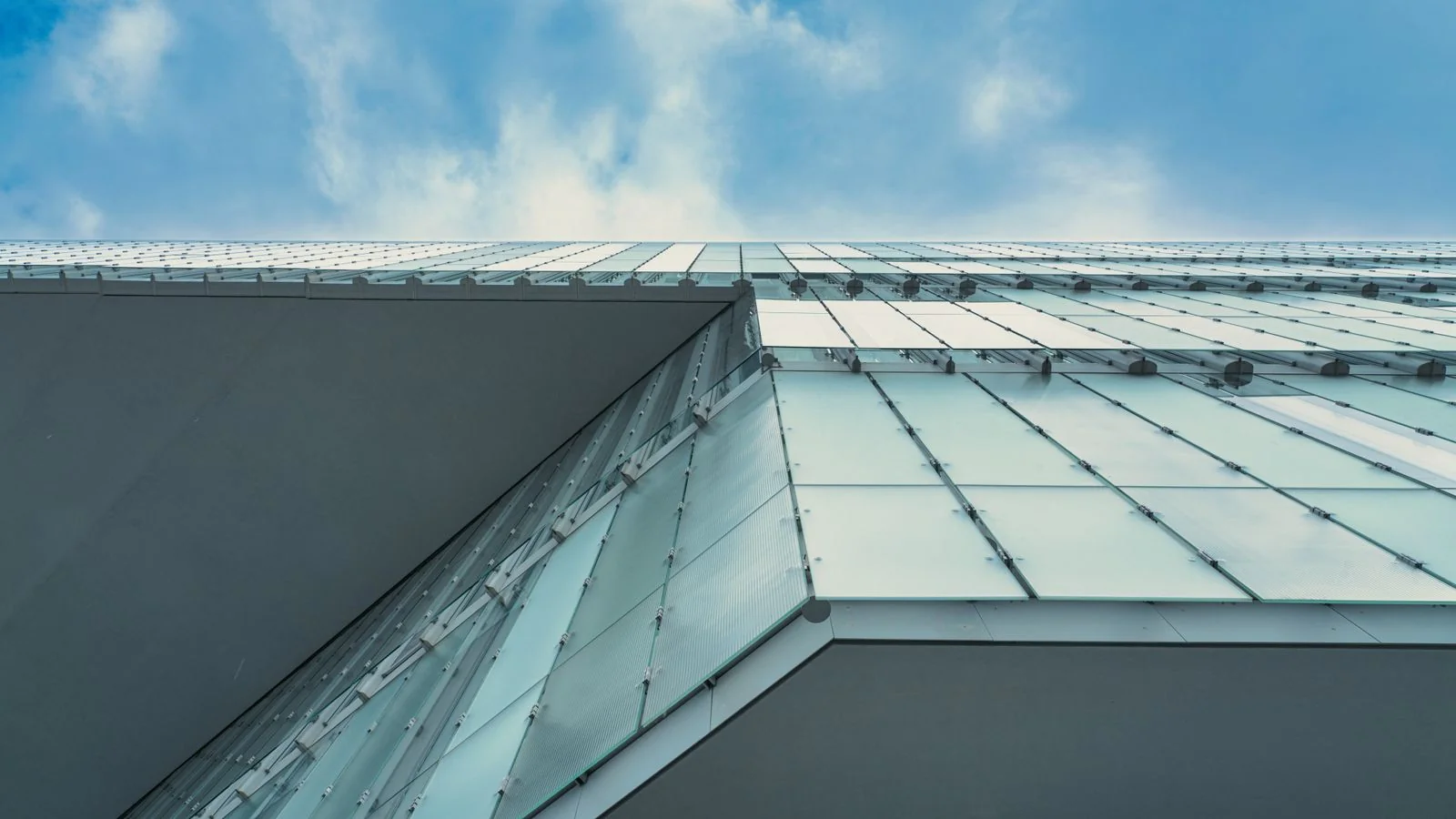
Completion with professional photography is the hook that carries almost everything on the project sites, and the word professional is doing work in that sentence. Phone photographs from the site walk do not get a building published, however good the building. If the photographer’s fee was not in this project’s budget, put it in the next one, because the photographs are the only marketing asset the project produces that lasts.
Other hooks exist and each has its own rules. A competition win is news, and renders are acceptable for it, because there is nothing else to show. Planning approval is news for civic or contested projects and seldom for a private house. A topping-out is news at a scale where the structure itself is a spectacle. Awards are news, with the caveat that the story is the building, so the release still needs the project data and the images, not a photograph of the plaque. Performance claims are news when they come with a certification you can name and a number you can defend. A certified Passive House with a measured heating demand is a story. “Sustainable design principles throughout” is a sentence an editor deletes.
Timing is where firms go wrong most often. Many outlets want first publication and will ask whether the project has appeared elsewhere, and that includes your own Instagram. If the contractor, the client, and two consultants have already posted the finished building, the project has been published, and the editor who prizes being first will pass. Agree a publication plan with the client and the photographer before the images exist: who posts what, when, and which outlet gets the first look.
Build the fact sheet editors copy without editing
The fact sheet is the part of the package that gets reproduced word for word, so it has to be complete and it has to be right. The fields are standard across the outlets: project name, location as city and country, program or building type, client where the client agrees to be named, gross floor area in square metres and square feet, completion date, and the credit list. The credit list is longer than most firms expect. Architect, lead architects by name, design team, structural engineer, services engineer, civil engineer, the site and planting designer, interior designer where separate, lighting designer, main contractor, and the photographer with the credit line written the way the photographer wants it. Cost appears only when the client permits it.
Two things about that list. First, every credit must be agreed before the release goes out. The angriest emails an editor receives come from the executive architect who was left off, or the interior firm that did the fit-out and saw the project published under someone else’s name alone. Settle the credits in writing during the project, not on the morning of the send. Second, the wording must be identical everywhere: on your website, in the submission, on the photographer’s site, in the awards entry. A press release for architecture firms is also a record that search engines and AI assistants read, and when a model sees three versions of who designed a building it trusts none of them. One name, one spelling, one credit list, everywhere.
Drawings belong in the package. A site plan, floor plans, and at least one section, exported at the same scale, with a north arrow, in a format the outlet can place. Editors run drawings because readers who are architects want them, and a project without drawings reads as one the firm is not confident in. Photography rights close the package. Confirm with the photographer that the license covers editorial use by third parties, because the editor will ask.
Credits, quotes, and the sentences that get you cut
The quote from the principal follows the caption rule. It describes a decision and the reason for it, in the voice of someone who made it. “We put the stair on the street side so the building shows people moving through it after dark” is a quote. “We are delighted to see this vision realized” is not, and it will be the first thing removed. If the principal cannot produce a sentence about a decision, ask what the client argued about, or what the team changed after the first site visit. Those answers are quotes.
Then the vocabulary. Every architecture editor keeps an unofficial list of words that mark a release as written by a marketing department, and the list is consistent: stunning, iconic, unique, state-of-the-art, timeless, world-class, and any sentence in which a building celebrates, embraces, or engages in dialogue. The words are not wrong. They are unfalsifiable, and an editor cannot print a claim that cannot be checked against the photograph. Replace each one with the thing you would have pointed at: the brick from the demolished warehouse reused in the ground-floor wall, the roof pitched to match the neighbouring terrace, the corridor widened to the width of a hospital bed. The reader supplies the adjective.
The boilerplate at the end should read like a fact sheet for the firm. Founded when, by whom, how many people, which cities, three completed projects a reader might have heard of. Not a mission statement. An editor who wants to describe your practice in a sentence will pull it from here, and a paragraph of values gives them nothing to pull.
Send it in the shape each outlet wants
The outlets do not all want the same package, and sending one email to all of them is how a good project gets ignored everywhere. The large project sites take submissions through forms or a dedicated address and want the image set, the captions, the fact sheet, and the drawings, as a download link rather than forty megabytes of attachments. The print and long-form titles want lead time and a conversation, and they want to know whether they are first. The local paper wants a civic angle and an offer to walk a reporter through the building. The AIA or RIBA chapter newsletter wants the project data and one image, and the clients who commission the next building read it. A wire service wants the plain text release, and its value is the index rather than the inbox: the release lands on pages that search engines and AI assistants read, with your firm’s name attached to the project in text a model can repeat.
Sequence the sends. The exclusive goes to one outlet first, with a date. Once it runs, the wider package goes to the rest of the project sites the same day, then the local and chapter press, then the wire. Post the same release, captions, and fact sheet on your own site, so the record the machines find on your domain matches the record they find everywhere else. For a practice without anyone whose job this is, the writing and the wire distribution are the parts a service like Instant Press takes on, but the captions and the credit list have to come from the people who made the building.
One thing to do this week: open the folder for your most recent completed project, pick the ten photographs you would put on a wall, put them in the order a visitor would see them, and write a caption for each that names what is in the frame and the decision behind it. Send that caption sheet to the photographer with the credit line and ask them to correct anything. When it comes back you will have the spine of the release, the image set in order, and the credits confirmed, which is most of the work, done before you have written a single paragraph about intent.