
“#1 Source for Construction News, Data, Rankings, Analysis, and Commentary.” That is the line ENR runs across the bottom of its site, and the order of the words is a better guide to the magazine than most pitching advice. News comes first. Data and rankings come right after. Plenty of construction firms try to get into ENR the way they would approach a local business paper, with a release about a new hire or a project milestone, and wonder why nothing happens. The firms that appear in ENR every year mostly come in through the data, the awards and the regional editions.
That is good news if you are working out how to get featured in ENR for the first time. The doors are many and documented. You just have to use the ones the magazine built.
What ENR is and who reads it

Engineering News-Record is published by BNP Media, with its main office in Birmingham, Michigan, and an editorial office in New York. According to its own description, ENR produces a print and digital magazine with 26 issues a year, a website, 10 regional newsletters, 10 topical newsletters, global, national and regional firm rankings, webinars, videos, podcasts and 19 in-person events.
Its audience is broad within the industry: contractors, project owners, engineers, architects, technology vendors, infrastructure investors, analysts, government regulators and suppliers, many working internationally. Coverage spans business management, project delivery, technology, safety, law, legislation, environment and labor.
The editorial team includes editor in chief Scott Blair and editor at large Debra Rubin, along with deputy editors, regional editors and data staff who run the surveys and rankings. Check the current masthead on ENR’s contact page before you send anything, because the right name for your story depends on its subject and region.
This audience is why the usual press release fails. ENR’s readers are professionals who compare firms, projects and methods. They care about scale, innovation, risk and money. A story earns space by telling them something about the industry, not just about you.
Route 1: The rankings
The rankings are ENR’s most recognized product, and the most reliable way for a firm to appear in the magazine. Lists such as the Top 400 Contractors, the Top 500 Design Firms, the Top 600 Specialty Contractors and the global and sector lists are compiled from annual surveys that firms fill in themselves.
Being ranked puts your firm’s name in a document that owners, competitors and analysts consult all year. It also creates press opportunities. Firms that rise sharply, enter a list for the first time or lead a sector category often appear in the accompanying analysis stories, and the regional editions publish their own regional rankings.
The practical requirement is to submit accurate data on time. ENR lists survey contacts on its site, including a data coordinator for surveys and rankings. Put the deadlines in your calendar, assign someone in finance to own the submission, and make sure the revenue definitions match what ENR asks for. Firms that miss a year often miss it because nobody owned the form.
Route 2: Regional Best Projects
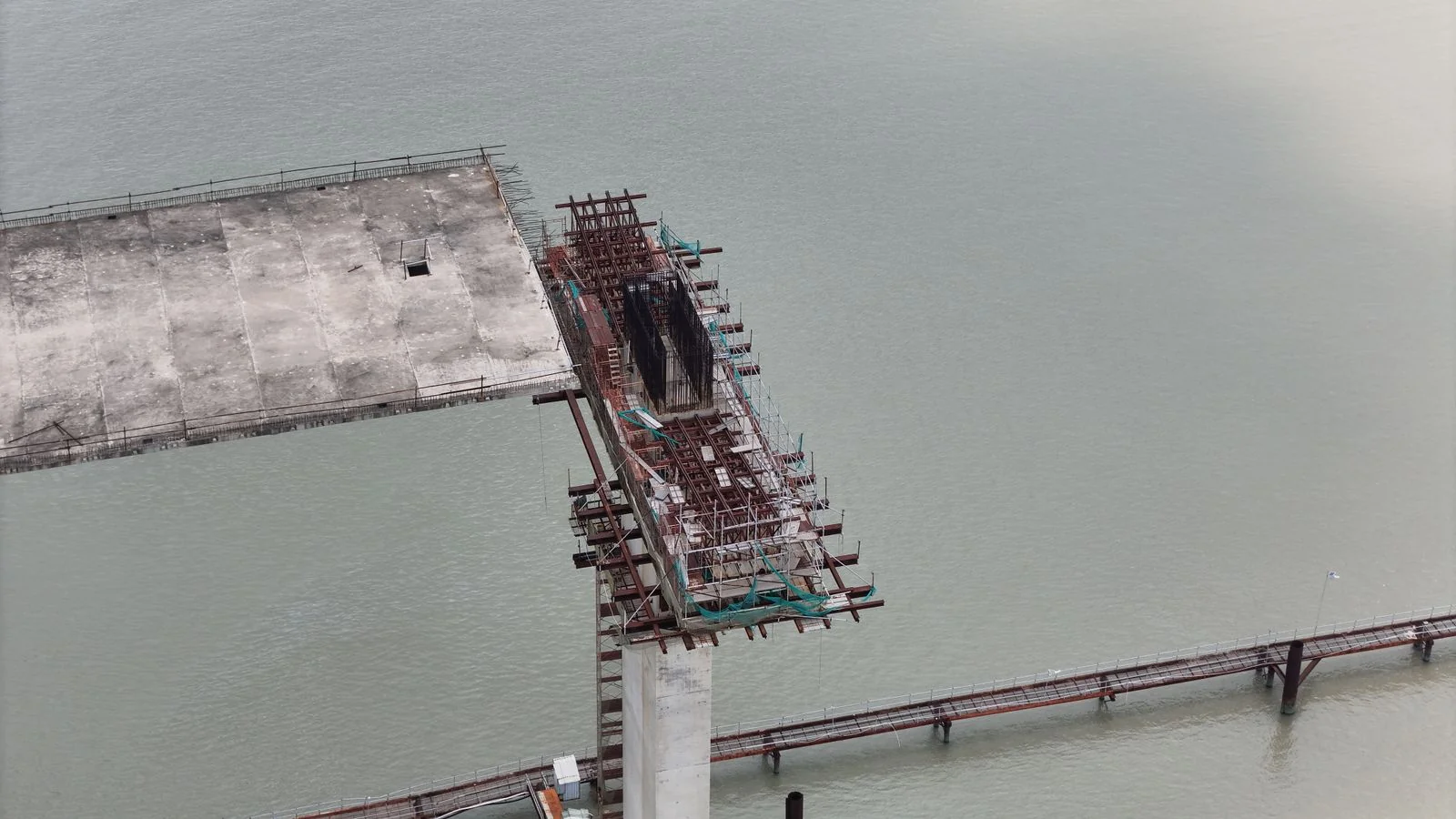
ENR’s Regional Best Projects awards recognize design and construction teams for delivering a best project of the year. Winners are chosen by independent juries of industry leaders from ENR’s regional editions, and celebrated at regional ceremonies. This year’s schedule included a Los Angeles ceremony on November 11 for ENR West’s Southern California and Nevada winners, followed by a San Francisco ceremony on November 13. Regional winners can go on to a national competition.
For many firms this is the best editorial route in the whole magazine. Winning projects are written up in the regional editions, and the ceremonies put your team in a room with the editors who cover your market.
Entries usually ask for a detailed project description, team members, budget, schedule and the specific challenges overcome, plus photographs. Juries look at teamwork, safety, innovation, quality and contribution to the community. The strongest entries tell a story: a hard deadline met despite a supply problem, an unusual site constraint solved, a safety record on a complex job. Write the entry like a feature, with specifics, not like a marketing brochure.
Enter projects completed within the eligibility window, and enter as a team. Owners, designers and contractors submitting together present a stronger case and share the result.
Route 3: The regional editions
ENR’s regional editions, which span markets from New York and New England to the Southeast, Midwest, Texas and Louisiana, the Mountain States, California and the Northwest, cover projects, firms and people in their markets. The regional newsletters need a steady flow of local news, and their editors are often more accessible than the national desk.
A regional pitch can be smaller in scale than a national one. A significant new project start, a notable completion, a regional firm expanding into a new market or a local labor or permitting issue may not merit national coverage but fits a regional edition well. Find the regional editor for your area on the contact page and pitch them directly with a short, factual note.
Regional coverage also feeds the national magazine. Editors watch what regional colleagues are covering, and a strong regional story can become part of a national trend piece.
Route 4: News pitches that fit the national desk
National coverage is the hardest door. It goes to stories with industry-wide significance: major contract awards, mergers and acquisitions, large project failures and disputes, important legal decisions, safety incidents, new technologies with evidence behind them, and policy changes that affect how the industry works.
To pitch the national desk, frame your news the way ENR would. Who else does this affect? What does it change about how firms bid, build or manage risk? What numbers support it? If you can only answer those questions about your own firm, the story probably belongs in a regional edition.
ENR’s contact page directs story ideas and publicity materials to its submission channels and general inbox, and lists editors by expertise. A deputy editor covering new products and innovation is the right contact for a technology story with real field results. An editor covering online news may be right for time-sensitive developments. Match the person to the subject.
Routes 5 to 7: People, opinion and events
Route five is executive news. ENR publishes appointments, but its contact page sets a clear bar: only promotions, hires and transfers at the senior vice president level or above. If your announcement is about a project manager or a director, do not send it. If it is about a new chief executive or a senior partner, send it to the executive news channel with a photo and a short biography.
Route six is commentary. ENR publishes letters to the editor and viewpoint pieces. A well-argued letter responding to a recent story, or a viewpoint grounded in direct experience on an industry issue, can get your executive’s name and argument in front of the magazine’s readers. Keep it specific, keep it short, and avoid promoting your firm.
Route seven is events. With 19 in-person events a year, from awards ceremonies to conferences such as Groundbreaking Women in Construction, ENR needs speakers, panelists and sponsors. Speaking slots go to people with something to teach, and the editors running the program are the same people who decide coverage. A strong talk can lead to a story.
Build a year-round ENR calendar
The firms that appear in ENR every year treat it as a calendar, not a series of pitches. Each route above has its own rhythm, and planning around those rhythms takes most of the guesswork out of how to get featured in ENR.
Start with the survey deadlines for the rankings your firm qualifies for. Put them on the finance team’s calendar months ahead, and assign one person to own the data. Add the Best Projects entry windows for your region, and decide early in the year which completed projects you will enter. Collecting photos, budgets, schedules and team details is far easier while the project team is still together than months after closeout.
Next, look at your own pipeline. List the project starts, completions, major contract awards, leadership changes and acquisitions you expect over the next twelve months. Mark which ones might suit a regional edition, which might rise to national news, and which belong only in your own channels. That list becomes your pitching plan.
Then plan the people side. Identify two or three executives who can speak with authority on industry issues such as labor, safety, delivery methods, technology or the business cycle. Prepare them to give useful, specific comments, and introduce them to the editors who cover those topics. Look at ENR’s event schedule and decide where a speaking slot or a sponsorship makes sense.
Review the calendar each quarter. Some projects slip, some news arrives early and some stories turn out stronger or weaker than expected. The point is not rigid planning. It is making sure that when ENR’s editors are looking for rankings data, award entries, regional news or expert sources, your firm is already in the queue.
The Project Story Test
Before you pitch any of the routes above, run your story through what we call the Project Story Test. It asks three questions.
Is there a measurable result? Square footage, budget, schedule saved, safety hours worked, carbon reduced, a number someone can check.
Is there a hard part? Every good ENR story has a challenge: a constrained site, a supply crisis, an engineering problem, a regulatory obstacle. If the project went smoothly and on budget with no surprises, it is a good project but a weak story.
Is there a lesson for other firms? ENR’s readers want to learn from what you did. A new method, a contract approach, a technology used in an unusual way. If there is no transferable lesson, the story is about you, not the industry.
Run the test on a recent project of your own before you need it. Most firms find they have at least one completed job with a measurable result, a genuine obstacle and a method other firms could borrow, sitting unused in a project closeout report. That job is your first pitch. Pitches that pass all three get read. Pitches that fail all three are press releases, and ENR receives many of those already.
Learning how to get featured in ENR is mostly about matching your news to the right door. Submit to the rankings every year. Enter Best Projects with a well-told story. Build relationships with your regional editor. Save the national desk for news that matters beyond your firm. Do that for a couple of years, and ENR stops being a publication you try to get into and becomes one that calls you for comment.