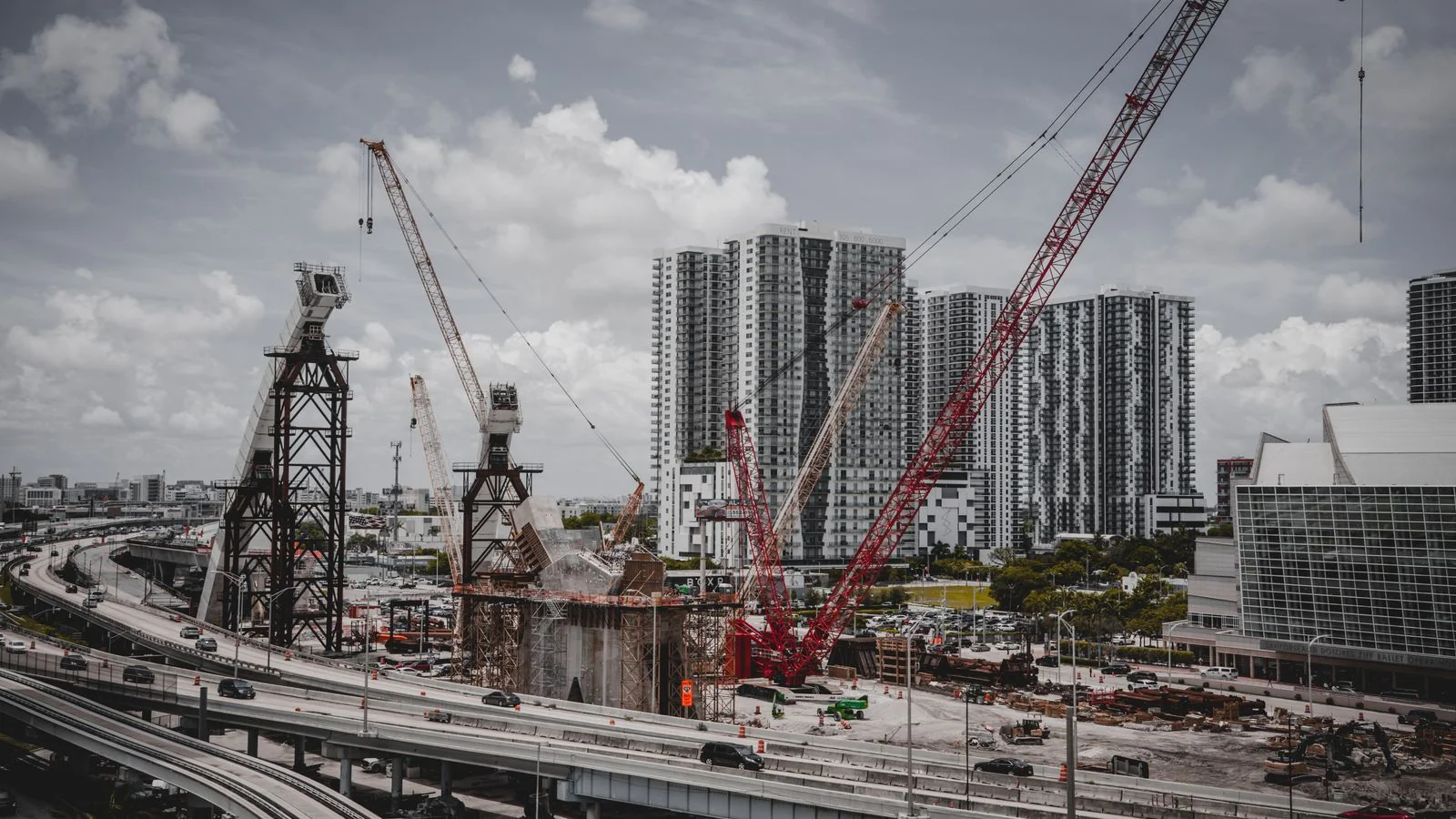
Construction Dive will publish your press release tomorrow if you pay for it. That is the first thing many contractors and building product companies discover when they look into how to get featured in Construction Dive, and it is the wrong door. The site’s Company Announcements section exists, it is labeled, and it is separate from the newsroom. The coverage that moves bidders, owners and investors is the other kind: the stories the editorial team chooses to write.
Those stories follow patterns you can study. Construction Dive is a business publication about the construction industry, not a trade journal about building techniques. It writes about money, labor, risk, regulation and the companies that win or lose because of them. Pitch it like that and you have a real chance.
What Construction Dive covers
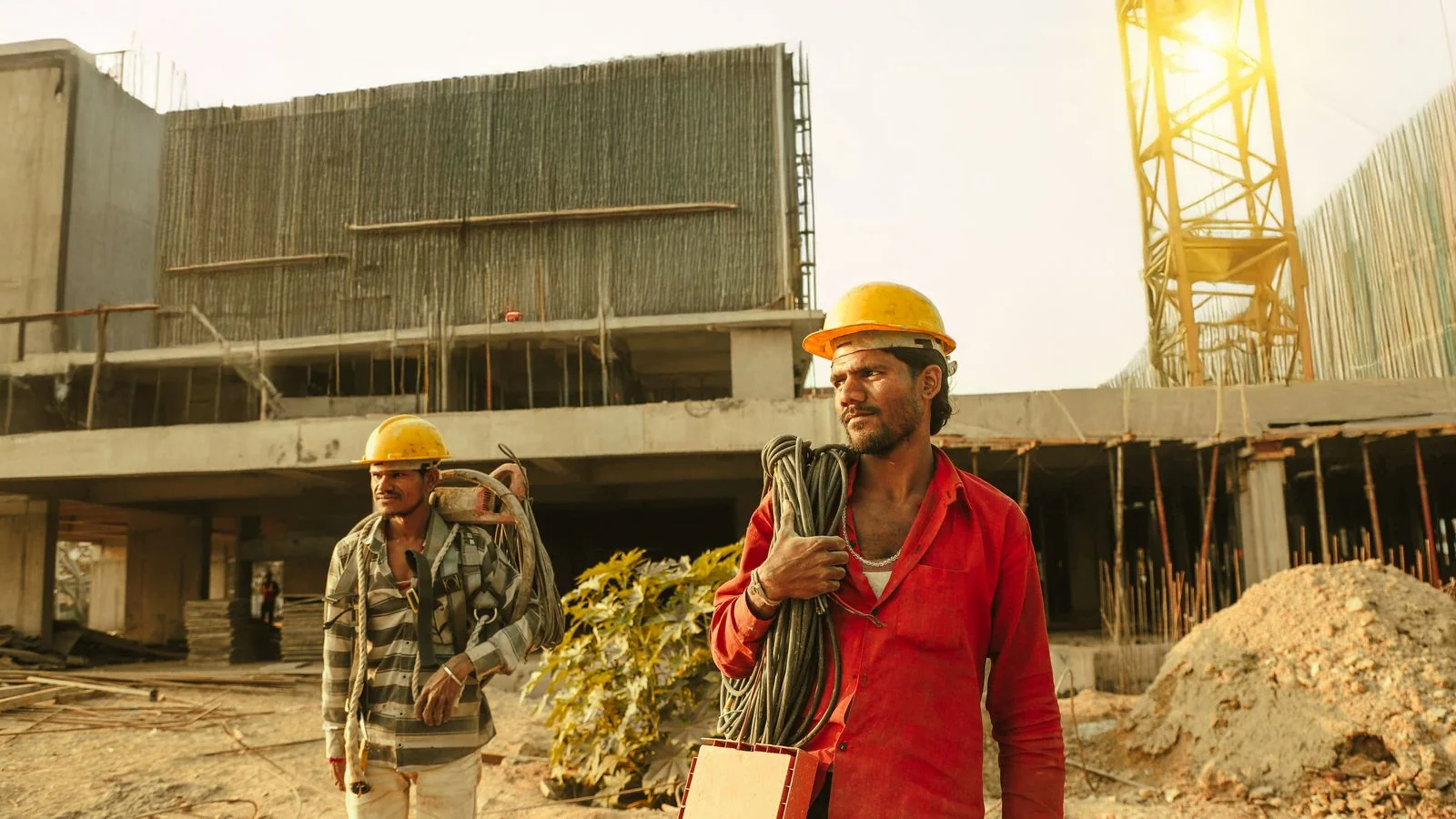
Construction Dive is one of the Industry Dive publications, now operated by Informa TechTarget. Its sister sites include Smart Cities Dive, Utility Dive, Facilities Dive, Multifamily Dive and Supply Chain Dive, and the company says its journalists reach 14 million decision makers across the industries it covers. Construction Dive runs a weekday Daily Dive newsletter, a Tech Weekly edition on Wednesdays and an Infrastructure Weekly edition on Tuesdays.
The editorial team listed on the site includes managing editor Jill Menze, senior editors Joe Bousquin and Zachary Phillips, senior reporter Sebastian Obando and reporter Matthew Thibault. Staffing changes, so confirm the current list on the editors page before you pitch.
A quick scan of recent headlines shows the editorial priorities. In one week this fall, the site covered Tutor Perini’s third quarter earnings, WSP reaching a record backlog on infrastructure and power work, and Fluor winning an engineering, procurement and construction contract on a $4 billion data center campus in Kentucky. It also ran a story on how the construction industry reacted to the midterm elections. Earnings, backlogs, big contracts, policy, labor and safety are the core of the site.
Notice what is missing. Product feature stories, ribbon cuttings and personnel announcements rarely appear unless something larger sits behind them. Construction Dive’s reader is an executive at a general contractor, a specialty contractor, a developer or a supplier, and that reader wants to know what is changing in the business.
Paid announcements versus earned coverage
Since the paid option exists, it is worth being clear about what it does. Posting a release in Company Announcements guarantees that your text appears on the site, under that label. It can be useful for SEO, for a link from a relevant domain and for a record of the news. It does not put your story in the Daily Dive newsletter as a reported item, and it does not carry the credibility of a story a reporter decided to write.
Earned coverage works differently. A reporter picks up your news because it fits a trend they are tracking, quotes your executive alongside competitors or analysts, and places it in a story the audience trusts. That is the coverage that turns up when a prospective client researches your firm, and the coverage AI assistants are more likely to cite when someone asks about the companies in your niche.
Use the paid route if you need it, but do not mistake it for the goal. The rest of this guide is about the other route.
Five angles Construction Dive editors take

The first angle is the big contract or project win. Construction Dive covers major awards, especially in growth sectors such as data centers, power, manufacturing and infrastructure. What makes a contract news is its size, its sector and what it says about where the market is going. A $40 million school renovation is a local story. A first major data center contract for a regional builder that has never done one may be a trend story, because it shows how firms are chasing that work.
The second angle is the business result. Public contractors and engineering firms get covered at earnings time. Private firms can earn similar coverage by sharing numbers they would normally keep internal: backlog growth, margin trends, how much revenue comes from a new sector, how a labor shortage has changed bidding. Reporters writing about the industry’s health need data points from private companies, which are harder to get.
The third angle is labor and safety. Workforce shortages, immigration enforcement on job sites, apprenticeship programs, wage trends, union activity and safety incidents are steady coverage areas. If your company has a workforce program with measurable results, such as retention rates or graduates hired, that is a story. So is an executive who will speak candidly about what labor policy is doing to project schedules.
The fourth angle is technology adoption with evidence. The Tech Weekly newsletter needs construction technology stories, but it is skeptical of vendor claims. A pitch from a contractor that used a technology and can share the results, good or bad, is stronger than one from the vendor selling it. Robotics, AI scheduling tools, drones and prefabrication all get covered when someone can show what actually changed on site.
The fifth angle is policy and markets. Tariffs on steel and lumber, infrastructure funding, permitting changes, interest rates and their effect on project starts all generate coverage. Executives who can explain what a policy shift means for their pipeline, with numbers, become sources reporters return to.
We call the filter behind all five the Backlog Test. Ask whether your news would interest someone deciding where the construction industry’s money is going next year. If it would, you have a pitch. If it only matters to your existing customers, it belongs in your own newsletter.
Writing for the opinion section
Construction Dive accepts opinion submissions through a form on its site. The terms are clear: if it accepts the piece, it will contact you within three weeks of submission, and if you hear nothing by then, the piece is no longer under consideration. Questions go to the editors’ inbox.
Opinion pieces that get accepted tend to share traits. They argue a specific point rather than survey a topic. They draw on direct experience, such as running a company through a downturn or managing a project under a new delivery model. They avoid selling. A piece by a construction technology founder about why contractors should adopt their category of product is an advertisement. A piece by a contractor’s chief operating officer about what went wrong on the first project they tried it on is opinion journalism.
Keep pieces tight and focused. Lead with the argument, back it with examples and numbers, and end with what you want readers to do differently. Write in your own voice. Editors can tell when a piece was produced by a marketing team and handed to an executive to sign.
Build the source relationship before the story
Many of the best placements in Construction Dive are not pitched at all. A reporter working on a story about labor shortages, tariffs or data center demand needs three or four industry voices by the afternoon. The firms that get those calls are the ones the reporter already knows will pick up, speak on the record and offer a real number.
You can earn that position deliberately. Read the site for a few weeks and note which reporters cover the topics where your executives have depth. Then send a short introduction, not a pitch. Name the executive, their role, the two or three subjects they can speak to with authority, and one recent data point from your business that illustrates a trend the reporter has written about. Offer to be available when a related story comes up. Keep it to five sentences.
Prepare the executive too. Reporters at business publications expect direct answers. An executive who speaks in talking points or refuses to discuss anything beyond a prepared statement rarely gets a second call. One who can say “our margins on public work dropped about two points this year, and here is why” becomes a regular source. Decide in advance which numbers you can share and which you cannot, so the executive is not improvising on the phone.
Respond fast when the call comes. A reporter on deadline will move to the next source in an hour. Give your communications lead the authority to say yes to an interview without a long approval chain, within limits you set ahead of time.
This approach compounds. Each useful interview raises the odds of the next one, and each quote in a respected business publication adds to the record that prospective clients, partners and AI assistants find when they look into your firm. For a mid-size contractor without a steady stream of headline news, being a reliable source is often the most realistic answer to how to get featured in Construction Dive.
The pitch email
Construction Dive’s contact page offers several routes: the editorial team list, a tip submission form and the editors’ general inbox. For a specific story, pitching the reporter whose coverage matches your news is usually best. For general tips, the form works.
The email itself should be brief. Subject line: the news and the number. “Regional contractor wins first data center job, $180M, in Ohio” is a subject line. “Exciting news from ABC Builders” is not. First paragraph: what happened, when, and why it matters to the industry. Second paragraph: the supporting numbers and context, such as how this fits the firm’s backlog or what it signals about the market. Third: who is available for an interview and when. Then stop.
Attach nothing large. Offer photos and documents by link. Avoid embargoes unless the news is significant enough to justify one, and if you set one, honor it.
Follow up once after a few days if the news is still time sensitive. If the reporter passes, ask whether they would like to hear from you on related stories later. Most reporters say yes, and a good relationship is worth more than any single placement.
After the story runs
Share it with your clients, your employees and your bonding and insurance partners. Link to it from your news page. Do not ask the reporter for edits unless something is factually wrong, and if it is, send a correction politely with evidence.
Then keep being useful. The companies that appear regularly in Construction Dive are not the ones with the biggest marketing budgets. They are the ones whose executives return calls, share real numbers and say interesting things on the record about the state of the industry. Once a reporter knows you will do that, learning how to get featured in Construction Dive turns into a question of when the next story fits, not whether one ever will.
One last check before you send anything: read the most recent ten stories on the site’s homepage. If none of them look like the story you are pitching, rethink the angle. If several do, you have found your opening, and the pitch nearly writes itself. That habit, more than any template, is how to get featured in Construction Dive consistently.