
The fastest way to get ignored by Food Dive is to pitch it like a food publication. That sounds backward, so here is the explanation: Food Dive is not written for people who love food. It is written for people who make it at scale. Its readers run plants, buy ingredients, manage packaging lines, track regulation and negotiate with retailers. A new flavor launch with a recipe card attached reads to them like a consumer press release, because it is one.
Brands that understand this get covered. Brands that send tasting kits and adjectives do not. Below is how to get featured in Food Dive by pitching the business of food rather than the food itself, with four story types its editors want and a filter to run before you write.
Food Dive is a manufacturer’s paper

Food Dive is part of Industry Dive, the trade publishing group now operated by Informa TechTarget. Its about page describes its coverage as manufacturing, packaging, ingredients, research and development, flavor trends and more. The site’s main sections make the priorities plain: Corporate Ops, Ingredients, Beverages, Meat and Poultry, Policy, Finances and Deals, and Innovation.
The newsletters show the rhythm. The Daily Dive goes out Monday through Friday and focuses on manufacturing, packaging, operations, technology, protein, beverages and sustainability. Ingredients Weekly arrives every Thursday and covers R&D, flavor trends, health and nutrition, scientific findings and new ingredients. If your story does not fit one of those two lists, it probably does not fit Food Dive.
Look at a few recent headlines and the pattern holds. In September 2026 the site reported that PepsiCo would end manufacturing operations at a Maryland bottling plant. In October it ran a piece on why decaf coffee and alternative energy drinks were gaining ground. Another widely read story estimated that ultraprocessed food labeling could cost the industry $14 billion a year. Plants, categories, cost. That is the vocabulary.
The people behind the bylines
Food Dive’s editorial team page lists Emma Liem Beckett as lead editor, Norma Martin as managing editor and Sarah Zimmerman as editor. The reporting staff includes senior reporter Christopher Doering and reporter Laurel Deppen, who joined after reporting for Fashion Dive and Louisville Business First. Check the page before you pitch, because trade newsrooms change, but those are the names to start with.
The team is small for the amount of ground it covers. That matters in two ways. Reporters cannot chase every pitch, so the ones that arrive already shaped as stories get attention. And each reporter tends to own certain categories and companies, which you can map by reading bylines for a week. A pitch about a beverage plant expansion should go to whoever has written the last several beverage operations stories.
The newsroom also lists a shared editors address for feedback and corrections and a tip form for story ideas. The tip form is a reasonable route for news that is not tied to a specific reporter, such as a plant closure you learned about from a supplier or a regulatory filing the newsroom may not have seen yet. Tips that come with a document, a filing number or a named source are far more useful than rumors. For anything else, a direct, short email to the right person works better.
Four stories editors want
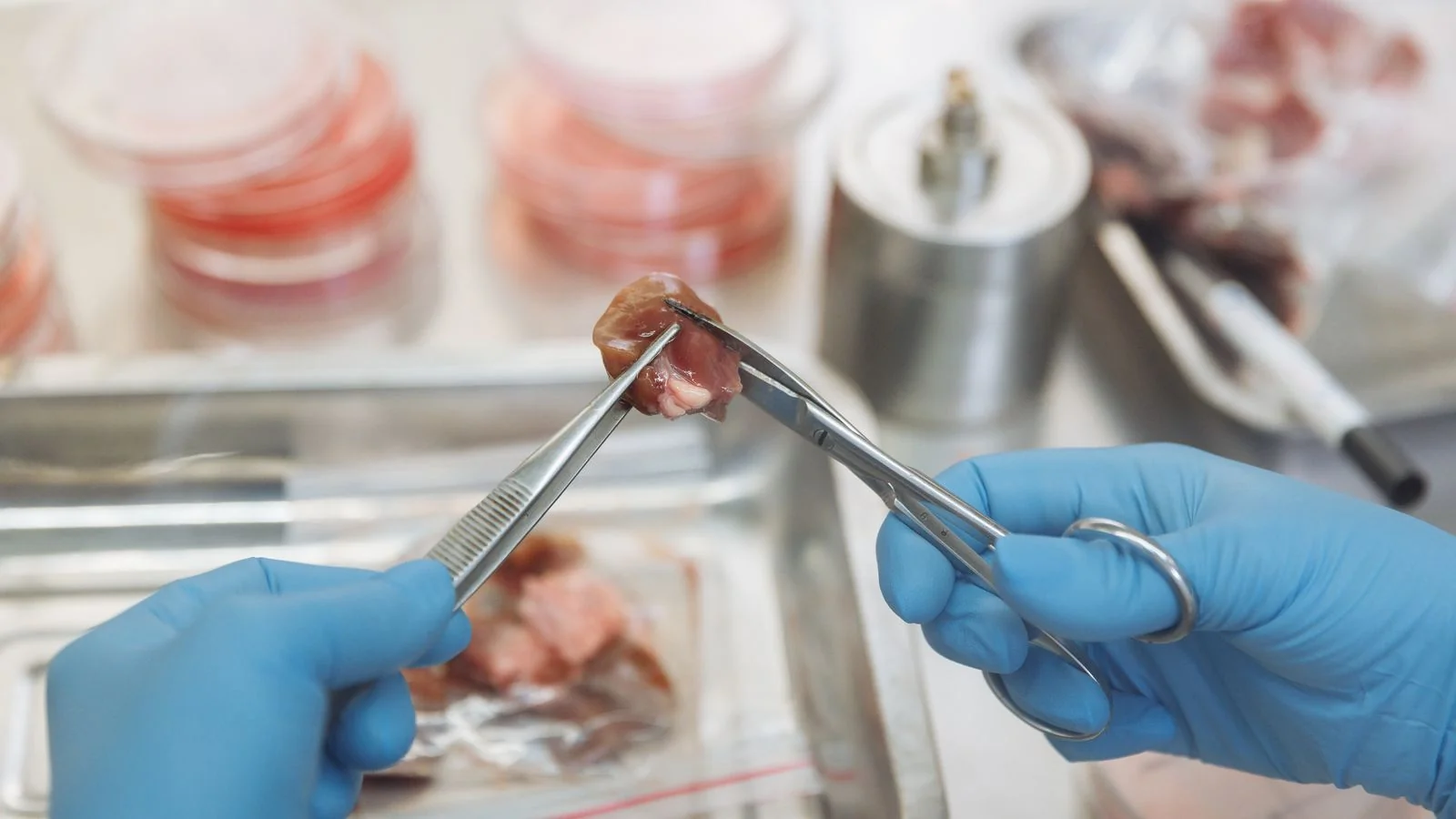
Story 1: an operations change with numbers. A new plant, a closed line, a co-manufacturing deal, an automation project, a shift in sourcing. Food Dive covers these moves because they tell readers where the industry is heading. The pitch needs specifics: location, capacity, investment, jobs, timeline and the reason behind the decision. “We are investing $48 million to add two aseptic lines in Iowa, doubling capacity by 2028, because private label demand outran our current plant” is a story. “We are expanding to meet growing demand” is not.
Story 2: an ingredient or R&D development. Ingredients Weekly exists for this. New sweetener systems, protein sources, fermentation techniques, shelf-life extensions and clean-label reformulations all qualify when they solve a real formulation or cost problem. Lead with the problem. Explain what changed technically in plain language, then what it means for cost, labeling or performance. Offer a food scientist, not a marketing lead, for the interview.
Story 3: policy impact from inside the business. Labeling rules, ultraprocessed food definitions, traceability requirements, tariffs, state ingredient bans and federal guidance all keep moving. Food Dive covers them in depth and needs sources who can explain what a rule costs or changes on the plant floor. Regulatory and compliance leads, trade association staff and food lawyers should pitch within a day of a major development, with one specific, quotable consequence.
Story 4: category data that explains a shift. Why are certain beverages growing? Which protein categories are shrinking? What are retailers asking suppliers to change? If you have scan data, panel data, sourcing data or survey results, Food Dive reporters will want the findings that explain a trend they are already watching. Send the top three findings with method, sample size and time period. Do not lead with a gated report.
A few things reliably do not work. Taste test invitations, influencer campaign announcements, packaging redesigns without an operational or cost story, and award wins rarely get a reply. Neither do funding announcements from startups with no production footprint yet, unless the round comes with a specific plan for plants, co-manufacturers or distribution that says something about the industry. If your story is a consumer launch, the angle that can work is the manufacturing problem you solved to make it, such as a new ingredient system, a shelf-life breakthrough or a co-packing arrangement that cut costs.
The Plant-Floor Filter
If you remember one thing about how to get featured in Food Dive, make it this filter. Every Food Dive pitch should pass one test before it goes out. We call it the Plant-Floor Filter: could a plant manager, an R&D director or a procurement lead do something different on Monday because of this story?
Run the pitch through three questions. Does it describe a decision that affects how food is made, sourced, packaged or regulated? Does it include at least one hard number, such as dollars, capacity, percentage, timeline or headcount? Is there a person with operational or technical authority available to speak on the record?
If the answer to all three is yes, the pitch fits. If the story is mainly about taste, packaging design, influencer partnerships or consumer marketing, it belongs somewhere else. Food Dive’s sister publications Grocery Dive and Restaurant Dive cover retail and foodservice, and consumer and lifestyle outlets cover the product itself. Sending the right story to the right place saves you a wasted pitch and saves the reporter a deletion.
Consider two pitches about the same company. The first: “Our new plant-based yogurt brings bold flavors to the dairy aisle, launching nationwide this spring.” It fails all three questions. The second: “We moved production of our plant-based yogurt from a co-manufacturer to our own Wisconsin facility, cutting unit costs 22% and allowing us to drop gums from the formula. Our VP of operations can explain the switch and what it took to qualify the new line.” Same company, same product. The second version gives a Food Dive reporter a decision, a number, a formulation change and a person to interview.
Most brands fail the filter on the second question. They have the decision and the executive, but they will not share a number. You do not need to disclose everything. You need to disclose enough that the story teaches the reader something. A capacity figure, an investment range or a percentage change in a cost line is usually enough.
Opinion pieces and the DiveWire option
Food Dive runs an Opinion section for industry experts, and its submission rules are specific. Pieces must be exclusive to Food Dive, and the publication reserves exclusive rights for at least 30 days after publication. The average submission is about 1,000 words. If an editor accepts your piece, you will hear within three weeks, and you should expect two to three rounds of edits and fact checks. If you hear nothing, the piece is no longer under consideration.
Strong opinion pieces argue a position on a policy or industry question and back it with evidence. Think of a food safety lead making the case for or against a traceability deadline, or a procurement executive arguing that a proposed tariff will raise prices on a specific ingredient by a stated amount. The argument should be clear in the first paragraph and supported by data in the rest. Recent examples on the page have covered food traceability rules, nutrition rating apps and other contested issues. Thinly disguised product pitches get declined. Write as an expert with a stake in the outcome, disclose that stake, and make an argument someone could disagree with.
Food Dive also sells DiveWire, a paid service that posts press releases to the site and distributes them to its audience. The publication says DiveWire reaches its 119,000 newsletter subscribers over 21 days. That can be useful for announcements you need seen by a trade audience on a set schedule. It is not editorial coverage, and it does not influence what reporters write. Treat it as advertising, budget it that way, and do not confuse it with earning a story.
Timing your pitch
Trade news follows its own calendar. Earnings seasons for large food companies produce coverage of plant strategy, pricing and volume. Major industry events, regulatory comment deadlines and annual guidance updates create windows for expert reaction. Pitch into those windows when your story connects, and stay quiet when it does not.
Ingredient stories have their own rhythm. Ingredients Weekly publishes on Thursdays, so R&D and formulation pitches sent early in the week give a reporter time to report before the newsletter is assembled. That is not a rule the publication states, but it is a practical way to avoid landing in an inbox the morning a newsletter ships.
Keep the email short. Muck Rack’s 2026 State of Journalism survey found 69% of journalists prefer pitches under 200 words and 78% want them before noon. Put the decision and the number in the subject line, name the reporter, mention a recent story of theirs that connects, and say who can talk. Follow up once after a few days if you hear nothing.
Knowing how to get featured in Food Dive comes down to respecting who reads it. Give its editors the operational decision, the number behind it and the person who made the call, and you will be pitching the kind of story they would have gone looking for anyway.